W. (Bill) Wei – författare
Visar alla böcker från författaren W. (Bill) Wei. Handla med fri frakt och snabb leverans.
13 produkter
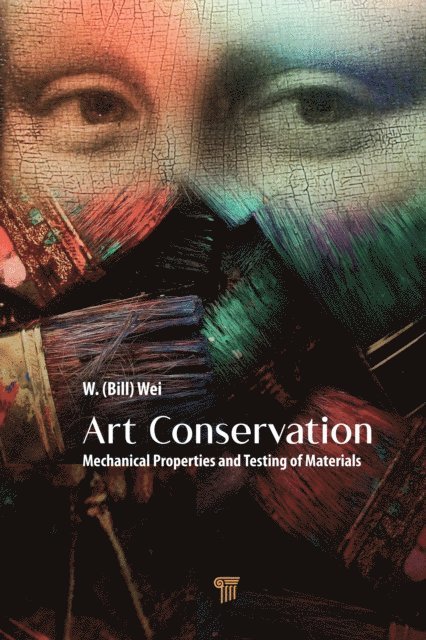
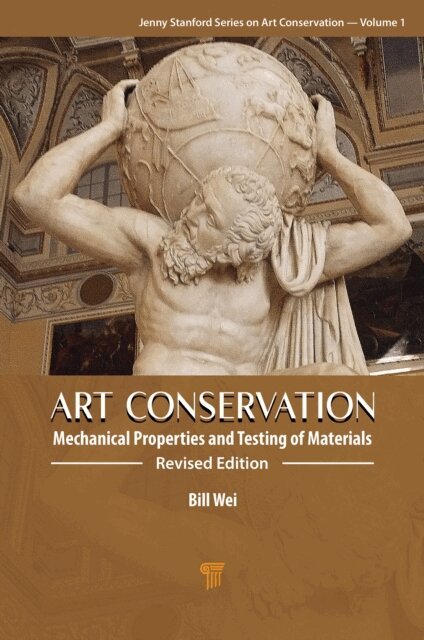
Art Conservation
Mechanical Properties and Testing of Materials
E-bok, 2021
1745 kr
Lägg i varukorg
Conservators and other museum professionals face a large number of issues involving the mechanical behavior of materials, including questions on craquelure, restoring physically damaged objects, art in transport, or the selection of adhesives. However, science in conservation and museum studies …
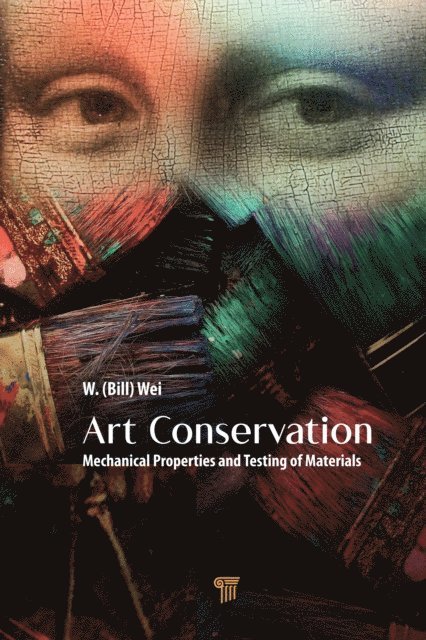
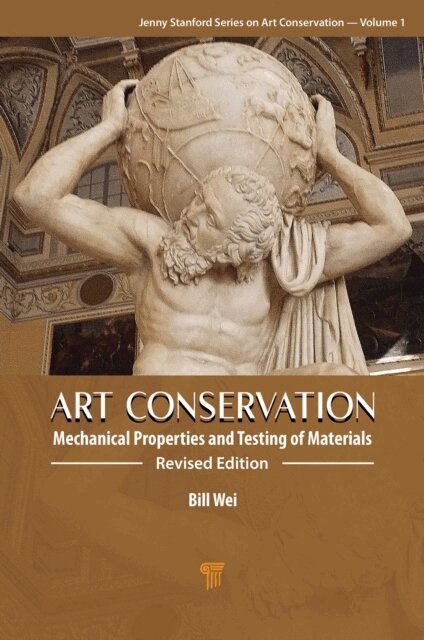
Art Conservation
Mechanical Properties and Testing of Materials
E-bok, 2021
1745 kr
Lägg i varukorg
Conservators and other museum professionals face a large number of issues involving the mechanical behavior of materials, including questions on craquelure, restoring physically damaged objects, art in transport, or the selection of adhesives. However, science in conservation and museum studies …
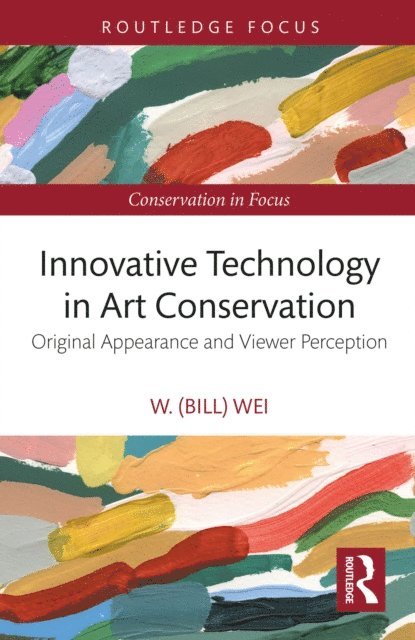
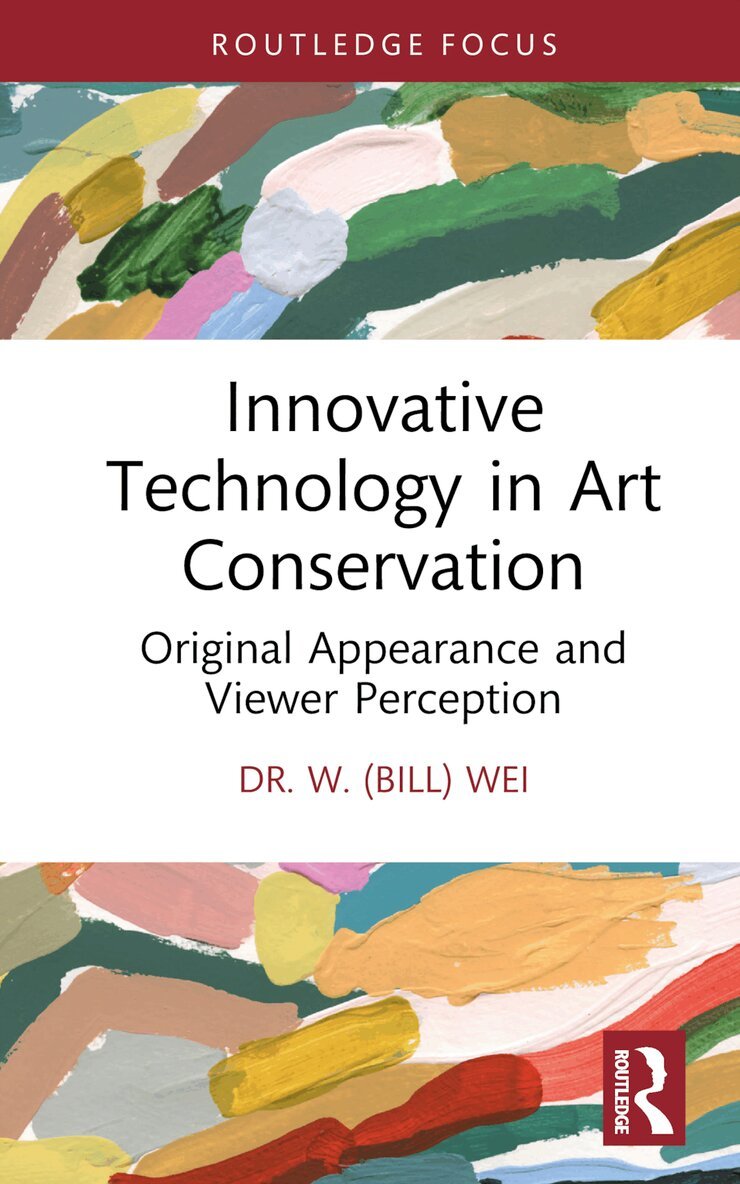
Innovative Technology in Art Conservation
Original Appearance and Viewer Perception
E-bok, 2023
436 kr
Lägg i varukorg
Innovative Technology in Art Conservation provides one of the first ever critical assessments of innovation in conservation science and questions what role it should play in conservation and conservation ethics. Written in language understandable for the non-technical reader, the book begins with a …
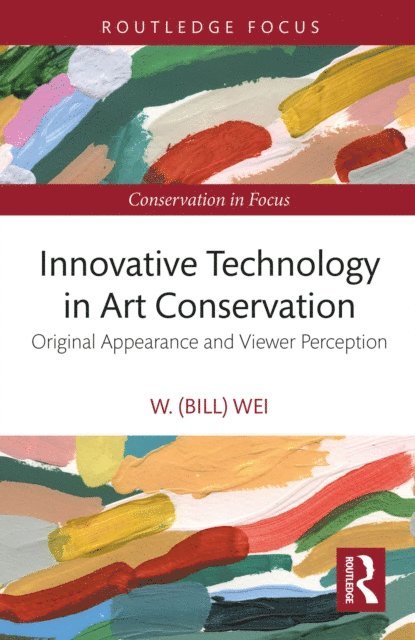
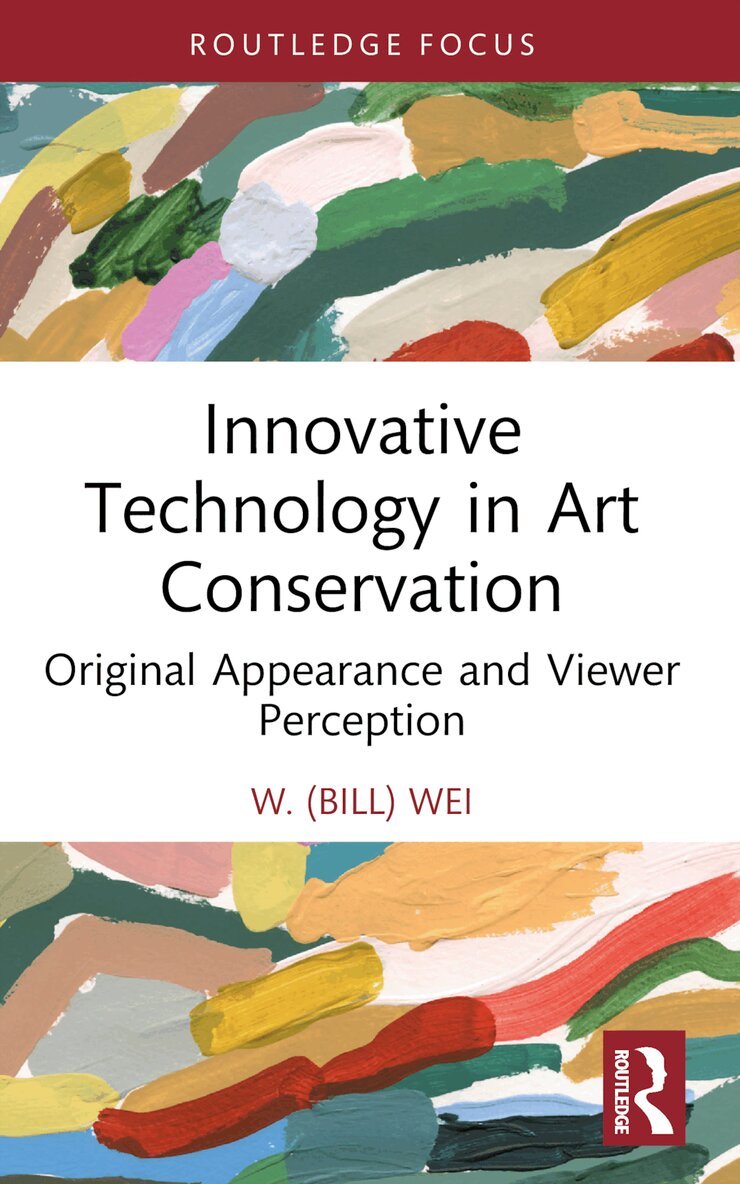
Innovative Technology in Art Conservation
Original Appearance and Viewer Perception
E-bok, 2023
436 kr
Lägg i varukorg
Innovative Technology in Art Conservation provides one of the first ever critical assessments of innovation in conservation science and questions what role it should play in conservation and conservation ethics. Written in language understandable for the non-technical reader, the book begins with a …
Innovative Technology in Art Conservation
Original Appearance and Viewer Perception
Inbunden, 2023
1026 kr
Lägg i varukorg
Innovative Technology in Art Conservation provides one of the first ever critical assessments of innovation in conservation science and questions what role it should play in conservation and conservation ethics.Written in language understandable for the non-technical reader, the book begins with a …
Innovative Technology in Art Conservation
Original Appearance and Viewer Perception
Häftad, 2025
382 kr
Lägg i varukorg
Innovative Technology in Art Conservation provides one of the first ever critical assessments of innovation in conservation science and questions what role it should play in conservation and conservation ethics.Written in language understandable for the non-technical reader, the book begins with a …
Art Conservation
Mechanical Properties and Testing of Materials
E-bok, 2025
2009 kr
Lägg i varukorg
Conservators and other museum professionals face a large number of issues involving the mechanical behavior of materials, including questions on craquelure, restoring physically damaged objects, art in transport, or the selection of adhesives. However, science in conservation and museum studies …
Art Conservation
Mechanical Properties and Testing of Materials
E-bok, 2025
1965 kr
Lägg i varukorg
Conservators and other museum professionals face a large number of issues involving the mechanical behavior of materials, including questions on craquelure, restoring physically damaged objects, art in transport, or the selection of adhesives. However, science in conservation and museum studies …
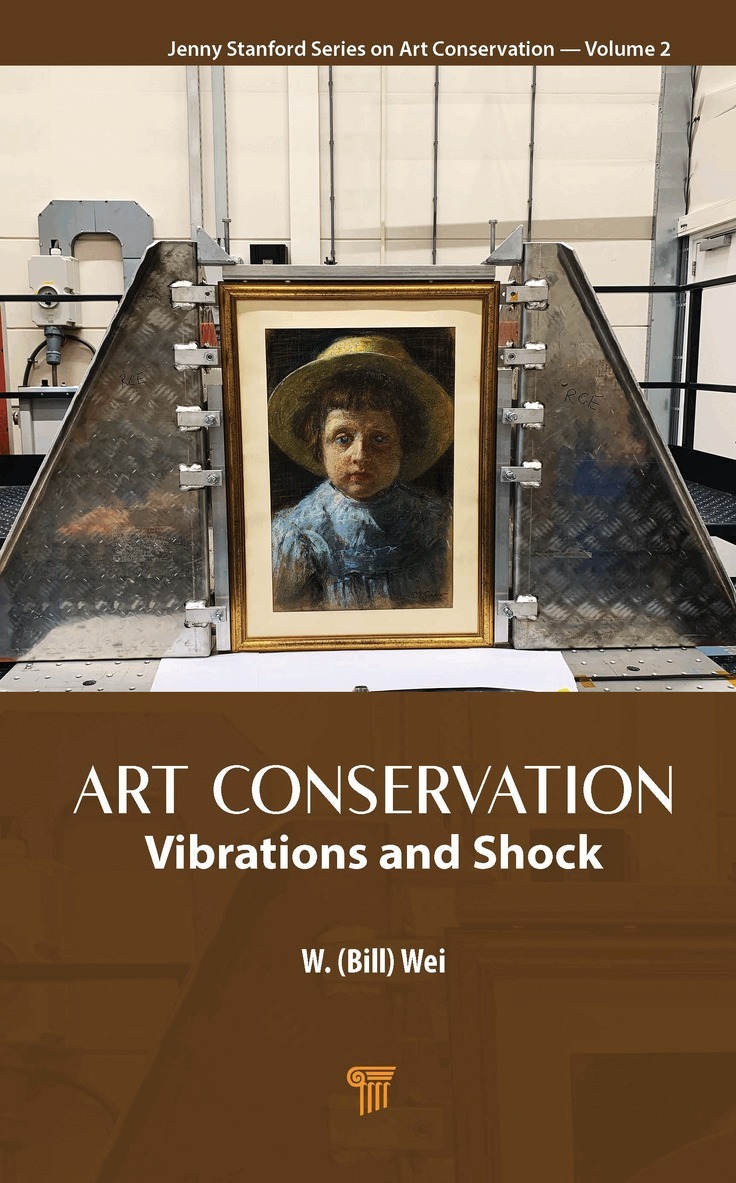
Art Conservation
Vibrations and Shock
E-bok, 2026
1937 kr
Lägg i varukorg
The effects of vibrations and shock on valuable cultural heritage objects are a major concern for conservators, collection managers, and heritage professionals. Due to a lack of training in mechanics in heritage curricula, hearsay and a fear of the unknown often play too large a role in dealing …
Art Conservation
Vibrations and Shock
E-bok, 2026
1937 kr
Lägg i varukorg
The effects of vibrations and shock on valuable cultural heritage objects are a major concern for conservators, collection managers, and heritage professionals. Due to a lack of training in mechanics in heritage curricula, hearsay and a fear of the unknown often play too large a role in dealing …
Art Conservation
Mechanical Properties and Testing of Materials
Inbunden, 2021
1506 kr
Lägg i varukorg
Conservators and other museum professionals face a large number of issues involving the mechanical behavior of materials, including questions on craquelure, restoring physically damaged objects, art in transport, or the selection of adhesives. However, science in conservation and museum studies …
Art Conservation
Mechanical Properties and Testing of Materials
Inbunden, 2025
1746 kr
Lägg i varukorg
Conservators and other museum professionals face a large number of issues involving the mechanical behavior of materials, including questions on craquelure, restoring physically damaged objects, art in transport, or the selection of adhesives. However, science in conservation and museum studies …
Art Conservation
Vibrations and Shock
Inbunden, 2026
1746 kr
Lägg i varukorg
The effects of vibrations and shock on valuable cultural heritage objects are a major concern for conservators, collection managers, and heritage professionals. Due to a lack of training in mechanics in heritage curricula, hearsay and a fear of the unknown often play too large a role in dealing …