W. Lewis Burke – författare
909 kr
Skickas inom 3-6 vardagar
1 084 kr
Läs direkt efter köp
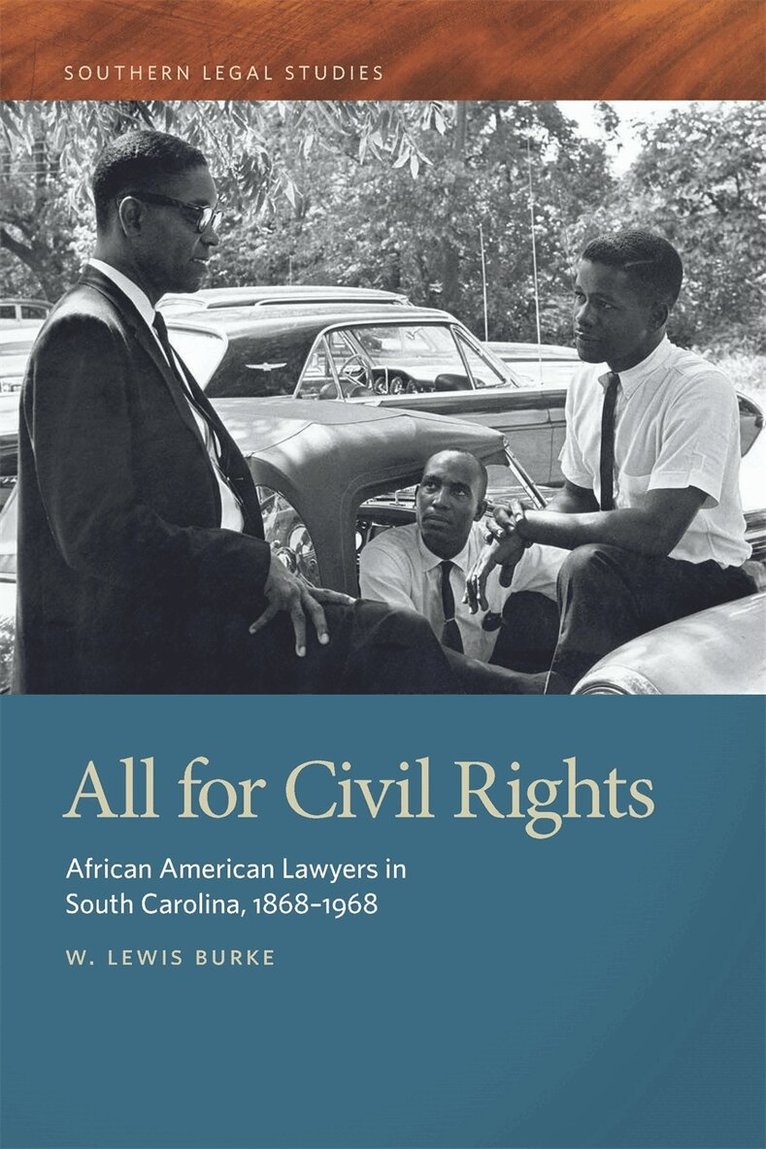
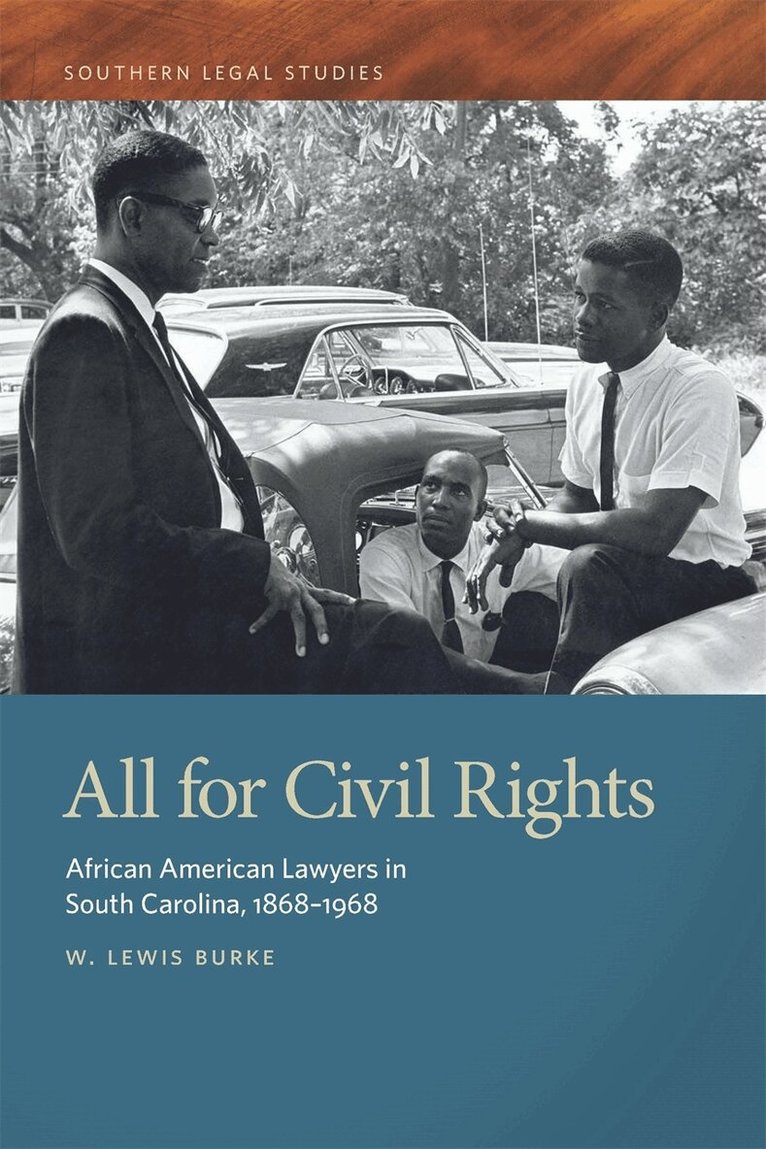
“The history of the black lawyer in South Carolina,” writes W. Lewis Burke, “is one of the most significant untold stories of the long and troubled struggle for equal rights in the state.” Beginning in Reconstruction and continuing to the modern civil rights era, 168 black lawyers were admitted to the South Carolina bar. All for Civil Rights is the first book-length study devoted to those lawyers’ struggles and achievements in the state that had the largest black population in the country, by percentage, until 1930—and that was a majority black state through 1920.Examining court processes, trials, and life stories of the lawyers, Burke offers a comprehensive analysis of black lawyers’ engagement with the legal system. Some of that study is set in the courts and legislative halls, for the South Carolina bar once had the highest percentage of black lawyers of any southern state, and South Carolina was one of only two states to ever have a black majority legislature. However, Burke also tells who these lawyers were (some were former slaves, while others had backgrounds in the church, the military, or journalism); where they came from (nonnatives came from as close as Georgia and as far away as Barbados); and how they were educated, largely through apprenticeship.Burke argues forcefully that from the earliest days after the Civil War to the heyday of the modern civil rights movement, the story of the black lawyer in South Carolina is the story of the civil rights lawyer in the Deep South. Although All for Civil Rights focuses specifically on South Carolinians, its argument about the legal shift in black personhood from the slave era to the 1960s resonates throughout the South.
462 kr
Skickas inom 3-6 vardagar
928 kr
Läs direkt efter köp
“The history of the black lawyer in South Carolina,” writes W. Lewis Burke, “is one of the most significant untold stories of the long and troubled struggle for equal rights in the state.” Beginning in Reconstruction and continuing to the modern civil rights era, 168 black lawyers were admitted to the South Carolina bar. All for Civil Rights is the first book-length study devoted to those lawyers’ struggles and achievements in the state that had the largest black population in the country, by percentage, until 1930—and that was a majority black state through 1920.Examining court processes, trials, and life stories of the lawyers, Burke offers a comprehensive analysis of black lawyers’ engagement with the legal system. Some of that study is set in the courts and legislative halls, for the South Carolina bar once had the highest percentage of black lawyers of any southern state, and South Carolina was one of only two states to ever have a black majority legislature. However, Burke also tells who these lawyers were (some were former slaves, while others had backgrounds in the church, the military, or journalism); where they came from (nonnatives came from as close as Georgia and as far away as Barbados); and how they were educated, largely through apprenticeship.Burke argues forcefully that from the earliest days after the Civil War to the heyday of the modern civil rights movement, the story of the black lawyer in South Carolina is the story of the civil rights lawyer in the Deep South. Although All for Civil Rights focuses specifically on South Carolinians, its argument about the legal shift in black personhood from the slave era to the 1960s resonates throughout the South.
143 kr
Läs direkt efter köp
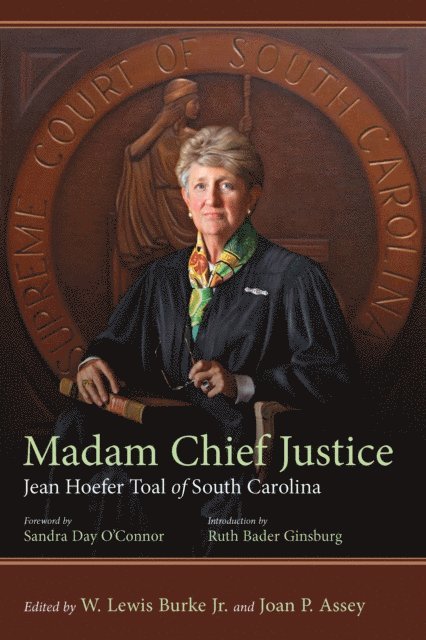
The story of South Carolina’s first female Chief Justice, with contributions by Sandra Day O’Connor, Ruth Bader Ginsburg, legal scholars, family members, and more. As a lawyer, legislator, and judge, Jean Hoefer Toal is one of the most accomplished women in South Carolina history. In this volume, contributors—including two United States Supreme Court Justices, federal and state judges, state leaders, historians, legal scholars, leading attorneys, family, and friends—provide analysis, perspective, and biographical information about the life and career of this dynamic leader and her role in shaping South Carolina. Growing up during the 1950s and ‘60s, Jean Hoefer was a youthful witness to the civil rights movement in the state and nation. Observing the state’s premier civil rights lawyer, Matthew J. Perry Jr., in court encouraged her to attend law school, where she met her husband, Bill Toal. When she was admitted to the South Carolina Bar in 1968, fewer than one hundred women had been admitted in the state’s history. From then on she was both a leader and a role model. She excelled in trial and appellate work and won major victories on behalf of Native Americans and women. In 1975, she was elected to the South Carolina House of Representatives, and despite her age and gender quickly became one of the most respected members of that body. During her years in the House, Toal promoted major legislation on issues including constitutional law, criminal law, utilities regulation, local government, state appropriations, workers compensation, and freedom of information. In 1988, she was sworn in as the first female justice on the Supreme Court of South Carolina, and twelve years later she was elected Chief Justice, becoming the first woman ever to hold the highest position in the state’s judiciary. As Chief Justice, Toal modernized not only her court, but also the state’s judicial system. As a child, she loved roller skating in the lobby of the post office—a historic building that now serves as the Supreme Court of South Carolina. From a child in Columbia to Madam Chief Justice, her story comes full circle in this compelling account of her life and influence. Contributors include: Joseph F. Anderson, Jr. * Joan P. Assey * Jay Bender * C. Mitchell Brown * W. Lewis Burke Jr. * M. Elizabeth (Liz) Crum * Tina Cundari * Cameron McGowan Currie * Walter B. Edgar * Jean Toal Eisen * Robert L. Felix * Richard Mark Gergel * Ruth Bader Ginsburg * Elizabeth Van Doren Gray * Sue Erwin Harper * Jessica Childers Harrington * Kaye G. Hearn * Blake Hewitt * I.S. Leevy Johnson * John W. Kittredge * Lilla Toal Mandsager * Mary Campbell McQueen * James E. Moore * Sandra Day O’Connor * Richard W. Riley * Bakari T. Sellers * Robert J. Sheheen * Amelia Waring Walker * Bradish J. Waring