William H. Hallenbeck – författare
Visar alla böcker från författaren William H. Hallenbeck. Handla med fri frakt och snabb leverans.
7 produkter
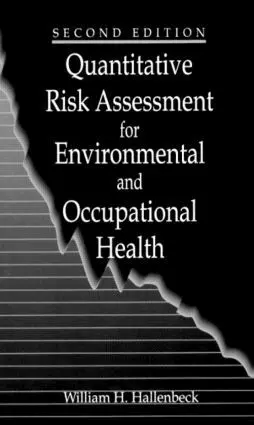
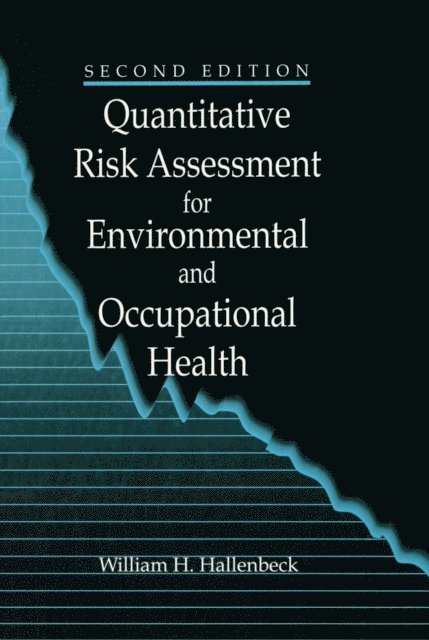
Quantitative Risk Assessment for Environmental and Occupational Health
Inbunden, 1993
3898 kr
Lägg i varukorg
Quantitative Risk Assessment for Environmental and Occupational Health, Second Edition features twice as many risk analysis models with complete examples as the previous edition. The book features new information in the following areas:Calculation of human dose rate and dose from experimental …
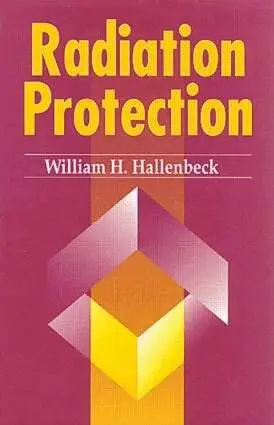
Radiation Protection
Inbunden, 1994
3785 kr
Lägg i varukorg
This text/reference provides an excellent introduction to fundamental topics in radiation protection, including energetics, kinetics, interaction, external radiation protection, dosimetry, standards, and measurement. Chapters on radioactive waste and radon, topics not normally covered in …
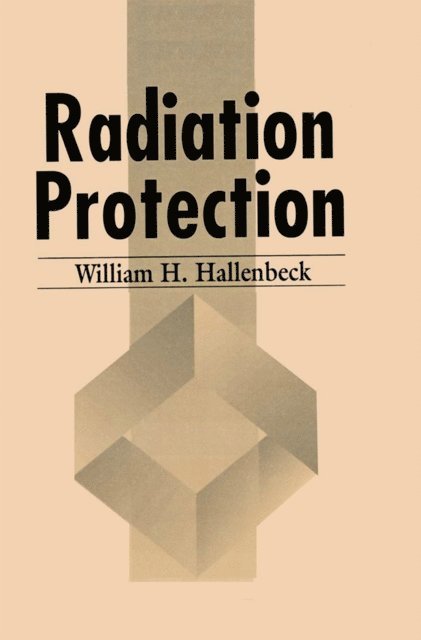
Radiation Protection
E-bok, 2020
4242 kr
Lägg i varukorg
This text/reference provides an excellent introduction to fundamental topics in radiation protection, including energetics, kinetics, interaction, external radiation protection, dosimetry, standards, and measurement. Chapters on radioactive waste and radon, topics not normally covered in …
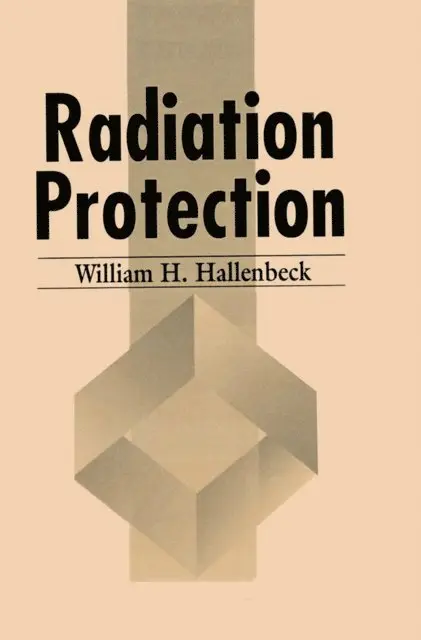
Radiation Protection
E-bok, 2020
4242 kr
Lägg i varukorg
This text/reference provides an excellent introduction to fundamental topics in radiation protection, including energetics, kinetics, interaction, external radiation protection, dosimetry, standards, and measurement. Chapters on radioactive waste and radon, topics not normally covered in …
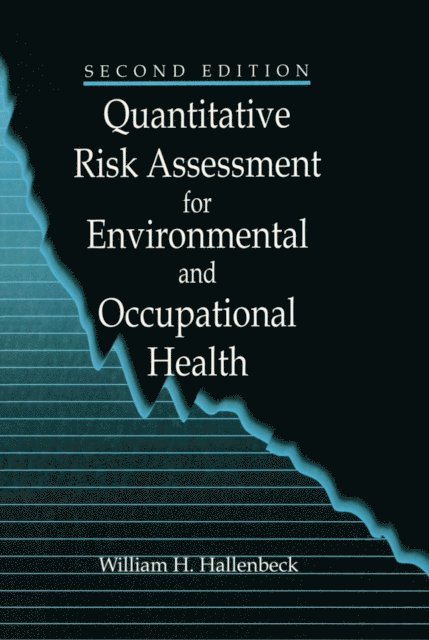
Quantitative Risk Assessment for Environmental and Occupational Health
E-bok, 1993
4369 kr
Lägg i varukorg
Quantitative Risk Assessment for Environmental and Occupational Health, Second Edition features twice as many risk analysis models with complete examples as the previous edition. The book features new information in the following areas: Calculation of human dose rate and dose from experimental …
Quantitative Risk Assessment for Environmental and Occupational Health
E-bok, 1993
4369 kr
Lägg i varukorg
Quantitative Risk Assessment for Environmental and Occupational Health, Second Edition features twice as many risk analysis models with complete examples as the previous edition. The book features new information in the following areas: Calculation of human dose rate and dose from experimental …
Quantitative Risk Assessment for Environmental and Occupational Health
Inbunden, 2018
1987 kr
Tillfälligt slut
Many individuals and groups need a usable treatment of the methodology required to assess the human health risks caused by toxicant exposure. This need is shared by industrial hygienists, environmental, occupational and public health professionals, toxicologists, epidemiologists, labor unions, …