Yvonne Liebermann – författare
Visar alla böcker från författaren Yvonne Liebermann. Handla med fri frakt och snabb leverans.
6 produkter
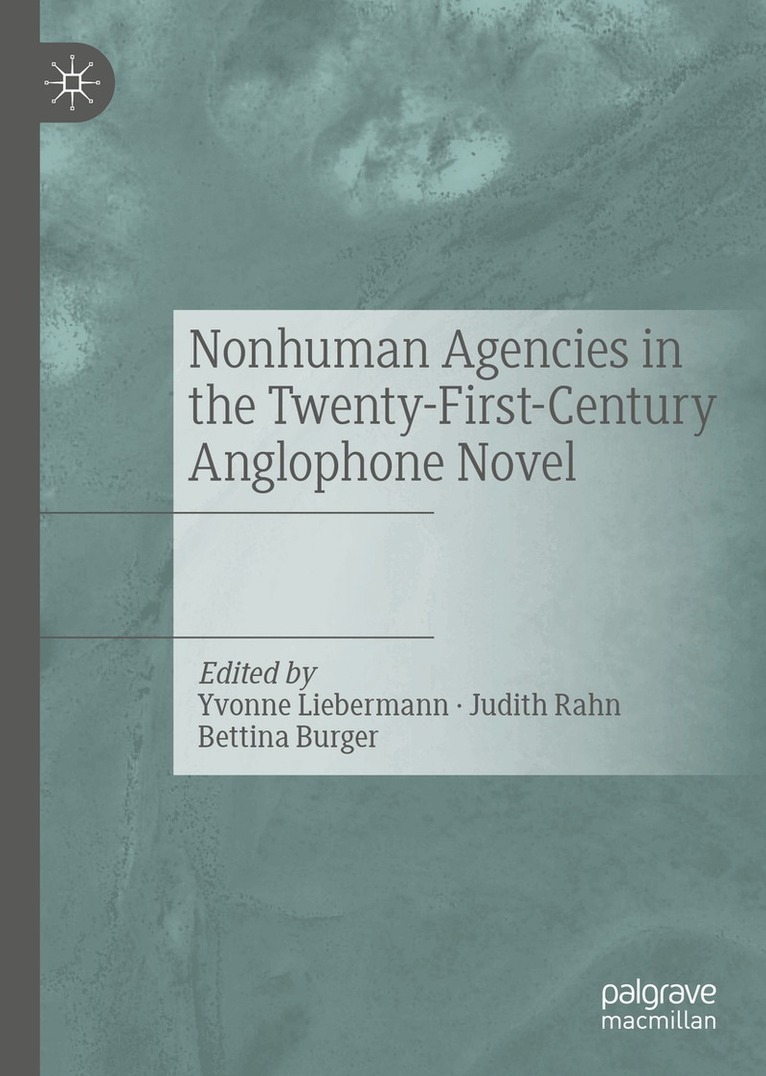
Nonhuman Agencies in the Twenty-First-Century Anglophone Novel
Av Yvonne Liebermann, Judith Rahn m. fl.
Inbunden, 2021
1794 kr
Lägg i varukorg
This book offers an overview on the growing field of nonhuman studies in relation to Anglophone novels. It illuminates the variety of nonhuman actors that take centre stage in the twenty-first-century novel and the formal changes that the Anthropocene, the digital turn, the animal rights movement, …
Nonhuman Agencies in the Twenty-First-Century Anglophone Novel
Av Bettina Burger, Judith Rahn m. fl.
E-bok, 2021
2262 kr
Lägg i varukorg
This book offers an overview on the growing field of nonhuman studies in relation to Anglophone novels. It illuminates the variety of nonhuman actors that take centre stage in the twenty-first-century novel and the formal changes that the Anthropocene, the digital turn, the animal rights movement, …
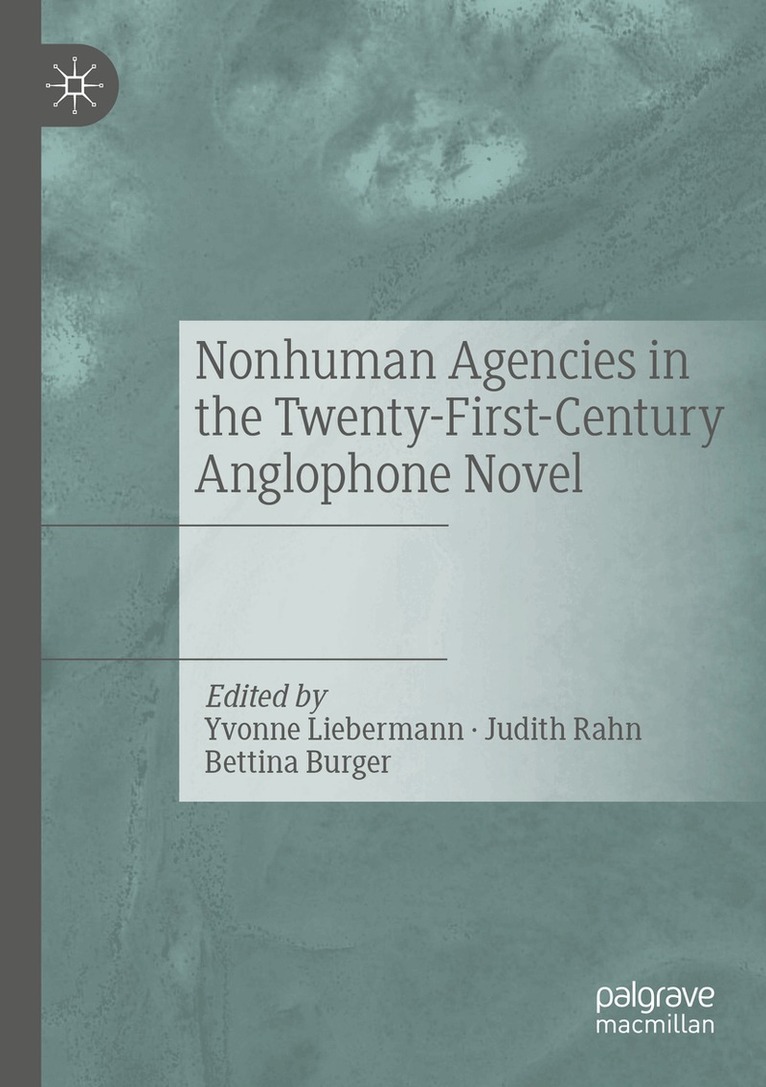
Nonhuman Agencies in the Twenty-First-Century Anglophone Novel
Av Yvonne Liebermann, Judith Rahn m. fl.
Häftad, 2022
1794 kr
Lägg i varukorg
This book offers an overview on the growing field of nonhuman studies in relation to Anglophone novels. It illuminates the variety of nonhuman actors that take centre stage in the twenty-first-century novel and the formal changes that the Anthropocene, the digital turn, the animal rights movement, …
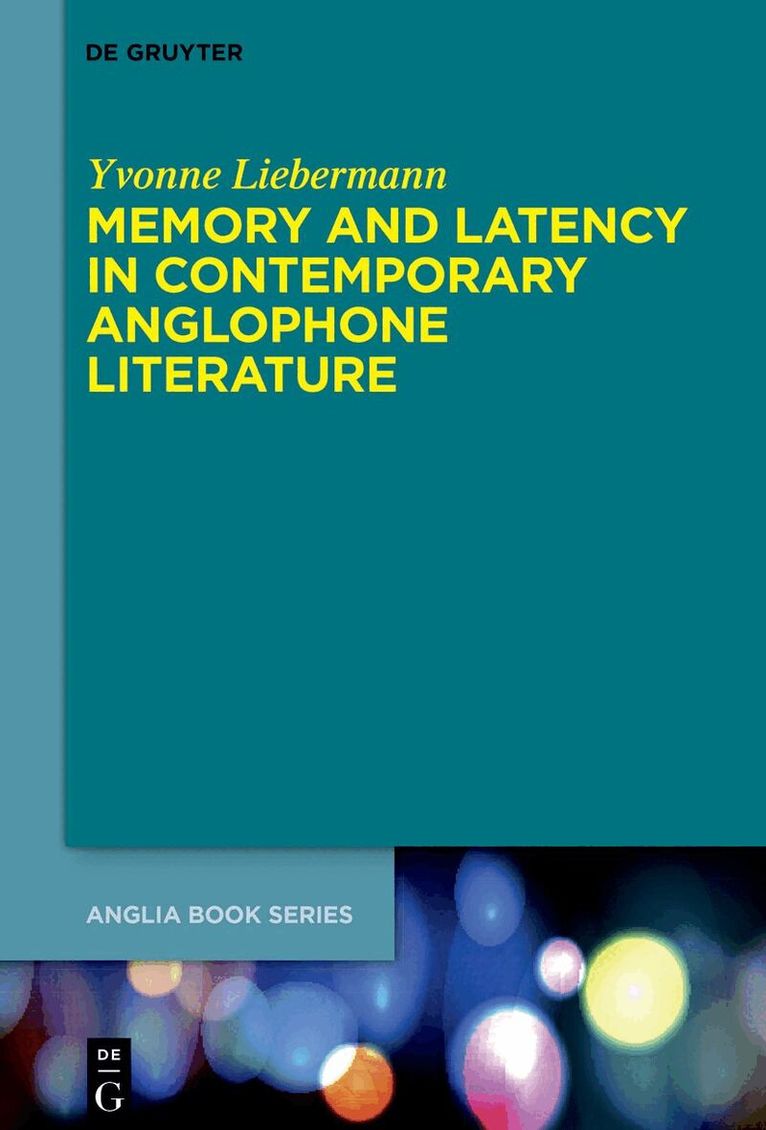
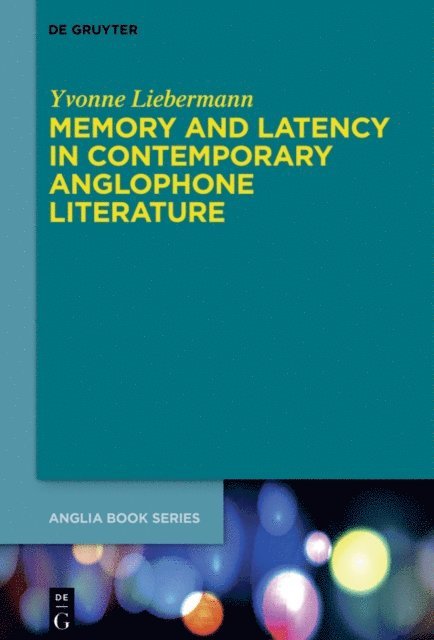
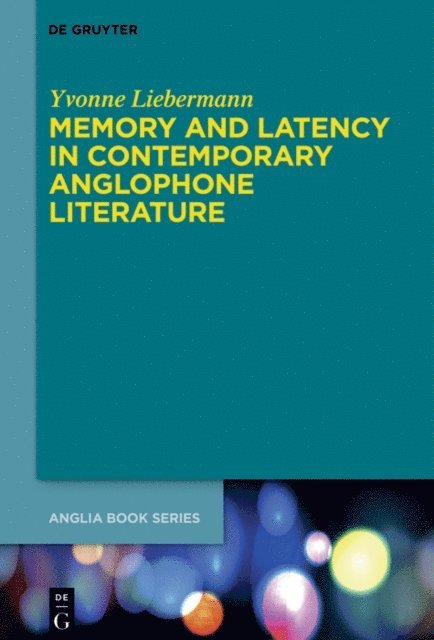
Memory and Latency in Contemporary Anglophone Literature
Inbunden, 2023
1640 kr
Lägg i varukorg
Up until fairly recently, memory used to be mainly considered within the frames of the nation and related mechanisms of group identity. Building on mechanisms of inclusion and exclusion, this form of memory focused on the event as a central category of meaning making. Taking its cue from a number …
Memory and Latency in Contemporary Anglophone Literature
E-bok, 2023
1500 kr
Lägg i varukorg
Up until fairly recently, memory used to be mainly considered within the frames of the nation and related mechanisms of group identity. Building on mechanisms of inclusion and exclusion, this form of memory focused on the event as a central category of meaning making. Taking its cue from a number …
Memory and Latency in Contemporary Anglophone Literature
E-bok, 2023
1500 kr
Lägg i varukorg
Up until fairly recently, memory used to be mainly considered within the frames of the nation and related mechanisms of group identity. Building on mechanisms of inclusion and exclusion, this form of memory focused on the event as a central category of meaning making. Taking its cue from a number …