Zehlia Babaci-Wilhite – författare
Visar alla böcker från författaren Zehlia Babaci-Wilhite. Handla med fri frakt och snabb leverans.
9 produkter
9 produkter
Inbunden, Engelska, 2015
533 kr
Skickas inom 10-15 vardagar
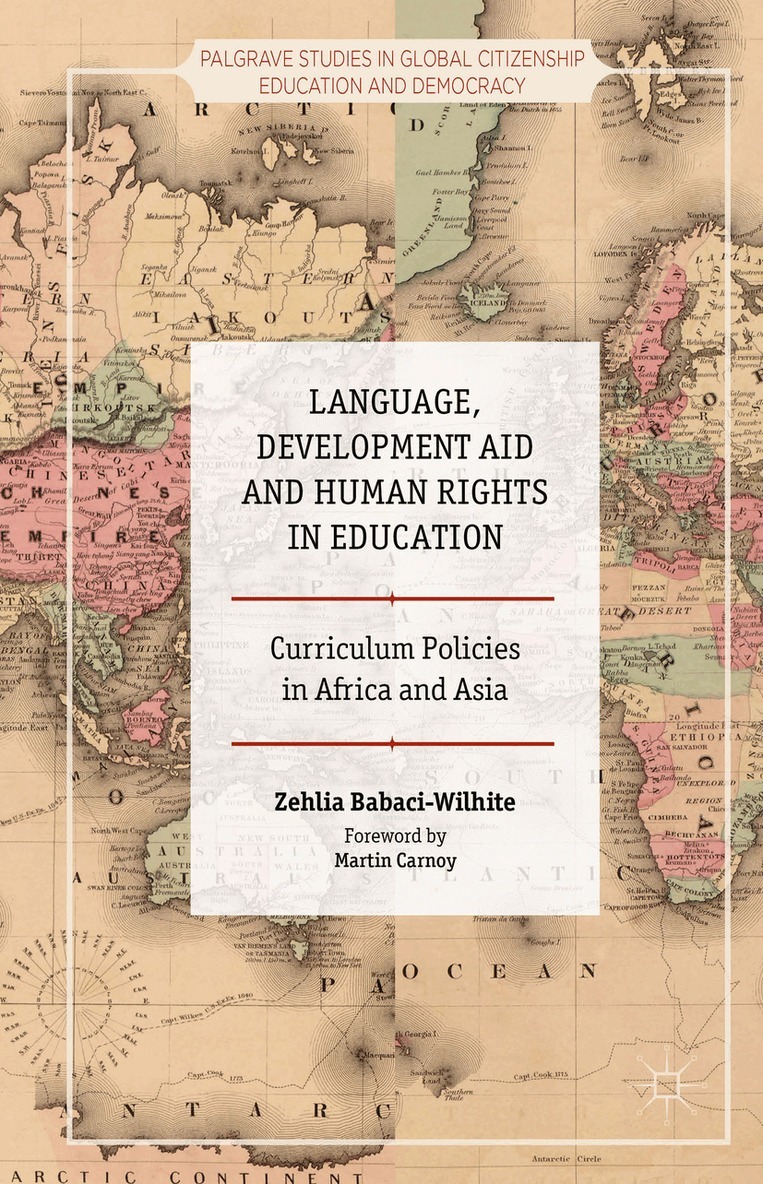
The debate about languages of instruction in Africa and Asia involves an analysis of both the historical thrust of national government and also development aid policies. Using case studies from Tanzania, Nigeria, South Africa, Rwanda, India, Bangladesh and Malaysia, Zehlia Babaci-Wilhite argues that the colonial legacy is perpetuated when global languages are promoted in education. The use of local languages in instruction not only offers an effective means to contextualize the curriculum and improve student comprehension, but also to achieve quality education and rights in education.
E-bok
PDF, Engelska, 2016668 kr
Läs direkt efter köp
The debate about languages of instruction in Africa and Asia involves an analysis of both the historical thrust of national government and also development aid policies. Using case studies from Tanzania, Nigeria, South Africa, Rwanda, India, Bangladesh and Malaysia, Zehlia Babaci-Wilhite argues that the colonial legacy is perpetuated when global languages are promoted in education. The use of local languages in instruction not only offers an effective means to contextualize the curriculum and improve student comprehension, but also to achieve quality education and rights in education.
Inbunden, Engelska, 2020
2 390 kr
Skickas inom 3-6 vardagar
Häftad, Engelska, 2022
860 kr
Skickas inom 10-15 vardagar
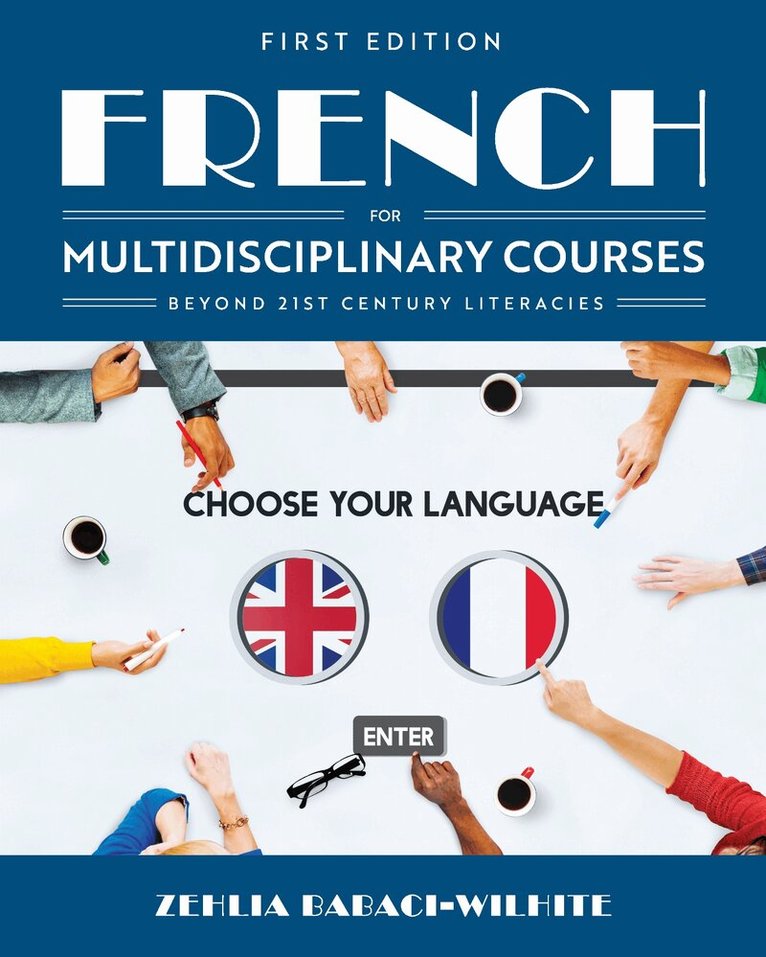
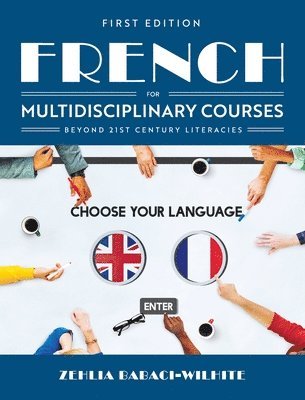
French for Multidisciplinary Courses Beyond 21st Century Literacies provides readers with a collection of chapters and readings in French that discuss the practical application of the French language across the disciplines.The text is organized into four modules. Module 1 includes a collection of exercises that help readers recognize the French grammar and phonetics they already know within the text, and also identify the grammar and phonetics with which they are not familiar. In Module 2, chapters address the essentials of French through collaboration, how experiential knowledge and social learning can make energy use more sustainable, the artistic link between Paris and New York, and more. Module 3 covers the essentials of French through linguistics, how learning a language can help one build a relationship with a culture, and African values to save the earth. The final module addresses the essentials of French through history and composition, translation, and language and culture in global literacy.French for Multidisciplinary Courses Beyond 21st Century Literacies is an ideal resource for upper division courses in French, as well as those across the disciplines with an international emphasis.
Inbunden, Engelska, 2022
1 514 kr
Skickas inom 5-8 vardagar
Häftad, Engelska, 2020
945 kr
Skickas inom 10-15 vardagar
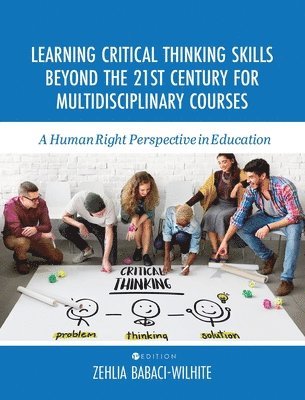
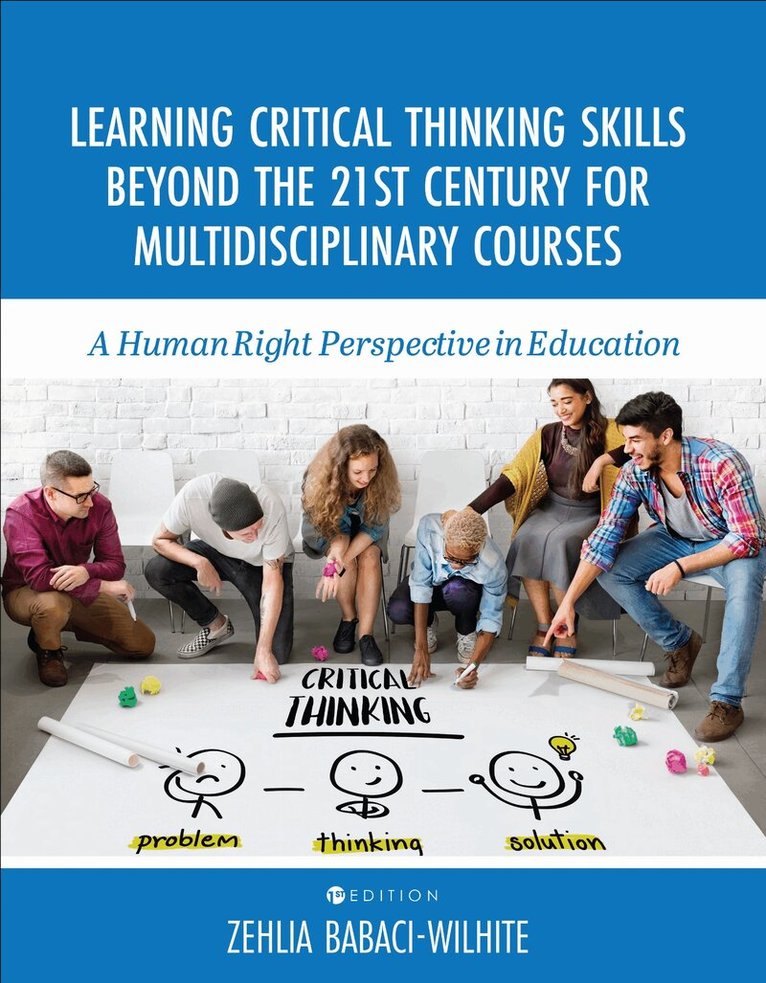
Featuring contributed chapters written by experts within the field, Learning Critical Thinking Skills Beyond the 21st Century for Multidisciplinary Courses: A Human Rights Perspective in Education provides readers with various perspectives regarding the intersection of education, human rights, and critical thinking. The text integrates strategies and best practices that support equitable education, elevate human rights, and pave the way for a better future.The text is divided into four modules. In Module 1, readers learn about the history and evolution of human rights, how students can integrate language arts and human rights into STEM/STEAM subjects, and how critical teaching and social justice teaching can increase students' involvement and understanding. Module 2 features scholarship on leadership and inclusion in cross-cultural and multidisciplinary critical thinking, field theory as a means to analyze the social world critically, and the need across the disciplines for high-quality critical thinking. In Module 3, chapters speak to the critical nature of cultural learning and individual life experience in the quest for sustainability, the dynamics of cultural encounters, the correlation between art and mathematics from an instructional aspect, and how digital storytelling can foster greater academic literacy. The final module features chapters on humanistic literacy, strategies to enhance global literacy, and critical and cultural literacy.
E-bok
PDF, Engelska, 2016403 kr
Läs direkt efter köp
This volume explores the challenges of teaching and learning Science, Technology, Engineering and Mathematics (STEM) subjects in local languages and local contexts in a range of countries around the world. Many countries around the world, including African countries, have been largely excluded from the transformation that is going on in STEM pedagogy in the USA, where the emphasis is on the importance of language choice and the development of English Language Learner (ELL). STEM subjects in many parts of the world have been taught in a global language, mainly English, rather than using a local language and local curriculum. This creates pedagogical challenges to the teaching of STEM. The contributions to this book review evidence and arguments for the teaching of STEM subjects in local languages and several chapters make this case that this should be considered a human right, both in national educational programs and in development aid. Working across disciplines and domains has the potential to lead to new understanding and the removal of barriers to progress with the ultimate goal of creating solutions to persistent problems in education. Cross-disciplinary work in science, language and literacy has shown much promise and demonstrated the importance of developing language along with disciplinary knowledge. This volume provides a deep dive into this topic, with articles by several scholars in the field of language in STEM.” – Jaqueline Barber, Director of the Learning Design Group at the Lawrence Hall of Science, University of California-Berkeley, USA“In an increasingly technological world, STEM Education has become a priority on national agendas and in educational institutions. Meaningful access to STEM education can enable or hinder young people from gaining entry into the world of work. It is against this backdrop that the edited collection, Human Rights and Language in STEM Education, needs to be welcomed. The various chapters tackle the big questions of access and many others. This edited collection is required reading for all those working in STEM and for policy makers who tend to see language and STEM as binaries, rather than as interdependent.” – Zubeida Desai, Professor and Dean of Education, University of the Western Cape, South AfricaThis volume by researchers from 10 countries provides a thought-and-action provoking multidimensional analysis of issues on the dignity of the use of STEM subjects in local education in the perspective of human rights. This book is especially recommended to researchers and education policy makers in such areas as STEM Educational Theory and Praxis, Human Rights, Future/sustainable Development, Science and Technology Literacy. May it inspire similar volumes in today’s politically ebullient world.” – Francisco Gomes de Matos, Professor Emeritus of Linguistics, human linguistic rights scholar, Federal University of Pernambuco, Recife, Brazil.
Inbunden, Engelska, 2019
1 482 kr
Skickas inom 10-15 vardagar
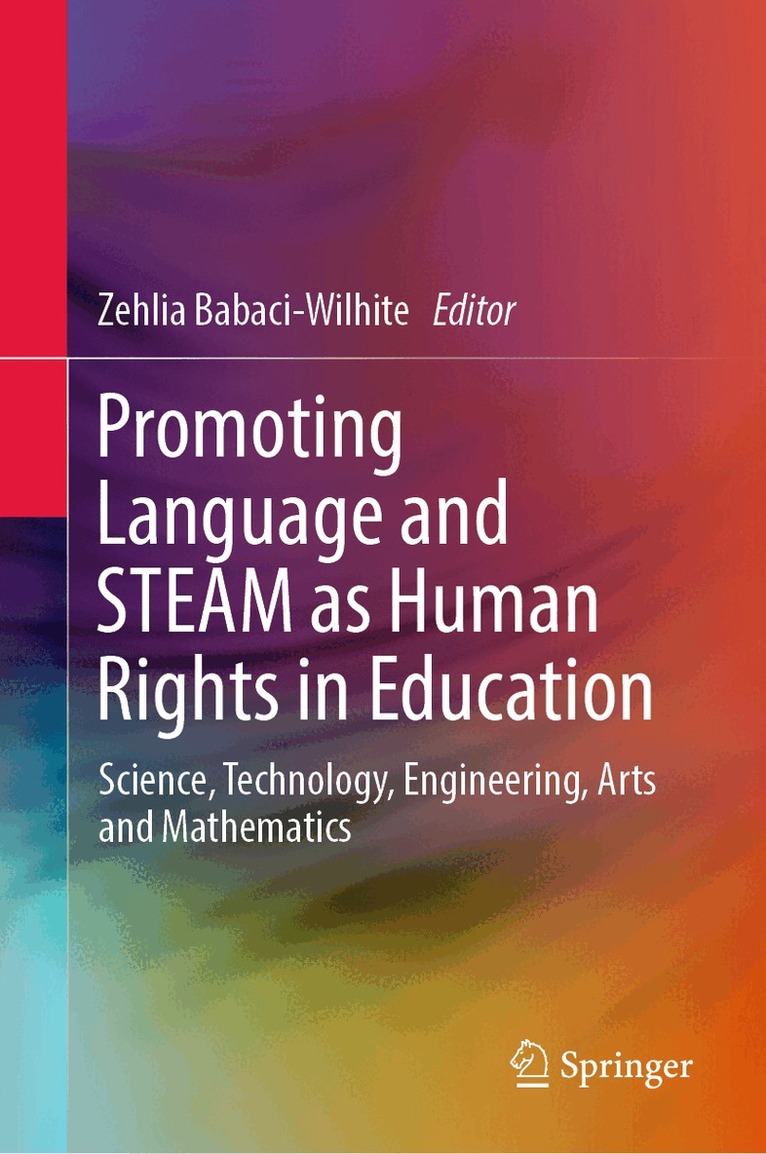
This book argues that integrating artistic contributions – with an emphasis on culture and language – can make Science, Technology, Engineering and Mathematics (STEM) subjects more accessible, and therefore promote creativity and innovation in teaching and learning at all levels of education. It provides tools and strategies for managing interdisciplinary learning and teaching based on successful collaborations between researchers, practitioners and artists in the fields of the Arts and STEM subjects. Based on contributions by educators, scientists, scholars, linguists and artists from around the globe, the book highlights how we can demonstrate teamwork and collaboration for innovation and creativity in STEAM subjects in the classroom and beyond.The book reflects the core of human rights education, using local languages and local knowledge through art as a tool for teaching human rights at school, and bringing to light questions on diversity, ecology, climate change, environmental issues, health and the future of human beings, as well as power relations between non-dominant (minorities) and dominant (the majority) groups in society.
E-bok
Engelska, 20181 789 kr
Läs direkt efter köp
This book argues that integrating artistic contributions – with an emphasis on culture and language – can make Science, Technology, Engineering and Mathematics (STEM) subjects more accessible, and therefore promote creativity and innovation in teaching and learning at all levels of education. It provides tools and strategies for managing interdisciplinary learning and teaching based on successful collaborations between researchers, practitioners and artists in the fields of the Arts and STEM subjects. Based on contributions by educators, scientists, scholars, linguists and artists from around the globe, the book highlights how we can demonstrate teamwork and collaboration for innovation and creativity in STEAM subjects in the classroom and beyond.The book reflects the core of human rights education, using local languages and local knowledge through art as a tool for teaching human rights at school, and bringing to light questions on diversity, ecology, climate change, environmental issues, health and the future of human beings, as well as power relations between non-dominant (minorities) and dominant (the majority) groups in society.