Zuzanna Sarnecka – författare
Visar alla böcker från författaren Zuzanna Sarnecka. Handla med fri frakt och snabb leverans.
12 produkter
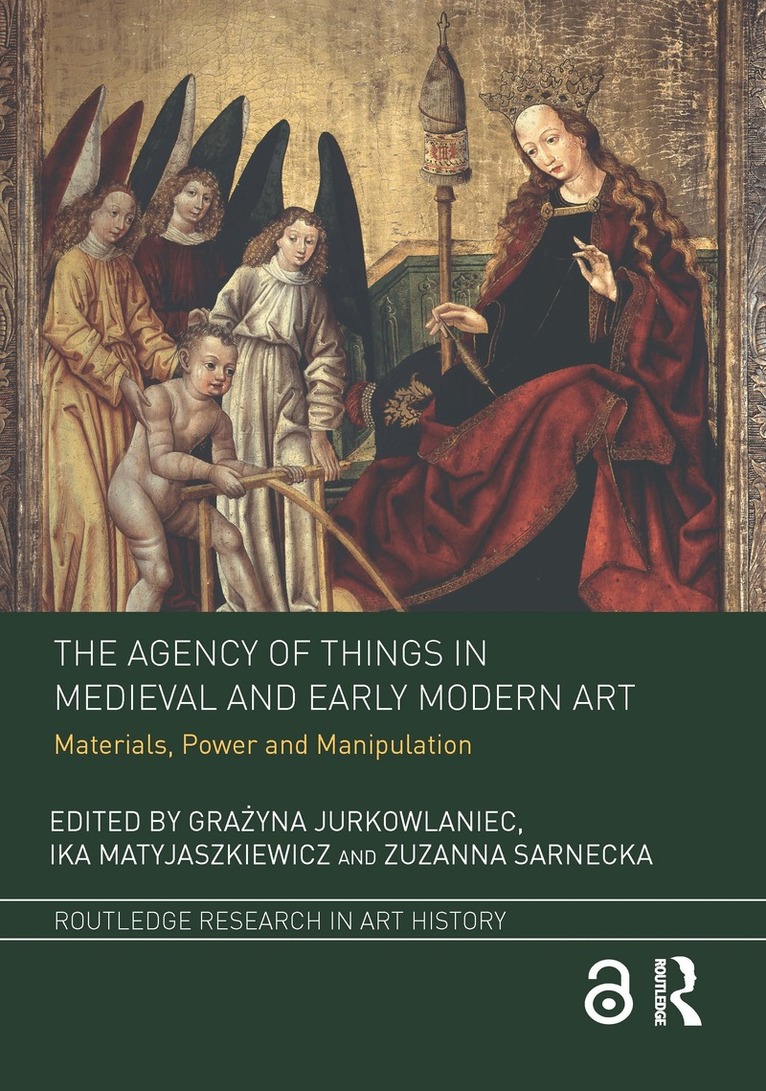
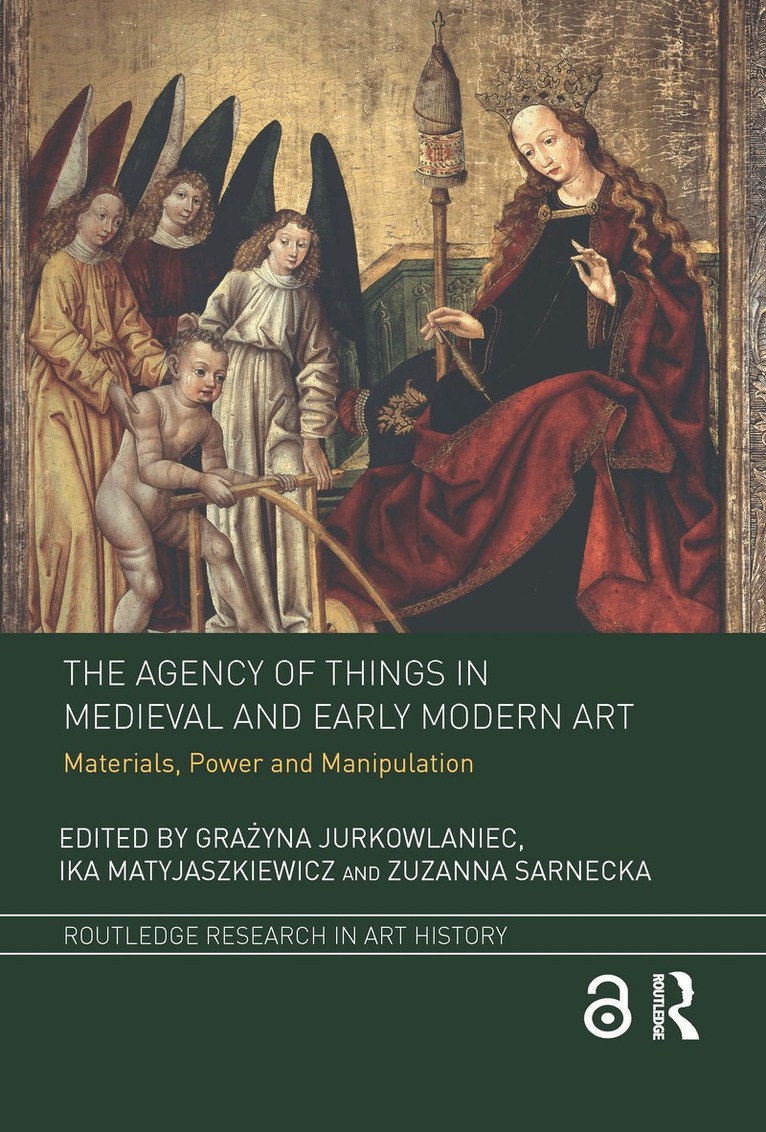
Agency of Things in Medieval and Early Modern Art
Materials, Power and Manipulation
Av Grażyna Jurkowlaniec, Ika Matyjaszkiewicz m. fl.
Häftad, 2019
731 kr
Lägg i varukorg
This volume explores the late medieval and early modern periods from the perspective of objects. While the agency of things has been studied in anthropology and archaeology, it is an innovative approach for art historical investigations. Each contributor takes as a point of departure active things: …
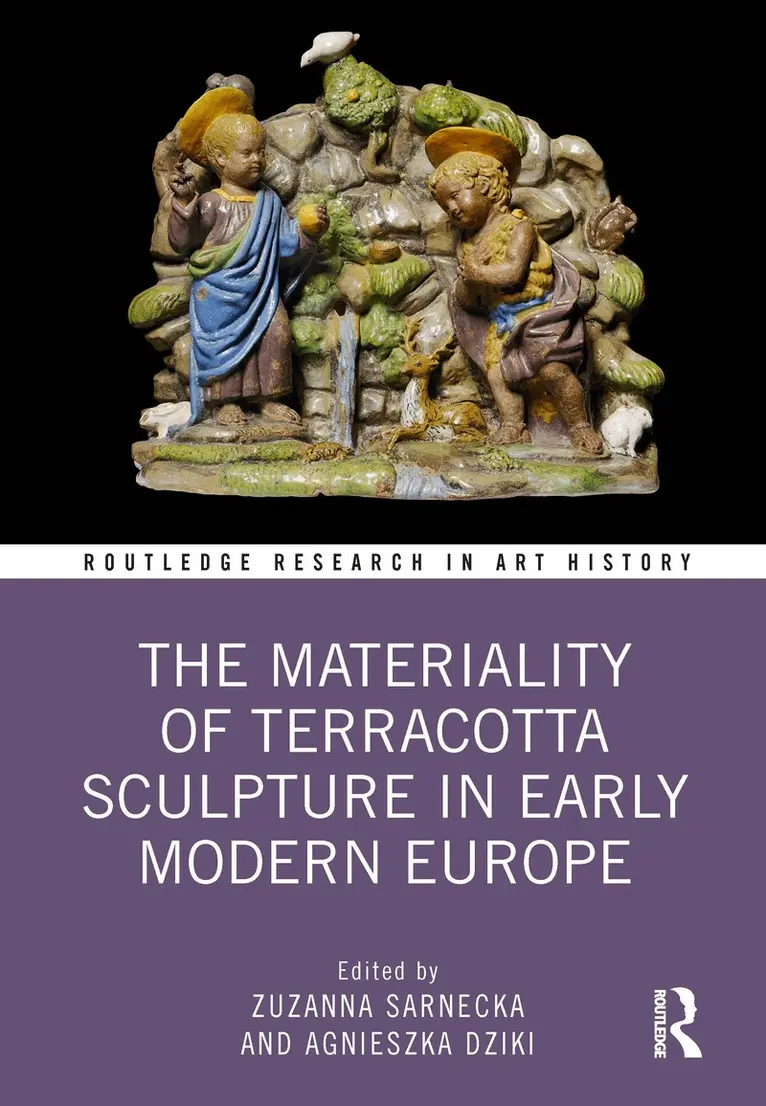
Materiality of Terracotta Sculpture in Early Modern Europe
Av Agnieszka Dziki, Zuzanna Sarnecka
E-bok, 2023
820 kr
Lägg i varukorg
Through meticulously researched case studies, this book explores the materiality of terracotta sculpture in early modern Europe. Chapters present a broad geographical perspective showcasing examples of modelling, firing, painting, and gilding of clay in Portugal, Spain, Italy, Germany, and the …
Materiality of Terracotta Sculpture in Early Modern Europe
Av Agnieszka Dziki, Zuzanna Sarnecka
E-bok, 2023
820 kr
Lägg i varukorg
Through meticulously researched case studies, this book explores the materiality of terracotta sculpture in early modern Europe. Chapters present a broad geographical perspective showcasing examples of modelling, firing, painting, and gilding of clay in Portugal, Spain, Italy, Germany, and the …
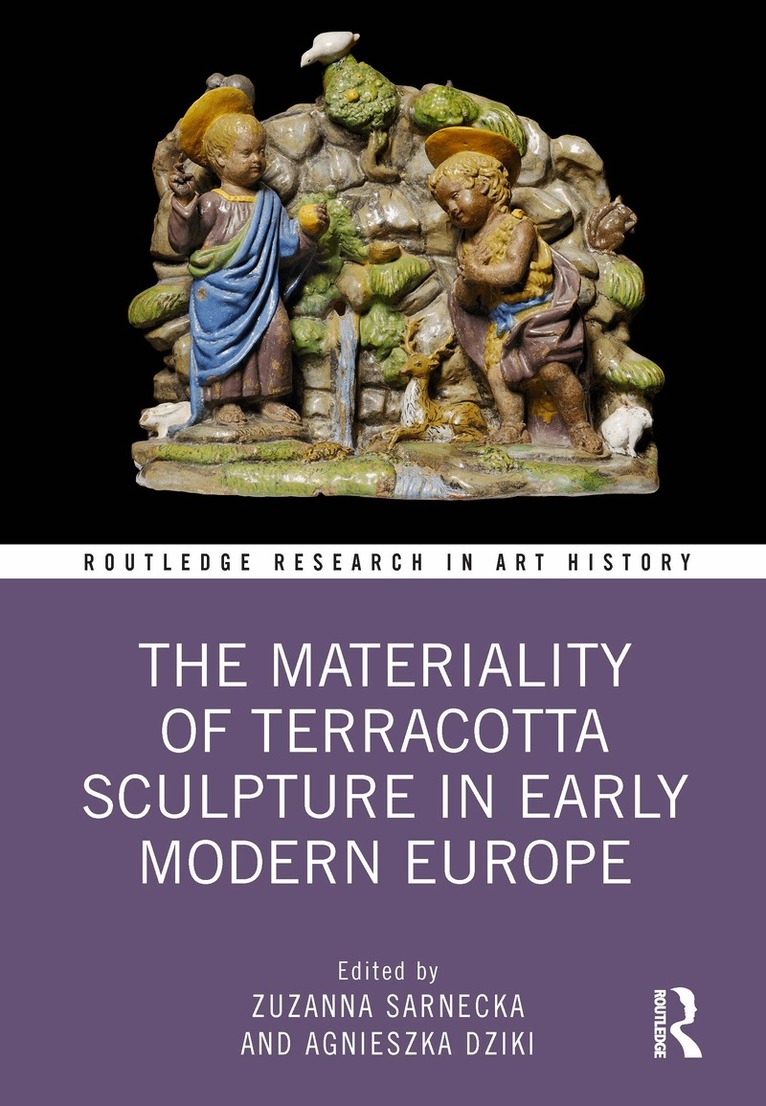
Materiality of Terracotta Sculpture in Early Modern Europe
Av Zuzanna Sarnecka, Agnieszka Dziki
Inbunden, 2023
2526 kr
Lägg i varukorg
Through meticulously researched case studies, this book explores the materiality of terracotta sculpture in early modern Europe.Chapters present a broad geographical perspective showcasing examples of modelling, firing, painting, and gilding of clay in Portugal, Spain, Italy, Germany, and the …
Materiality of Terracotta Sculpture in Early Modern Europe
Av Zuzanna Sarnecka, Agnieszka Dziki
Häftad, 2024
716 kr
Lägg i varukorg
Through meticulously researched case studies, this book explores the materiality of terracotta sculpture in early modern Europe.Chapters present a broad geographical perspective showcasing examples of modelling, firing, painting, and gilding of clay in Portugal, Spain, Italy, Germany, and the …
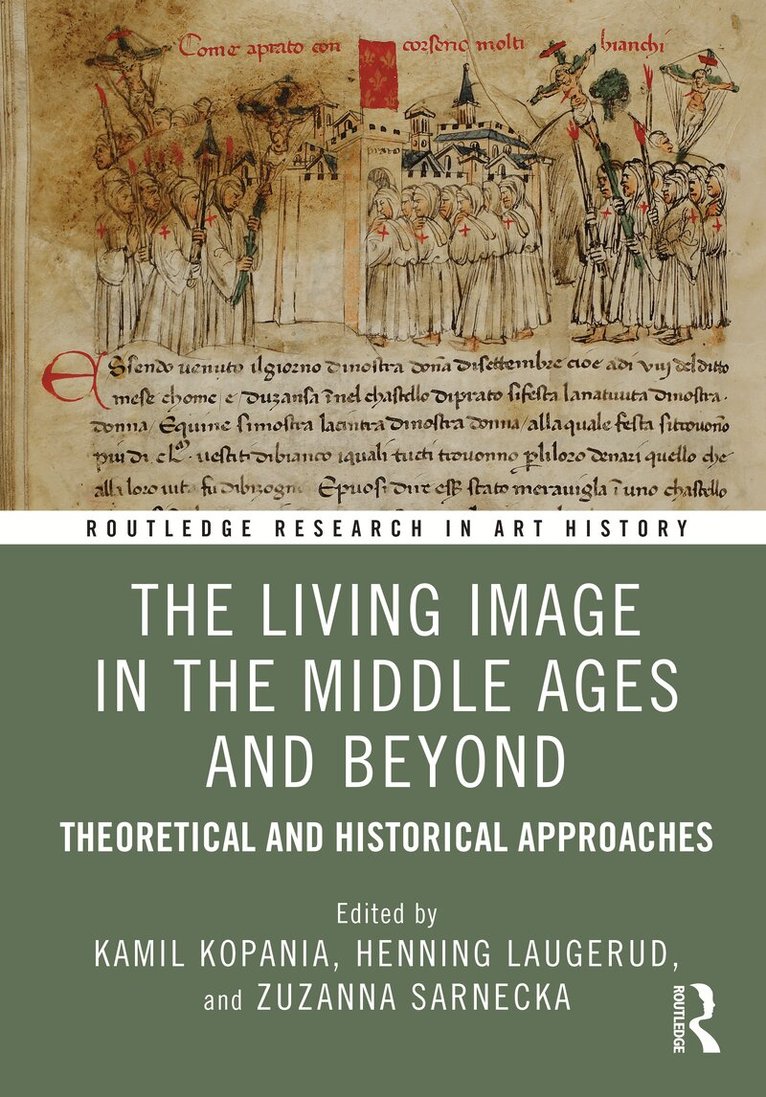
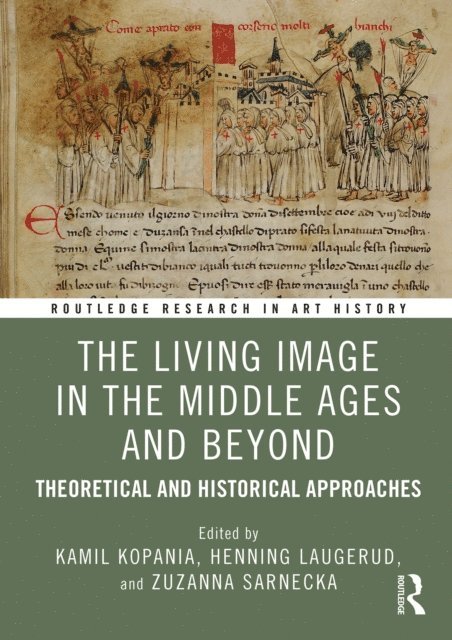
Living Image in the Middle Ages and Beyond
Theoretical and Historical Approaches
Av Kamil Kopania, Henning Laugerud m. fl.
Inbunden, 2025
2526 kr
Lägg i varukorg
This edited volume discusses images that bleed, speak, cry, move, and behave in ways we usually attribute to living creatures.Living images have been the object of devotion as well as targets of destruction, and they have been marginalised in both culture and cultural studies for their ambivalence …
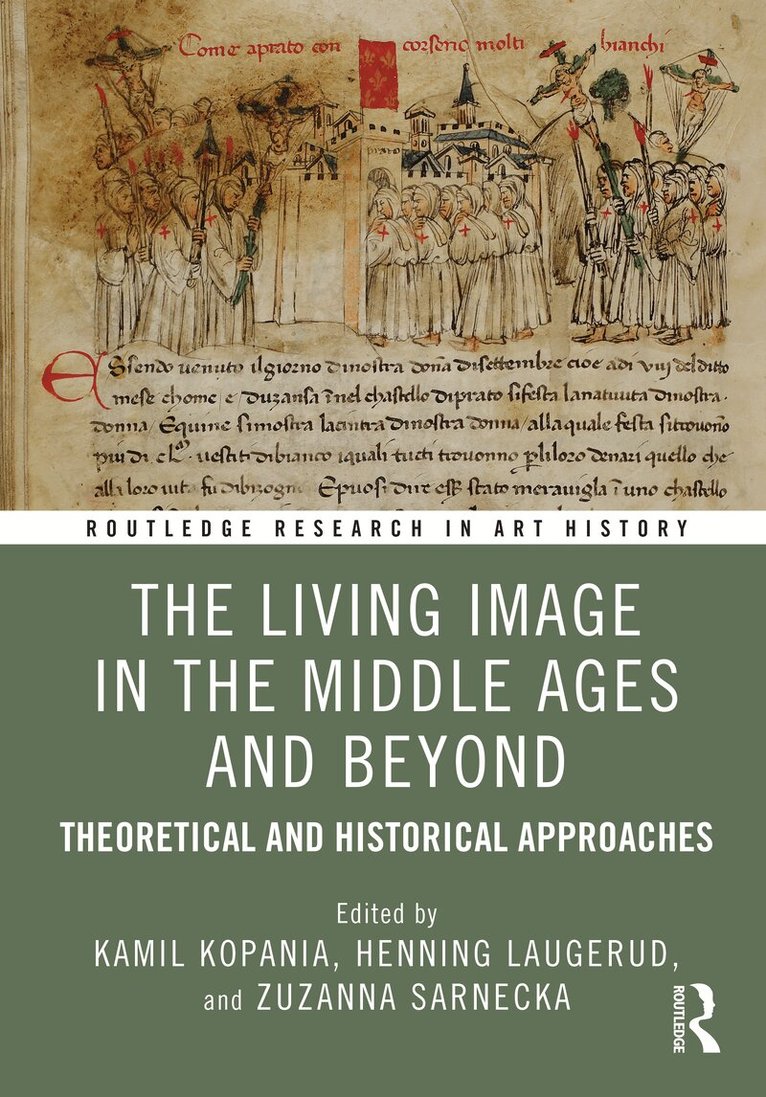
Living Image in the Middle Ages and Beyond
Theoretical and Historical Approaches
Av Kamil Kopania, Henning Laugerud m. fl.
Häftad, 2026
731 kr
Lägg i varukorg
This edited volume discusses images that bleed, speak, cry, move, and behave in ways we usually attribute to living creatures.Living images have been the object of devotion as well as targets of destruction, and they have been marginalised in both culture and cultural studies for their ambivalence …
Living Image in the Middle Ages and Beyond
Theoretical and Historical Approaches
Av Zuzanna Sarnecka, Henning Laugerud m. fl.
E-bok, 2025
856 kr
Lägg i varukorg
This edited volume discusses images that bleed, speak, cry, move, and behave in ways we usually attribute to living creatures. Living images have been the object of devotion as well as targets of destruction, and they have been marginalised in both culture and cultural studies for their ambivalence …
Living Image in the Middle Ages and Beyond
Theoretical and Historical Approaches
Av Zuzanna Sarnecka, Henning Laugerud m. fl.
E-bok, 2025
838 kr
Lägg i varukorg
This edited volume discusses images that bleed, speak, cry, move, and behave in ways we usually attribute to living creatures. Living images have been the object of devotion as well as targets of destruction, and they have been marginalised in both culture and cultural studies for their ambivalence …
Agency of Things in Medieval and Early Modern Art
Materials, Power and Manipulation
Av Grażyna Jurkowlaniec, Ika Matyjaszkiewicz m. fl.
Inbunden, 2017
2601 kr
Lägg i varukorg
This volume explores the late medieval and early modern periods from the perspective of objects. While the agency of things has been studied in anthropology and archaeology, it is an innovative approach for art historical investigations. Each contributor takes as a point of departure active things: …
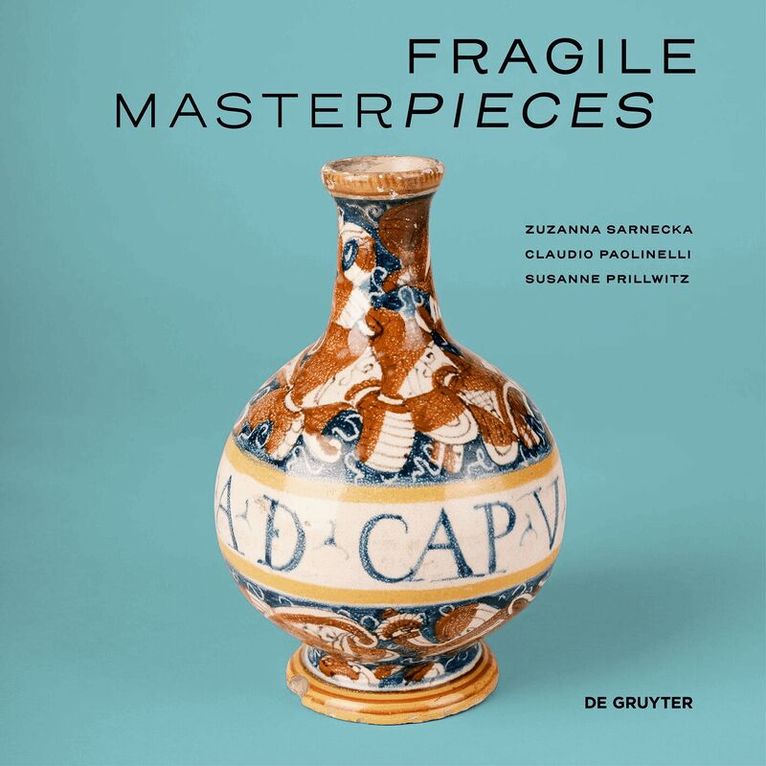
Fragile Masterpieces
Ceramics from the Collection of the Pharmacy Museum, University of Basel (1500–1700)
Av Zuzanna Sarnecka, Claudio Paolinelli m. fl.
Häftad, 2026
412 kr
Kommande
Focusing on Renaissance albarelli – iconic tin-glazed jars used by apothecaries for the storage and display of medicinal ingredients – this publication explores the intersection of science, art, and globalization in early modern Europe from the 15th to the 17th centuries. In that era, these …