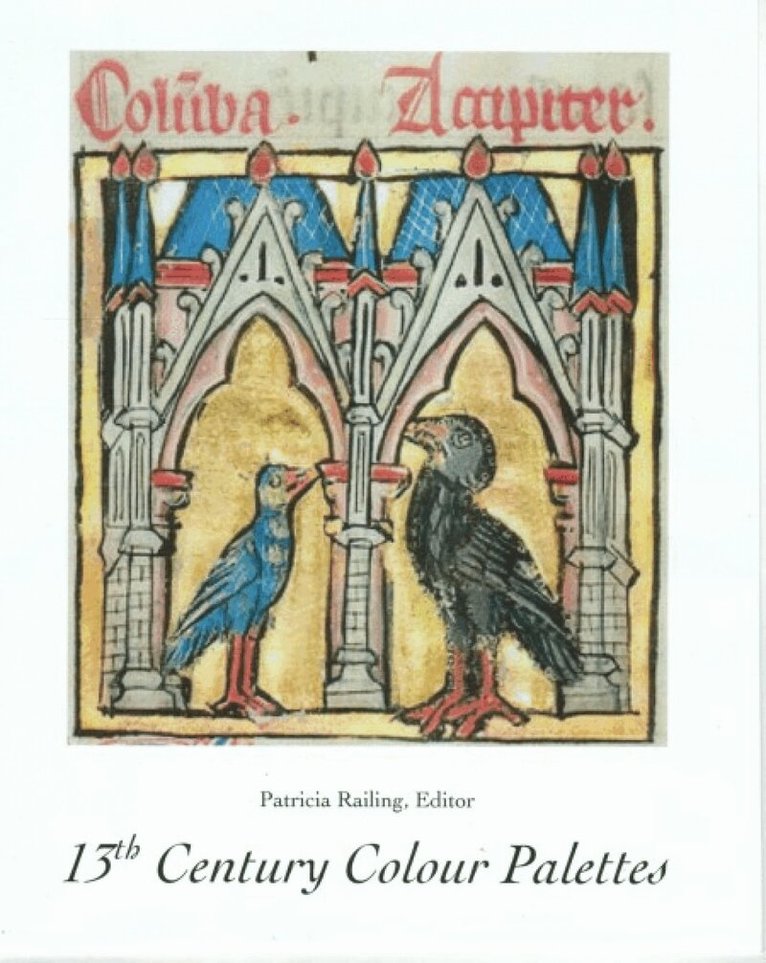
A French collection of recipes for painting on parchment, On Making Colours, by a painter, Peter of St. Audemar, possibly of the Benedictine Abbey of St Bertin at St. Omer in northern France. St. Omer was an active centre of painters and scribes from the end of the 12th century and from it probably came The Aviary / De avibus by Hugo de Fouilloy (c. 1140) in the so-called Gloucester copy which is dated 1277. Plates and illustrations have been included in this handbook, bringing together a treatise and a book which may have derived from the same place, an exceptional event in the history of pigments. Notable is the reference to painting in oil on panel, artists of the French school responsible for the London, Westminster Abbey Retable of 1280, also painted in oil on panel.
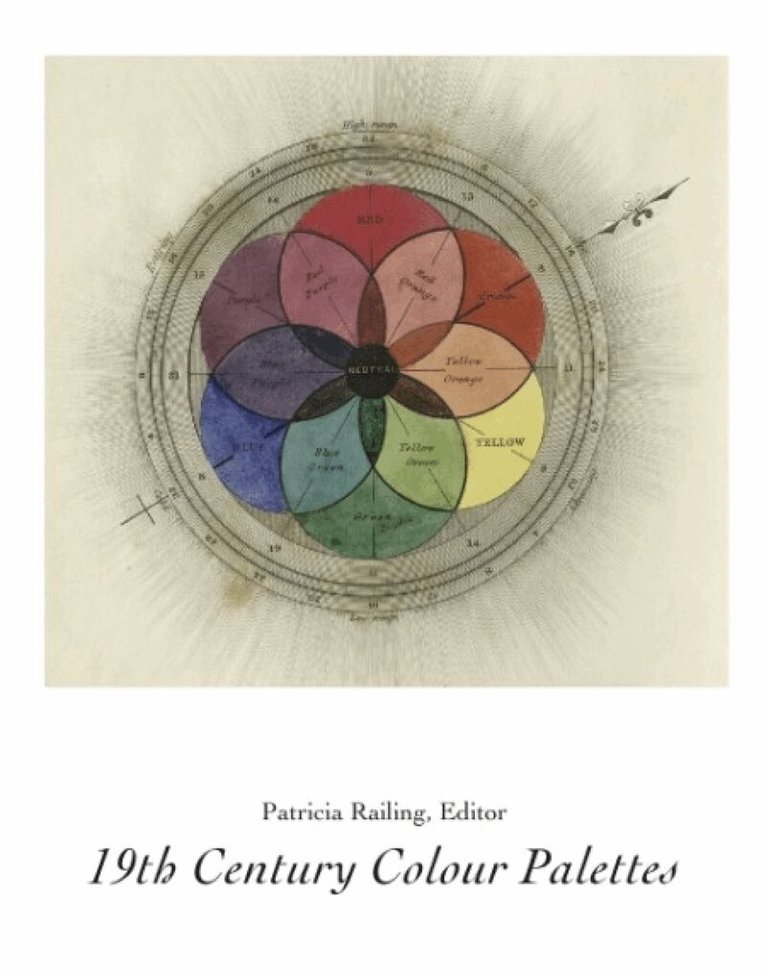
The 19th century was a century of new pigments. They were derived from recently recognised metals –cadmium, chrome, zinc and others – as well as from the discovery of the chemical colouring substances of plants. From indigo the aniline dyes were manufactured, and from madder came the alizarin red pigments – there were hundreds of these coal tar pigments. The English chemist, George Field, published his Chromatography in 1835, a comprehensive collection which included many of the new pigments and, as the century wore on so new pigments were added to up-dated editions of his book in 1869 and 1885. They were published by the English colour-makers, Winsor & Newton, so become a chronicle of a world of new pigments for painters not only in England but also in France and Germany especially. 19th Century Colour Palettes traces these developments, presenting the pigments in dictionary form in extracts taken from the editions of Field's Chromatography.
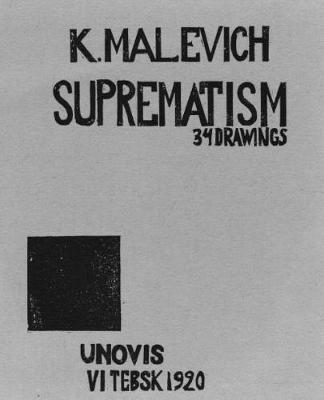
A facsimile edition of Kazimir Malevich, SUPREMATISM 34 Drawings, was published in 1990 by Artists Bookworks accompanied by an introduction to the drawings by Patricia Railing; it is now out-of-print. This 2014 reprint of Malevichs little book contains a new translation from the Russian and a new introductory text by Patricia Railing, Reading the 34 Drawings. The Russian text and plates were scanned from an original copy and the size of this little book conforms to the lithographed Russian edition of 1920.
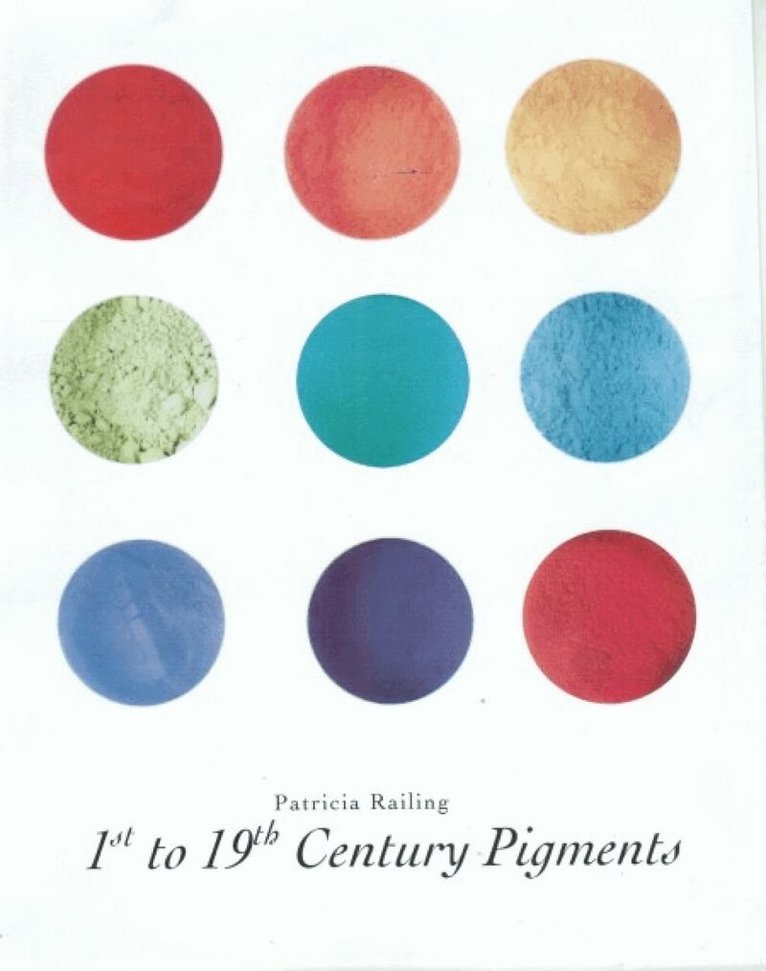
A collection of all the historical pigments mentioned in the treatises included in the series Colour Palettes, by century, complemented by recipes from other contemporary sources. The entries define the pigment – colour, its source (animal, plant, mineral) and its name – and describe its method of preparation, with historical remarks tracing the pigment through the centuries. Recipes provide the documentary history of the pigment beginning with the earliest known through to 1837, the date of George Field's, Chromatography, to make up a history of each pigment.