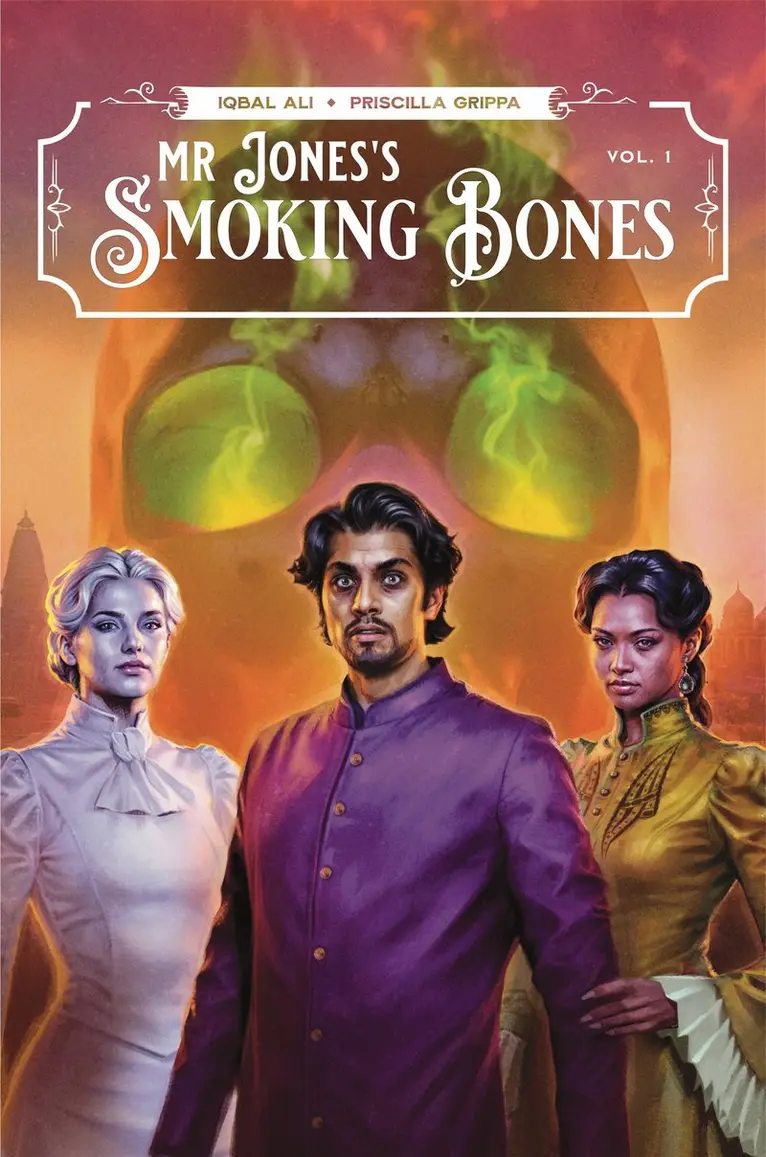
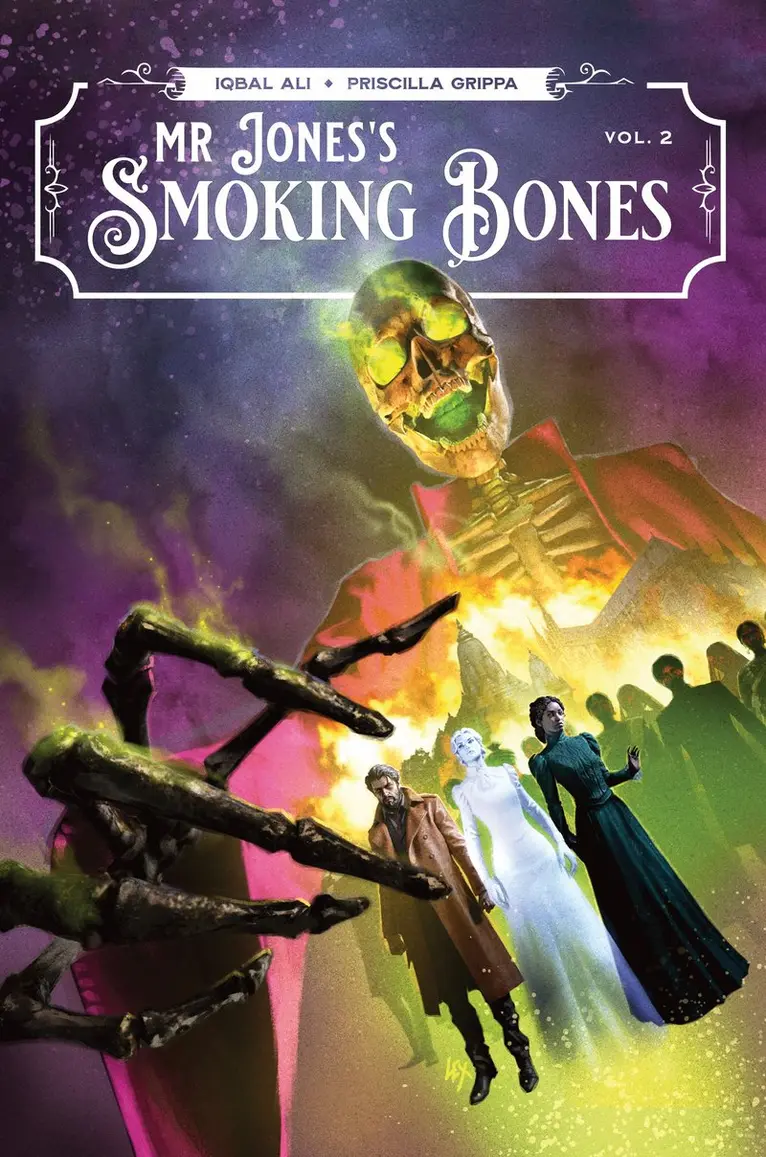
1867. The East India Company has fallen, and a smoking skeleton is killing ex-company members. A drug-addled Indian detective with a deep-rooted hatred of the British Empire is drawn into the investigation and enters a world of secret societies and the occult.
1867. The East India Company has fallen, and a smoking skeleton is killing ex-company members. A drug-addled Indian detective with a deep-rooted hatred of the British Empire is drawn into the investigation and enters a world of secret societies and the occult.
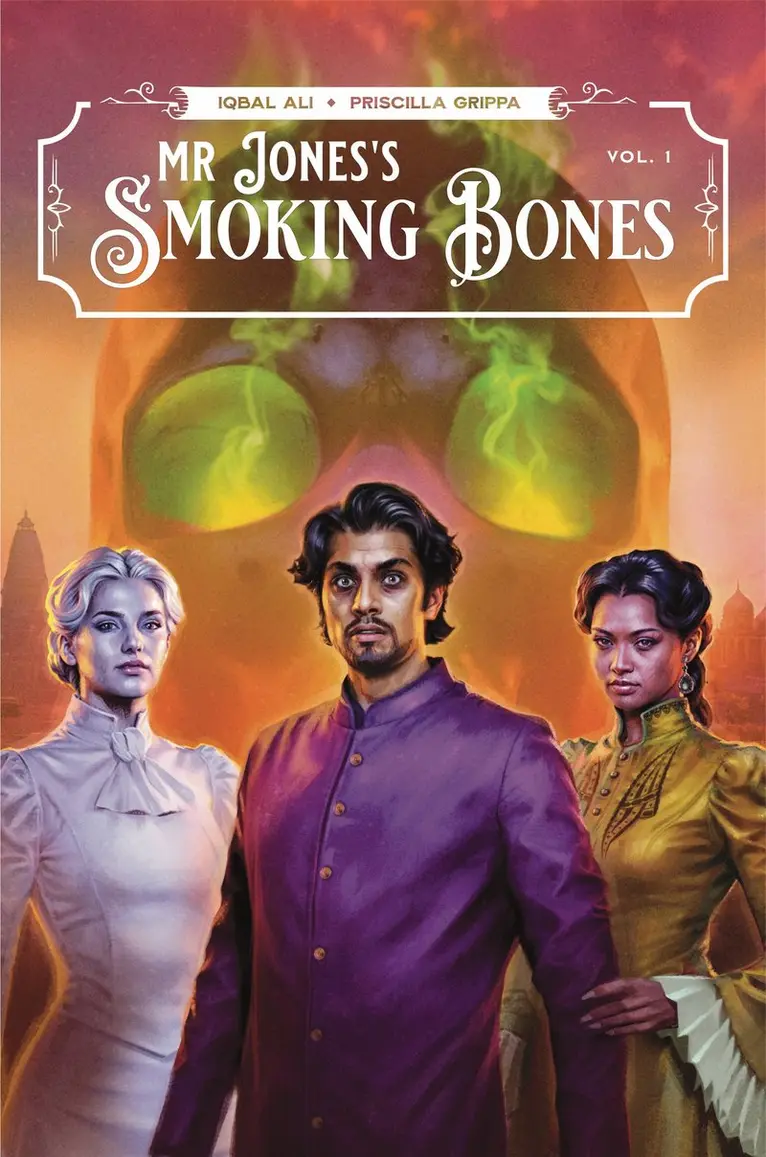
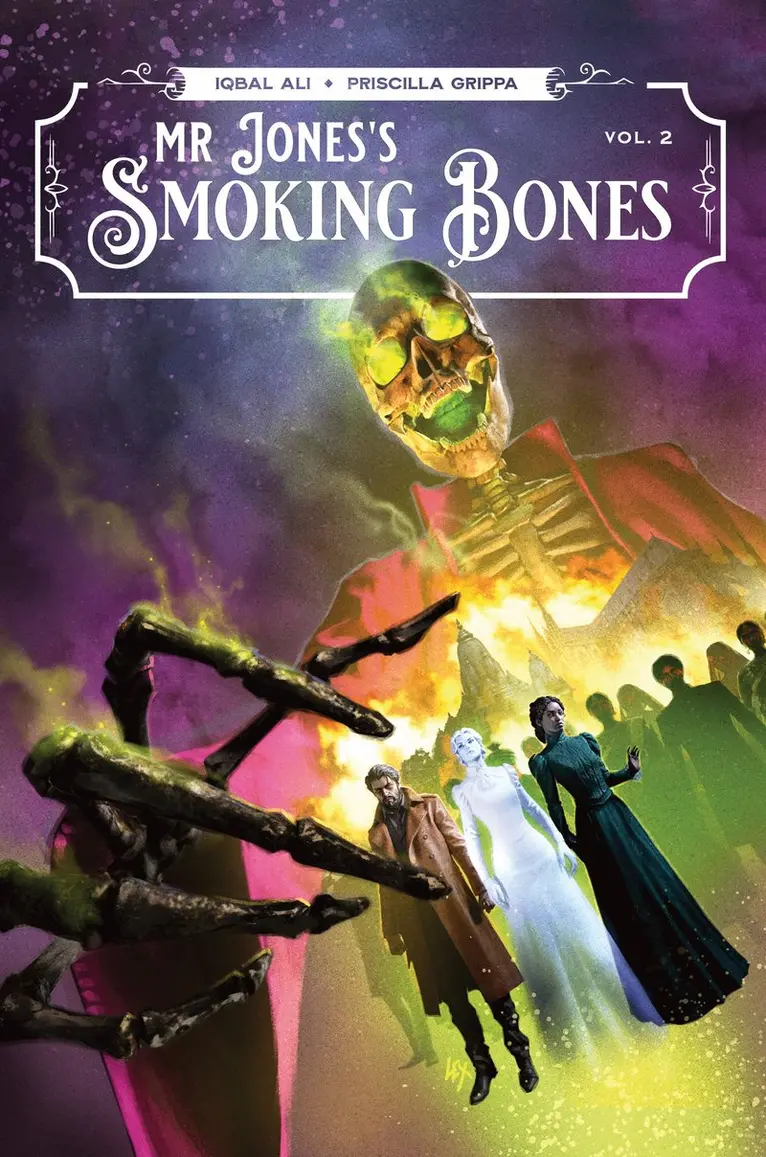
1867. The East India Company has fallen, and a smoking skeleton is killing ex-Company members. Hidden worlds become visible. Motivations are laid bare. And the investigation concludes as Barzakh, Fiona, and the ghost of Elisa Hughes realise their connection to a ritual that seems impossible to stop. And now the truth behind Mr Jones's Smoking Bones is about to be revealed.
1867. The East India Company has fallen, and a smoking skeleton is killing ex-Company members. Hidden worlds become visible. Motivations are laid bare. And the investigation concludes as Barzakh, Fiona, and the ghost of Elisa Hughes realise their connection to a ritual that seems impossible to stop. And now the truth behind Mr Jones's Smoking Bones is about to be revealed.
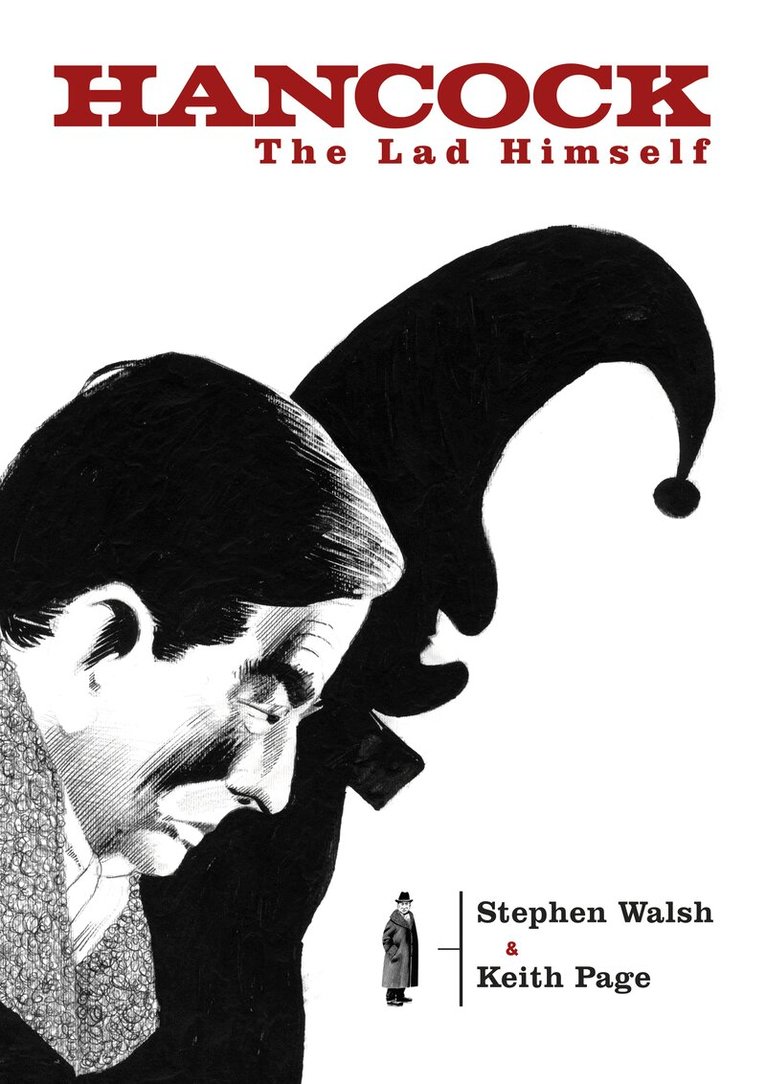
The story of the legendary comedian Tony Hancock in words, pictures, and not without a few interruptions from The Lad Himself, who proves a little infuriated at how his story is told... as those who know and love his work would fully expect!When he appeared on radio and television in the 1950s, Hancock immediately became an archetype and so he has remained. The writers Ray Galton and Alan Simpson basically invented the sitcom form for him, teasing out the threads of his personality and creating from them a universally recognisable figure: the ever-aspiring, grumpy, petty, frustrated everyman pitted against society, bureaucracy, jobsworth vindictiveness and whatever you're having yourself; the best and worst of all of us, down to his last shilling for the meter.WC Fields, Laurel and Hardy, Buster Keaton and Sid Field all came before him. Young Hancock was hugely influenced by them all, just as successive generations of comic actors (Cleese, Fry and Merton, to name a few) have been massively influenced by Hancock. The Office, Black Books, Peep Show and all the other great British sitcoms of the present day are variations on the Hancock template.The Lad Himself is the creation of writer Stephen Walsh and artist Keith Page, exploring the strange life of a much-admired comedian.