
Häftad, Engelska, 2025
368 kr
Skickas inom 3-6 vardagar
368 kr
Skickas inom 3-6 vardagar

526 kr
Skickas inom 11-20 vardagar
My Great Predecessors is rereleased in paperback and hardcover, enhanced in every way, with high-quality print, modern fonts and an upgraded visual style.
Part I covers the dawn of modern chess and the reigns of the first four World Champions: Wilhelm Steinitz (1886–1894), Emanuel Lasker (1894–1921), José Raúl Capablanca (1921–1927), and Alexander Alekhine (1927–1935 and 1937–1946).
Winner of the ECF Book of the Year 2003
332 kr
Skickas inom 11-20 vardagar

267 kr
Skickas
This book focuses on the set-up popularised by the sixth world champion, Mikhail Botvinnik, the so-called Botvinnik formation with 2 Nc3, 3 g3, 4 Bg2, 5 e4 and 6 Nge2.

421 kr
Skickas
Part I covers the dawn of modern chess and the reigns of the first four World Champions: Wilhelm Steinitz (1886–1894), Emanuel Lasker (1894–1921), José Raúl Capablanca (1921–1927), and Alexander Alekhine (1927–1935 and 1937–1946).

288 kr
Skickas
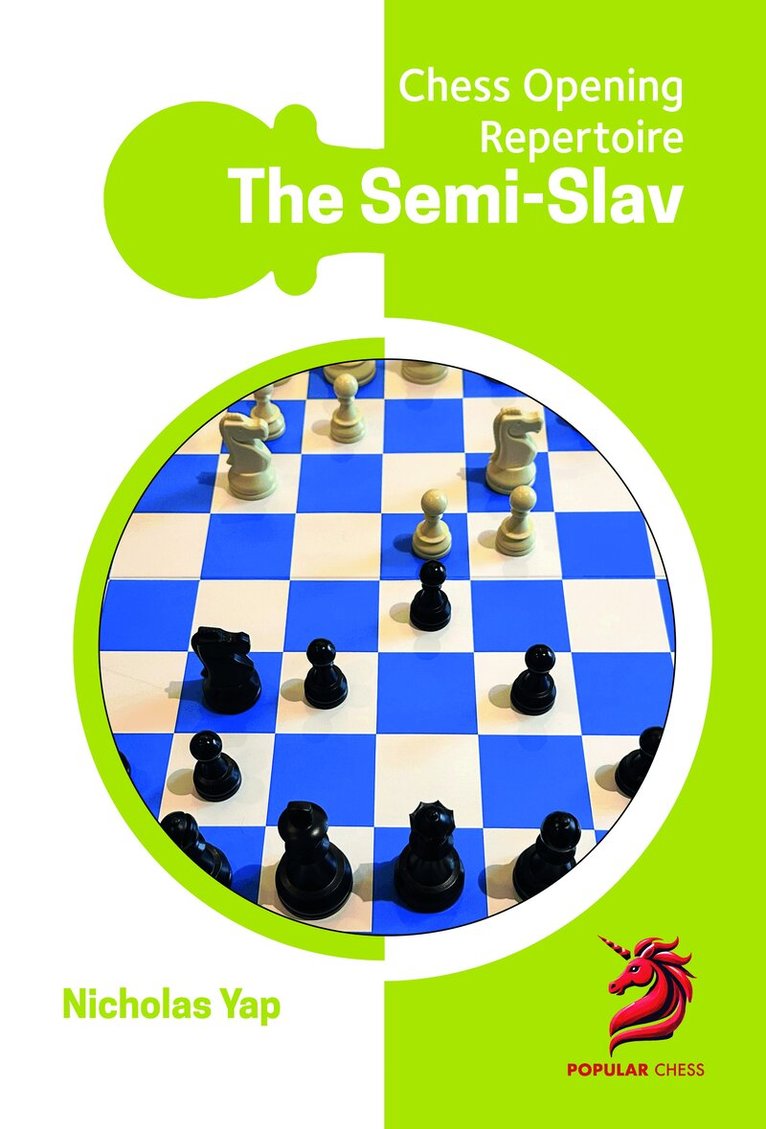
Play the Semi-Slav! (1 d4 d5 2 c4 e6 3 Nc3 Nf6 4 Nf3 c6). This line provides a great balance between solidity and dynamism.
415 kr
Skickas inom 3-6 vardagar
397 kr
Skickas inom 11-20 vardagar
397 kr
Skickas inom 11-20 vardagar
332 kr
Skickas inom 11-20 vardagar
267 kr
Skickas
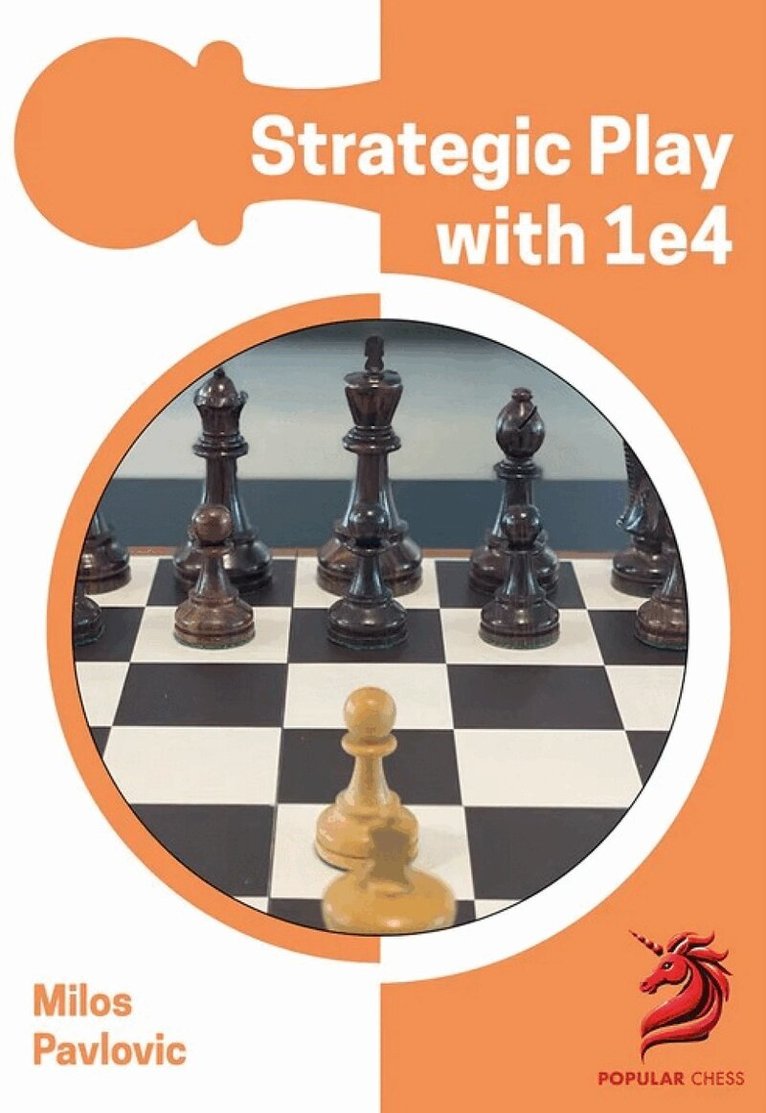
Many players approach the opening with a desire to learn sharp lines and out-prepare their opponents. This is an exhausting task, which gets more difficult by the day. However, there is a different strategy which is more practical and designed for longevity. This is to develop an advanced understanding of typical positions. Such a policy is the best approach against different move orders and new ideas.
Milos Pavlovic’s 1 e4 repertoire is based on lines where an understanding of plans and strategic ideas is more important than rote memorisation. The focus is on important positional considerations such as:
How to make the pieces work most effectively with a given pawn structureHow to spot weak points and exploit themHow to limit the opponent’s counterplayOpening Repertoire: Strategic Play with 1 e4 guides the reader through a complete repertoire for White. Pavlovic examines the key aspects of each line and provides the reader with well-researched and fresh analysis. Every annotated game is a lesson on typical middlegame plans, based on the instructive question-and-answer method.

267 kr
Skickas
Who is the greatest chess player of all time, the GOAT? Who is in the top ten? Let the debate ensue!
How do you measure greatness? Is Morphy "greater" than Carlsen? Can such judgements be made, and do they mean anything?
This fascinating topic is tackled head on in The Greatest by prolific chess author Cyrus Lakdawala. Avoiding presentism with carefully established criteria, Lakdawala considers "pure strength factors", such as dominance over peers, longevity, and tournament wins, as well as other categories such as: Who was most ahead of their time? Who advanced chess theory most?
All these factors are discussed at length alongside 80 fully annotated and instructive games from every era to back up the author’s arguments. A fascinating read on a fascinating topic.
267 kr
Skickas
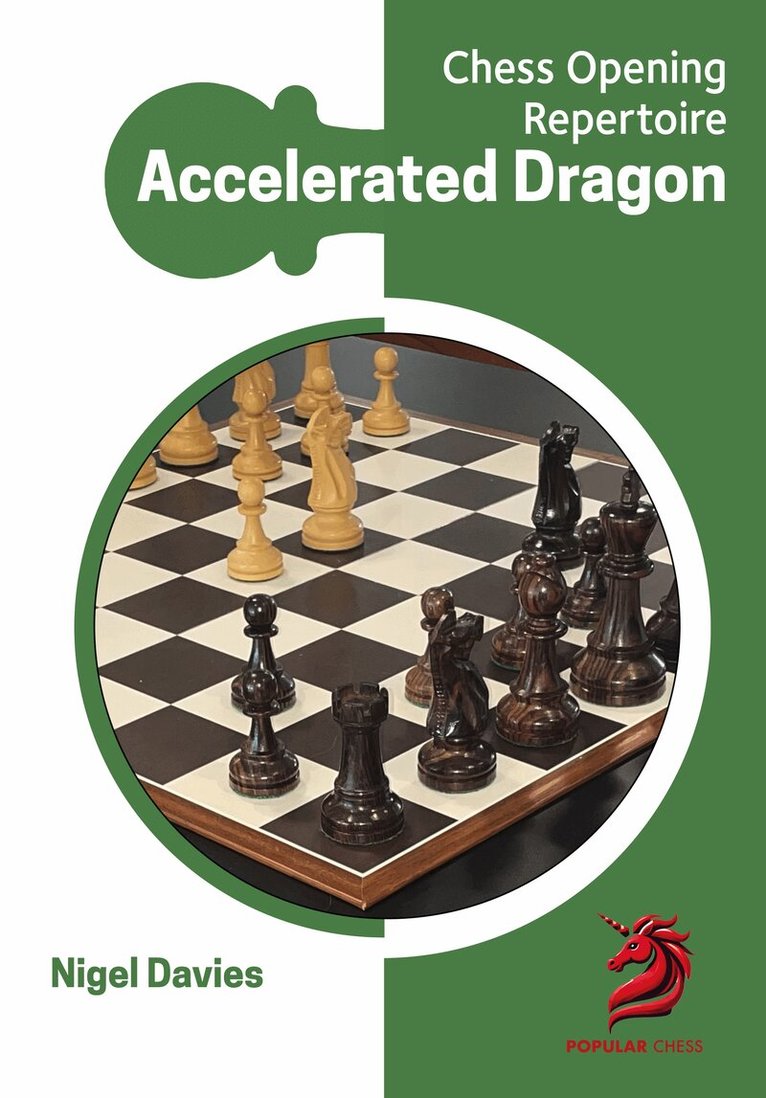
The Accelerated Dragon (1 e4 c5 2 Nf3 Nc6 3 d4 cxd4 4 Nxd4 g6) has attracted the attention of many creative players.
267 kr
Skickas
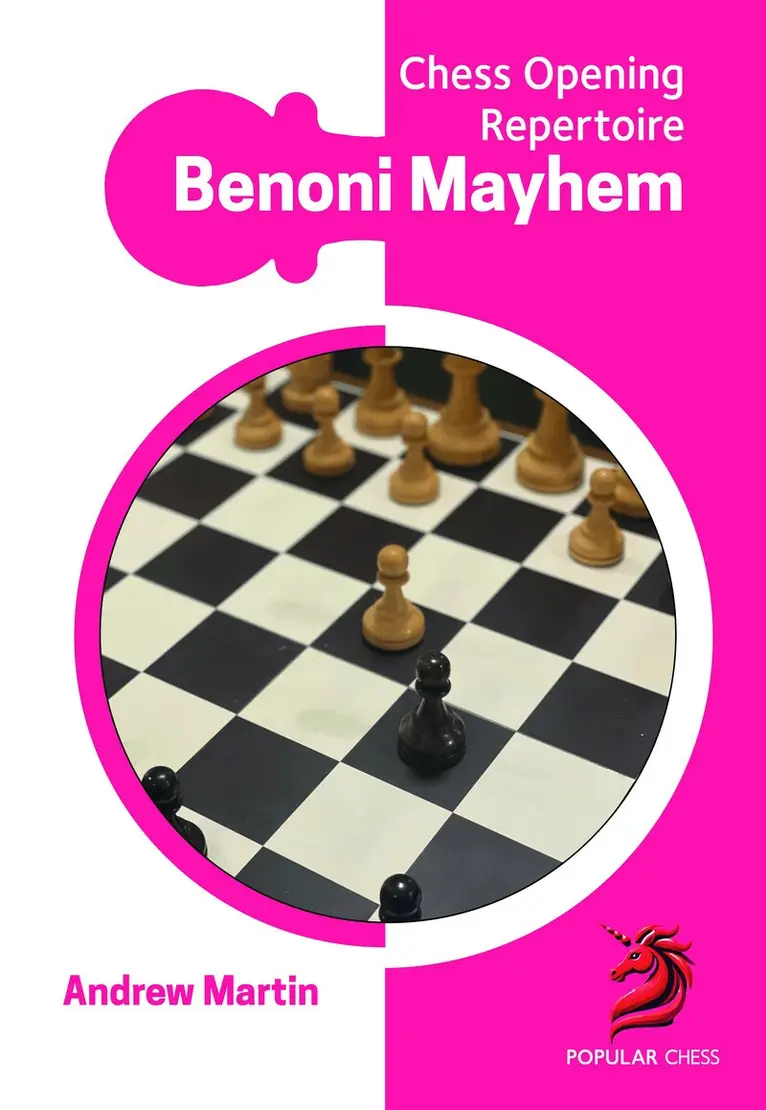
Set White difficult problems to solve at the board
One of the sharpest lines to meet 1 d4 is the Modern Benoni (1 d4 Nf6 2 c4 c5 3 d5 e6 4 Nc3 exd5 5 cxd5 d6). The hallmark of this opening is that Black makes the positional concession of allowing White a central majority and in return hopes for counterchances via active piece play. However, there are many other weird and wonderful ways to handle these "Benoni structures" as the very experienced chess coach and author Andrew Martin demonstrates in this highly engaging book.
Martin introduces the reader to (amongst others) the Vulture (1 d4 Nf6 2 c4 c5 3 d5 Ne4), the Clarendon Court (1 d4 c5 2 d5 f5) and the Snake Benoni (1 d4 Nf6 2 c4 c5 3 d5 e6 4 Nc3 exd5 5 cxd5 Bd6!?). All of these are outlandish tries but nevertheless set White difficult problems to solve at the board.
In other systems Black plays "Nimzo-style" and jettisons the dark-squared bishop in order to inflict weaknesses on the white pawn structure. One typical line is 1 d4 g6 2 c4 Bg7 3 Nc3 c5 4 d5 and now 4 ... Bxc3+!? 5 bxc3. This is a line favoured by elite grandmaster Hikaru Nakamura who has used it frequently in blitz and rapid chess. An advantage of playing this way is that it will usually take well booked up White players outside their comfort zone and force them onto their own resources.
If you want to inject a big dose of dynamism into your play with Black, the create some mayhem in the Benoni.
267 kr
Skickas
Dan Heisman has been teaching chess for over 50 years and has been doing so full-time since 1996. He therefore knows very well what kind of advice actually helps players improve. This book is a distillation of that advice.
The book is based around his X (twitter) column "Chess tip of the day" which has been running since 2009 and features over 4,000 tips. The most useful advice has been distilled into 164 tips that contain additional helpful material, including illustrative stories and many diagrams with instructive play.
These tips represent ways to highlight and address the most common problems experienced by chess enthusiasts of all levels. They also suggest ways to mitigate or even avoid these these problems entirely and by doing so improve their chess play and learn to study more effectively. The tips lean towards general improvement rather than focusing on specific positions.
The topics addressed include: general improvement, thought processes, psychology, tactics, safety, positional concepts, strategy, openings and endgames.
368 kr
Skickas inom 3-6 vardagar
267 kr
Skickas
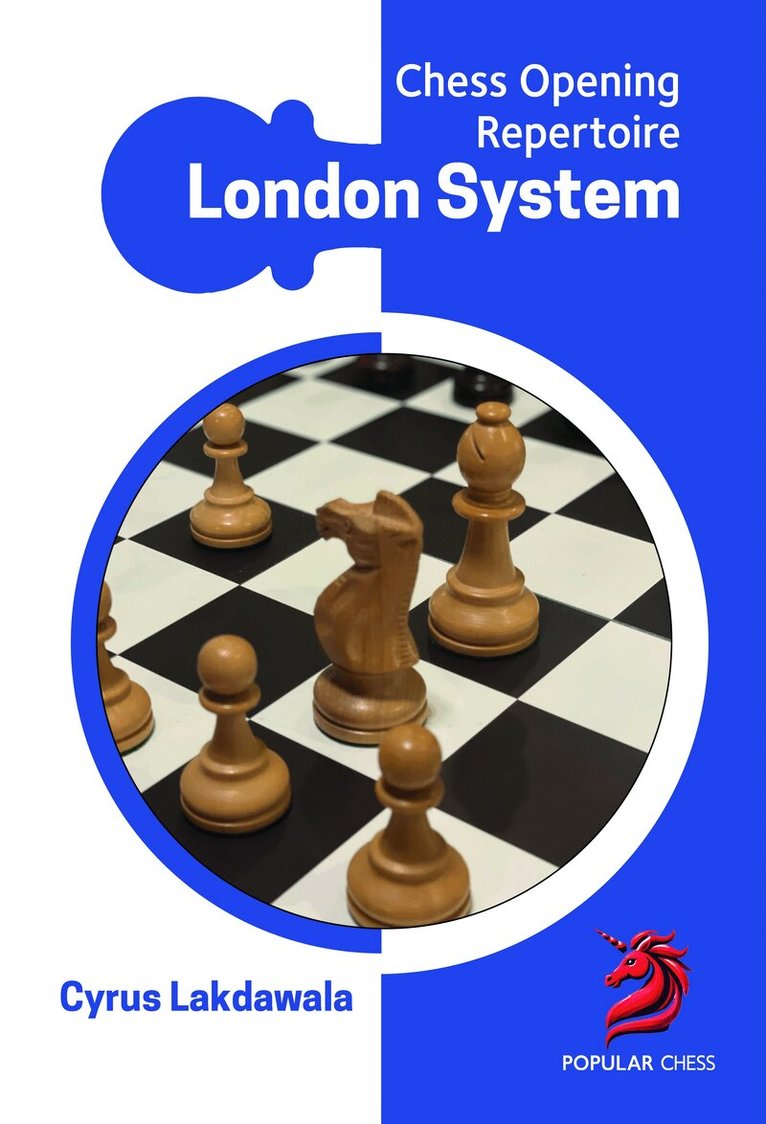
Chess theory ebbs and flows. Lines that have been discarded for decades suddenly become all the rage and everyone starts playing them. A case in point are queenside openings where White plays Bf4. For years these had been the chess equivalent of flared trousers but in recent times they have been reinvented and even the best players in the world are now sporting them.
The London System (1 d4 Nf6 2 Nf3 followed by 3 Bf4) is at the forefront of this renaissance. Formerly regarded as a quiet backwater, useful only to avoid theory, it is now a hot topic. A big advantage of playing the London is that (unlike other lines these days) it is highly unlikely you will get caught out in the opening. White’s position is very solid and the early play revolves far more around plans and concepts than having to defuse engine-inspired bombs that have been lobbed into your position.
In this book Cyrus Lakdawala carves out a complete repertoire for White in the London and familiarises the reader with all the latest concepts.
A complete repertoire for White, playable against any Black systemIf Black does not react well, White can often whip up a vicious attackThe question-and-answer method continually tests the reader's understanding
332 kr
Skickas
The English chess explosion of the 1970s lit the fuse for a golden era in the 1980s, when a wave of brilliant British players rose to the very top of world chess. England became a major force in international competition, producing players who could stand head-to-head with the traditional superpowers of the game. The movement culminated in Nigel Short’s World Championship challenge in 1993 — but its true legacy lay in the astonishing creativity of its leading lights.
This book celebrates the play and influence of Tony Miles, John Nunn, Jon Speelman, Nigel Short, Michael Adams and Matthew Sadler, all of whom achieved world class status. Although all of them had a very clear understanding of the principles of classical chess they all very much ploughed their own creative furrows. Their extraordinary creativity created immense practical problems for even the strongest opponents and gave rise to some of the most memorable games of the modern era. As well as featuring numerous amazing games, this book will demonstrate how you can harness some of this creativity and introduce it into your own play.
321 kr
Skickas inom 3-6 vardagar
396 kr
Skickas inom 3-6 vardagar

322 kr
Skickas
Who is the greatest chess player of all time, the GOAT? Who is in the top ten? Let the debate ensue!
How do you measure greatness? Is Morphy "greater" than Carlsen? Can such judgements be made, and do they mean anything?
This fascinating topic is tackled head on in The Greatest by prolific chess author Cyrus Lakdawala. Avoiding presentism with carefully established criteria, Lakdawala considers "pure strength factors", such as dominance over peers, longevity, and tournament wins, as well as other categories such as: Who was most ahead of their time? Who advanced chess theory most?
All these factors are discussed at length alongside 80 fully annotated and instructive games from every era to back up the author’s arguments. A fascinating read on a fascinating topic.
368 kr
Skickas inom 3-6 vardagar
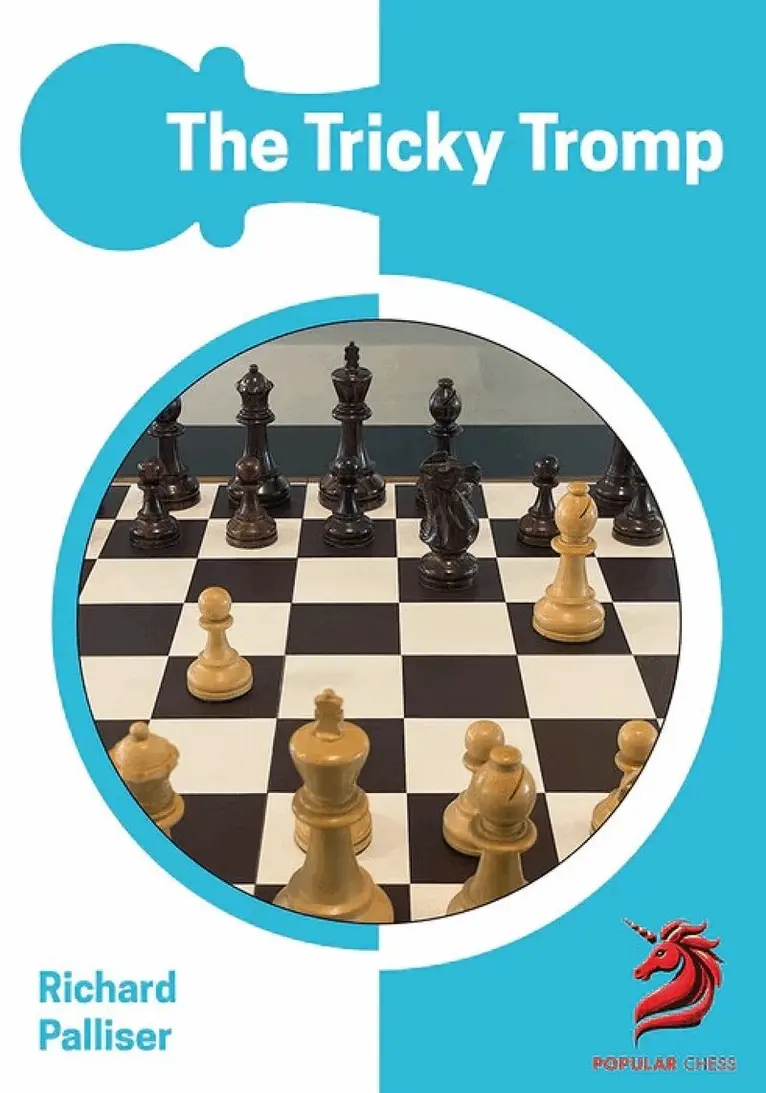
IM Richard Palliser outlines a combative Trompowsky (1. d4 Nf6 2. Bg5) repertoire for White. The lines analysed deal with all of Black’s common responses.
A perennial favourite of creative players, the ‘Tromp’ sets Black complex problems from the very beginning. It has been played by Anand in a World Championship match and used as a surprise weapon by Carlsen, Nakamura, Erigaisi, Praggnanandhaa and many other top players. While offbeat, the Trompowsky is difficult to face.
One colourful variation outlined within is the audacious 1. d4 Nf6 2. Bg5 Ne4 3. h4!? – a favourite of ‘Mr Trompowsky’, the four-time British Champion, Julian Hodgson. Leading to unusual and rich middlegame play, this variation maintains its venom in 2024.
397 kr
Skickas inom 11-20 vardagar
332 kr
Skickas
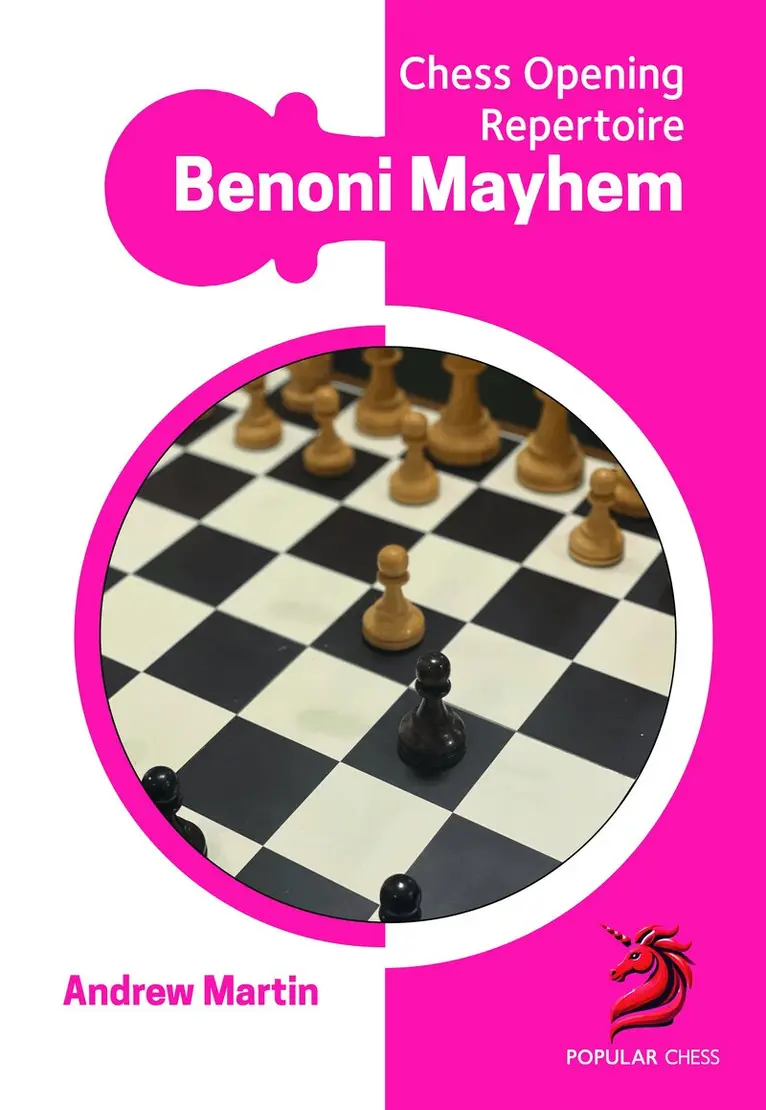
Set White difficult problems to solve at the board
One of the sharpest lines to meet 1 d4 is the Modern Benoni (1 d4 Nf6 2 c4 c5 3 d5 e6 4 Nc3 exd5 5 cxd5 d6). The hallmark of this opening is that Black makes the positional concession of allowing White a central majority and in return hopes for counterchances via active piece play. However, there are many other weird and wonderful ways to handle these "Benoni structures" as the very experienced chess coach and author Andrew Martin demonstrates in this highly engaging book.
Martin introduces the reader to (amongst others) the Vulture (1 d4 Nf6 2 c4 c5 3 d5 Ne4), the Clarendon Court (1 d4 c5 2 d5 f5) and the Snake Benoni (1 d4 Nf6 2 c4 c5 3 d5 e6 4 Nc3 exd5 5 cxd5 Bd6!?). All of these are outlandish tries but nevertheless set White difficult problems to solve at the board.
In other systems Black plays "Nimzo-style" and jettisons the dark-squared bishop in order to inflict weaknesses on the white pawn structure. One typical line is 1 d4 g6 2 c4 Bg7 3 Nc3 c5 4 d5 and now 4 ... Bxc3+!? 5 bxc3. This is a line favoured by elite grandmaster Hikaru Nakamura who has used it frequently in blitz and rapid chess. An advantage of playing this way is that it will usually take well booked up White players outside their comfort zone and force them onto their own resources.
If you want to inject a big dose of dynamism into your play with Black, the create some mayhem in the Benoni.
332 kr
Skickas
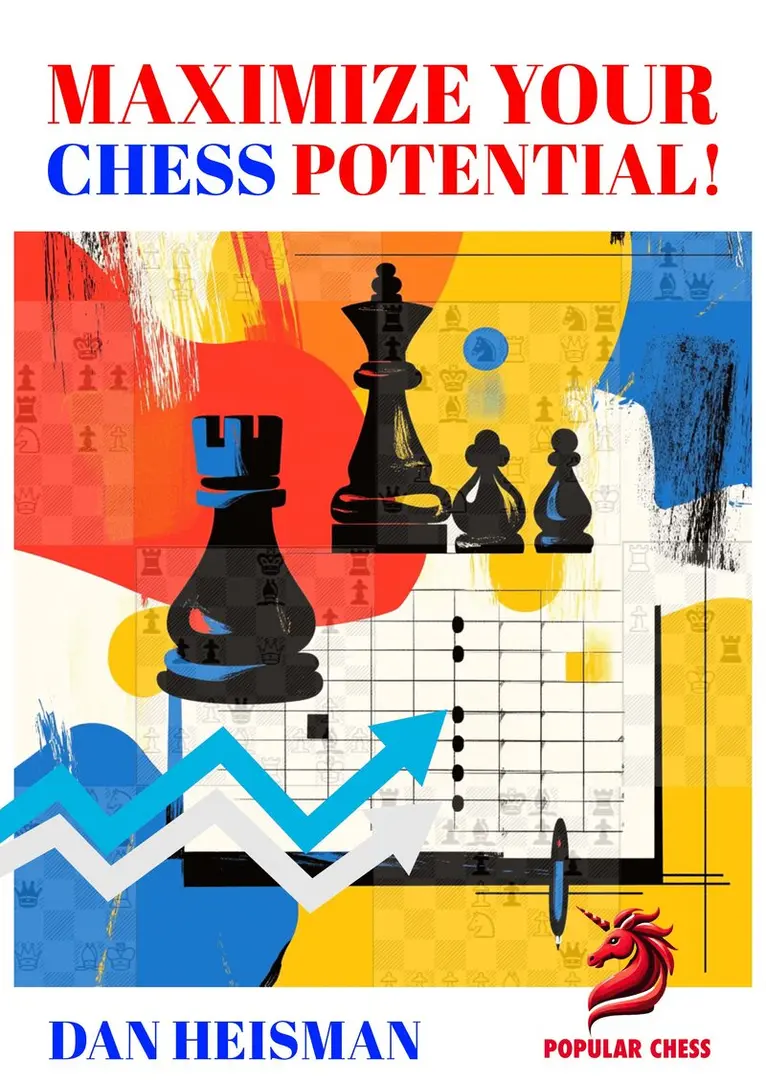
Dan Heisman has been teaching chess for over 50 years and has been doing so full-time since 1996. He therefore knows very well what kind of advice actually helps players improve. This book is a distillation of that advice.
The book is based around his X (twitter) column "Chess tip of the day" which has been running since 2009 and features over 4,000 tips. The most useful advice has been distilled into 164 tips that contain additional helpful material, including illustrative stories and many diagrams with instructive play.
These tips represent ways to highlight and address the most common problems experienced by chess enthusiasts of all levels. They also suggest ways to mitigate or even avoid these these problems entirely and by doing so improve their chess play and learn to study more effectively. The tips lean towards general improvement rather than focusing on specific positions.
The topics addressed include: general improvement, thought processes, psychology, tactics, safety, positional concepts, strategy, openings and endgames.
425 kr
Skickas inom 3-6 vardagar
322 kr
Skickas
A big advantage of playing the London is that (unlike other lines these days) it is highly unlikely you will get caught out in the opening.
444 kr
Skickas inom 3-6 vardagar
The English chess explosion of the 1970s lit the fuse for a golden era in the 1980s, when a wave of brilliant British players rose to the very top of world chess. England became a major force in international competition, producing players who could stand head-to-head with the traditional superpowers of the game. The movement culminated in Nigel Short’s World Championship challenge in 1993 — but its true legacy lay in the astonishing creativity of its leading lights.
This book celebrates the play and influence of Tony Miles, John Nunn, Jon Speelman, Nigel Short, Michael Adams and Matthew Sadler, all of whom achieved world class status. Although all of them had a very clear understanding of the principles of classical chess they all very much ploughed their own creative furrows. Their extraordinary creativity created immense practical problems for even the strongest opponents and gave rise to some of the most memorable games of the modern era. As well as featuring numerous amazing games, this book will demonstrate how you can harness some of this creativity and introduce it into your own play.
397 kr
Skickas inom 11-20 vardagar
332 kr
Skickas
Grandmaster Simon Williams was taught the English Opening at the age of six and 1 c4 was his weapon of choice until long after he became an International Master. For this new work, he teamed up with acclaimed theoretician International Master Richard Palliser to explore his old favourite.
1 c4 remains an excellent choice for the club and tournament player. This book focuses on the set-up popularised by the sixth world champion, Mikhail Botvinnik, the so-called Botvinnik formation with 2 Nc3, 3 g3, 4 Bg2, 5 e4 and 6 Nge2. This system is compact but still aggressive and rewards an understanding of plans and strategies rather than rote memorisation of moves.
In Opening Repertoire: The Iron English leading chess authors Simon Williams and Richard Palliser guide the reader through the complexities of this dynamic variation and carves out a repertoire for White. They examine all aspects of this highly complex opening and provide the reader with well-researched, fresh, and innovative analysis. Each annotated game has valuable lessons on how to play the opening and contains instructive commentary on typical middlegame plans.