In When Grandma Burnt Her Bra, author Samantha Tidy and illustrator Aśka depict the world as seen by a child whose own grandma, a loud and proud feminist, was part of the revolution that now benefits us all. Readers of all types will enjoy this humorous story that plays on how children hear stories and reproduce them in their minds. The narrative uses dinosaurs slowly invading the backyard (and the story itself) to convey the shift across time in the fight for women’s equality and rights — taking the story all the way back to a time when people lived in caves and stone-age attitudes dominated. This unashamedly feminist text uses humour, history, the childhood perception of age, underwear and the unexpected appearance of dinosaurs to broach a tricky subject without casting blame. The book communicates that across history, both men and women (as depicted in the illustrations) have broken down barriers that women should no longer need to face. It conveys carefully and quirkily the complex message that things were not always equal — and that they are not yet equal –—but the continued fight for equality lies with each new generation. The call to action is to carry the flame forward.W
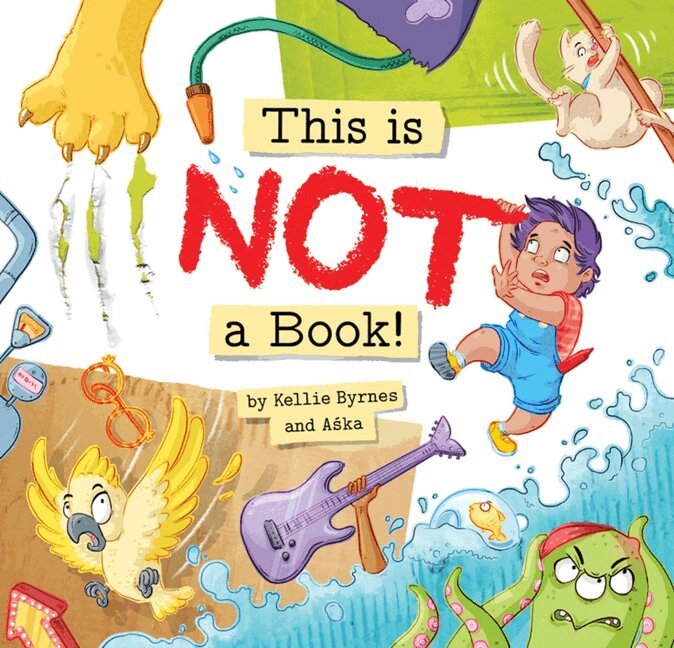
In this fun-filled, action-packed picture book, our main character is quite convinced they’re not in a book. After all, if this was a book, there’d be pages to turn … Oops! We’ve just turned the page.But that’s not conclusive proof this is a book. If it was a book, there’d be interesting settings and problems to solve. Hold on! Why is our lead character being chased by a lion? Why are pirates stealing treasure? And are those mermaids playing in a rock band?This is NOT a Book! is the perfect introduction for kids to how a book is structured and how to tell a good story. It’s metafiction made fun!
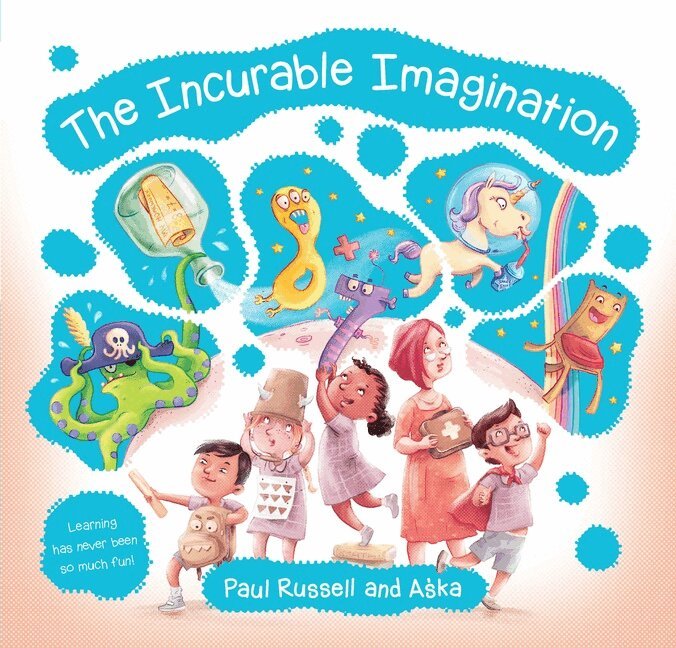
Audrey has the worst case of 'imaginitis' her teachers have ever seen! While other children paint their families, Audrey paints the ogre who lives under her bed drinking tea. Instead of singing about a black sheep, she writes her own song about a desk with legs that runs away. Her alphabet turns into soup. It's clear that her 'imaginitis' is incurable. What's worse, her condition is contagious and soon the other kids in her class start showing symptoms of an equally incurable imagination! As 'imaginitis' spreads, the teachers are horrified and the parents begin to protest too. But perhaps imagination isn't such a bad disease after all? It might even be useful if it makes learning more fun.