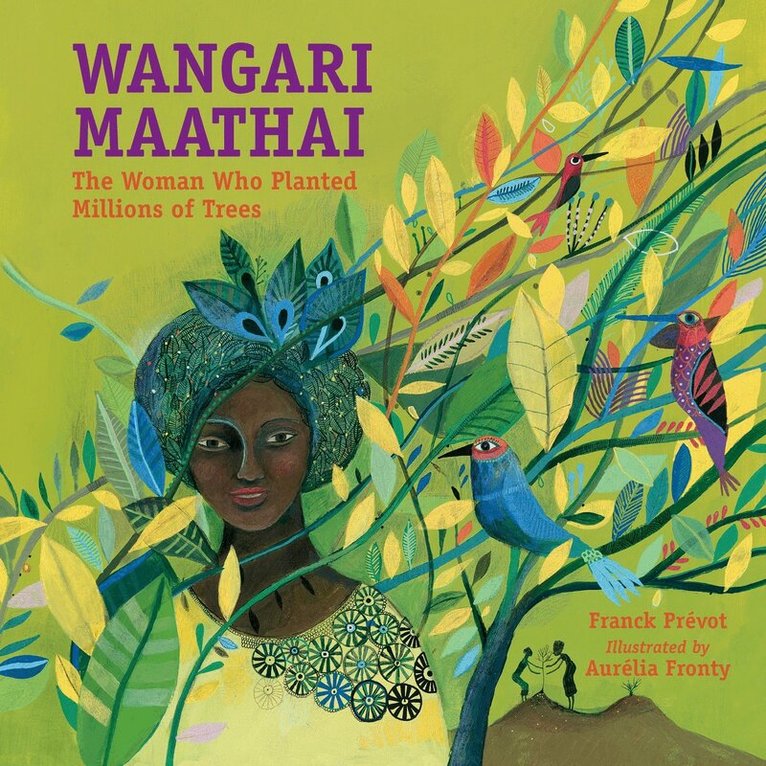
“Trees are living symbols of peace and hope.” –Wangari Maathai, Nobel Peace laureateWangari Maathai changed the way the world thinks about nature, ecology, freedom, and democracy, inspiring radical efforts that continue to this day.This simply told story begins with Green Belt Movement founder Wangari Maathai’s childhood at the foot of Mount Kenya where, as the oldest child in her family, her responsibility was to stay home and help her mother. When the chance to go to school presented itself, she seized it with both hands. She traveled to the US to study, where she saw that even in the land of the free, black people were not welcome.Returning home, Wangari was determined to help her people and her country. She recognized that deforestation and urbanization was at the root of her country’s troubles. Her courage and confidence carried her through adversity to found a movement for peace, reconciliation, and healing. Aurélia Fronty’s beautiful illustrations show readers the color and diversity of Wangari’s Africa—the green trees and the flowering trees full of birds, monkeys, and other animals; the roots that dig deep into the earth; and the people who work and live on the land.
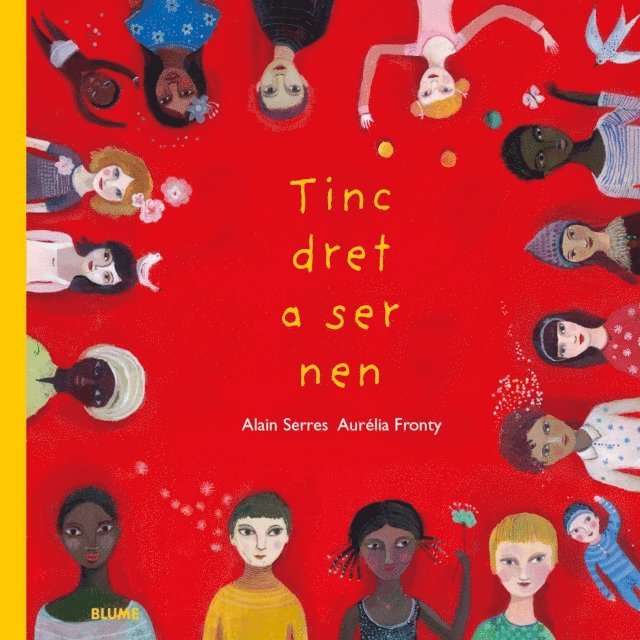
Coneix, aprèn i comprèn els drets dels infants a través de la veu de nens de tot el món i de tot tipus de condició gràcies a artístiques il·lustracions i a un text amb un marcat caràcter poètic. Una obra que celebra el 20è aniversari de la Convenció sobre els Drets de l''Infant, tractat signat el 20 de novembre de 1989.
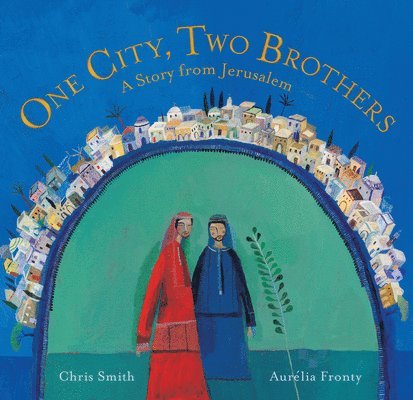
This ancient tale about brotherly love could not be more timely. Told for centuries by Jewish, Christian and Muslim people, its theme of peaceable sharing and goodwill is relevant to adults and children alike.
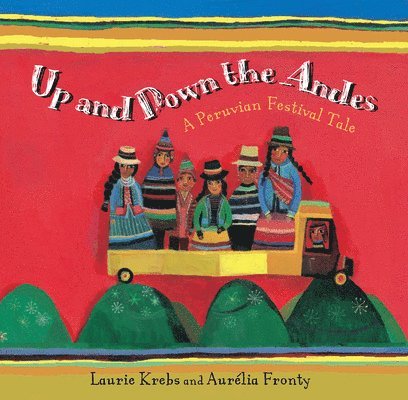
This rhyming text takes readers from Lake Titicaca all the way to the city of Cusco for the highly popular Inti Raymi festival, celebrated in June each year. Children from many areas of southern Pere are traveling to thefestival, each using a different mode of transportation.