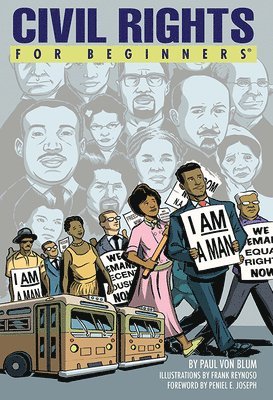
A large swath of literature on the civil rights movement exists in the United States. Much of that literature focuses on the dramatic events of the African American resistance to Jim Crow and oppression from the mid 1950s to the early 1970s. Frequently, this material is scholarly and, at best, only marginally accessible to the general public. Moreover, many of the books on the modern civil rights movement focus exclusively on a narrow historical time frame and often on widely recognised public figures like Rosa Parks and Dr. Martin Luther King. CIVIL RIGHTS FOR BEGINNERS fills a major gap by placing the modern civil rights movement into a broader historical perspective. It, also, discusses the civil rights and liberation movements from the 60s to the present that the African American freedom struggles helped to catalyse including, the Chicano Movement, the American Indian Movement, the Asian American Movement, the Women's Movement and the Gay Liberation Movement. Unlike most civil rights books, CIVIL RIGHTS FOR BEGINNERS focuses less on major leaders and more on the ordinary African Americans who provided the backbone of the successful protests and demonstrations. Moreover, it deals with the expressive culture of the movement, surveying key developments in literature, music, visual art and film, all of which served as integral features of the movement and contributing to its enduring legacy.
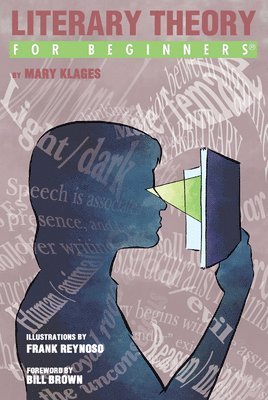
Have you heard the terms 'structuralism' and 'deconstruction' and 'postmodernism' but aren't really sure what they mean? Have you taken a whole course on literary criticism, but are still feeling lost? Here's the book you need to sort it all out - and enjoy doing so!In LITERARY THEORY FOR BEGINNERS, Mary Klages takes you into her classroom, cuts through the jargon and explains the ABCs (and the DEFs as well) in terms you can get your head around. Her breadth of knowledge, her unique skills as a teacher and the delightful illustrations of Frank Reynoso help us understand why literature matters, how it affects us and how it reflects history, culture and diversity. Here are ways of thinking about literature - not just reading it - methods of study and frameworks of interpretation from classical humanism all the way up to psychoanalysis, gender and queer theory, race, post-colonialism and, yes, postmodernism.With wit and wisdom, Klages takes on the two most frequently asked questions about literature and makes it all fun: ·What does the work MEAN? (What is the deeper, hidden or symbolic meaning? Did the author intend all these meanings? Are any and all meanings present in the text? Are all meanings equally valid?) ·What does the work DO? (Why is literature important? What effect does it have on the reader? How can literature be a force for social change?)So sit back, relax and take it all in!