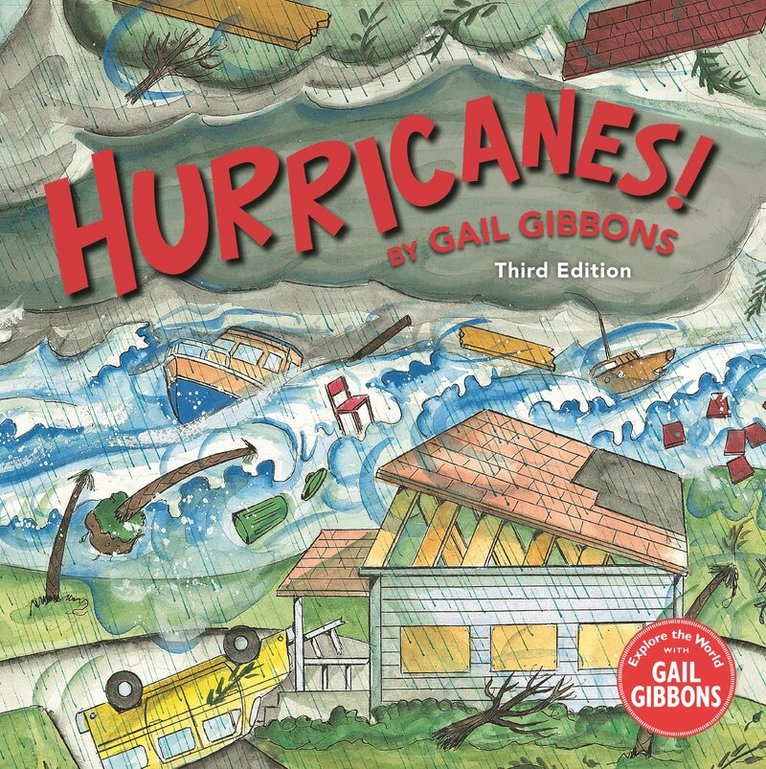
What in the world is a hurricane? In this age of extreme weather, this newly updated third edition of Gail Gibbons' informative introduction to hurricanes, with safety tips included, answers that question.Imagine a force that can toss boats around like toys, wash away bridges, create waves as high as eighteen feet, and change the shape of a shoreline. With fierce winds and torrential rains, hurricanes can do all of these things.In this newly revised edition, vetted by weather experts, Gail Gibbons introduces readers to the concepts of hurricane formation, classification, weather preparedness, and the ever-evolving technology that helps us try to predict the behavior of these powerful storms.Extensive updates include refined definitions for hurricane-related vocabulary, updated information about the wind speeds that define hurricane categories, information on emergency preparedness, and more. As these weather disturbances become more frequent and more powerful, Hurricanes is the perfect introduction for children to this important and timely topic.With her signature clear, colorful paintings and well-labeled diagrams, Gail Gibbons' nonfiction titles have been called "staples of any collection" (Kirkus Reviews) and offer clear, accessible introductions to complex topics for young readers beginning to explore the world.
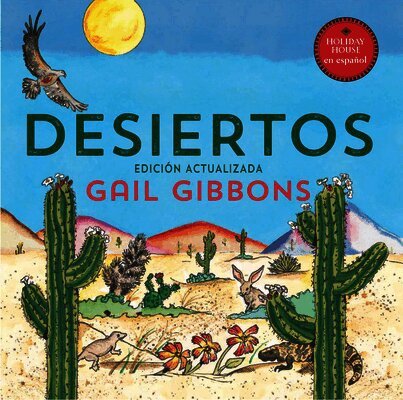
In this Spanish translation of the new and updated English language edition, learn everything you need to know about one of the toughest environments on Earth, from #1 science writer for kids Gail Gibbons.Deserts cover about one-fifth of the land on Earth and receive very little rain. However, these hot, sandy, and rocky landscapes are filled with the most unique and adaptable plants and animals. Discover everything about this mysterious and beautiful biome in this Spanish language introduction to one of Earth's most challenging habitats.Learn about the different types of terrain found in deserts from dunes to mesas. Discover how succulents and other plants survive such a dry, hot climate. Meet the birds, critters, and creepy crawlies that call the desert home. Clearly labeled watercolor illustrations introduce young readers to dozens of desert dwellers from the western diamondback rattlesnake to the road runner to the camel.Gail Gibbons is the author of more than 120 acclaimed books for young readers, including the bestselling titles From Seed to Plant and Monarch Butterflies. Spanish translations of her extensive backlist have received critical acclaim, with School Library Journal noting that "educators everywhere are rejoicing because Gibbons's science-themed picture books are being translated into Spanish."