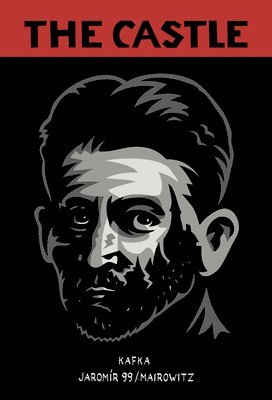
The protagonist, known only as K., arrives in a mountain village buried under deep snows in the middle of winter, with the looming, titular, castle above it shrouded in mist. Attempting to gain contact with the inhabitants of the castle, the officials who run the bureacracy that governs the village, K. repeatedly finds himself misunderstanding and transgressing the multitude of confusing and contradictory rules and regulations that dictate the daily life of the villagers. Kafka’s atmospheric and brooding tale of extreme bureaucracy explores themes of solitude, isolation, loss and companionship.
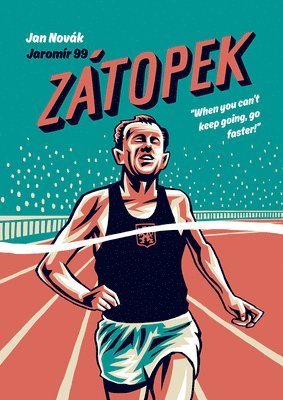
Emil Zátopek is arguably the greatest Olympic champion of all time. The Czech runner’s three gold medals at the 1952 Helsinki Summer Olympics, for the 5,000 meter, 10,000 meter, and marathon is an achievement that has never been matched. His success as a runner made him a national hero, but as a public figure, outspoken and unafraid to take a stand, he was equally impressive. Even before the Helsinki Games, Zátopek had scored a remarkable victory, successfully pressuring the Communist regime to allow his colleague Stanislav Jungwirth, who until then had been excluded on political grounds, to compete. In Zátopek, Jan Novák and Jaromír 99 trace the extraordinary life and times of the great Olympian, from his first meeting with Dana, the love of his life, to the victories that would ensure his lasting legacy.