Can anyone predict the future? Meet twelve mind-boggling personalities who seemed to know how. Among them are: The ancient Maya, who invented a remarkably accurate calendar that gave a date for the end of the world: December 21, 2012. Leonardo da Vinci, the great artist, who drew detailed sketches of tanks, machine guns, and helicopters...four centuries before they were invented. Nostradumus, the sixteenth-century French doctor whose amazing predictions included the rise of Adolf Hitler. Jeane Dixon, a wealthy socialite who, on November 22, 1963, looked into her lunch of eggs florentine and announced, "Something dreadful is going to happen to the president today." Did they always get it right? How did they know? Were they psychic? Or did they simply combine knowledge, sensitivity, inspiration, and some good old-fashioned luck to see into the unknown? Kathleen Krull and Kyrsten Brooker's entertaining and enlightening book may just hold the answers to these and other fascinating questions.
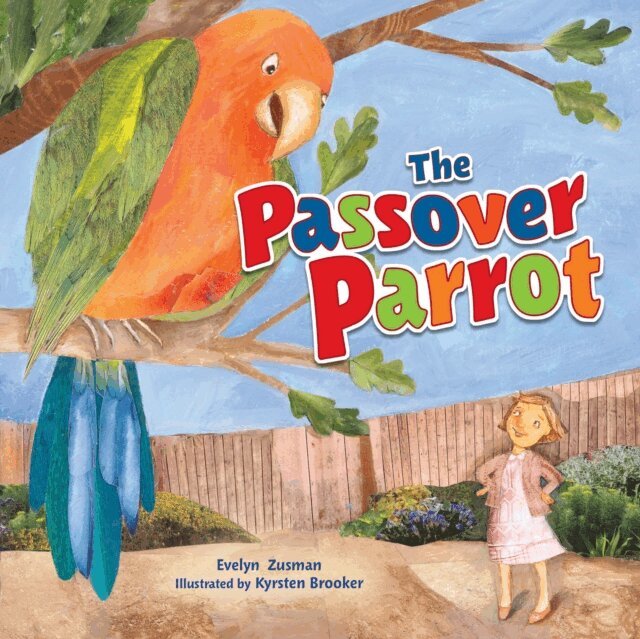
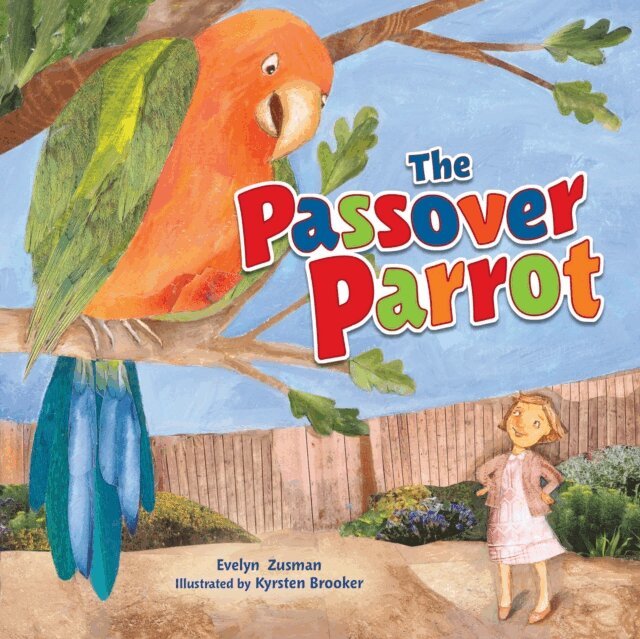
It''s Lily''s turn to say the Four Questions at the Passover Seder, but nobody will help her practice. Things change with the arrival of Hametz the Parrot. Clever Hametz not only helps Lily but solves the puzzle of who stole the afikomen! Back by popular demand, the newly illustrated The Passover Parrot will delight a new generation of children.
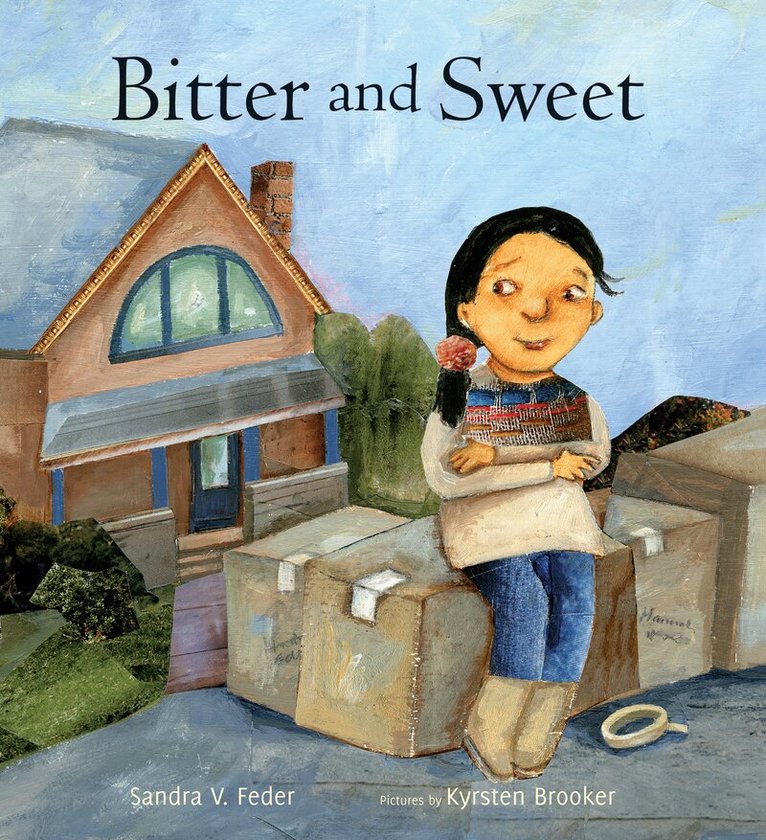
For Hannah, moving to a new city feels bitter, but can she find the sweetness, too?When Hannah’s family has to move, her grandmother tells her how she felt leaving the old country — it was both bitter and sweet. As Hannah leaves her friends behind and tries to get used to a new house, she only feels bitterness. Was her grandmother wrong about the sweetness?Hannah starts to feel better about the move when she sees her new house in the soft light of the Shabbat candles. When a new friend reaches out with a special gift, Hannah realizes that sweetness can come from unexpected places and that she can even create some herself.Featuring art by acclaimed illustrator Kyrsten Brooker, this story subtly conveys a universal message — while life can be full of challenging moments, sweeter ones can be found and created. An author’s note is included on the concept of bitter and sweet in Jewish culture.Key Text Featuresauthor’s noteCorrelates to the Common Core State Standards in English Language Arts:CCSS.ELA-LITERACY.RL.K.3With prompting and support, identify characters, settings, and major events in a story.CCSS.ELA-LITERACY.RL.1.2Retell stories, including key details, and demonstrate understanding of their central message or lesson.CCSS.ELA-LITERACY.RL.2.3Describe how characters in a story respond to major events and challenges.