Inbunden, Engelska, 2025
569 kr
Skickas inom 3-6 vardagar
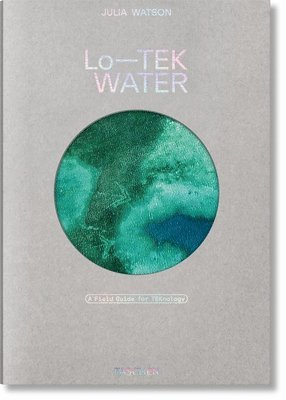
Plunge into the ancestral water wisdom that could reshape all our futures. This spell-binding book reveals how Indigenous innovations—like floating farms, tidal fish traps, and aquifer recharge systems—have sustained civilizations for millennia by working with nature, not against it. Far from relics, these systems offer dynamic, adaptable solutions for the climate crisis of today.Structured to bridge past and future, the author Julia Watson dissolves the divide between technology and ecology, between ancestral wisdom and digital innovation. The TEKnological Renaissance it celebrates redefines water as an intelligent force that can shape resilient cities and landscapes. Aquatic infrastructure is reframed—from extractive and industrial into regenerative and evolving—designed to sustain life for generations. Co-authored with Indigenous knowledge-keepers and with a foreword by Dr. Lyla June Johnson (Diné/Tsétsėhéstȧhese), this captivating read investigates traditional hydrological technologies across diverse ecosystems, from salty coastal reefs to freshwater wetlands. Discover Mexico’s chinampas, China’s dike-ponds, Bangladesh’s floating farms and Micronesia’s tidal traps.Shifting focus from the past to the present and future, it also showcases 22 groundbreaking contemporary TEK projects—including Peru’s reed-insulated housing, Thailand’s terraced rooftop farms, and China’s Sponge Cities—proving TEK continues to drive transformative design. This is both a field guide and a manifesto: a call to architects, planners, and communities to design with water’s elemental intelligence and build future worlds that are rooted in resilience.