
Raith Overhill – illustratör
Upptäck titlar med illustrationer av Raith Overhill.
3 produkter
3 produkter
649 kr
Skickas inom 7-10 vardagar
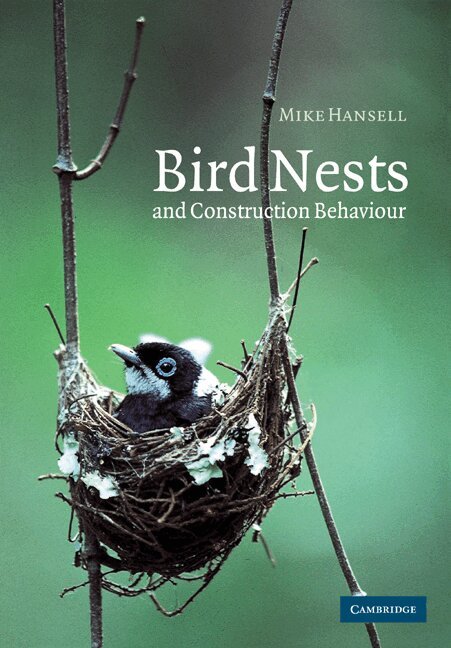
Bird Nests and Construction Behaviour provides a broad view of our understanding of the biology of the nests, bowers and tools made by birds. It illustrates how, among vertebrates, the building abilities of birds are more impressive and consistent than for any other builders other than ourselves, yet birds seem to require no special equipment, and use quite uncomplicated behaviour. In doing so, the book raises general issues in the field of behavioural ecology including the costs of reproduction, sexual selection and the organisation and complexity of behaviour. Written for students and researchers of animal behaviour, behavioural ecology and ornithology, it will nevertheless make fascinating reading for architects and engineers interested in understanding how structures are created by animals.
1 578 kr
Skickas inom 7-10 vardagar
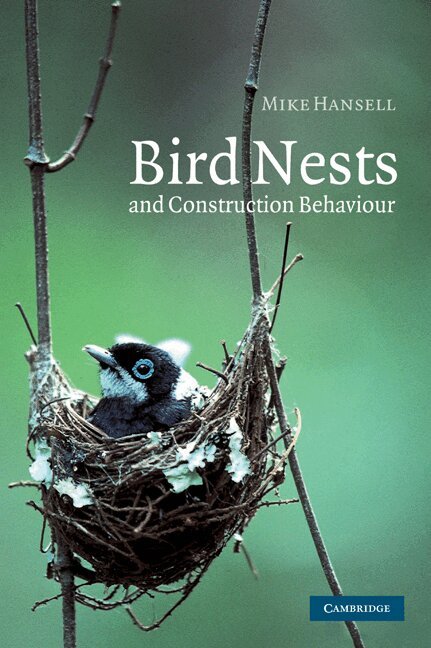
Bird Nests and Construction Behaviour provides a broad view of our understanding of the biology of the nests, bowers and tools made by birds. It illustrates how, among vertebrates, the building abilities of birds are more impressive and consistent than for any other builders other than ourselves, yet birds seem to require no special equipment, and use quite uncomplicated behaviour. In doing so, the book raises general issues in the field of behavioural ecology including the costs of reproduction, sexual selection and the organisation and complexity of behaviour. Written for students and researchers of animal behaviour, behavioural ecology and ornithology, it will nevertheless make fascinating reading for architects and engineers interested in understanding how structures are created by animals.
742 kr
Skickas inom 7-10 vardagar
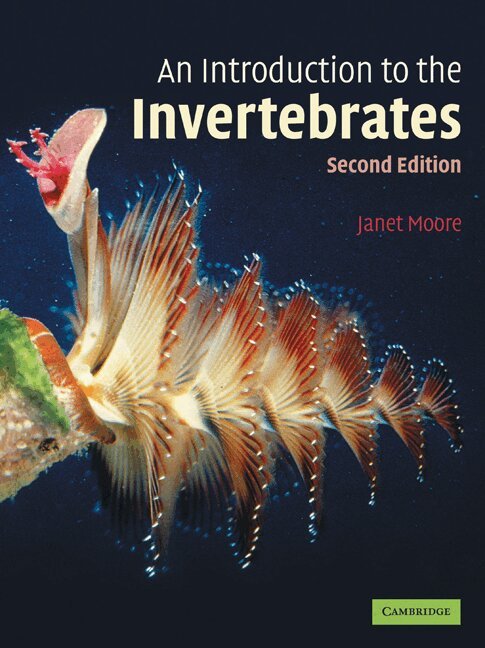
So much has to be crammed into today's biology courses that basic information on animal groups and their evolutionary origins is often left out. This is particularly true for the invertebrates. The second edition of Janet Moore's An Introduction to the Invertebrates fills this gap by providing a short updated guide to the invertebrate phyla, looking at their diverse forms, functions and evolutionary relationships. This book first introduces evolution and modern methods of tracing it, then considers the distinctive body plan of each invertebrate phylum showing what has evolved, how the animals live, and how they develop. Boxes introduce physiological mechanisms and development. The final chapter explains uses of molecular evidence and presents an up-to-date view of evolutionary history, giving a more certain definition of the relationships between invertebrates. This user-friendly and well-illustrated introduction will be invaluable for all those studying invertebrates.