Tony Angell – illustratör
Upptäck titlar med illustrationer av Tony Angell.
3 produkter
3 produkter
114 kr
Skickas inom 5-8 vardagar
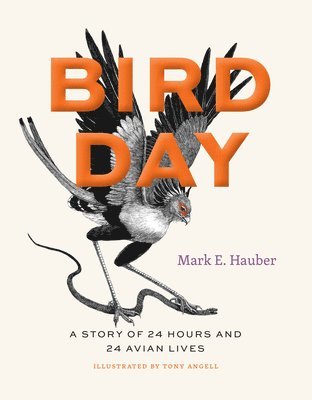
An hourly guide that follows twenty-four birds as they find food, mates, and safety from predators. From morning to night and from the Antarctic to the equator, birds have busy days. In this short book, ornithologist Mark E. Hauber shows readers exactly how birds spend their time. Each chapter covers a single bird during a single hour, highlighting twenty-four different bird species from around the globe, from the tropics through the temperate zones to the polar regions. We encounter owls and nightjars hunting at night and kiwis and petrels finding their way in the dark. As the sun rises, we witness the beautiful songs of the “dawn chorus.” At eleven o’clock in the morning, we float alongside a common pochard, a duck resting with one eye open to avoid predators. At eight that evening, we spot a hawk swallowing bats whole, gorging on up to fifteen in rapid succession before retreating into the darkness. For each chapter, award-winning artist Tony Angell has depicted these scenes with his signature pen and ink illustrations, which grow increasingly light and then dark as our bird day passes. Working closely together to narrate and illustrate these unique moments in time, Hauber and Angell have created an engaging read that is a perfect way to spend an hour or two—and a true gift for readers, amateur scientists, and birdwatchers.
114 kr
Skickas inom 5-8 vardagar
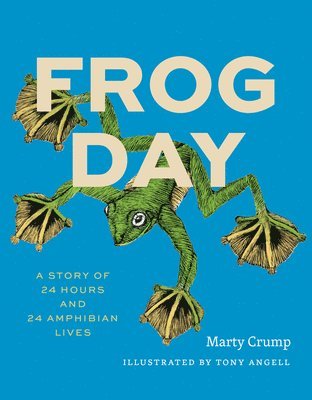
An illustrated hourly guide that follows twenty-four frogs as they eat, find mates, care for their young, and survive our harsh and changing planet. In this short book, celebrated biologist Marty Crump leads readers on a worldwide field trip in search of frogs. Each chapter of Frog Day covers a single frog during a single hour, highlighting how twenty-four different species spend their time. Our day begins at midnight in Indonesia, with the rustle of leaves above. It’s not a bird, but Wallace’s flying frog, using its webbed feet and emerald-green skin flaps to glide through the forest canopy. In the early hours of the morning, we hear a horned marsupial frog “bopping” and a wood frog “quacking” to attract mates. At six o’clock in the morning, beneath a streetlight in Honolulu, we meet a corpulent, invasive cane toad slurping insects—and sometimes snakes, lizards, turtles, birds, and mice. At noon, we watch parenting in action as an African bullfrog bulldozes a path through the mud to free his tadpoles from a drying pond. At dusk, in a Peruvian rain forest, we observe “the ultimate odd couple”—a hairy tarantula and what looks like a tiny amphibian pet taking shelter in the spider’s burrow. Other frogs make a tasty meal for this tarantula, but the dotted humming frog is a friend, eating the ants that might otherwise make a meal of the tarantula’s eggs. For each hour in our Frog Day, award-winning artist Tony Angell has depicted these scenes with his signature pen and ink illustrations. Working closely together to narrate and illustrate these unique moments in time, Crump and Angell have created an engaging read that is a perfect way to spend an hour or two—and a true gift for readers, amateur scientists, and all frog fans.
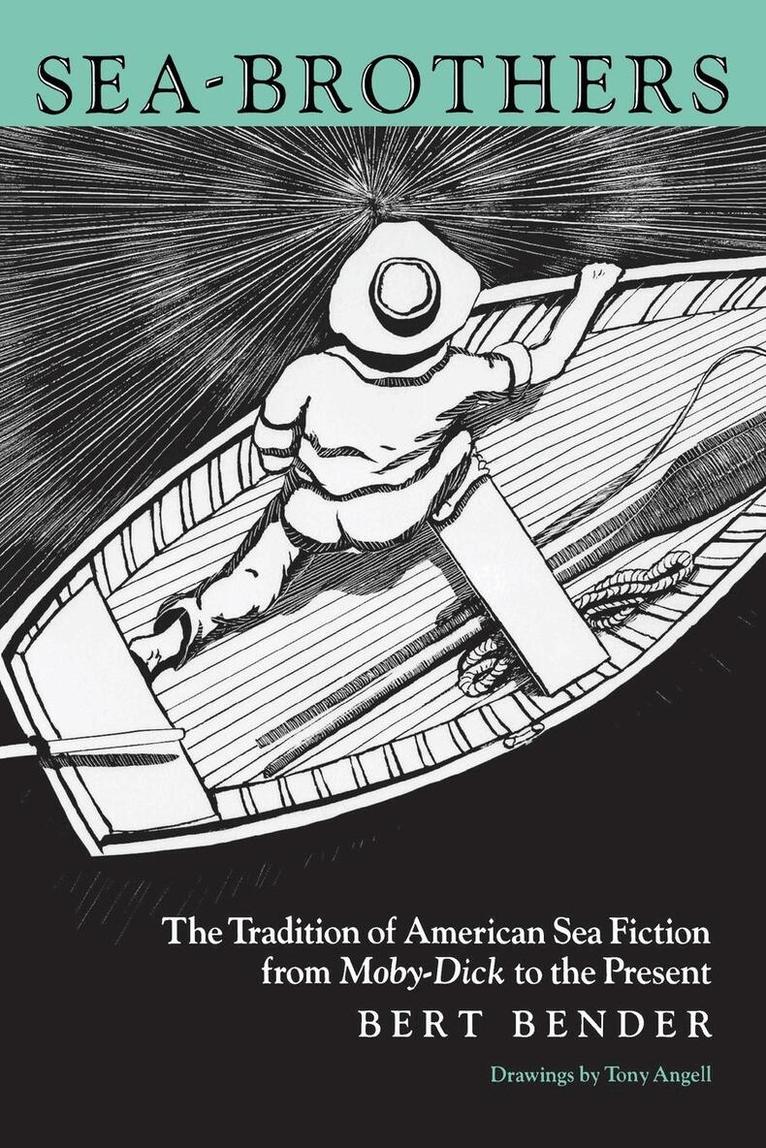
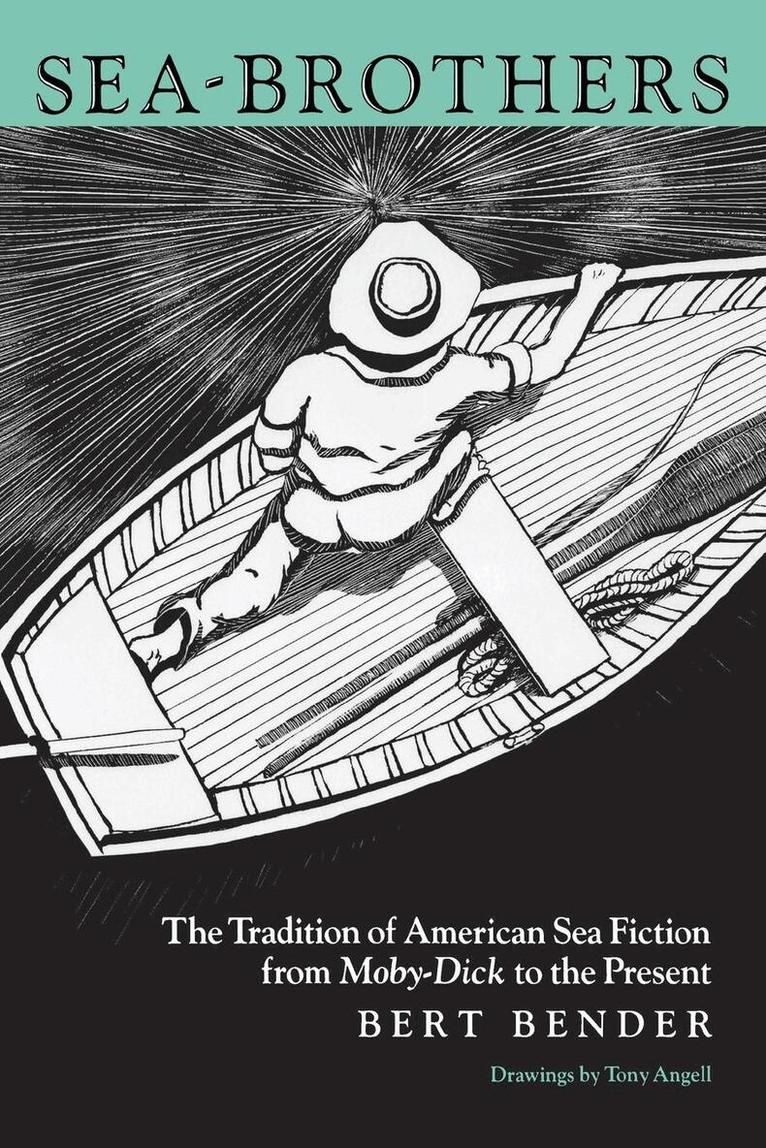
Sea-Brothers
The Tradition of American Sea Fiction from Moby-Dick to the Present
Häftad, Engelska, 1990
489 kr
Skickas inom 10-15 vardagar
Sea-Brothers offers the most extensive analysis to date of the sea and its meaning in American literature. On the basis of his study of Melville, Crane, London, Hemingway, Matthiessen, and ten lesser-known sea-writers, Bert Bender argues that the tradition of American sea fiction did not end with the opening of the western frontier and the replacement of sailing ships by steamers. Rather, he demonstrates its continuity and vitality, identifying a central vision within the tradition and showing how particular authors draw from, transform, and contribute to it.What is most distinctive about American sea fiction, Bender contends, is its visionary, often mystical, response to the biological world and to man's perceived place in the larger universe. When Melville envisioned the sea as the essential element of life, indeed as life itself, he changed the course of American sea fiction by introducing the relevance of biological thought. But his meditations on the whale and "the ungraspable phantom of life" project a different reality from that envisioned by his successors. In American sea fiction after Melville, the influence of Origin of Species is as powerful as that of Moby Dick or the theme of sailing ships being displaced by steam.The ideal of brotherhood so central to American sea fiction was severely compromised by the biological reality of a competitive, warring nature. Twentieth-century sea fiction has continued to center on the biological world and address the possibility of democratic brotherhood, but the issues were fundamentally changed by Darwin's theories.This book will be a valuable source for students and scholars of American literature and will interest readers of sea fiction.