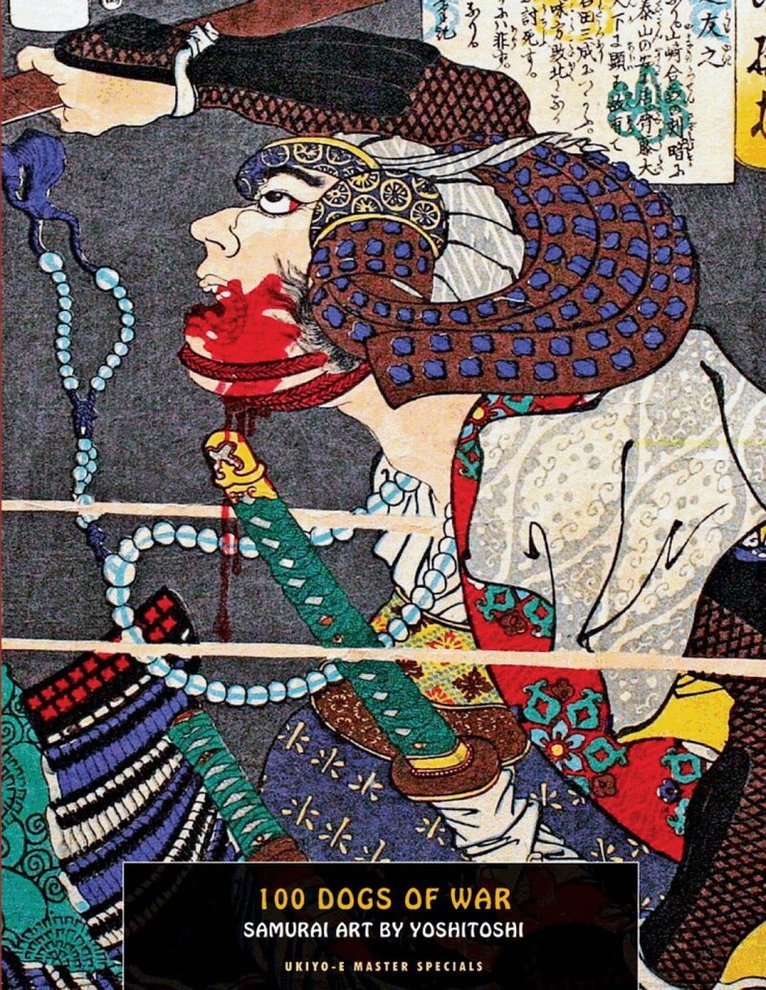
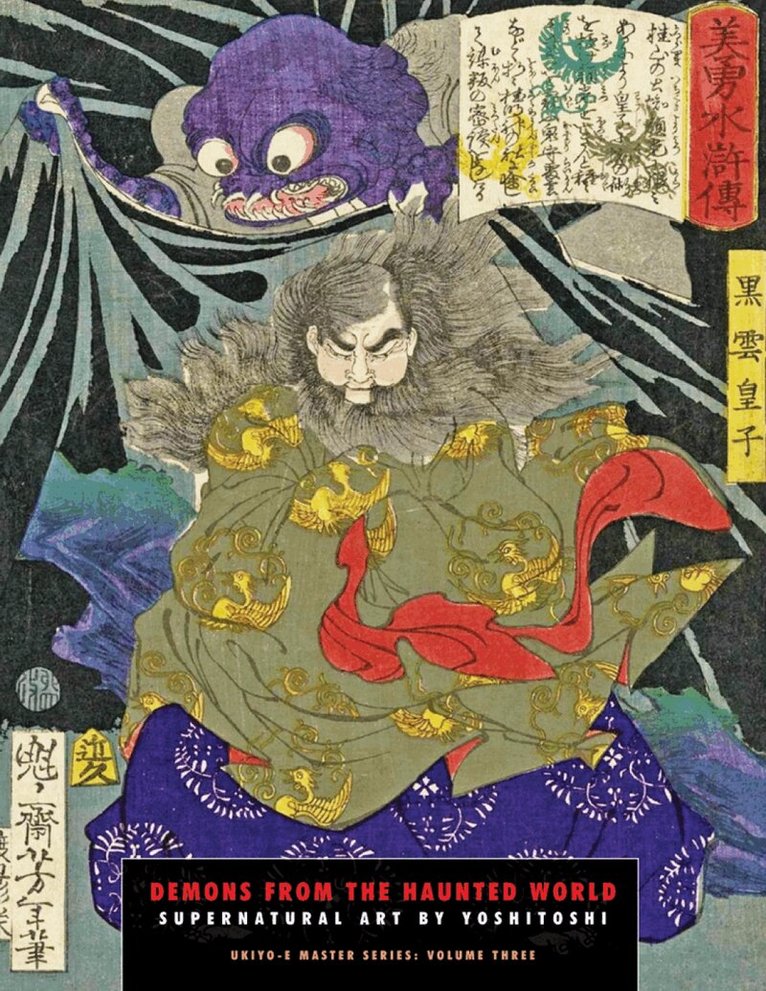
Tsukioka Yoshitoshi, a student of ukiyo-e master Utagawa Kuniyoshi, showed a predilection towards two types of subject in his early work: exceptionally bloody musha-e ('warror prints'), and supernatural images of demons and ghosts. Yoshitoshi maintained an interest in depicting the haunted realm of Japanese myth right up until his last major series, 36 Ghosts, in 1889 (two years before his death). Like all Yoshitoshi's art, these prints are now considered to be the work of ukiyo-e's last master practitioner.
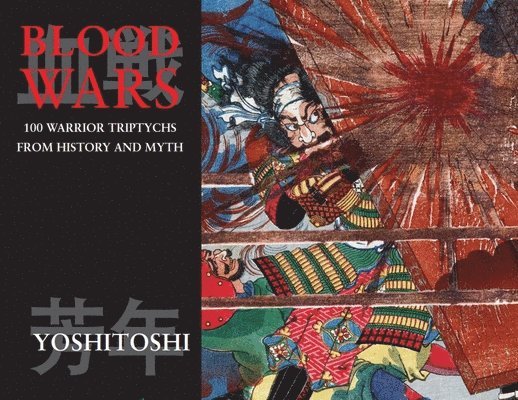
Yoshitoshi Tsukioka, perhaps the best-known of all 19th century ukiyo-e artists, created illustrations of mythic warriors and legendary battles throughout his career, including years spent documenting contemporaneous civil conflicts. This book collects 100 such prints by Yoshitoshi, often violent and bloody in nature, ranging in subject from the internecine decapitation wars of the 12th to 16th centuries to the uprising of the Satsuma Rebellion in 1877, the last stand of Japan's samurai class against the new imperial government. The selection of works is also limited to the triptych format, which gave ukiyo-e artists the freedom to express their phantasies as narratives in a kinetic, detailed image frame. Editor Ringo Yoshida was born and lives in Osaka, Japan. He is a longterm collector and historian of 19th century ukiyo-e.
Tsukioka Yoshitoshi, a student of ukiyo-e master Utagawa Kuniyoshi, showed a predilection towards two types of subject in his early work: exceptionally bloody musha-e ('warror prints'), and supernatural images of demons and ghosts. Yoshitoshi maintained an interest in depicting the haunted realm of Japanese myth right up until his last major series, 36 Ghosts, in 1889 (two years before his death). Like all Yoshitoshi's art, these prints are now considered to be the work of ukiyo-e's last master practitioner.
Yoshitoshi Tsukioka, perhaps the best-known of all 19th century ukiyo-e artists, created illustrations of mythic warriors and legendary battles throughout his career, including years spent documenting contemporaneous civil conflicts. This book collects 100 such prints by Yoshitoshi, often violent and bloody in nature, ranging in subject from the internecine decapitation wars of the 12th to 16th centuries to the uprising of the Satsuma Rebellion in 1877, the last stand of Japan's samurai class against the new imperial government. The selection of works is also limited to the triptych format, which gave ukiyo-e artists the freedom to express their phantasies as narratives in a kinetic, detailed image frame. Editor Ringo Yoshida was born and lives in Osaka, Japan. He is a longterm collector and historian of 19th century ukiyo-e.