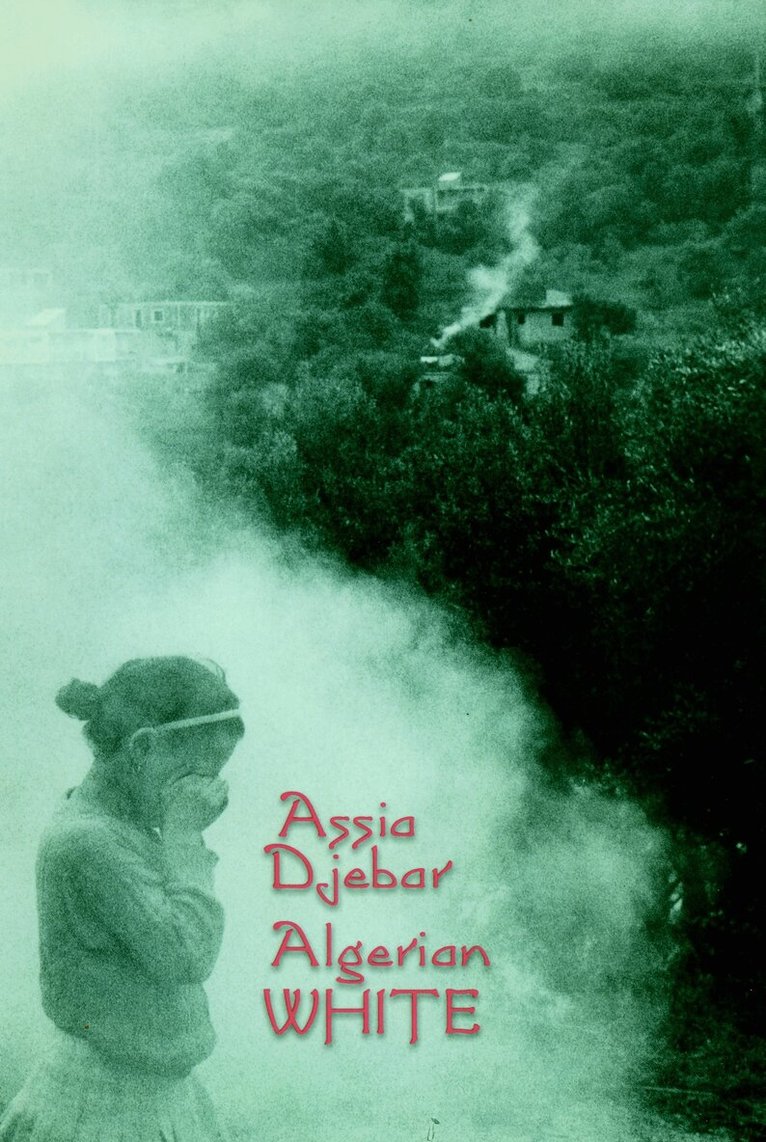
In Algerian White, Assia Djebar weaves a tapestry of the epic and bloody ongoing struggle in her country between Islamic fundamentalism and the post-colonial civil society. Many Algerian writers and intellectuals have died tragically and violently since the 1956 struggle for independence. They include three beloved friends of Djebar: Mahfoud Boucebi, a psychiatrist; M''Hamed Boukhobza, a sociologist; and Abdelkader Alloula, a dramatist; as well as Albert Camus. In Algerian White, Djebar finds a way to meld the personal and the political by describing in intimate detail the final days and hours of these and other Algerian men and women, many of whom were murdered merely because they were teachers, or writers, or students. Yet, for Djebar, they cannot be silenced. They continue to tell stories, smile, and endure through her defiant pen. Both fiction and memoir, Algerian White describes with unerring accuracy the lives and deaths of those whose contributions were cut short, and then probes even deeper into the meaning of friendship through imagined conversations and ghostly visitations.
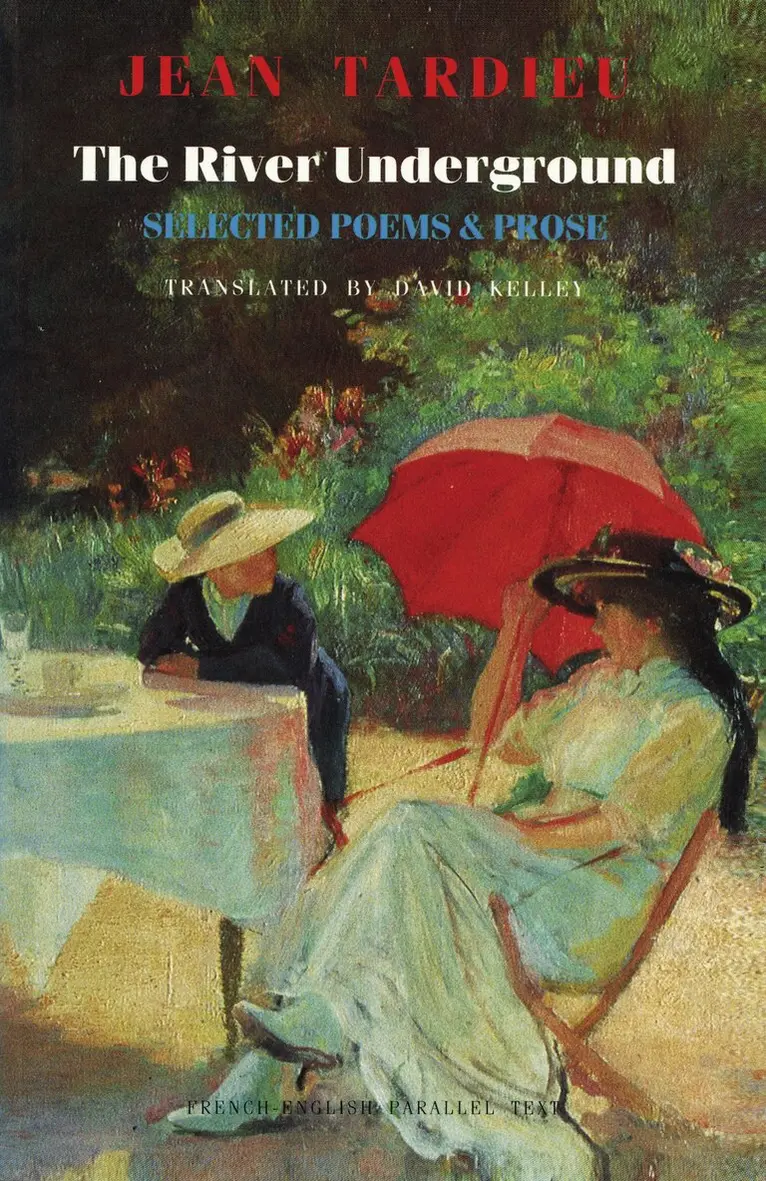
Jean Tardieu’s poetry has an almost child-like simplicity, and in France his work is studied both in universities and in primary schools. Yet while he is a household name in France and has been translated into most European languages, his poetry remains little known in the English-speaking world, despite its immediacy and sense of fun.Tardieu is a writer of enormous range, and his poetry addresses problems of experience and language central to modern literature, bringing lively wit and humour to bear upon an anguished interrogation of the world. His father was a successful painter and his mother an accomplished musician, and his fascination with the art of the writer on the one hand, and paintings and music on the other, is another constant presence in his work.Tardieu was born in 1903, and this selection spans 80 years of his writing. In his early years the dif?culties of writing lyric poetry in a schizophrenic age led him to a multiplication of poetic voices, and so to working for the stage, and he was writing what was subsequently dubbed Theatre of the Absurd before Beckett’s and Ionesco’s plays had ever been performed in public. He died in 1995.This selection includes the sequence Space and the Flute (1958), which Tardieu wrote for drawings by his friend Pablo Picasso. Their poems and drawings are reproduced together in this edition.
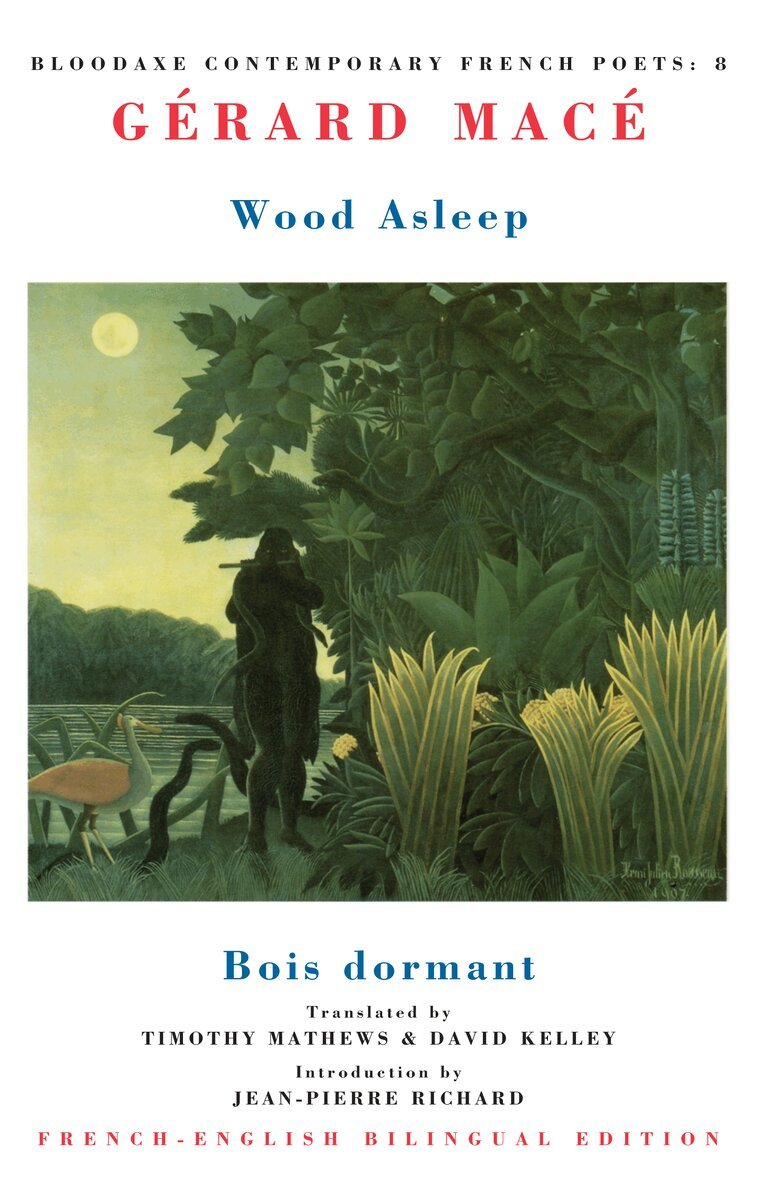
Gérard Macé's work challenges the barriers between poetry and the essay. This play between and within genres is essential to his writing – which has been called essai merveilleux – and derives from a questioning of language in its broadest sense. He is equally interested in the seductive musicality of words and in the remembered gestures which traced the hieroglyphs of Egypt and the calligraphic writing of the Far East. His fascination with dictionaries, grammars and glossaries leads him off on journeys in which the real and the imaginary are fused, but without being confused. He slips between words like a marvelling child constantly hoping that one day the world might be read like an open book.This edition brings together three series of prose poems, Le Jardin des langues (1974), Le balcon de Babel (1977) and Bois dormant (1983). Other books by Macé have as their subject literary figures such as Rimbaud, Corbière, Nerval and Champollion, while Rome et le firmament and Leçon de chinois evoke places heavily charged with culture and history. Macé's other books include Vies antérieures (1991), which takes up the relationship between memory and writing, in the form of Lives (as in the Lives of saints or illustrious men), and La mémoire aime chasser dans le noir (1993), which develops his fascination with the image – the poetic image, dream image and photographic image. Timothy Mathews took over as Gérard Macé's translator for this edition following the death of David Kelley who had started work on the book.Jean-Pierre Richard was one of Europe's foremost literary critics. He has written not only on French poets but also on Stendhal, Flaubert and Proust. He has a wide following throughout Europe and the USA, and is admired particularly for his approachable and sensuous accounts of French writers.Bloodaxe Contemporary French Poets: 8