282 kr
Skickas inom 7-10 vardagar
282 kr
Skickas inom 7-10 vardagar
299 kr
Skickas inom 7-10 vardagar
299 kr
Skickas inom 7-10 vardagar
1 025 kr
Skickas inom 7-10 vardagar
1 025 kr
Skickas inom 7-10 vardagar
352 kr
Läs direkt efter köp
“A remarkable story ... Fatemeh Karimi should be commended for her outstanding telling of it” Janet Afary, author of Sexual Politics in Modern Iran
“Reveals how Kurdish women’s military, intellectual, and everyday contributions in the post-revolutionary era challenged traditional hierarchies” Fataneh Farahani, Professor, Stockholm University
“Groundbreaking … Brilliantly intertwines gender, class, national, and political struggle in Kurdistan” Pedram Baldari, Assistant Professor, University of Michigan
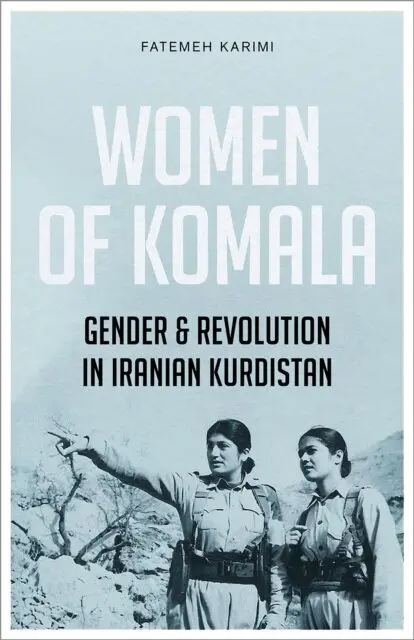
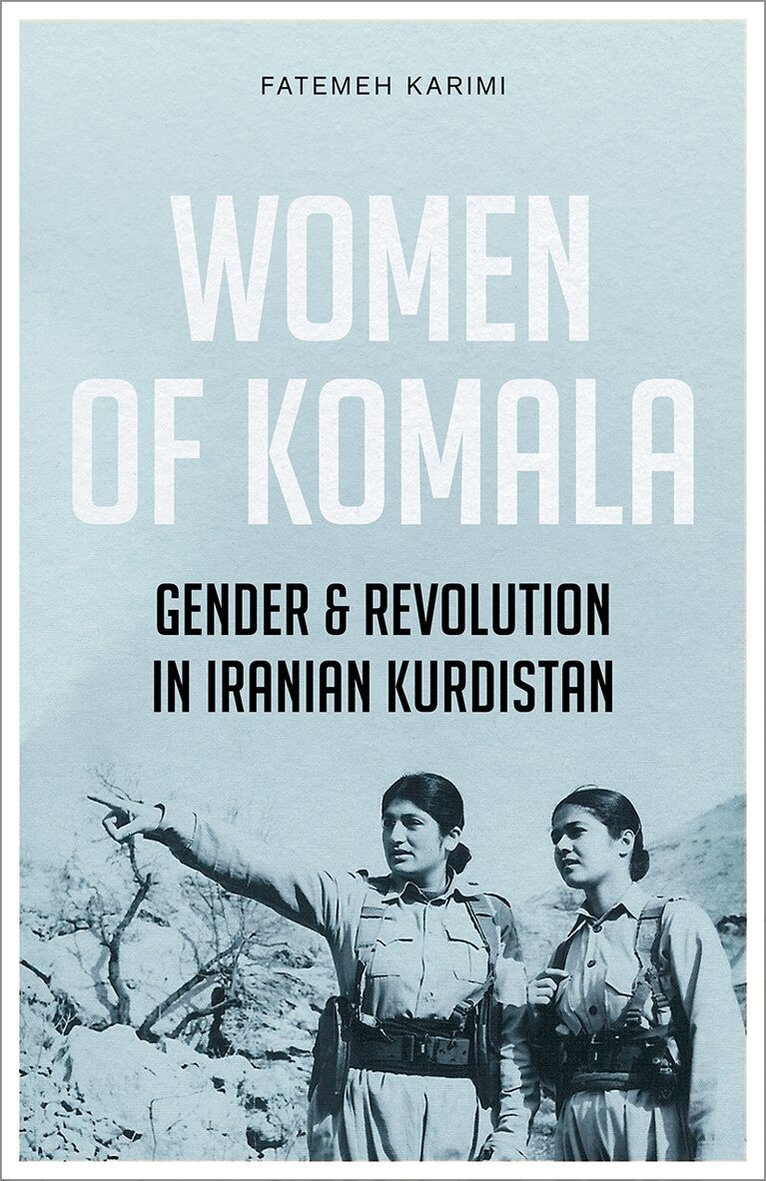
Kurdistan has a storied and turbulent past, marked by a relentless struggle for self-determination and survival. Kurdish women have been at the forefront of this struggle: their lives are a testament to resilience in the face of relentless adversity, as they navigate the complexities of revolution and the quest for freedom and equality.
This groundbreaking book is the first comprehensive study of leftist women guerrillas in Iranian Kurdistan, predating the emergence of women fighters in Rojava by more than three decades. Focusing on Komala (1979–1991), a radical Kurdish-Iranian organization pioneering the inclusion of women as combatants, Women of Komala examines the lives and political participation of marginalized women.
Drawing on extensive interviews, the book analyses familial, social, and organizational obstacles; gendered organizational dynamics; patriarchy; the issue of children; and the sexual division of roles within families and the party. This rich account situates Komala within the political context of the 1979 Islamic Revolution and its aftermath, shedding light on the importance of critical reflection on gender relations during this pivotal period in the history of Kurdistan and Iran.
Fatemeh Karimi is an independent researcher, women’s rights activist, and member of the Kurdistan Human Rights Network (KHRN). She holds a PhD from the School of Advanced Studies in Social Sciences (EHESS), Paris.
276 kr
Skickas inom 3-6 vardagar
137 kr
Läs direkt efter köp
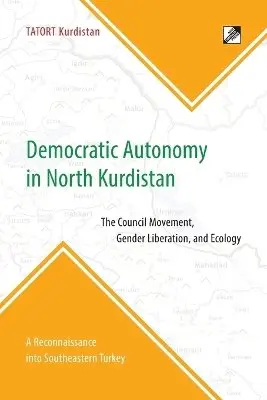
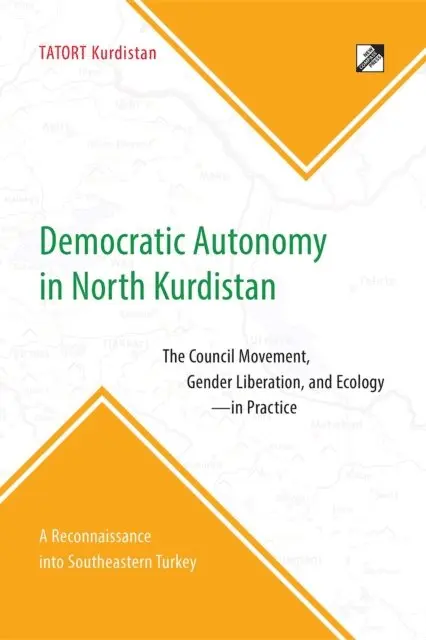
In order to find a peaceful solution to the Kurdish question, the Kurdish Freedom Movement in Turkey has developed an alternative social model: Democratic Autonomy. In the fall of 2011, a group of TATORT activists journeyed into the Kurdish regions of Turkey to learn how the theory of Democratic Autonomy was being put into practice. They discovered a remarkable experiment in face-to-face democracy—all the more notable for being carried out in wartime. Since 2005, under the most difficult of conditions, the movement in North Kurdistan has created structures for a democratic, ecological and gender-liberated society. At its core is a system of councils in villages, cities, and neighborhoods. These structures do not yet offer a way of life that is fully independent of the nation-state and the market economy, but they nonetheless reveal a potent civil counter-power. The interviews and documentation in this book provide thought-provoking glimpses into the practical implementation of a new left vision. The radical democratic awakening of the Kurds may serve as an inspiration for social change in the Middle East and elsewhere.