Häftad, Engelska, 2024
138 kr
Skickas
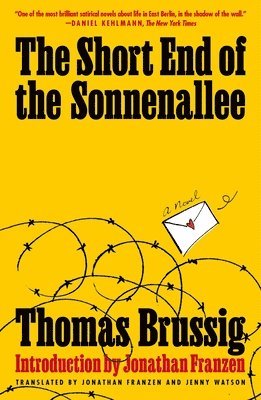
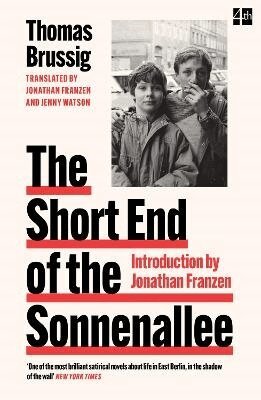
‘A kind of miracle … Not only made me laugh (again and again) but brought tears to my eyes’ Jonathan Franzen‘One of the most brilliant satirical novels about life in East Berlin’ New York Times Thomas Brussig’s classic German satire, translated into English for the first time and introduced by Jonathan Franzen, is a comedic, moving account of life in East Berlin before the Fall of the Berlin Wall The Short End of the Sonnenallee, is a satire set, literally, on the Sonnenallee, the famed "boulevard of the sun" in East Berlin.Within this boulevard lives Michael, an adolescent who faces daily ridicule whenever he steps out of his apartment building and comes into view of the observation platform on the West side. "Look, a real Zonie. Can we take your picture?" Hopelessly in love with the most beautiful girl on the street, Michael is batted away in favour of the Western boys who are free to cross the border. What chance does Michael have, and how much trouble will he get into by pursuing her?Laugh-out-loud funny and unabashedly silly, Brussig's novel follows the bizarre, grotesque quotidian details of life in the German Democratic Republic. As this new translation shows, the ideas at its heart – freedom, democracy and life’s fundamental hilarity – hold great relevance for today. ‘Gentle comedy … Funny, rueful’ Telegraph