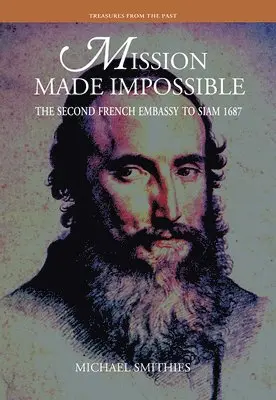
Two years after the 1685 French embassy to Siam led by Chaumont and Choisy, King Louis XIV sent a second embassy to Phra Narai led by the two envoys La Loubère and Céberet, and a third unofficial emissary, Father Tachard, who was working behind the scenes and often against his colleagues. Accompanying them were expeditionary troops to be installed in Bangkok and Mergui once a Franco-Siamese treaty could be negotiated.This volume conveniently presents, in English translation, three important accounts of that second French embassy to Siam in 1687: Tachard's Second Voyage, published in 1689; Céberet's Journal du voyage de Siam, published in 1992; and Tachard's "Relation," an unpublished account of the tempestuous journey back to France.Beginning with a listing of the dramatis personae and a general introduction to set the stage, Michael Smithies introduces each of the three accounts in turn, providing background information about the authors and their times before presenting the relevant sections of their texts. Written from different perspectives, these key documents, taken together, form a fuller picture of the events and issues of this embassy. The volume ends with an appendix on La Loubère, including the text of his many brief references to the embassy in his comprehensive work, The Kingdom of Siam.Michael Smithies, former editor of the Journal of the Siam Society, is the author of numerous books and articles on the French involvement in Siam in the 17th century. He retired from the United Nations in Bangkok in 1992.
This book concerns the French intervention in Siam, 1685-1688, particularly the cataclysmic last year, during which Phetracha, the usurper and future king, held the ailing King Narai prisoner until his death. Marcel Le Blanc was one of fourteen Jesuits who arrived in Siam at the request of King Narai to promote the study of mathematics and astrology, but he became inextricably involved in events surrounding Phetracha's coup d'etat. He was in Bangkok during the siege and the arrival of the King's favorite, Madame Phalkon, who was subsequently arrested and killed. He describes his departure from the country with the French troops, his capture by the Dutch at the Cape, and his imprisonment in Middleburg.This new English edition of the book, first published in 1692, has been translated, introduced, and annotated by Michael Smithies, well-known scholar of the period
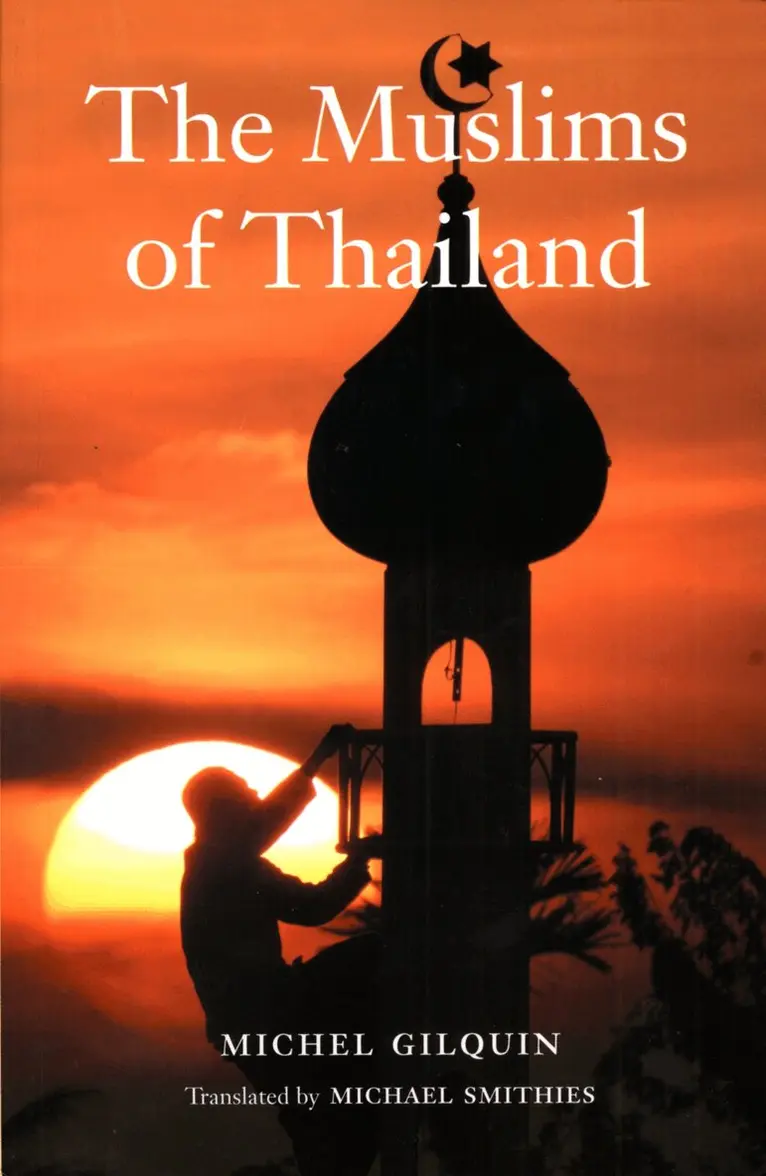
Thailand is usually closely associated with Buddhism, but since 1998 the country has been one of the observer members of the Islamic Conference Organization, and senior figures in the present and previous governments have been Muslim. Some 8 percent of the population is Muslim, and in the three southernmost provinces of the country they constitute a majority. Islam is ever more visible in Bangkok, where the demographic increase of Muslims is marked.Michel Gilquin, a sociologist specializing in the study of Muslim societies and a resident of Morocco, examines the origins of Islam in the kingdom of Siam, Muslim integration into the Thai nation, and the effects of globalization and modernity on a mostly traditional and rural community. In particular he considers the weight of history of the old sultanate of Patani on the present-day Yawi-speaking majority in Narathiwat, Yala, and Pattani, and the circumstances leading to "the troubles" which erupted in 2004 and which, alas, continue.Without proposing any solutions, the book explains the background to the present impasse, and considers how far integration of the minority has been, and can be, successful.