Som standard sorteras produkter på sökresultat- och kategorisidor efter relevans och popularitet. Du kan välja att sortera produkterna på ett flertal andra sätt.
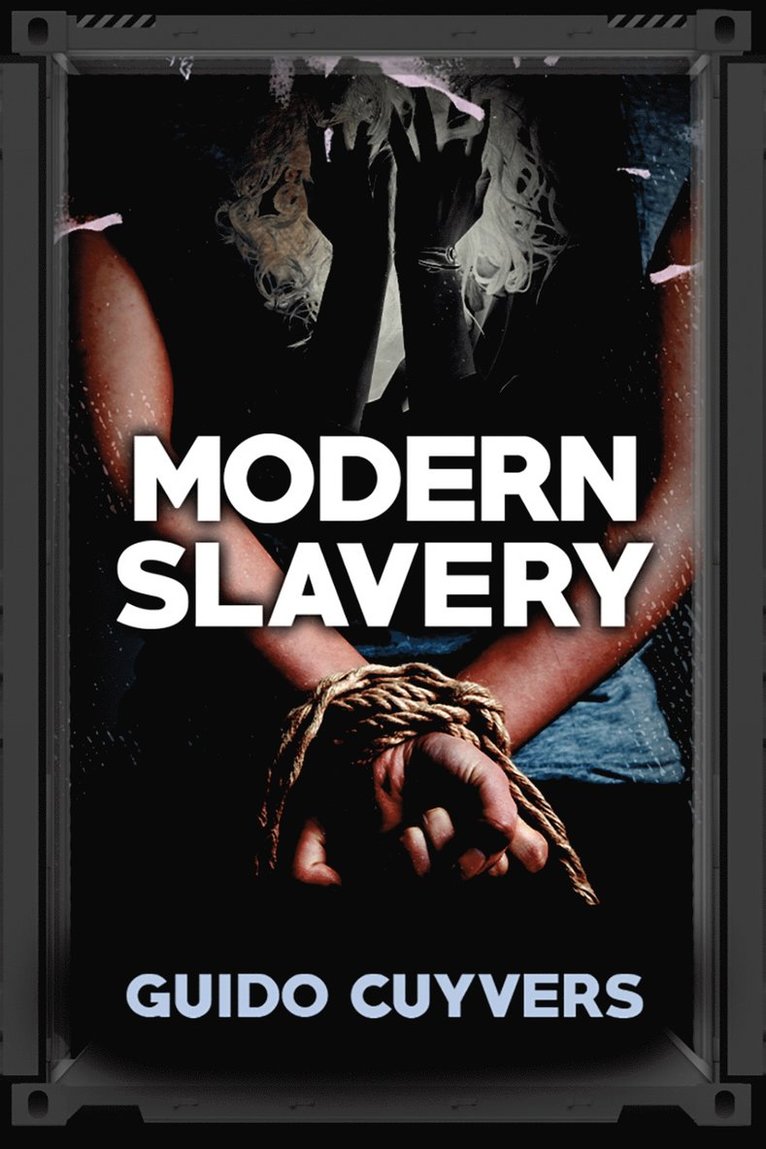
Slavery is a phenomenon that appears to interfere with neither the daily lives of most people nor with their contemporary worlds. For many, the term \u2018slavery\u2019 is reminiscent of black slaves on their journey to America or, perhaps, of slaves in ancient Rome or Greece. And yet, despite the fact that slavery had formally been abolished at the end of the nineteenth century in most countries, it still remains an inherent part of modern life. In 2023 it still consists of a large group of people. For more than 50 million individuals worldwide, freedom does not exist. People are still being exploited and traded as commodities. In the first place, this issue concerns people who end up working as slave labour in all economic branches, including clothing, fishing, agriculture, construction, transport and catering industries. This form of slavery has many connections to Western companies and, often, it actually occurs in Western countries. In addition, in all European countries, the sex industry makes abundant use of so-called sex slaves. This book will give you a glimpse of what slavery looks like tod

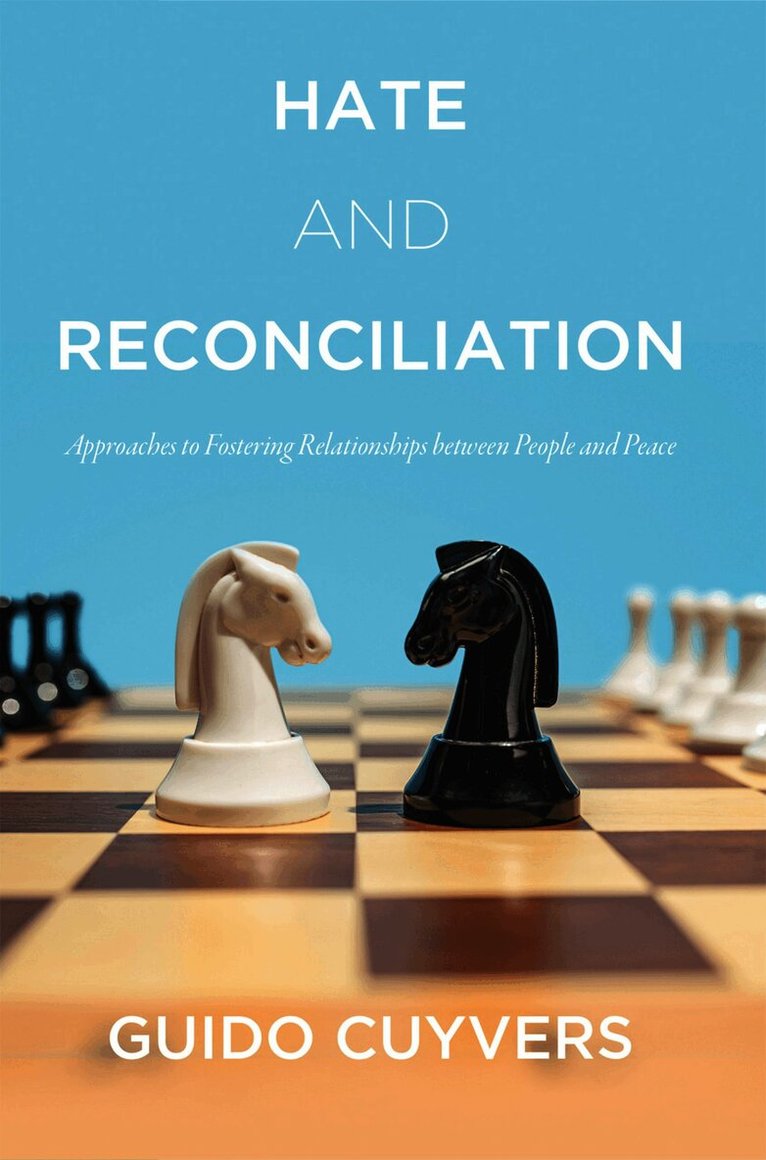
Every day the media confront us with the many forms and excesses of hatred: cyber hatred, hate speech, bullying, hate groups, religiously inspired violence against dissidents and genocides. Hatred is human and current. It is an intrinsic part of what can happen between people. Personal experiences can lead people to hate someone. In society and even on a global level, hatred is again and again the motor of misunderstanding and often also of violence between people. Sometimes hate smoulders almost unconsciously; at other times he is furious and serves as a flag for serious violence. Hatred has many faces and seems omnipresent, that much is clear. The term "Erida complex," after the Greek goddess of hate, symbolizes the common and deeply rooted nature of hatred. Hatred is mighty as a destructive force. He knows how to motivate individuals and large groups of people to bring out the worst in themselves. He turns life among people into a desert. However, he cannot compete with Irene, the goddess and the symbol of peace. After all, he is unable to correct what went wrong. Nor is it a ground for building a peaceful society. At the same time, hatred is impotent against the positive freedom of people to transcend the negative. Those who are open to this will see many connecting, and therefore Irenean, initiatives. Hatred does not and should not have the last word. Opposite the well of Erida is the Irenese, the way to peace. After examining the nature of hate, this book focuses a wide-angle lens on its many faces, in individuals and groups as well as peoples. Facing the negativity of hatred, this book presents constructive approaches to fostering relationships between people and peace.