Cold War, 1945-1991 - Böcker
Visar alla böcker i serien Cold War, 1945-1991. Handla med fri frakt och snabb leverans.
2 produkter
2 produkter
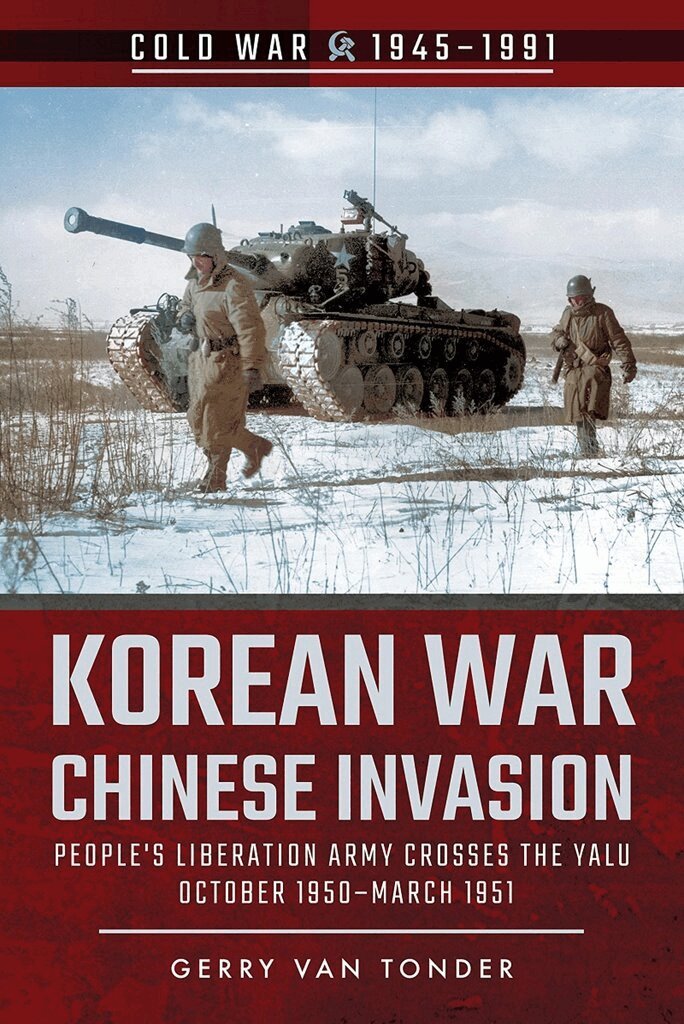
Korean War - Chinese Invasion
People's Liberation Army Crosses the Yalu, October 1950-March 1951
Häftad, Engelska, 2020
163 kr
Skickas
In his first four volumes on the Korean War, the author traces the war's progress from the North Korean invasion of June 1950, the desperate American defence of the Pusan Perimeter, General Douglas MacArthur's daring and highly successful amphibious offensive at Inch'?n, and his subsequent advance across the 38th Parallel to the Yalu River on the Chinese Manchurian borderCommunist Chinese forces, that have been secretly infiltrating North Korean territory by slipping across the Yalu from mid-October 1950, ambush a South Korean regiment in the mountains of central North Korea. This is the first of several Chinese victories over unsuspecting and overstretched South Korean and American units in the winter of 1950/1.On 27 November 1950, Chinese leader Mao Zedong, ostensibly fearful of the consequences of hostile American forces on his country's border along the Yalu River, orders 250,000 troops into Korea, with express orders to annihilate the UN forces. In the western half of the theatre, US General Walton H. Walker's Eighth Army front along the Ch'?ngch'?n axis is breached, while to the east, the US X Corps suffers a series of crushing defeats, including at the Chosin Reservoir, precipitating a massive evacuation from the North Korean port of Hungnam.
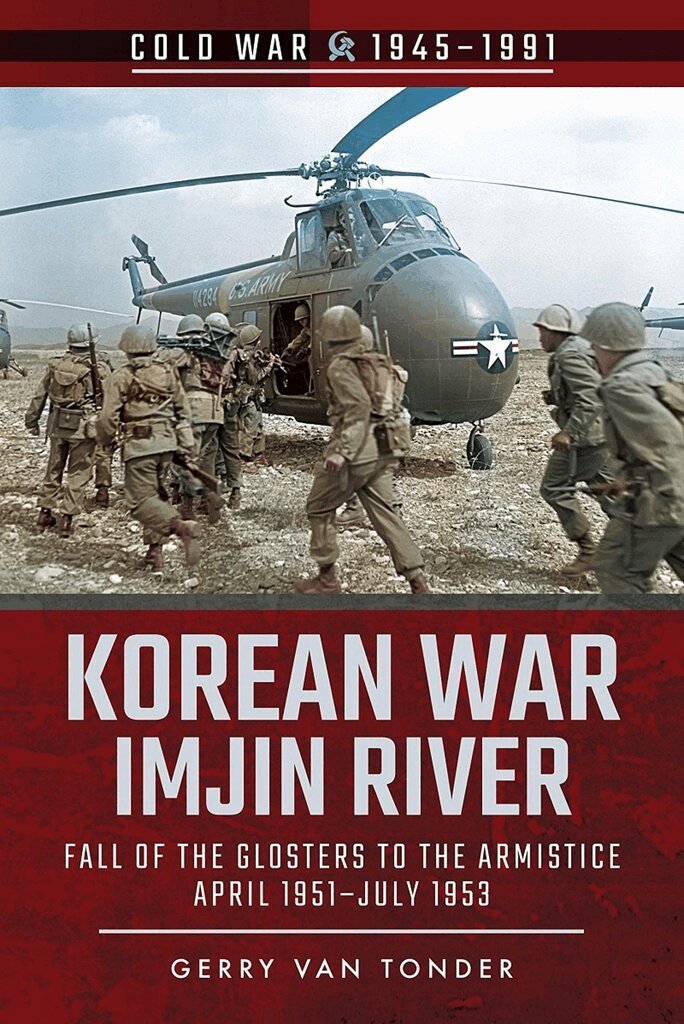
Korean War - Imjin River
Fall of the Glosters to the Armistice, April 1951-July 1953
Häftad, Engelska, 2020
163 kr
Skickas
As of October 1950, a quarter of a million Communist Chinese troops, in twenty-seven divisions, had poured across the Yalu River into North Korea, with the singular objective of forcing General Douglas MacArthur's United Nations troops back across the 38th Parallel and into the Sea of Japan.Shortly before midnight on 22 April 1951, to the west of the US Eighth Army's defensive front, the Chinese Sixty-third Army fell on the British 29th Brigade. On the left flank, the 1st Battalion, Gloucester Regiment ( Glosters') held a tenuous position at a ford on the Imjin River. Despite a gallant defence, the battalion was pushed back to make a desperate but futile stand on Hill 235\. On what became known as Glosters' Hill', the battalion ceased to exist. It was subsequently estimated that the attacking force of 27,000 Chinese troops suffered 10,000 casualties, forcing the Chinese army to be withdrawn from the front.From August 1951 to the summer of 1952, the USAF conducted Operation Strangle in a futile and costly attempt to disrupt Chinese supply routes. In the last two years of fighting, Communist Chinese and UN forces faced each other from well-entrenched positions in hilly terrain, where mapped hill numbers were contested. From June 1952 to March 1953, a series of five hard-fought engagements took place in central Korea as the antagonists sought ownership of Hill 266, commonly referred to as Old Baldy'. This was followed during April-July 1953 by two tactically pointless battles over Pork Chop Hill, in which the UN forces won the first battle and the Chinese the second, with both sides sustaining major casualties. On 27 July 1953, the two belligerents signed an armistice agreement, implementing a ceasefire that stands to this day. De facto, the Korean War has never ended.