Acculturated - Böcker
Visar alla böcker i serien Acculturated. Handla med fri frakt och snabb leverans.
2 produkter
2 produkter
191 kr
Skickas inom 7-10 vardagar
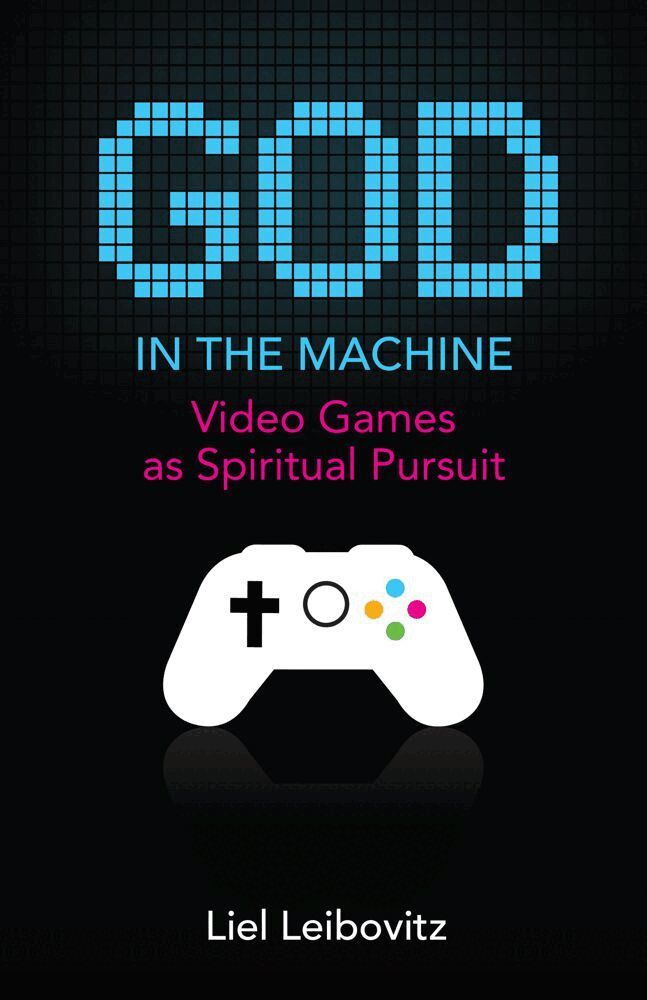
What might Heidegger say about Halo, the popular video game franchise, if he were alive today? What would Augustine think about Assassin’s Creed? What could Maimonides teach us about Nintendo’s eponymous hero, Mario? While some critics might dismiss such inquiries outright, protesting that these great thinkers would never concern themselves with a medium so crude and mindless as video games, it is important to recognize that games like these are becoming the defining medium of our time. We spend more time and money on video games than on books, television, or film, and any serious thinker of our age should be concerned with these games, what they are saying about us, and what we are learning from them. Yet video games remain relatively unexplored by both scholars and pundits alike. Few have advanced beyond outmoded and futile attempts to tie gameplay to violent behavior. With this rumor now thoroughly and repeatedly disproven, it is time to delve deeper. Just as the Museum of Modern Art in Manhattan recently acquired fourteen games as part of its permanent collection, so too must we seek to add a serious consideration of virtual worlds to the pantheon of philosophical inquiry. In God in the Machine, author Liel Leibovitz leads a fascinating tour of the emerging virtual landscape and its many dazzling vistas from which we are offered new vantage points on age-old theological and philosophical questions. Free will vs. determinism, the importance of ritual, transcendence through mastery, notions of the self, justice and sin, life, death, and resurrection all come into play in the video games that some critics so quickly write off as mind-numbing wastes of time. When one looks closely at how these games are designed, their inherent logic, and their cognitive effects on players, it becomes clear that playing these games creates a state of awareness vastly different from when we watch television or read a book. Indeed, the gameplay is a far more dynamic process that draws on various faculties of mind and body to evoke sensations that might more commonly be associated with religious experience. Getting swept away in an engaging game can be a profoundly spiritual activity. It is not to think, but rather to be, a logic that sustained our ancestors for millennia as they looked heavenward for answers. As more and more of us look “screenward,” it is crucial to investigate these games for their vast potential as fine instruments of moral training. Anyone seeking a concise and well-reasoned introduction to the subject would do well to start with God in the Machine. By illuminating both where video game storytelling is now and where it currently butts up against certain inherent limitations, Liebovitz intriguingly implies how the field and, in turn, our experiences might continue to evolve and advance in the coming years.
Superhero Ethics
10 Comic Book Heroes; 10 Ways to Save the World; Which One Do We Need Most Now?
Häftad, Engelska, 2019
191 kr
Skickas inom 7-10 vardagar
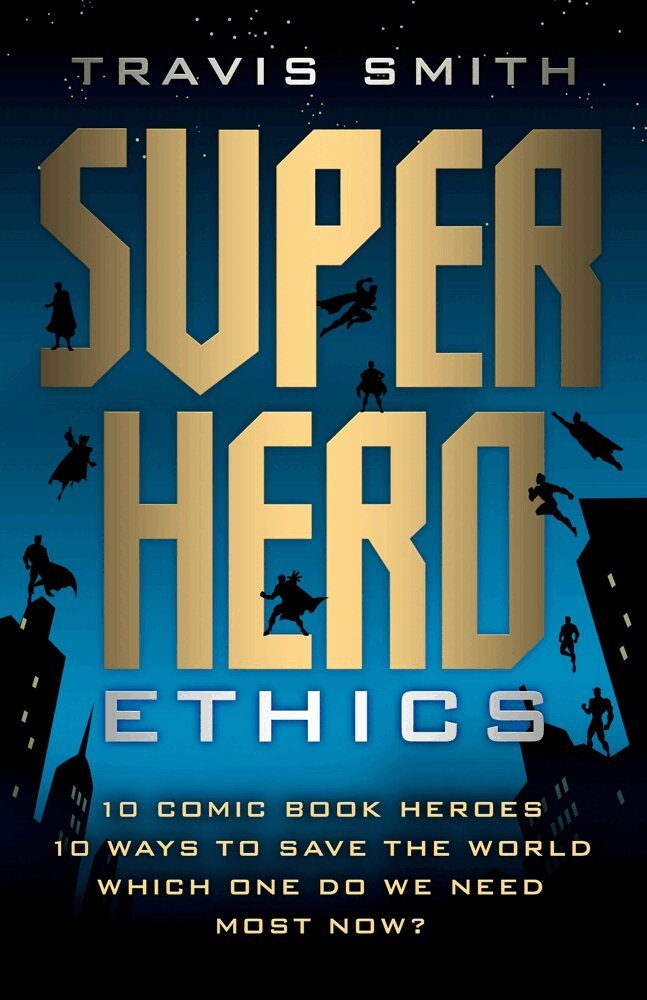
Whether in comic books or on movie screens, superhero stories are where many people first encounter questions about how they should conduct their lives.Although these outlandish figures-in their capes, masks, and tights, with their unbelievable origins and preternatural powers-are often dismissed as juvenile amusements, they really are profound metaphors for different approaches to shaping one’s character and facing the challenges of life.But, given the choice, which superhero should we follow today? Who is most worthy of our admiration? Whose goals are most noble? Whose ethics should we strive to emulate?To decide, Travis Smith takes ten top superheroes and pits them one against another, chapter by chapter. The hero who better exemplifies how we ought to live advances to the final round. By the end of the book, a single superhero emerges victorious and is crowned most exemplary for our times.How, then, shall we live? How can we overcome our beastly nature and preserve our humanity? (The Hulk vs. Wolverine) How far can we rely on our willpower and imagination to improve the human condition? (Iron Man vs. Green Lantern) What limits must we observe when protecting our neighborhood from crime and corruption? (Batman vs. Spider-Man) Will the pursuit of an active life or a contemplative life bring us true fulfillment? (Captain America vs. Mr. Fantastic) Should we put our faith in proven tradition or in modern progress to achieve a harmonious society? (Thor vs. Superman) Using superheroes to bring into focus these timeless themes of the human condition, Smith takes us on an adventure as fantastic as any you’ll find on a splash page or the silver screen-an intellectual adventure filled with surprising insights, unexpected twists and turns, and a daring climax you’ll be thinking about long after it’s over.