Advances in Polar Ecology - Böcker
Visar alla böcker i serien Advances in Polar Ecology. Handla med fri frakt och snabb leverans.
11 produkter
11 produkter
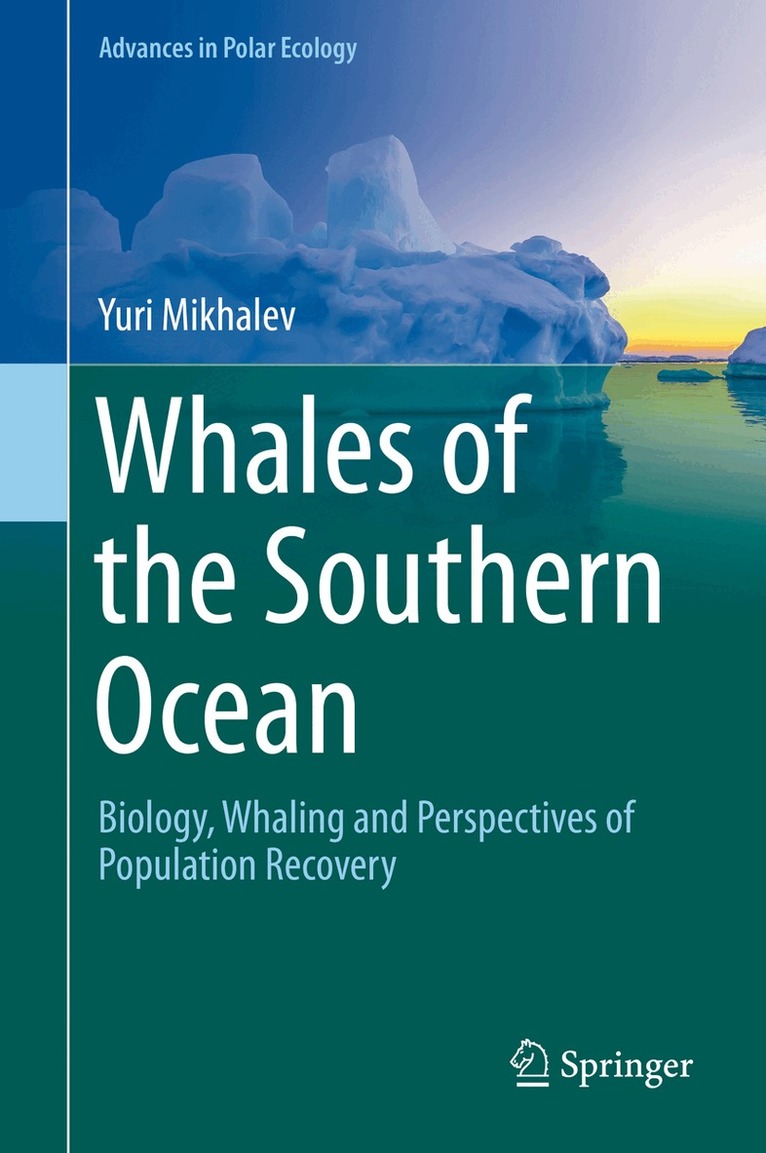
Whales of the Southern Ocean
Biology, Whaling and Perspectives of Population Recovery
Inbunden, Engelska, 2020
1 906 kr
Skickas inom 10-15 vardagar
Based on actual data of Soviet whaling, and reliable methodologies that existed at the time when this monograph was written, it examines the distribution and migration patterns of whales of the Southern Ocean. It defines distinct populations on the basis of phenes, as well as whale breeding zones, which are located in the adjacent to the Southern Ocean waters at lower latitudes. The book records the presence of a new species of killer whale in the Southern Ocean - Orcinus nana. Prenatal growth patterns, pregnancy and lactation duration, mean sizes of new-born whales are determined. Methods for the graphic recording of registering structures are described, and an original method for their decoding is proposed to determine animal age. The age of sexual and physical maturity, life expectancy is determined. Earlier unknown “pair formations” on the lower jaw of baleen whales and sperm whales are described, together with their macro, histological and electronic microscopic structure.The impact of the extermination of whales on the Southern Ocean ecosystem is examined, recommendations for control of the current state of whale populations are given, and perspectives of whale population recovery are estimated. Regions that could be used as testing areas for whale registration method are defined. The book is intended for biologist-cytologists, ecologists and other specialists interested in cetaceans, and for biology students.
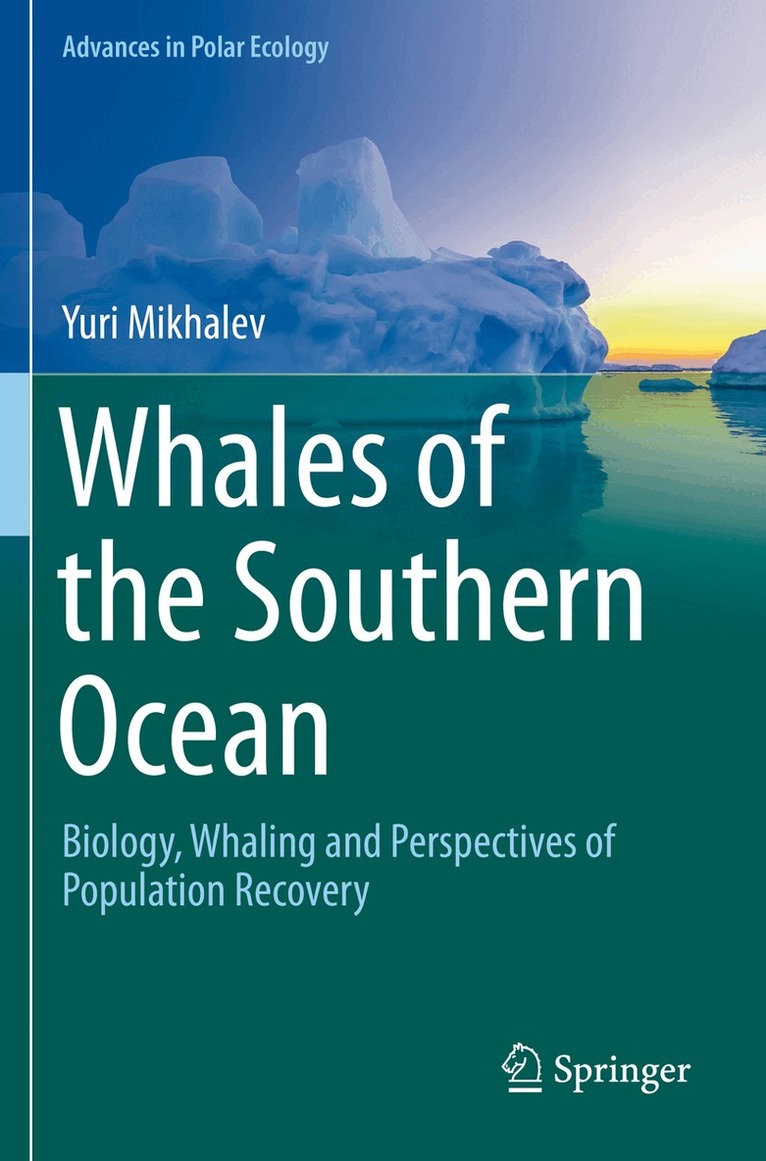
Whales of the Southern Ocean
Biology, Whaling and Perspectives of Population Recovery
Häftad, Engelska, 2021
1 906 kr
Skickas inom 10-15 vardagar
Based on actual data of Soviet whaling, and reliable methodologies that existed at the time when this monograph was written, it examines the distribution and migration patterns of whales of the Southern Ocean. It defines distinct populations on the basis of phenes, as well as whale breeding zones, which are located in the adjacent to the Southern Ocean waters at lower latitudes. The book records the presence of a new species of killer whale in the Southern Ocean - Orcinus nana. Prenatal growth patterns, pregnancy and lactation duration, mean sizes of new-born whales are determined. Methods for the graphic recording of registering structures are described, and an original method for their decoding is proposed to determine animal age. The age of sexual and physical maturity, life expectancy is determined. Earlier unknown “pair formations” on the lower jaw of baleen whales and sperm whales are described, together with their macro, histological and electronic microscopic structure.The impact of the extermination of whales on the Southern Ocean ecosystem is examined, recommendations for control of the current state of whale populations are given, and perspectives of whale population recovery are estimated. Regions that could be used as testing areas for whale registration method are defined. The book is intended for biologist-cytologists, ecologists and other specialists interested in cetaceans, and for biology students.
Del 4 - Advances in Polar Ecology
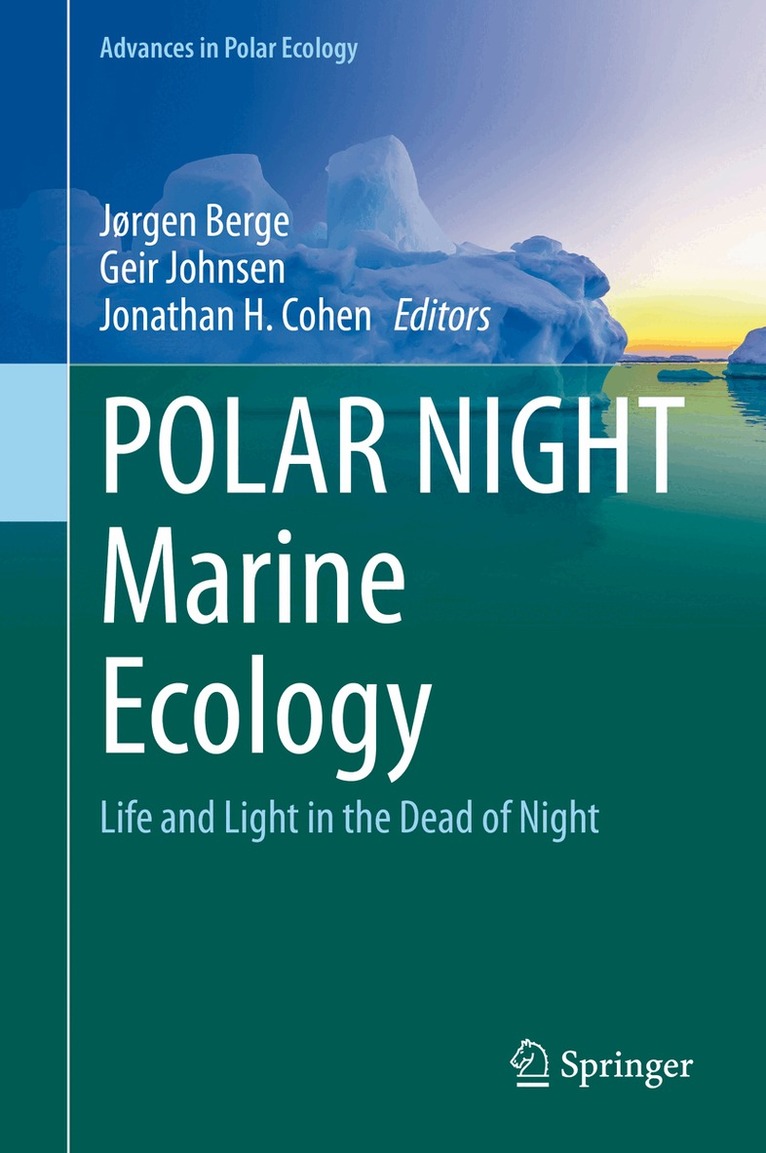
POLAR NIGHT Marine Ecology
Life and Light in the Dead of Night
Inbunden, Engelska, 2020
1 800 kr
Skickas inom 10-15 vardagar
Until recently, the prevailing view of marine life at high latitudes has been that organisms enter a general resting state during the dark Polar Night and that the system only awakens with the return of the sun. Recent research, however, with coordinated, multidisciplinary field campaigns based on the high Arctic Archipelago of Svalbard, have provided a radical new perspective. Instead of a system in dormancy, a new perspective of a system in full operation and with high levels of activity across all major phyla is emerging. Examples of such activities and processes include: Active marine organisms at sea surface, water column and the sea-floor. At surface we find active foraging in seabirds and fish, in the water column we find a high biodiversity and activity of zooplankton and larvae such as active light induced synchronized diurnal vertical migration, and at seafloor there is a high biodiversity in benthic animals and macroalgae. The Polar Night is a period for reproductionin many benthic and pelagic taxa, mass occurrence of ghost shrimps (Caprellides), high abundance of Ctenophores, physiological evidence of micro- and macroalgal cells that are ready to utilize the first rays of light when they appear, deep water fishes found at water surface in the Polar night, and continuous growth of bivalves throughout the winter.These findings not only begin to shape a new paradigm for marine winter ecology in the high Arctic, but also provide conclusive evidence for a top-down controlled system in which primary production levels are close to zero. In an era of environmental change that is accelerated at high latitudes, we believe that this new insight is likely to strongly impact how the scientific community views the high latitude marine ecosystem. Despite the overwhelming darkness, the main environmental variable affecting marine organisms in the Polar Night is in fact light. The light regime during the Polar Night is unique with respect to lightintensity, spectral composition of light and photoperiod.
Del 4 - Advances in Polar Ecology
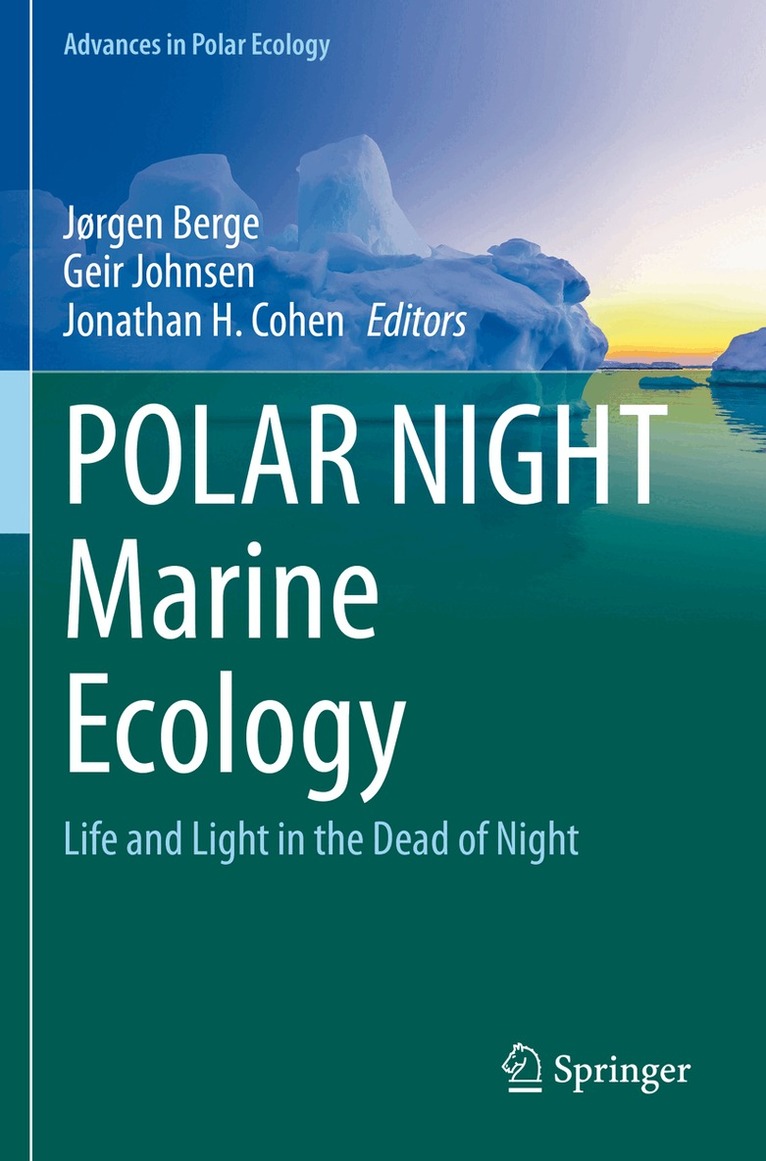
POLAR NIGHT Marine Ecology
Life and Light in the Dead of Night
Häftad, Engelska, 2021
1 273 kr
Skickas inom 10-15 vardagar
Until recently, the prevailing view of marine life at high latitudes has been that organisms enter a general resting state during the dark Polar Night and that the system only awakens with the return of the sun. Recent research, however, with coordinated, multidisciplinary field campaigns based on the high Arctic Archipelago of Svalbard, have provided a radical new perspective. Instead of a system in dormancy, a new perspective of a system in full operation and with high levels of activity across all major phyla is emerging. Examples of such activities and processes include: Active marine organisms at sea surface, water column and the sea-floor. At surface we find active foraging in seabirds and fish, in the water column we find a high biodiversity and activity of zooplankton and larvae such as active light induced synchronized diurnal vertical migration, and at seafloor there is a high biodiversity in benthic animals and macroalgae. The Polar Night is a period for reproductionin many benthic and pelagic taxa, mass occurrence of ghost shrimps (Caprellides), high abundance of Ctenophores, physiological evidence of micro- and macroalgal cells that are ready to utilize the first rays of light when they appear, deep water fishes found at water surface in the Polar night, and continuous growth of bivalves throughout the winter.These findings not only begin to shape a new paradigm for marine winter ecology in the high Arctic, but also provide conclusive evidence for a top-down controlled system in which primary production levels are close to zero. In an era of environmental change that is accelerated at high latitudes, we believe that this new insight is likely to strongly impact how the scientific community views the high latitude marine ecosystem. Despite the overwhelming darkness, the main environmental variable affecting marine organisms in the Polar Night is in fact light. The light regime during the Polar Night is unique with respect to lightintensity, spectral composition of light and photoperiod.
1 906 kr
Skickas inom 10-15 vardagar
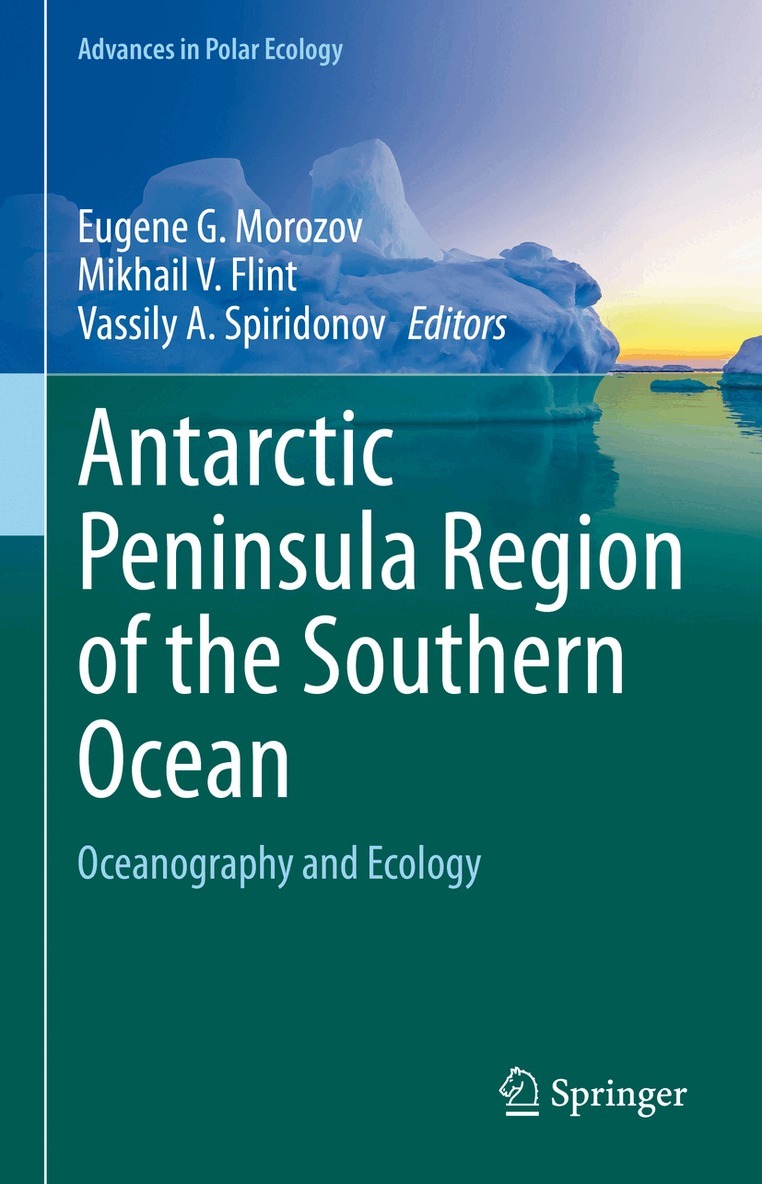
The book is based on results from the Russian expedition in the region of the Antarctic Peninsula and Powell Basin in the northern part of the Weddell Sea, as well as on the review of earlier research in the region.
1 906 kr
Skickas inom 10-15 vardagar
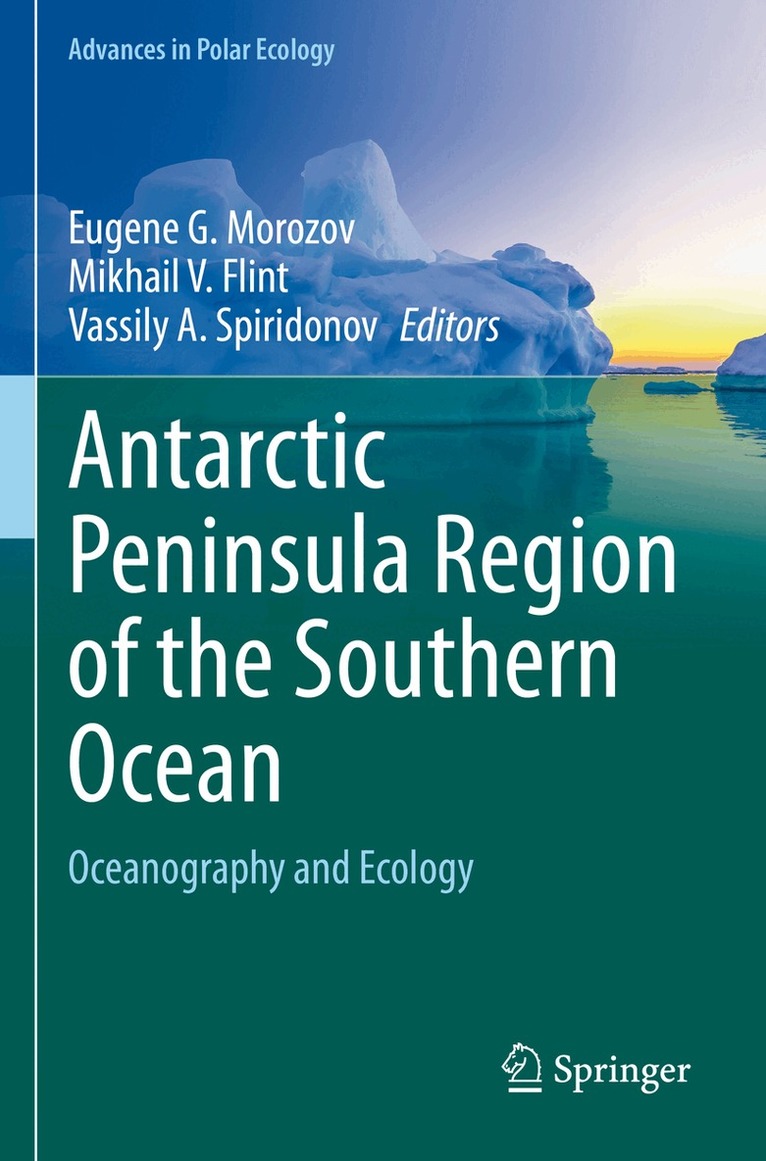
The book is based on results from the Russian expedition in the region of the Antarctic Peninsula and Powell Basin in the northern part of the Weddell Sea, as well as on the review of earlier research in the region.
1 589 kr
Skickas inom 10-15 vardagar
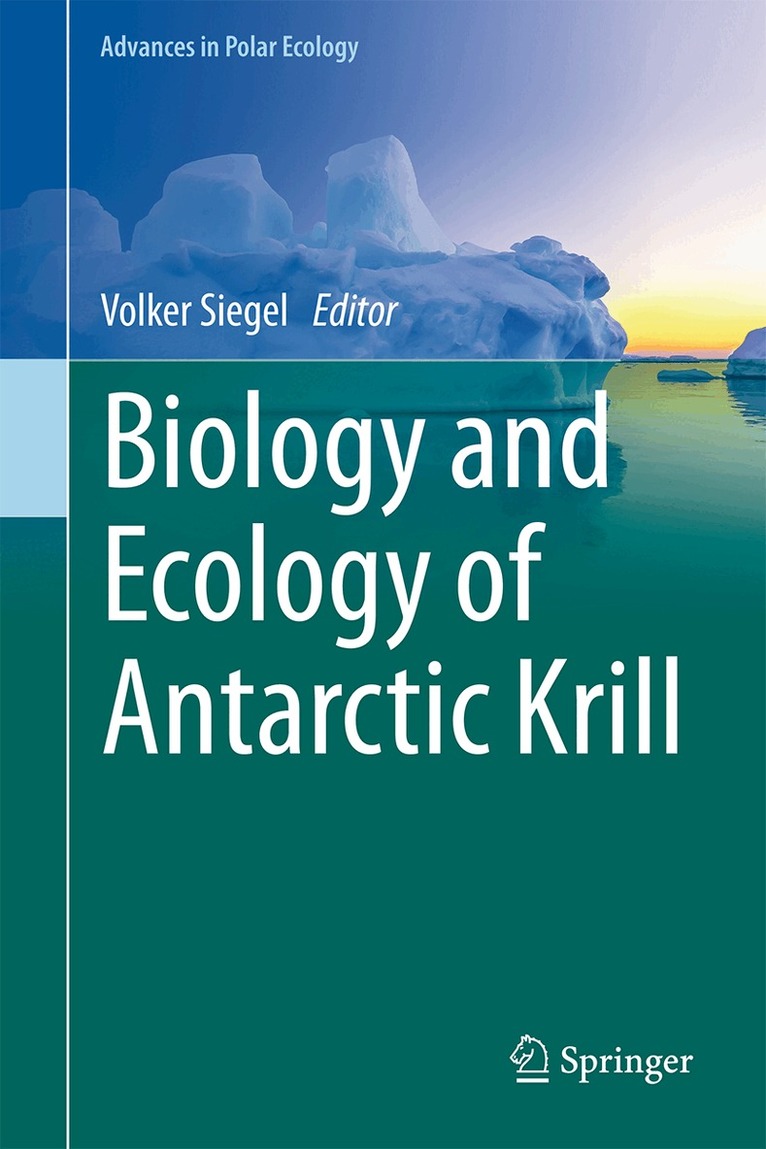
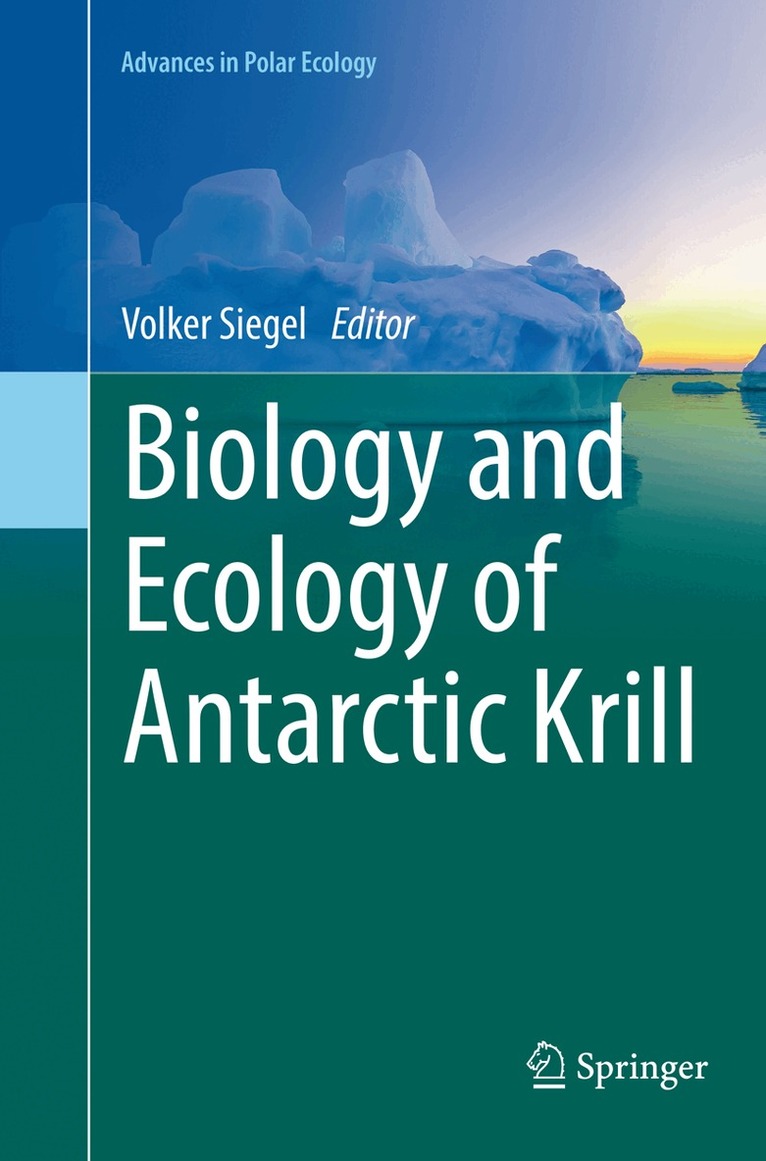
This book gives a unique insight into the current knowledge of krill population dynamics including distribution, biomass, production, recruitment, growth and mortality rates. Detailed analysis is provided on food and feeding, reproduction and krill behaviour. The volume provides an overview on the aspects of natural challenges to the species, which involve predation, parasites and the commercial exploitation of the resource and its management.A chapter on genetics shows the results of population subdivision and summarizes recent work on sequencing transcriptomes for studying gene function as part of the physiology of live krill. The focus of Chapter 4 is on physiological functions such as biochemical composition, metabolic activity and growth change with ontogeny and season; and will demonstrate which environmental factors are the main drivers for variability. Further discussed in this chapter are the bottle necks which occur in the annual life cycle of krill, and the mechanisms krill have adapted to cope with severe environmental condition.
2 117 kr
Skickas inom 10-15 vardagar
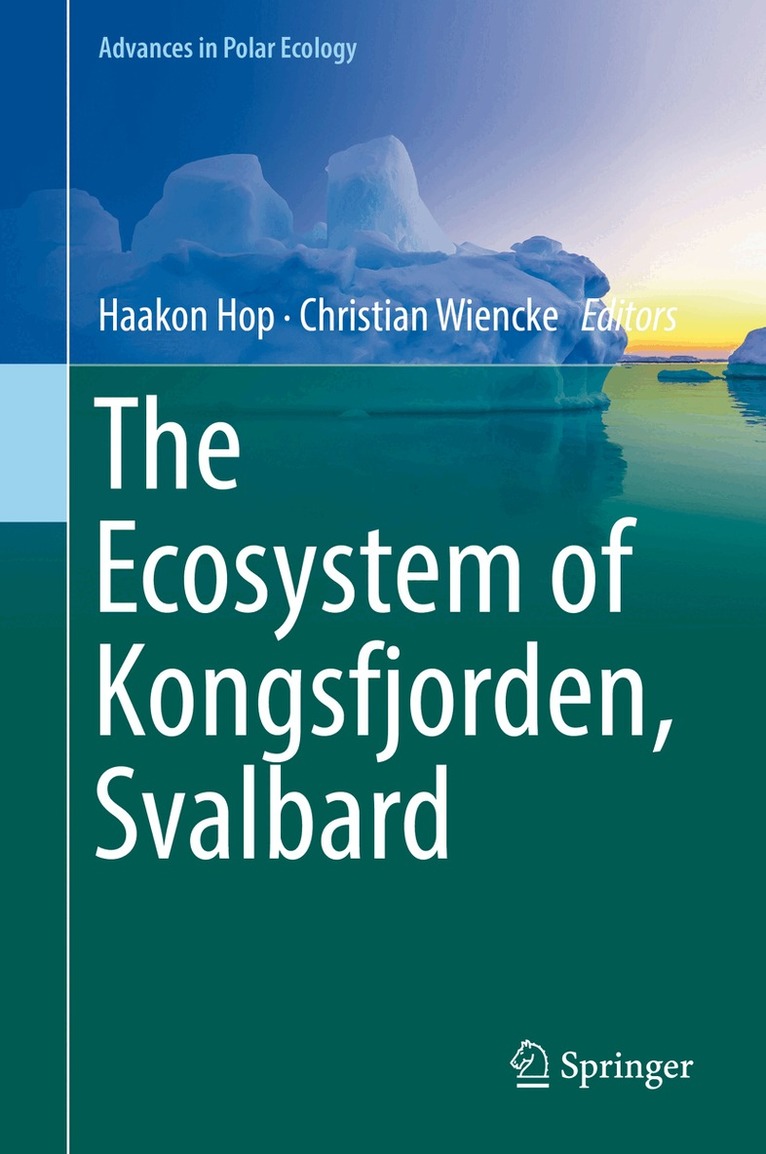
This book focuses in detail on all ecologically important aspects of the Kongsfjorden system such as the marine and atmospheric environment including long-term monitoring, Ecophysiology of individual species, structure and function of the ecosystem, ecological processes and biological communities.The contributed articles include review articles and research articles that have a wider approach and bring the current research up-to-date. This book will form a baseline for future work.
Del 3 - Advances in Polar Ecology
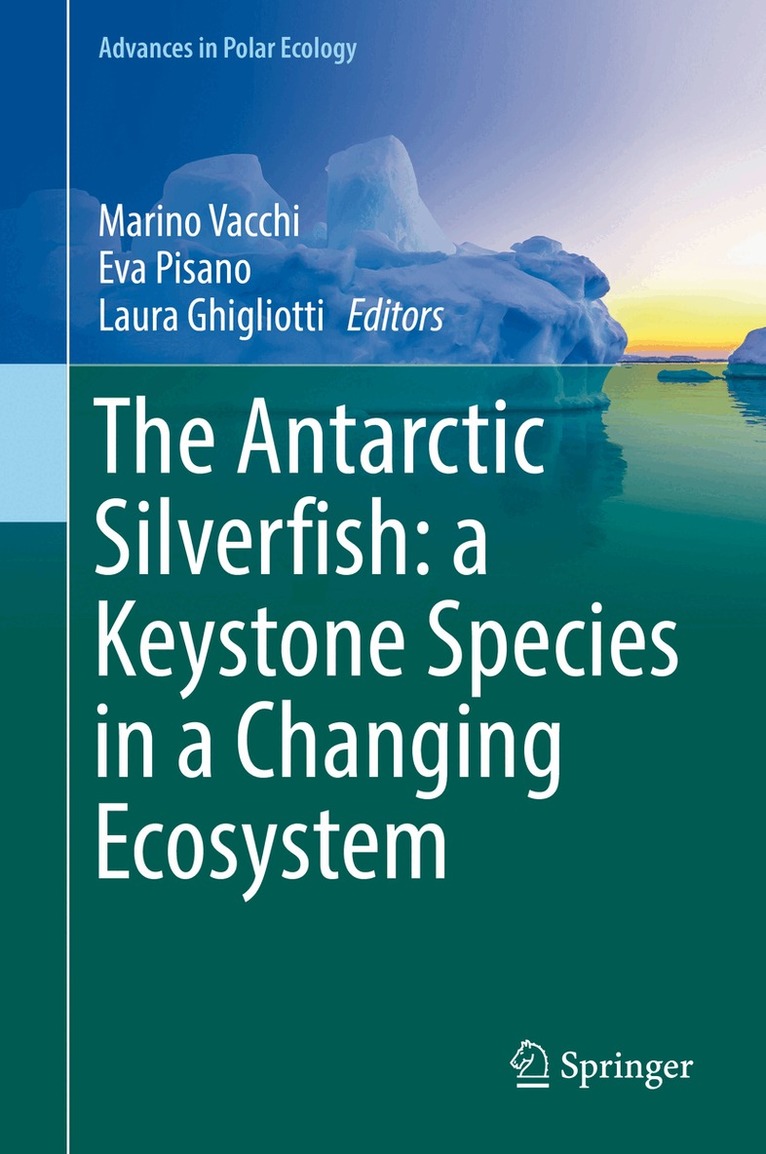
Antarctic Silverfish: a Keystone Species in a Changing Ecosystem
Inbunden, Engelska, 2017
1 062 kr
Skickas inom 10-15 vardagar
This book encompasses the body of available scientific information on the notothenioid fish Pleuragramma antarctica commonly known as Antarctic silverfish. This plankton-feeder of the intermediate trophic level is the most abundant fish in the coastal regions of high Antarctica, and plays a pivotal ecological role as the main prey of top predators like seals, penguins, whales and Antarctic toothfish. Broad circum-polar distribution, a key role in the Antarctic shelf pelagic ecosystem, and adaptations makes understanding the species’ likely response to environmental change relevant to foresee the potential responses at the local ecosystem level. Additionally, a detailed understanding of the abundance and trophic interactions of such a dominant keystone species is a vital element of informing the development of marine spatial planning and marine protected areas in the Antarctic continental shelf region.Experts in the field provide here unique insights intothe evolutionary adaptation, eco-physiology, trophic ecology, reproductive and population ecology of the Antarctic silverfish and provide new clues about its vulnerability in facing the challenges of the ongoing environmental changes.
1 589 kr
Skickas inom 10-15 vardagar
This book gives a unique insight into the current knowledge of krill population dynamics including distribution, biomass, production, recruitment, growth and mortality rates.
Del 3 - Advances in Polar Ecology
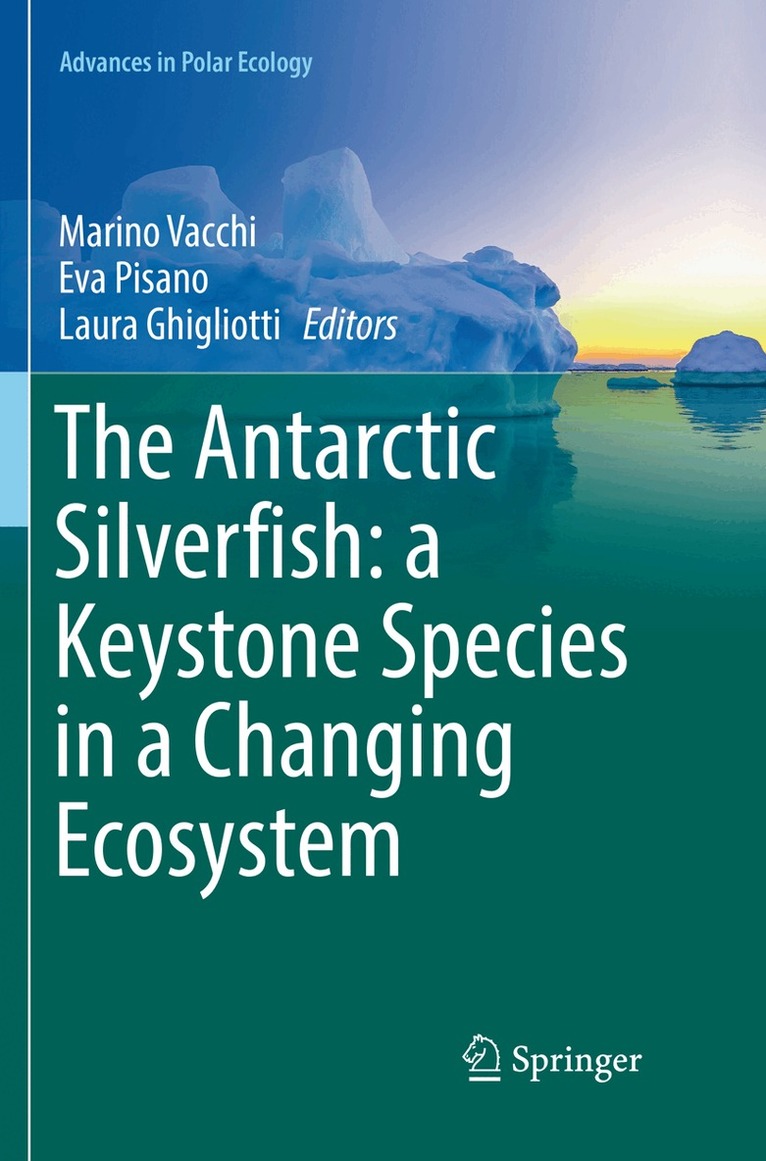
Antarctic Silverfish: a Keystone Species in a Changing Ecosystem
Häftad, Engelska, 2018
1 062 kr
Skickas inom 10-15 vardagar
This book encompasses the body of available scientific information on the notothenioid fish Pleuragramma antarctica commonly known as Antarctic silverfish. This plankton-feeder of the intermediate trophic level is the most abundant fish in the coastal regions of high Antarctica, and plays a pivotal ecological role as the main prey of top predators like seals, penguins, whales and Antarctic toothfish. Broad circum-polar distribution, a key role in the Antarctic shelf pelagic ecosystem, and adaptations makes understanding the species’ likely response to environmental change relevant to foresee the potential responses at the local ecosystem level. Additionally, a detailed understanding of the abundance and trophic interactions of such a dominant keystone species is a vital element of informing the development of marine spatial planning and marine protected areas in the Antarctic continental shelf region.Experts in the field provide here unique insights intothe evolutionary adaptation, eco-physiology, trophic ecology, reproductive and population ecology of the Antarctic silverfish and provide new clues about its vulnerability in facing the challenges of the ongoing environmental changes.