Inventions: Black Philosophy, Politics, Aesthetics – serie
Visar alla böcker i serien Inventions: Black Philosophy, Politics, Aesthetics. Handla med fri frakt och snabb leverans.
10 produkter
10 produkter
Inbunden, Engelska, 2023
1 637 kr
Skickas inom 5-8 vardagar
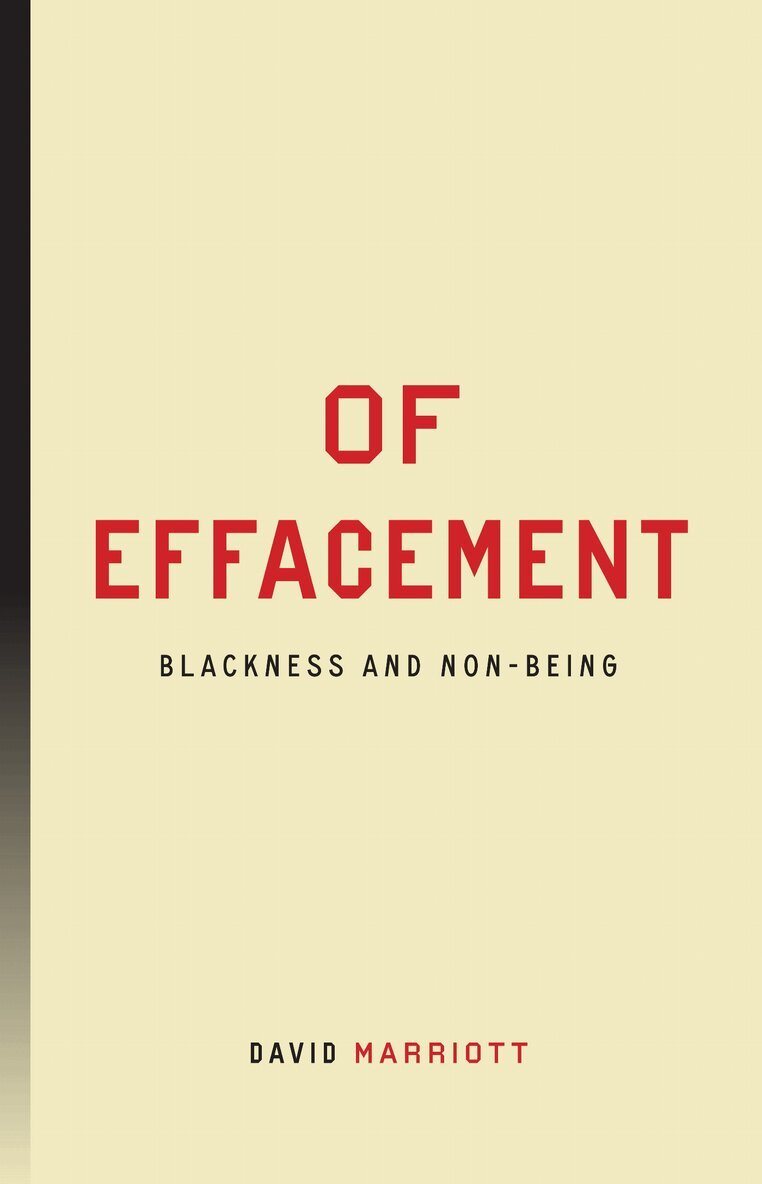
In Of Effacement, David Marriott endeavors to demolish established opinion about what blackness is and reorient our understanding of what it is not in art, philosophy, autobiography, literary theory, political theory, and psychoanalysis. With the critical rigor and polemical bravura which he displayed in Whither Fanon? Marriott here considers the relationships between language, judgement and effacement, and shows how effacement has become the dominant force in anti-blackness. Both skeptically and emphatically, Marriott presents a series of radical philosophical engagements with Fanon's "is not" (n'est pas) and its "black" political truth. How does one speak—let alone represent—that which is without existence? Is blackness n'est pas because it has yet to be thought as blackness? And if so, when Fanon writes of blackness, that it is n'est pas (is not), where should one look to make sense of this n'est pas? Marriott anchors these questions by addressing the most fundamental perennial questions concerning the nature of freedom, resistance, mastery, life, and liberation, via a series of analyses of such key figures as Huey Newton, Nietzsche, Malcolm X, Edward Said, Georges Bataille, Stuart Hall, and Lacan. He thus develops the basis for a reading of blackness by recasting its effacement as an identity, while insisting on it as a fundamental question for philosophy.
Inbunden, Engelska, 2026
1 290 kr
Kommande
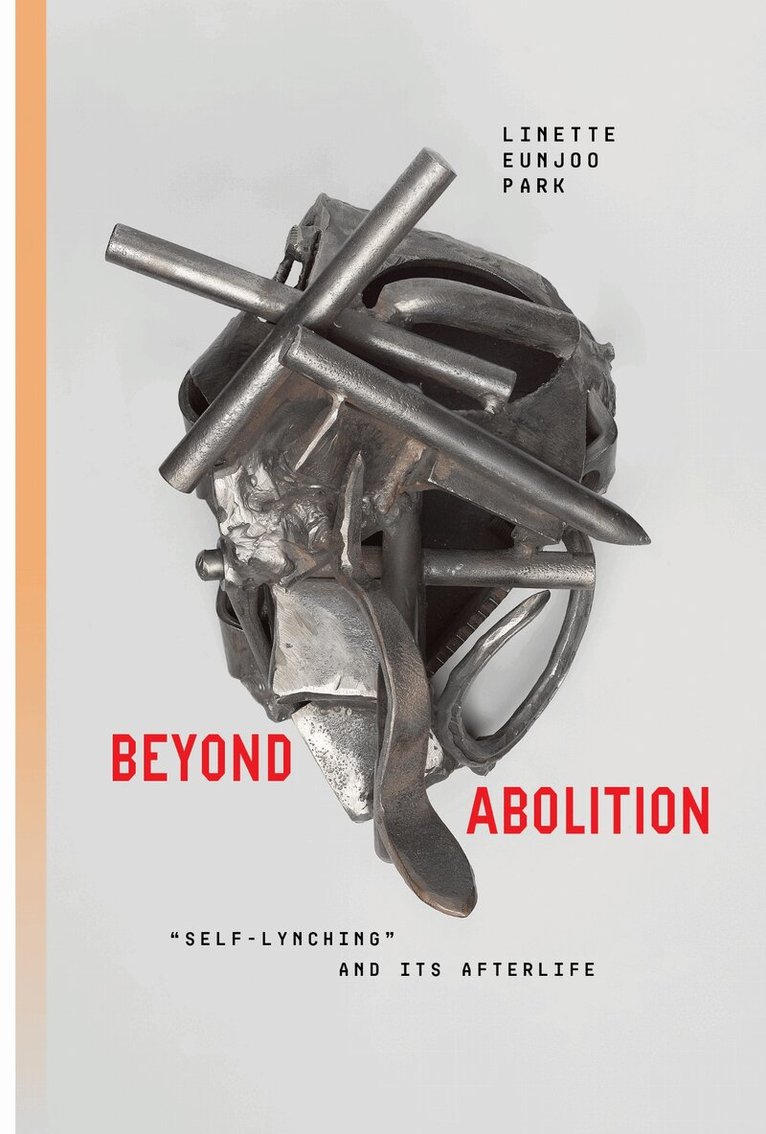
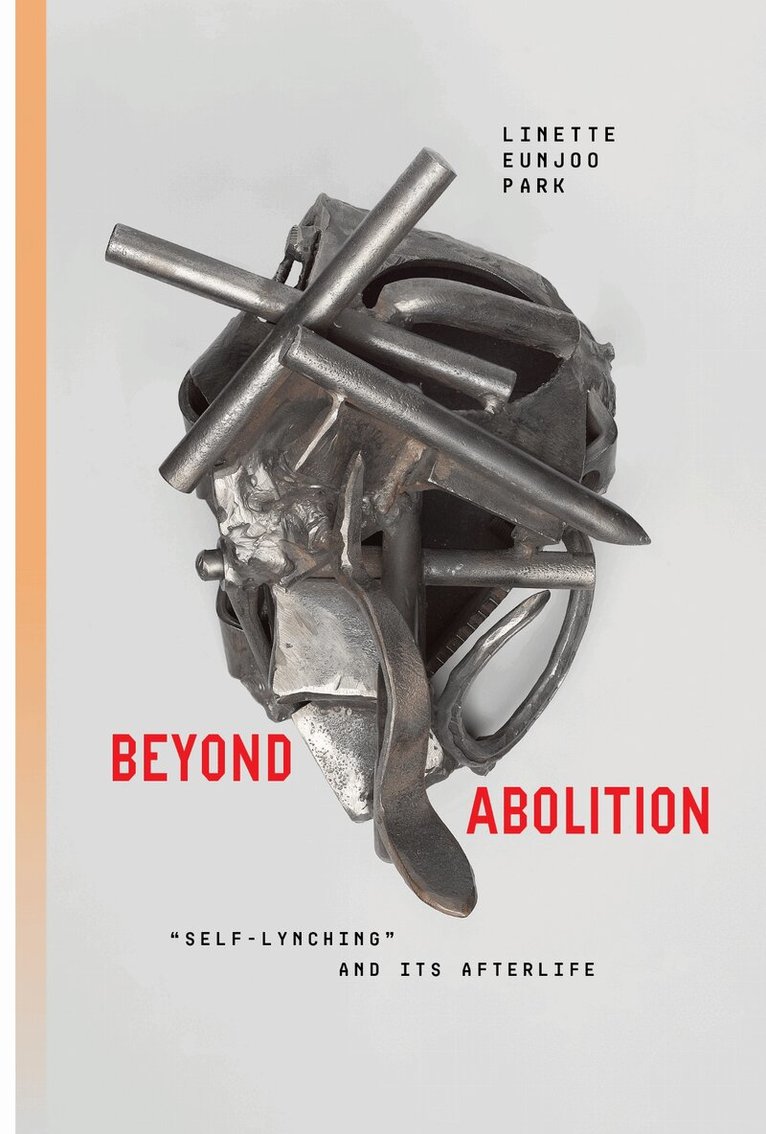
In this pathbreaking work, Linette Eunjoo Park tackles a core crisis in modern thought: how to critique antiblack violence without inadvertently preserving the violence itself. Arguing that previous radical theories – from critiques of racial capitalism to discourses of abolition – have failed to capture the unique, foundational violence of antiblackness, Park develops a framework that challenges the very limits of what critical thought can achieve against the staggering evidence of antiblackness.The book moves beyond conventional historical or legal analyses to examine how antiblack violence – specifically through the concept of the "self-lynching" – is produced and enforced by the very legal and symbolic systems designed to abolish it. Focusing on contemporary arrests made under the "felony lynching" penal code in California, the book unearths a genealogy that authorizes these charges. Through an innovative analysis of case studies – including the historical elision of anti-lynching activist Delilah Beasley, Melvin Edwards's sculptures, Torkwase Dyson's paintings, and the judicial spectacle of Clarence Thomas's hearing – Beyond Abolition reveals the ultimate failure of racial representation to contain or critique antiblackness. By tarrying with these aesthetic and juridical fragments, the book exposes a structural and psychical "lynching" of blackness that persists even, and especially, within our most celebrated critical frameworks. It proposes a methodological shift: the urgent need to move past the imagination of a "real abolition" and toward the confrontation with the un-settable, violent foundation of the modern world.
Inbunden, Engelska, 2025
1 637 kr
Skickas inom 5-8 vardagar
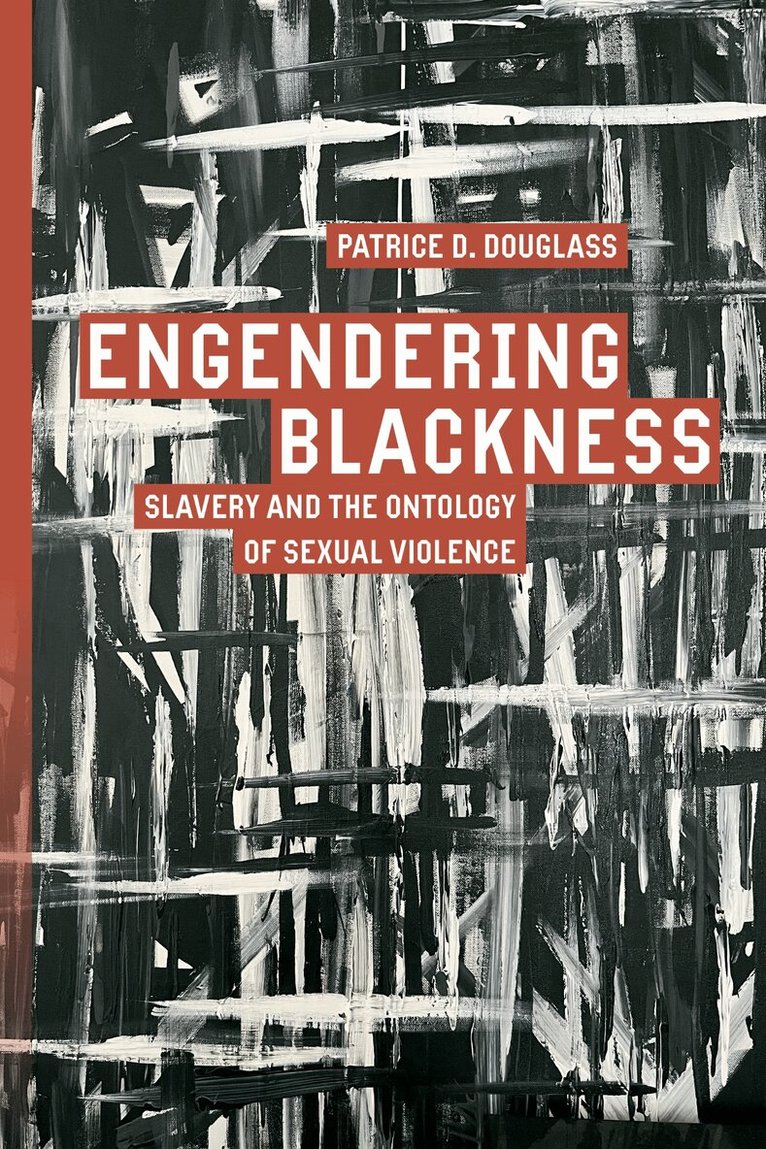
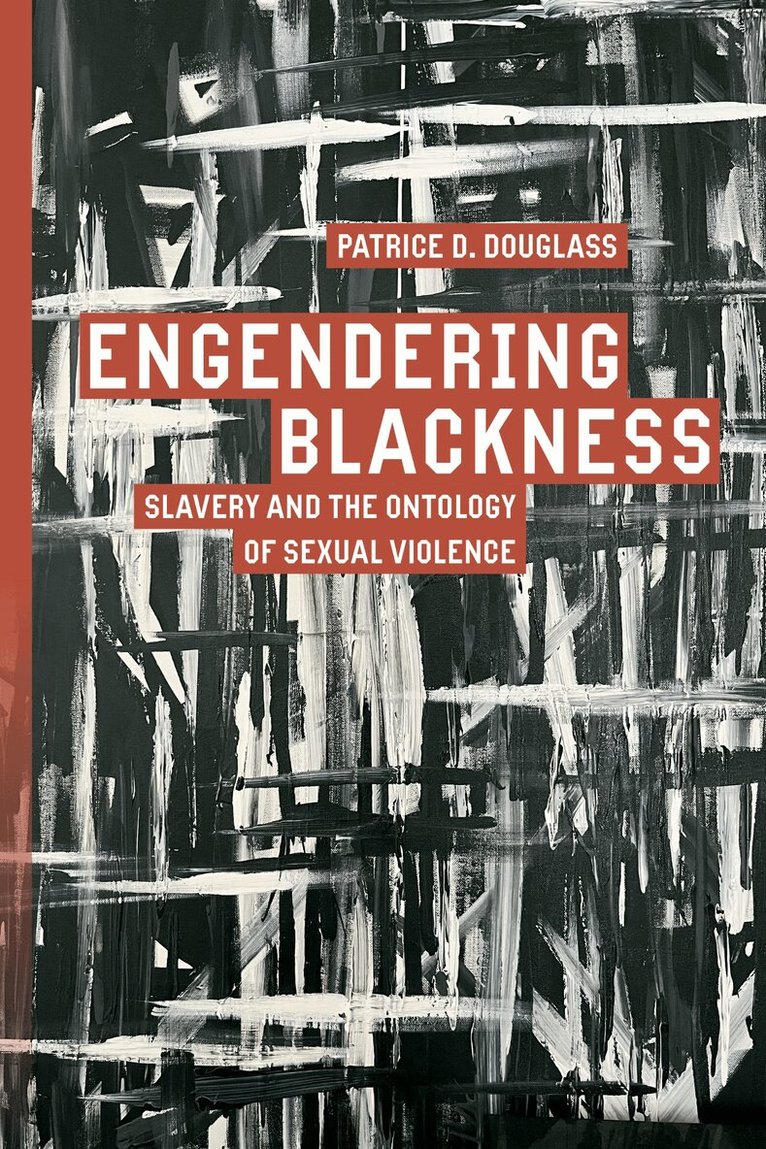
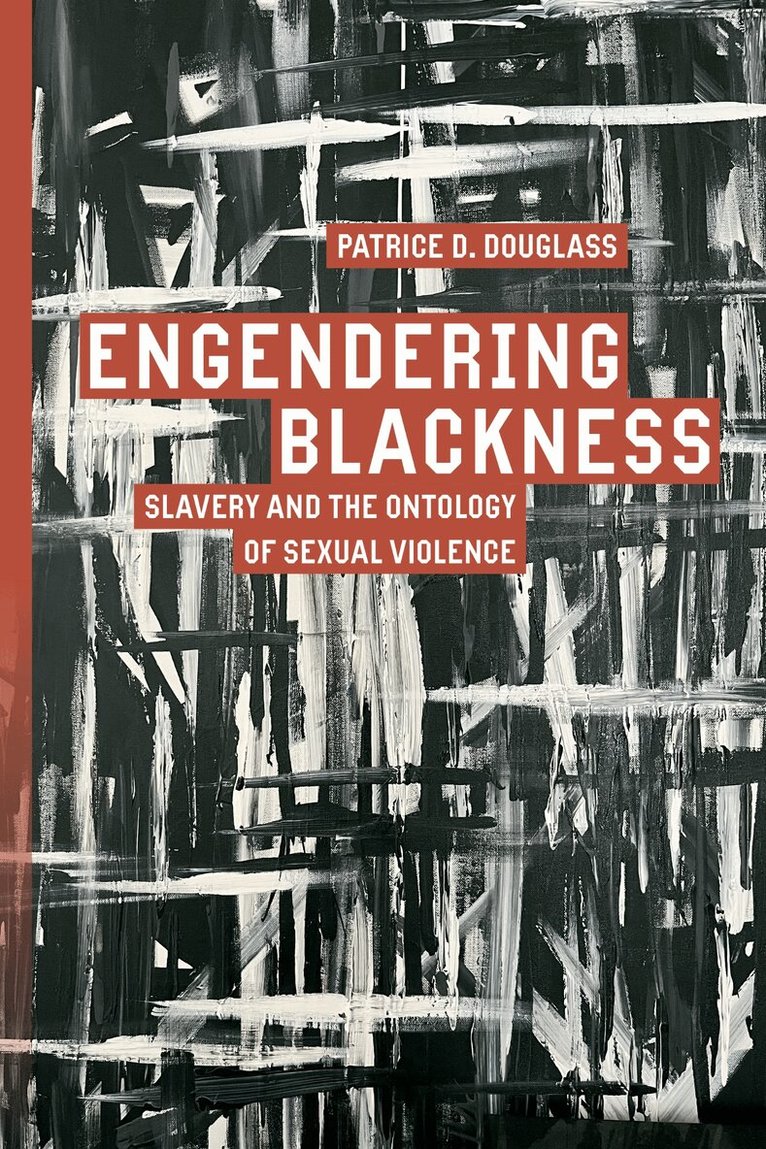
In this incisive new book, Patrice D. Douglass interrogates the relationship between sexual violence and modern racial slavery and finds it not only inseverable but also fundamental to the structural predicaments facing Blackness in the present. Douglass contends that the sexual violability of slaves is often misappropriated by frameworks on sexual violence that privilege its occurrences as a question of ethics, sexual agency, and feminine orders of gendering. Rather, this book foregrounds Blackness as engendered by sexual violence, which forcefully (re)produces Blackness, corporeally and conceptually, as a condition that lacks the capacity to ontologically distinguish its suffering from what it means to be human. By employing and critically revising Black feminist theory and Afro-pessimism, Douglass reveals that engaging primarily with the sexualization of the slave forces theories of sexual violence to interrogate why this violence—one of the most prevalent under slavery—continues to lack a grammar of fundamental redress. There are no reparations struggles for the generational transfer of sexual violation and the inability of present frameworks to rectify the sexual stains of slavery lies precisely in the fact that what made this history possible continues to haunt arrangements of life today. Engendering Blackness urgently articulates the way our present understandings of Blackness and humanness are bound by this vexed sexual history.
Inbunden, Engelska, 2023
1 423 kr
Skickas inom 5-8 vardagar
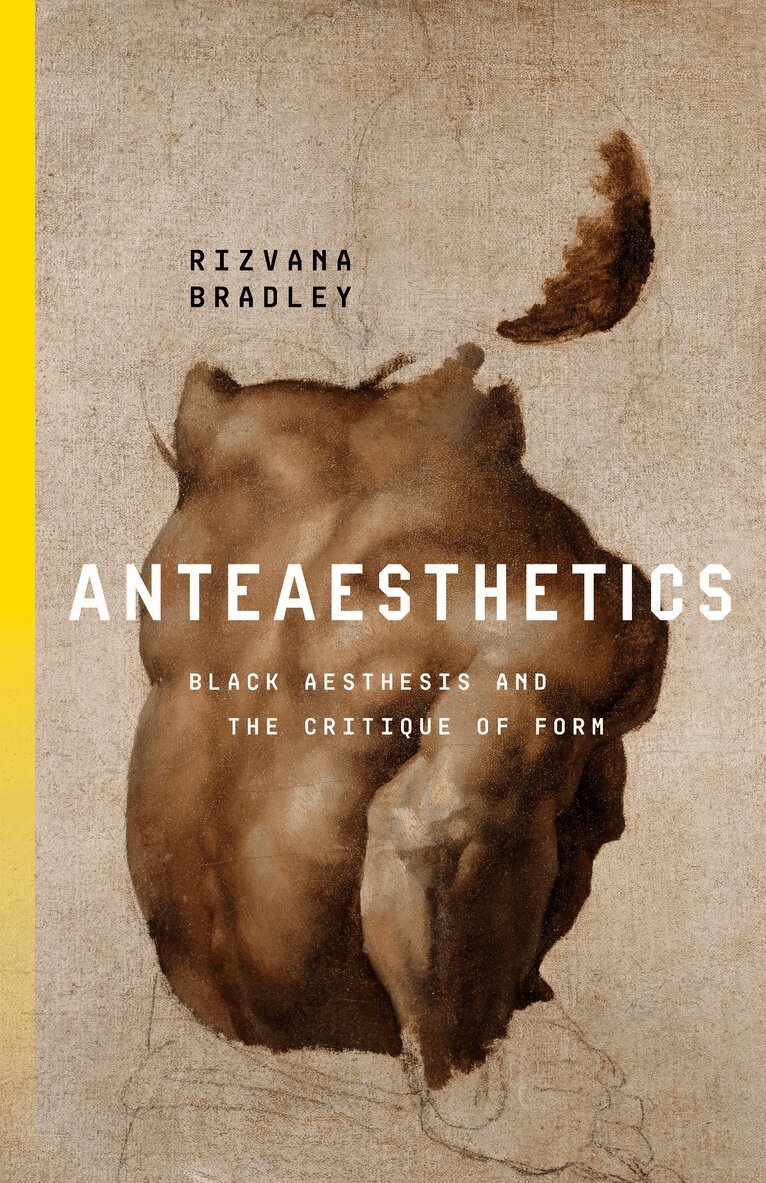
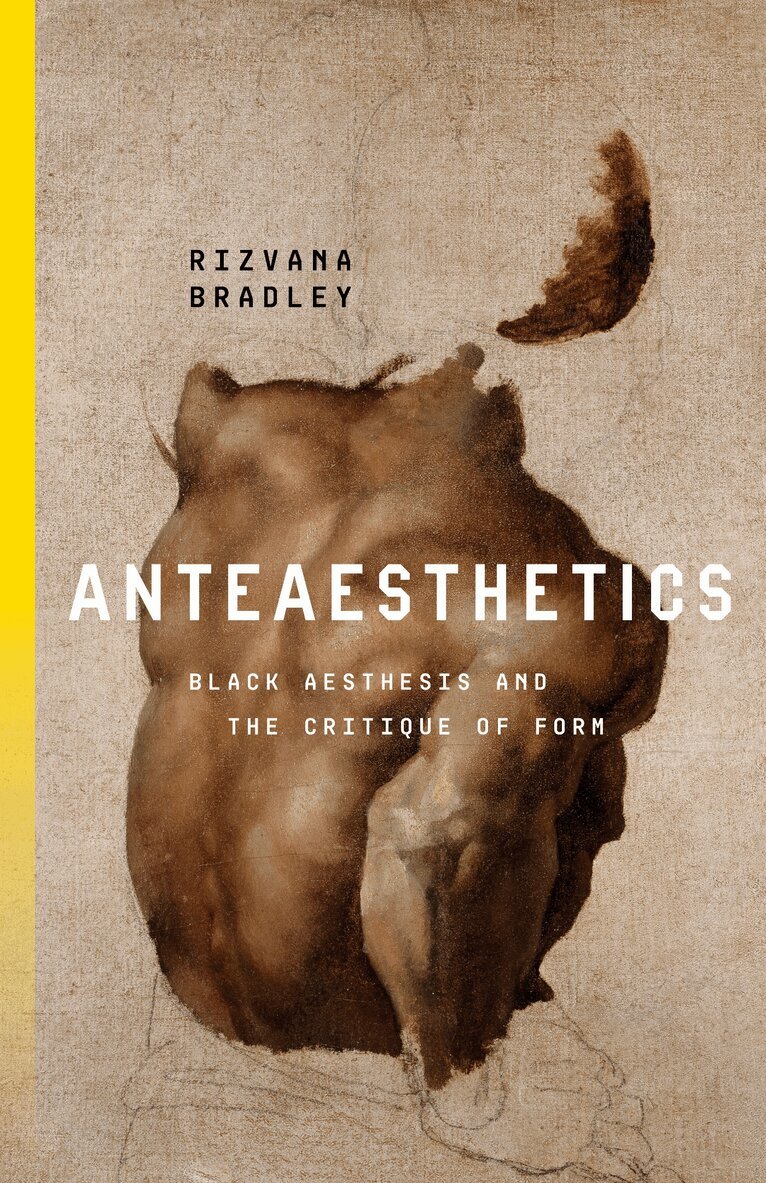
In Anteaesthetics, Rizvana Bradley begins from the proposition that blackness cannot be represented in modernity's aesthetic regime, but is nevertheless foundational to every representation. Troubling the idea that the aesthetic is sheltered from the antiblack terror that lies just beyond its sanctuary, Bradley insists that blackness cannot make a home within the aesthetic, yet is held as its threshold and aporia. The book problematizes the phenomenological and ontological conceits that underwrite the visual, sensual, and abstract logics of modernity.Moving across multiple histories and geographies, artistic mediums and forms, from nineteenth-century painting and early cinema, to the contemporary text-based works, video installations, and digital art of Glenn Ligon, Mickalene Thomas, and Sondra Perry, Bradley inaugurates a new method for interpretation—an ante-formalism which demonstrates how black art engages in the recursive deconstruction of the aesthetic forms that remain foundational to modernity. Foregrounding the negativity of black art, Bradley shows how each of these artists disclose the racialized contours of the body, form, and medium, even interrogating the form that is the world itself. Drawing from black critical theory, Continental philosophy, film and media studies, art history, and black feminist thought, Bradley explores artistic practices that inhabit the negative underside of form. Ultimately, Anteaesthetics asks us to think philosophically with black art, and with the philosophical invention black art necessarily undertakes.
Häftad, Engelska, 2023
320 kr
Skickas inom 5-8 vardagar
In Anteaesthetics, Rizvana Bradley begins from the proposition that blackness cannot be represented in modernity's aesthetic regime, but is nevertheless foundational to every representation. Troubling the idea that the aesthetic is sheltered from the antiblack terror that lies just beyond its sanctuary, Bradley insists that blackness cannot make a home within the aesthetic, yet is held as its threshold and aporia. The book problematizes the phenomenological and ontological conceits that underwrite the visual, sensual, and abstract logics of modernity.Moving across multiple histories and geographies, artistic mediums and forms, from nineteenth-century painting and early cinema, to the contemporary text-based works, video installations, and digital art of Glenn Ligon, Mickalene Thomas, and Sondra Perry, Bradley inaugurates a new method for interpretation—an ante-formalism which demonstrates how black art engages in the recursive deconstruction of the aesthetic forms that remain foundational to modernity. Foregrounding the negativity of black art, Bradley shows how each of these artists disclose the racialized contours of the body, form, and medium, even interrogating the form that is the world itself. Drawing from black critical theory, Continental philosophy, film and media studies, art history, and black feminist thought, Bradley explores artistic practices that inhabit the negative underside of form. Ultimately, Anteaesthetics asks us to think philosophically with black art, and with the philosophical invention black art necessarily undertakes.
Häftad, Engelska, 2023
378 kr
Skickas
In Of Effacement, David Marriott endeavors to demolish established opinion about what blackness is and reorient our understanding of what it is not in art, philosophy, autobiography, literary theory, political theory, and psychoanalysis. With the critical rigor and polemical bravura which he displayed in Whither Fanon? Marriott here considers the relationships between language, judgement and effacement, and shows how effacement has become the dominant force in anti-blackness. Both skeptically and emphatically, Marriott presents a series of radical philosophical engagements with Fanon's "is not" (n'est pas) and its "black" political truth. How does one speak—let alone represent—that which is without existence? Is blackness n'est pas because it has yet to be thought as blackness? And if so, when Fanon writes of blackness, that it is n'est pas (is not), where should one look to make sense of this n'est pas? Marriott anchors these questions by addressing the most fundamental perennial questions concerning the nature of freedom, resistance, mastery, life, and liberation, via a series of analyses of such key figures as Huey Newton, Nietzsche, Malcolm X, Edward Said, Georges Bataille, Stuart Hall, and Lacan. He thus develops the basis for a reading of blackness by recasting its effacement as an identity, while insisting on it as a fundamental question for philosophy.
E-bok
Engelska, 2023464 kr
Läs direkt efter köp
In Of Effacement, David Marriott endeavors to demolish established opinion about what blackness is and reorient our understanding of what it is not in art, philosophy, autobiography, literary theory, political theory, and psychoanalysis. With the critical rigor and polemical bravura which he displayed in Whither Fanon? Marriott here considers the relationships between language, judgement and effacement, and shows how effacement has become the dominant force in anti-blackness. Both skeptically and emphatically, Marriott presents a series of radical philosophical engagements with Fanon's "is not" (n'est pas) and its "black" political truth. How does one speak—let alone represent—that which is without existence? Is blackness n'est pas because it has yet to be thought as blackness? And if so, when Fanon writes of blackness, that it is n'est pas (is not), where should one look to make sense of this n'est pas? Marriott anchors these questions by addressing the most fundamental perennial questions concerning the nature of freedom, resistance, mastery, life, and liberation, via a series of analyses of such key figures as Huey Newton, Nietzsche, Malcolm X, Edward Said, Georges Bataille, Stuart Hall, and Lacan. He thus develops the basis for a reading of blackness by recasting its effacement as an identity, while insisting on it as a fundamental question for philosophy.
Häftad, Engelska, 2025
378 kr
Skickas
In this incisive new book, Patrice D. Douglass interrogates the relationship between sexual violence and modern racial slavery and finds it not only inseverable but also fundamental to the structural predicaments facing Blackness in the present. Douglass contends that the sexual violability of slaves is often misappropriated by frameworks on sexual violence that privilege its occurrences as a question of ethics, sexual agency, and feminine orders of gendering. Rather, this book foregrounds Blackness as engendered by sexual violence, which forcefully (re)produces Blackness, corporeally and conceptually, as a condition that lacks the capacity to ontologically distinguish its suffering from what it means to be human. By employing and critically revising Black feminist theory and Afro-pessimism, Douglass reveals that engaging primarily with the sexualization of the slave forces theories of sexual violence to interrogate why this violence—one of the most prevalent under slavery—continues to lack a grammar of fundamental redress. There are no reparations struggles for the generational transfer of sexual violation and the inability of present frameworks to rectify the sexual stains of slavery lies precisely in the fact that what made this history possible continues to haunt arrangements of life today. Engendering Blackness urgently articulates the way our present understandings of Blackness and humanness are bound by this vexed sexual history.
E-bok
Engelska, 2025448 kr
Läs direkt efter köp
In this incisive new book, Patrice D. Douglass interrogates the relationship between sexual violence and modern racial slavery and finds it not only inseverable but also fundamental to the structural predicaments facing Blackness in the present. Douglass contends that the sexual violability of slaves is often misappropriated by frameworks on sexual violence that privilege its occurrences as a question of ethics, sexual agency, and feminine orders of gendering. Rather, this book foregrounds Blackness as engendered by sexual violence, which forcefully (re)produces Blackness, corporeally and conceptually, as a condition that lacks the capacity to ontologically distinguish its suffering from what it means to be human. By employing and critically revising Black feminist theory and Afro-pessimism, Douglass reveals that engaging primarily with the sexualization of the slave forces theories of sexual violence to interrogate why this violence—one of the most prevalent under slavery—continues to lack a grammar of fundamental redress. There are no reparations struggles for the generational transfer of sexual violation and the inability of present frameworks to rectify the sexual stains of slavery lies precisely in the fact that what made this history possible continues to haunt arrangements of life today. Engendering Blackness urgently articulates the way our present understandings of Blackness and humanness are bound by this vexed sexual history.
Häftad, Engelska, 2026
303 kr
Kommande
In this pathbreaking work, Linette Eunjoo Park tackles a core crisis in modern thought: how to critique antiblack violence without inadvertently preserving the violence itself. Arguing that previous radical theories – from critiques of racial capitalism to discourses of abolition – have failed to capture the unique, foundational violence of antiblackness, Park develops a framework that challenges the very limits of what critical thought can achieve against the staggering evidence of antiblackness. The book moves beyond conventional historical or legal analyses to examine how antiblack violence – specifically through the concept of the "self-lynching" – is produced and enforced by the very legal and symbolic systems designed to abolish it.Focusing on contemporary arrests made under the "felony lynching" penal code in California, the book unearths a genealogy that authorizes these charges. Through an innovative analysis of case studies – including the historical elision of anti-lynching activist Delilah Beasley, Melvin Edwards's sculptures, Torkwase Dyson's paintings, and the judicial spectacle of Clarence Thomas's hearing – Beyond Abolition reveals the ultimate failure of racial representation to contain or critique antiblackness. By tarrying with these aesthetic and juridical fragments, the book exposes a structural and psychical "lynching" of blackness that persists even, and especially, within our most celebrated critical frameworks. It proposes a methodological shift: the urgent need to move past the imagination of a "real abolition" and toward the confrontation with the un-settable, violent foundation of the modern world.