AI for Risks – serie
Visar alla böcker i serien AI for Risks. Handla med fri frakt och snabb leverans.
8 produkter
8 produkter
Inbunden, Engelska, 2022
561 kr
Skickas inom 10-15 vardagar
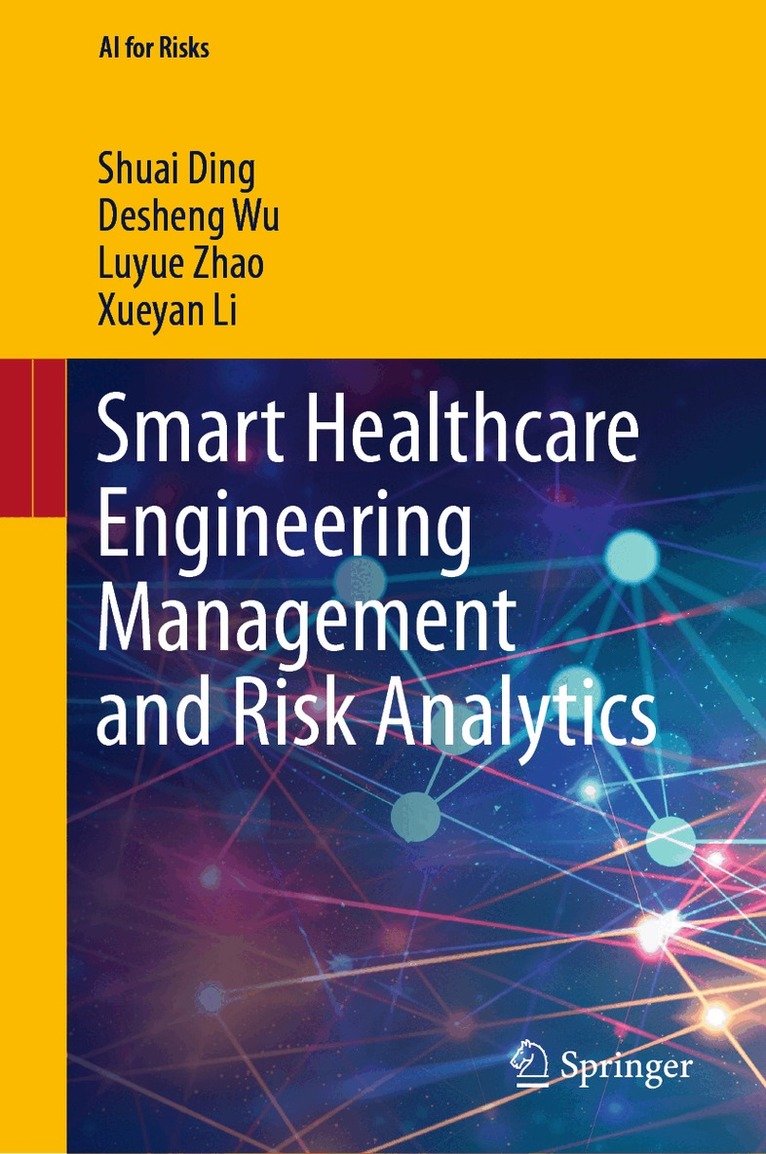
This book aims to stay one step beyond the innovations of information and communication technologies and smart healthcare management and provides an overview of the risks smart healthcare management could help to alleviate, and those risks it would create or amplify. Inclusive discussions of the core of smart healthcare services in the perspective of system engineering are enclosed, such as smart healthcare definition, data information knowledge service, and intelligent hospital management. Summaries of technological and theoretical innovations spanning each step of the modern healthcare system are included, from health screening, clinical diagnosis, cancer screening, to in-hospital mortality monitoring, minimally invasive surgeries, and medical data storages. Analytics of risks reduced and induced by these innovations are provided, with potential solutions to such risks in healthcare management discussed. This book seeks to provide demonstrative examples of incidence capable innovations of healthcare technologies, which, while greatly enhancing abilities of healthcare workers and institutions, could pose risks to patients and sometimes even greater threats to the integrity of the healthcare system. The style of the book is intended to be demonstrative but most suited for researchers and graduate students, explaining the methodology behind healthcare innovations, with some citations and some deep scholarly reference.
Häftad, Engelska, 2023
561 kr
Skickas inom 10-15 vardagar
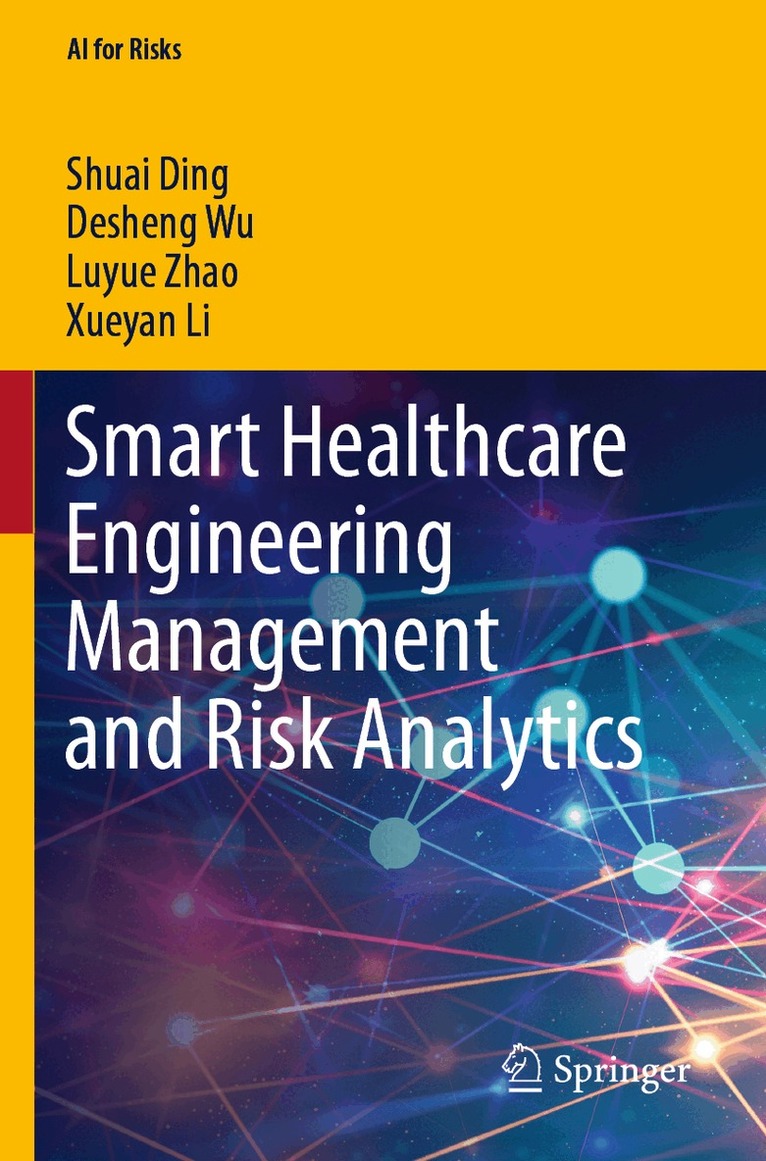
This book aims to stay one step beyond the innovations of information and communication technologies and smart healthcare management and provides an overview of the risks smart healthcare management could help to alleviate, and those risks it would create or amplify. Inclusive discussions of the core of smart healthcare services in the perspective of system engineering are enclosed, such as smart healthcare definition, data information knowledge service, and intelligent hospital management. Summaries of technological and theoretical innovations spanning each step of the modern healthcare system are included, from health screening, clinical diagnosis, cancer screening, to in-hospital mortality monitoring, minimally invasive surgeries, and medical data storages. Analytics of risks reduced and induced by these innovations are provided, with potential solutions to such risks in healthcare management discussed. This book seeks to provide demonstrative examples of incidence capable innovations of healthcare technologies, which, while greatly enhancing abilities of healthcare workers and institutions, could pose risks to patients and sometimes even greater threats to the integrity of the healthcare system. The style of the book is intended to be demonstrative but most suited for researchers and graduate students, explaining the methodology behind healthcare innovations, with some citations and some deep scholarly reference.
Inbunden, Engelska, 2025
1 670 kr
Skickas inom 10-15 vardagar
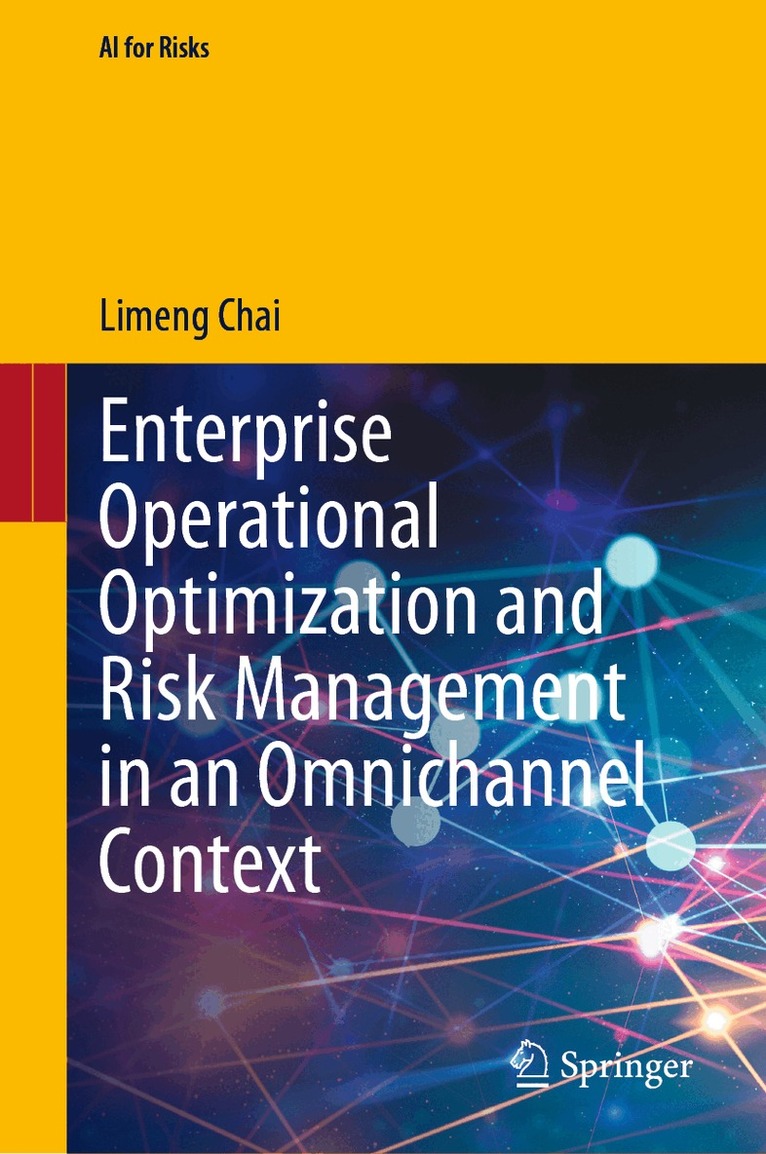
This book provides a comprehensive guide to navigating the complexities in modern business landscape which is increasingly defined by the omnichannel paradigm, offering practical strategies and theoretical frameworks for optimizing operations, managing risks, and making informed decisions in the omnichannel world. It delves into crucial areas like pricing strategies in dual-channel supply chains, exploring the nuances of "Buy Online, Pick-up in Store" (BOPS) models, and addressing the critical intersection of sustainability and supply chain omnichannel operations.
Inbunden, Engelska, 2025
1 670 kr
Skickas inom 10-15 vardagar
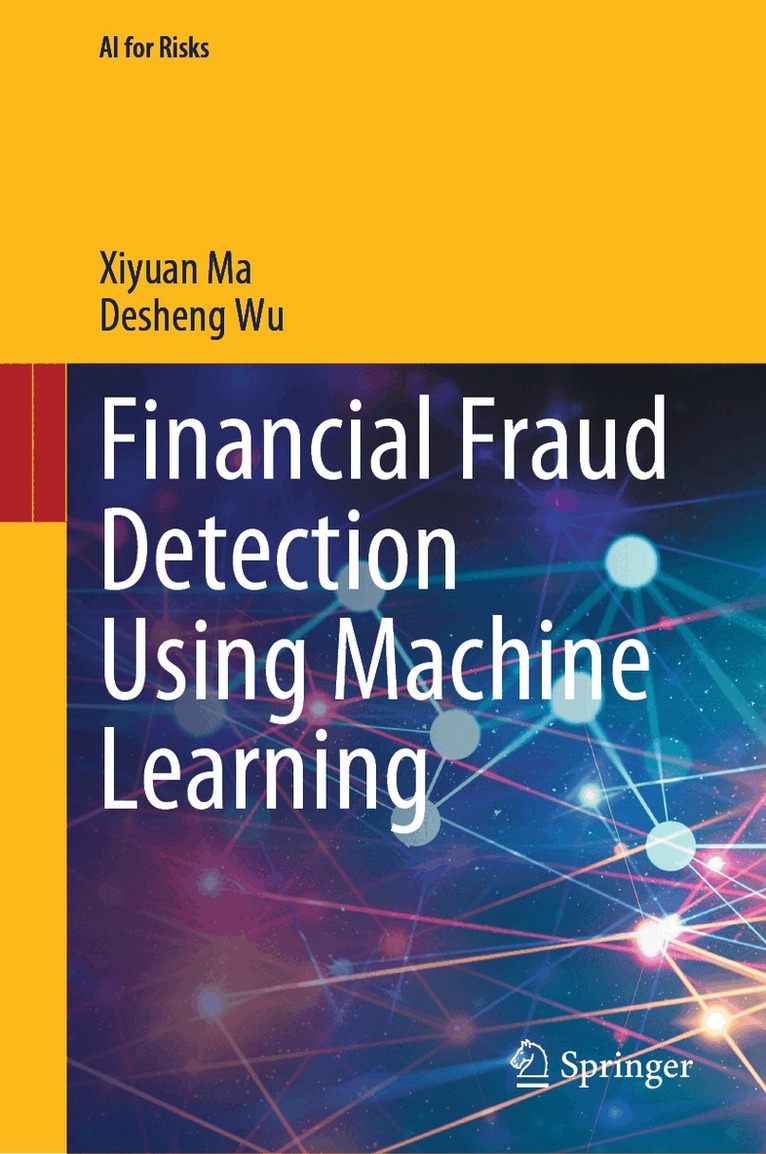
This book serves as a comprehensive guide to learning various aspects of financial fraud, encompassing the related research, the current situation, potential causes, implementation process, detection methods, regulatory penalties and management challenges in publicly listed companies. In this book, readers learn about the fraudulent practices that may occur in corporate operations, the executing mechanisms, an identifying indicators framework, and diverse detection methods including qualitative and quantitative models. Quantitative models include discriminant analysis, econometric analysis, and machine learning (ML) models. This book highlights the application of ML algorithms to detect financial fraud detection and discusses their limitations, such as high false-positive costs, delayed detection, the demand for interdisciplinary expertise, dependency on specific application scenarios, and issues with fraud data quality. Each related chapter provides a structured overview of the problems addressed, the algorithms used, experimental result and comparisons. Additionally, this book examines the cost-benefit trade-offs faced by companies engaging in financial fraud, considering factors such as ethical dilemmas, opportunities, practical needs, exposure risks, and litigation costs. This book is written for financial regulation institutions, business leaders, auditors, academics, and anyone interested in financial fraud detection. It offers practical insights into effectively preventing and controlling financial fraud and an overview of the latest advancements in ML technologies. Through real-world case studies, readers will gain a deeper understanding of the financial fraud, how ML can be used to detect it, as well as its pitfalls and limitations. Overall, this book bridges the gap between theory and application, equipping readers to understand how to detect financial fraud with the power of accounting and ML in the modern business environment.
Inbunden, Engelska, 2024
1 116 kr
Skickas inom 10-15 vardagar
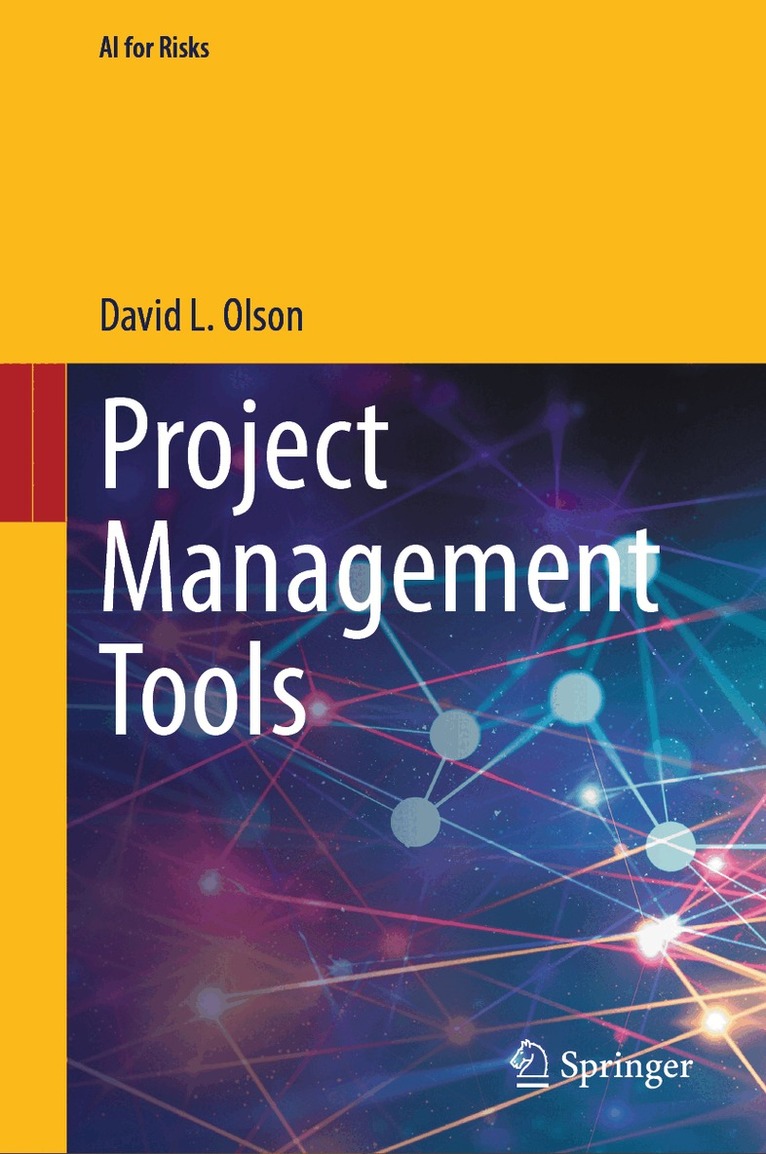
This book is devoted to presenting models that have been applied in project management. There are a variety of project domains. We discuss engineering/construction projects, software development projects, massive projects to include governmental undertakings, and pharmaceutical product development. Chapter 1 gives an overview of projects, and discusses the difficulties in completing projects on time, within budget, and at designed functionality. While the successful completion of a project is a challenge, there are some things that can be done to improve the probability of a project’s success. The book reviews a number of project management concepts. These include developing organizational ability to work on projects, as discussed in Chapters 2 and 3. Sponsor expectations can be based on better information if a good job of project development, estimation and selection is conducted, as discussed in Chapters 4, 5 and 6. Project planning tools involving the critical path method are covered in Chapter 7. Tools to evaluate project risk are covered in Chapter 8. The critical chain method is covered in Chapter 9. Chapter 10 discusses means to rush projects when circumstances demand, to include project crashing as well as Agile and SCRUM approaches used in software engineering projects. Chapter 11 covers project implementation and control, including assessment of delay responsibility.
Häftad, Engelska, 2025
783 kr
Skickas inom 10-15 vardagar
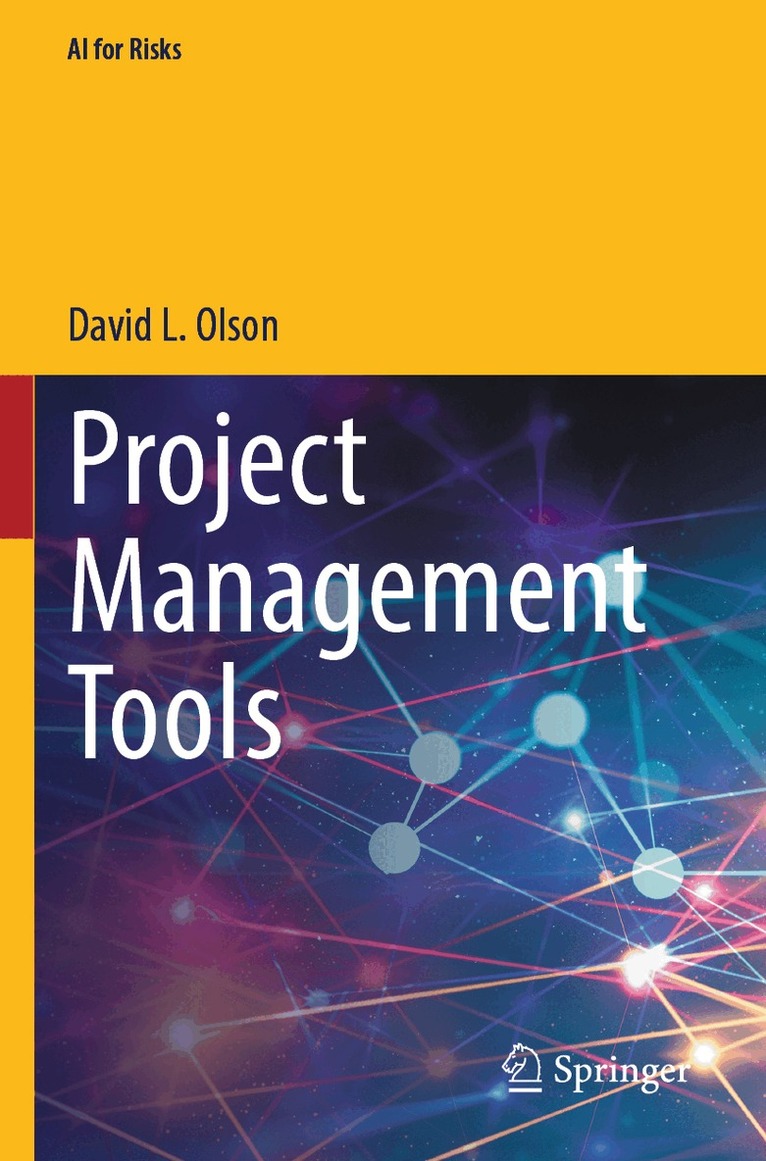
This book is devoted to presenting models that have been applied in project management. There are a variety of project domains. We discuss engineering/construction projects, software development projects, massive projects to include governmental undertakings, and pharmaceutical product development. Chapter 1 gives an overview of projects, and discusses the difficulties in completing projects on time, within budget, and at designed functionality. While the successful completion of a project is a challenge, there are some things that can be done to improve the probability of a project’s success. The book reviews a number of project management concepts. These include developing organizational ability to work on projects, as discussed in Chapters 2 and 3. Sponsor expectations can be based on better information if a good job of project development, estimation and selection is conducted, as discussed in Chapters 4, 5 and 6. Project planning tools involving the critical path method are covered in Chapter 7. Tools to evaluate project risk are covered in Chapter 8. The critical chain method is covered in Chapter 9. Chapter 10 discusses means to rush projects when circumstances demand, to include project crashing as well as Agile and SCRUM approaches used in software engineering projects. Chapter 11 covers project implementation and control, including assessment of delay responsibility.
Inbunden, Engelska, 2024
728 kr
Skickas inom 5-8 vardagar
This book provides an overview of data mining methods in the field of business. Business management faces challenges in serving customers in better ways, in identifying risks, and analyzing the impact of decisions. Of the three types of analytic tools, descriptive analytics focuses on what has happened and predictive analytics extends statistical and/or artificial intelligence to provide forecasting capability. Chapter 1 provides an overview of business management problems. Chapter 2 describes how analytics and knowledge management have been used to better cope with these problems. Chapter 3 describes initial data visualization tools. Chapter 4 describes association rules and software support. Chapter 5 describes cluster analysis with software demonstration. Chapter 6 discusses time series analysis with software demonstration. Chapter 7 describes predictive classification data mining tools. Applications of the context of management are presented in Chapter 8. Chapter 9 covers prescriptive modeling in business and applications of artificial intelligence.
Häftad, Engelska, 2025
728 kr
Skickas inom 10-15 vardagar
This book provides an overview of data mining methods in the field of business. Business management faces challenges in serving customers in better ways, in identifying risks, and analyzing the impact of decisions. Of the three types of analytic tools, descriptive analytics focuses on what has happened and predictive analytics extends statistical and/or artificial intelligence to provide forecasting capability. Chapter 1 provides an overview of business management problems. Chapter 2 describes how analytics and knowledge management have been used to better cope with these problems. Chapter 3 describes initial data visualization tools. Chapter 4 describes association rules and software support. Chapter 5 describes cluster analysis with software demonstration. Chapter 6 discusses time series analysis with software demonstration. Chapter 7 describes predictive classification data mining tools. Applications of the context of management are presented in Chapter 8. Chapter 9 covers prescriptive modeling in business and applications of artificial intelligence.