American Abolitionism and Antislavery – serie
Visar alla böcker i serien American Abolitionism and Antislavery. Handla med fri frakt och snabb leverans.
8 produkter
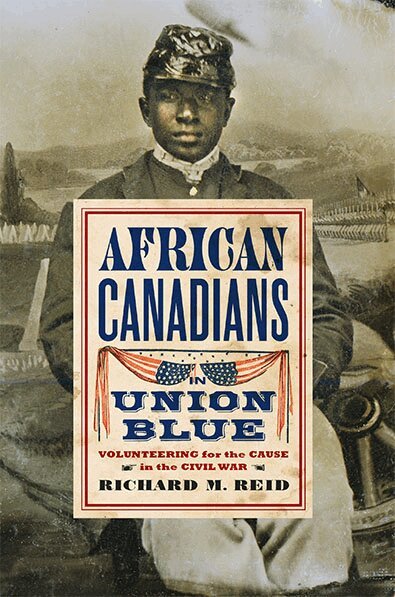
African Canadians in Union Blue
Volunteering for the Cause in the Civil War
Häftad, 2015
357 kr
Lägg i varukorg
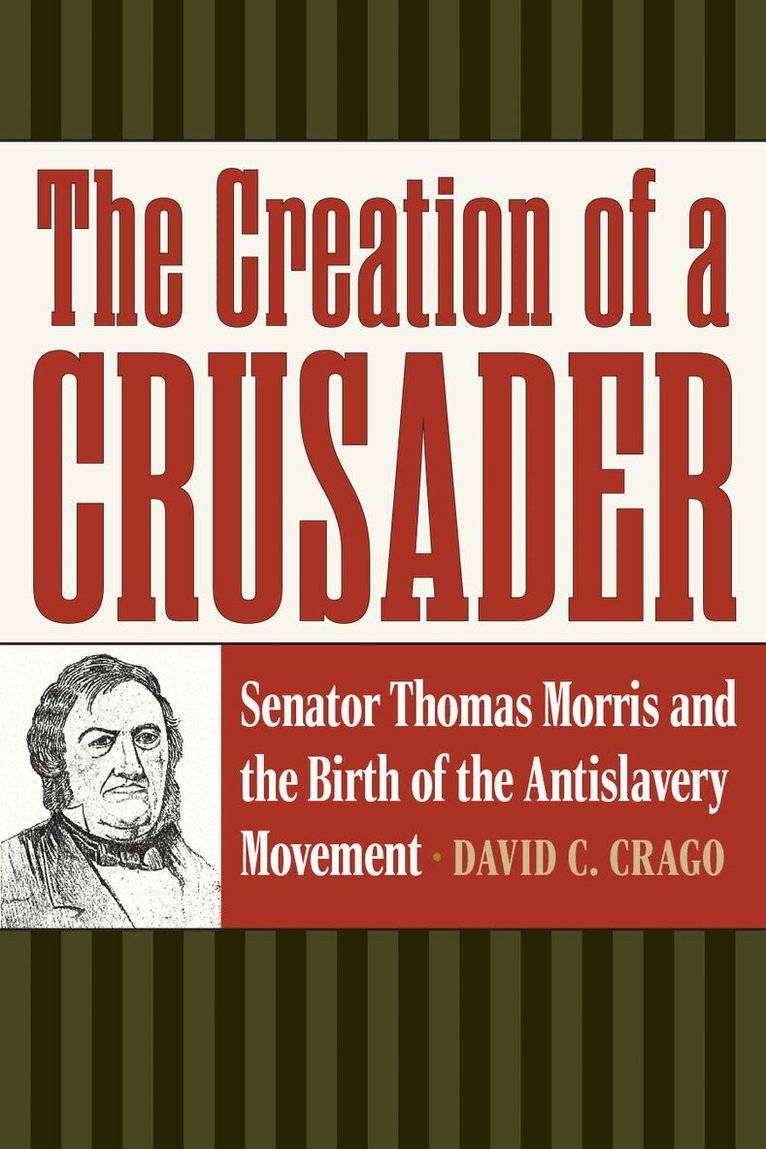
Creation of a Crusader
Senator Thomas Morris and the Birth of the Antislavery Movement
Häftad, 2023
468 kr
Lägg i varukorg
The story of one Ohio senator's impact on the early abolition movement More than 175 years after his death, Senator Thomas Morris has remained one of the few early national champions of political and constitutional antislavery without a biography devoted to him. In this first expansive study of …
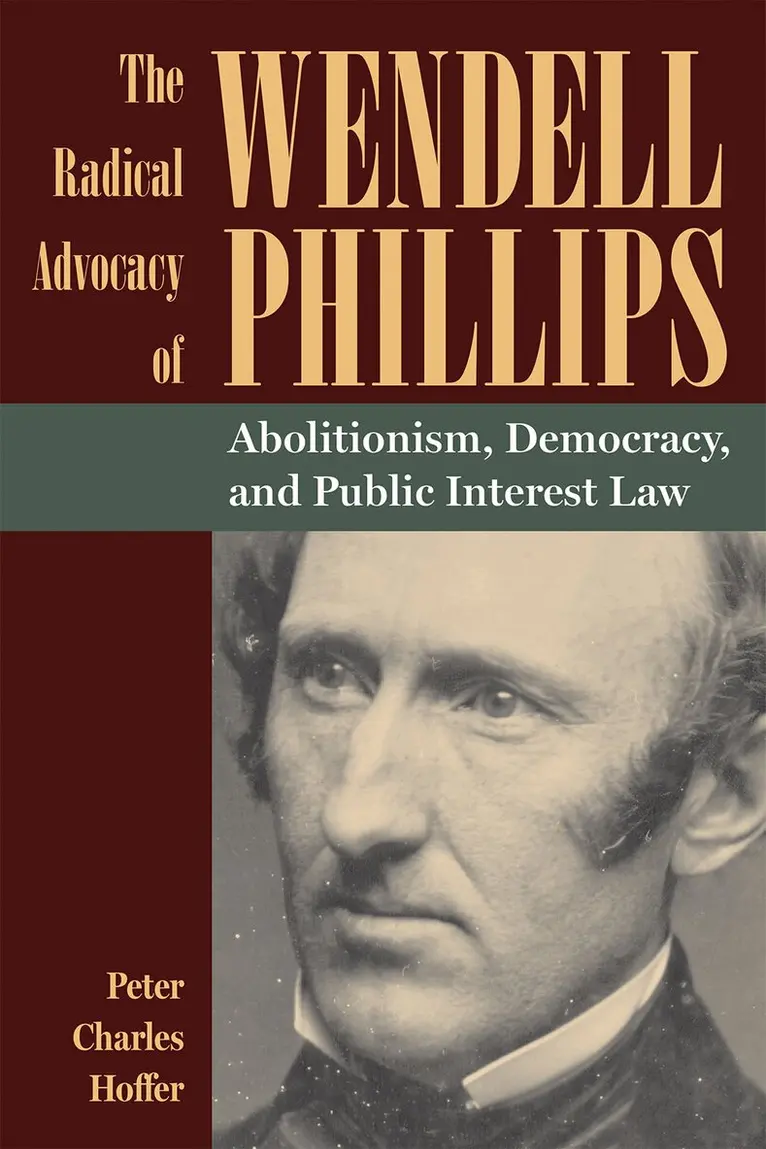
Radical Advocacy of Wendell Phillips
Abolitionism, Democracy, and Public Interest Law
Häftad, 2024
338 kr
Lägg i varukorg
Examining the life of an early advocate of the legal rights of Black Americans In this brisk, engaging exploration of 19th-century radical reformer and abolitionist Wendell Phillips, Peter Charles Hoffer makes the case that Phillips deserves credit as the nation's first public interest lawyer, …
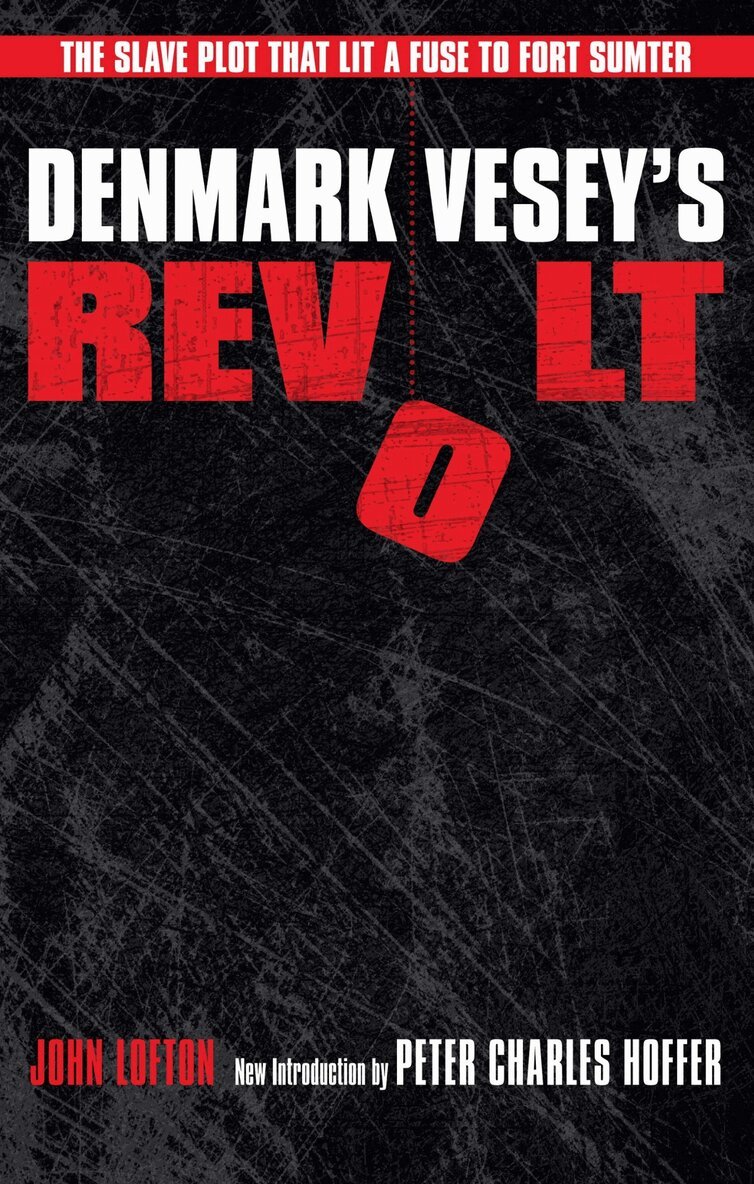
Denmark Vesey's Revolt
The Slave Plot That Lit a Fuse to Fort Sumter
Av John Lofton
Häftad, 2013
338 kr
Tillfälligt slut
In 1822, Denmark Vesey was found guilty of plotting an insurrection—what would have been the biggest slave uprising in U.S. history. A free man of color, he was hanged along with 34 other African Americans in Charleston, South Carolina, in what historians agree was probably the largest civil …
To Plead Our Own Cause
African Americans in Massachusetts and the Making of the Antislavery Movement
Inbunden, 2014
526 kr
Tillfälligt slut
The antislavery movement entered an important new phase when William Lloyd Garrison began publishing the Liberator in 1831—a phase marked by massive petition campaigns, the extraordinary mobilization of female activists, and the creation of organizations such as the American Anti-Slavery Society. …
Self-Evident Lie
Southern Slavery and the Threat to American Freedom
Häftad, 2014
511 kr
Tillfälligt slut
A Self-Evident Lie explores and underscores the fear and complex meaning of "slavery" to northerners before the Civil War. Many northerners asked: If slavery was the beneficent and paternalistic institution that southerners claimed, could it not be applied with equal morality to whites as well as …
One Nation Divided by Slavery
Remembering the American Revolution While Marching Toward the Civil War
Inbunden, 2015
468 kr
Tillfälligt slut
In the two decades before the Civil War, free Americans engaged in “history wars” every bit as ferocious as those waged today over the proposed National History Standards or the commemoration at the Smithsonian Institution of the atomic bombing of Hiroshima. In One Nation Divided by Slavery, author …
Her Voice Will Be on the Side of Right
Gender and Power in Women's Antebellum Antislavery Fiction
Inbunden, 2017
716 kr
Tillfälligt slut
Decades before the Civil War, the free American public was gripped by increasingly acrimonious debates about the nation's "peculiar institution" of slavery. Ministers considered the morality of slavery from their pulpits, legislators debated it in the halls of government, professors discussed it in …