Ancient Iran Series - Böcker
Visar alla böcker i serien Ancient Iran Series. Handla med fri frakt och snabb leverans.
7 produkter
7 produkter
Del 1 - Ancient Iran Series
From Oxus to Euphrates
The World of Late Antique Iran
Inbunden, Engelska, 2021
896 kr
Skickas inom 5-8 vardagar
Del 14 - Ancient Iran Series
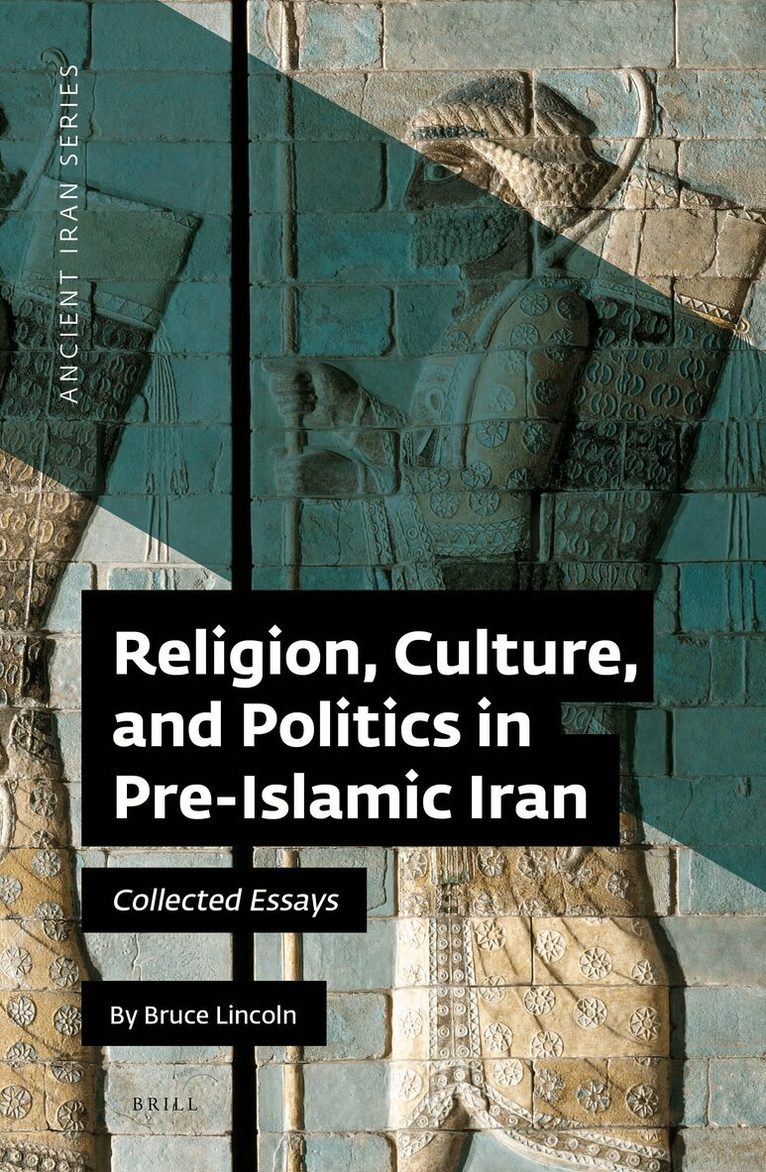
Religion, Culture, and Politics in Pre-Islamic Iran
Collected Essays
Inbunden, Engelska, 2021
2 369 kr
Skickas inom 5-8 vardagar
In Religion, Culture, and Politics in Pre-Islamic Iran, Bruce Lincoln offers a vast overview on different aspects of the Indo-Iranian, Zoroastrian and Pre-Islamic mythologies, religions and cultural issues. The book is organized in four sections according to the body of evidence they engage most directly: Avestan, Old Persian, Pahlavi, and Iranian materials in comparison with other data, including studies of myths, especially those with cosmogonic implications, ritual practices, cosmological constructions of space and time, points of intersection between religion, ethics, law, and politics, ideological aspects of scientific and medical theorizing, social organization and gender relations, and other diverse topics.
Del 17 - Ancient Iran Series
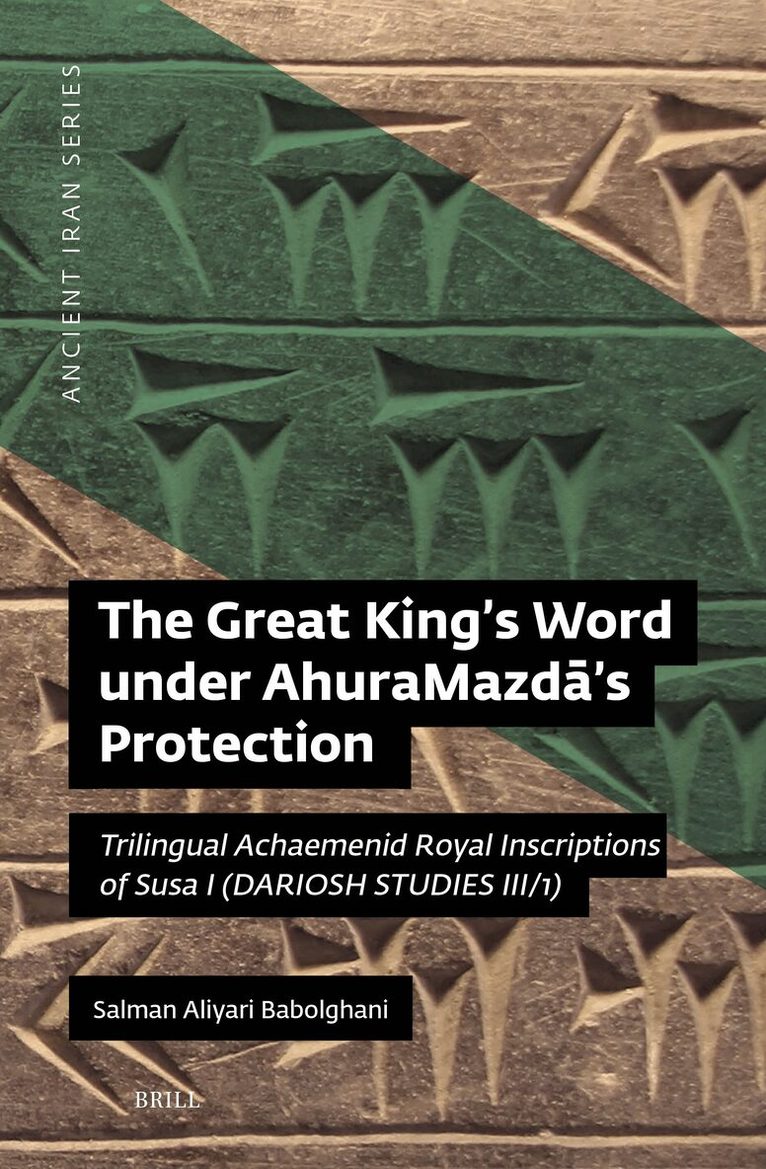
Great King’s Word under AhuraMazdā’s Protection
Trilingual Achaemenid Royal Inscriptions of Susa I (DARIOSH STUDIES III)
Inbunden, Engelska, 2025
1 785 kr
Skickas inom 3-6 vardagar
This volume presents part of the author’s research on the Achaemenid Royal Inscriptions recovered in the ruins of the Achaemenid palaces in Susa, conducted within the framework of the DARIOSH-Louvre Project. It offers a new study of several fragmentary inscriptions in Old Persian, Achaemenid Elamite, and Achaemenid Babylonian, currently designated as DSe, DSt, DSb, DSl, DSa, DSk, DSi, DSp, D²Sb, DSj, A²Se, DSs, ‘Inc. Sb’, and others. The book provides a new edition of each inscription based on both published and unpublished fragments. Additionally, it introduces some new lexicons and cuneiform signs in the Old Persian language and script.
Del 16 - Ancient Iran Series
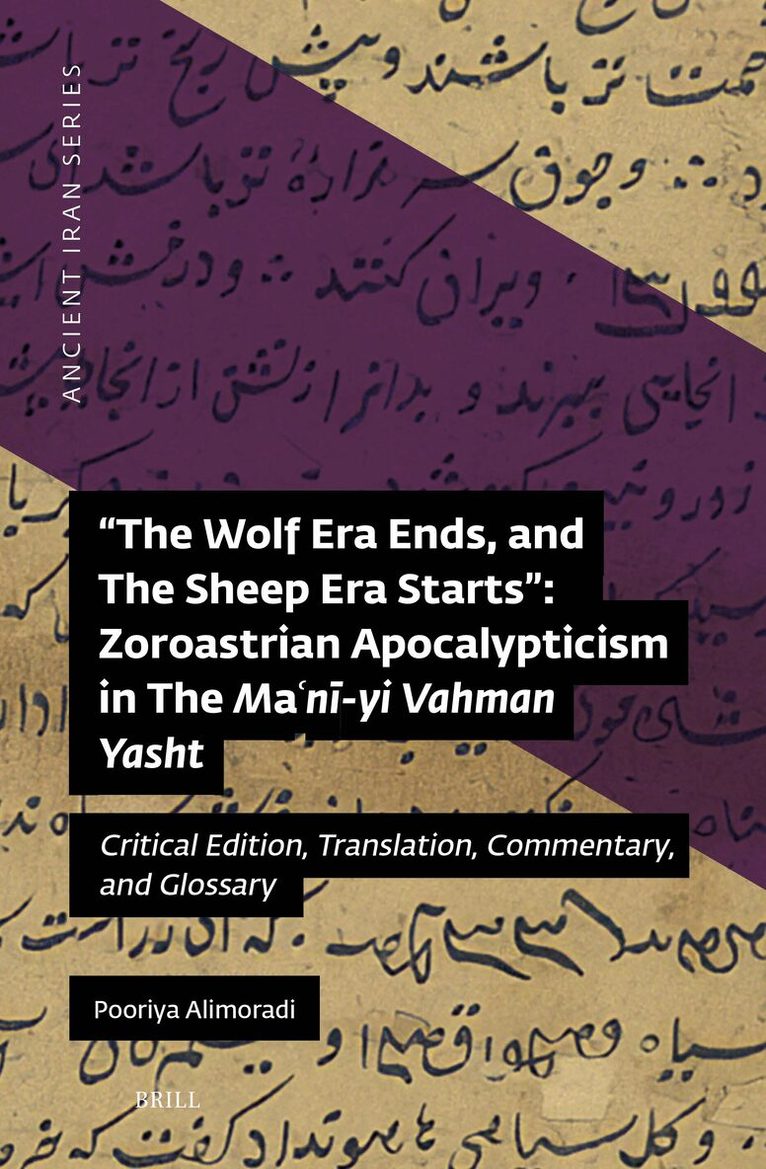
"The Wolf Era Ends, and The Sheep Era Starts”: Zoroastrian Apocalypticism in The Maʿnī-yi Vahman Yasht
Critical Edition, Translation, Commentary, and Glossary
Inbunden, Engelska, 2024
2 372 kr
Skickas inom 3-6 vardagar
This book studies, for the first time, the Maʿnī-yi Vahman Yasht , the New Persian version of the Zand ī Wahman Yašt , the most important Zoroastrian text in apocalyptic genre. Through offering a critical edition, translation, and commentary, Alimoradi argues that the MVY is not a translation of the extant Pahlavi ZWY and is derived from another recension of apocalyptic materials in Pahlavi. He also offers suggestions in identifying several unspecified characters and events referred to in the text whose identities have been debated for decades. The book is relevant to those interested in Zoroastrianism, Iranian apocalyptic traditions, and anyone studying the Arab conquests in Western and Central Asia in 6ᵗʰ to 9ᵗʰ c. CE.
Del 19 - Ancient Iran Series
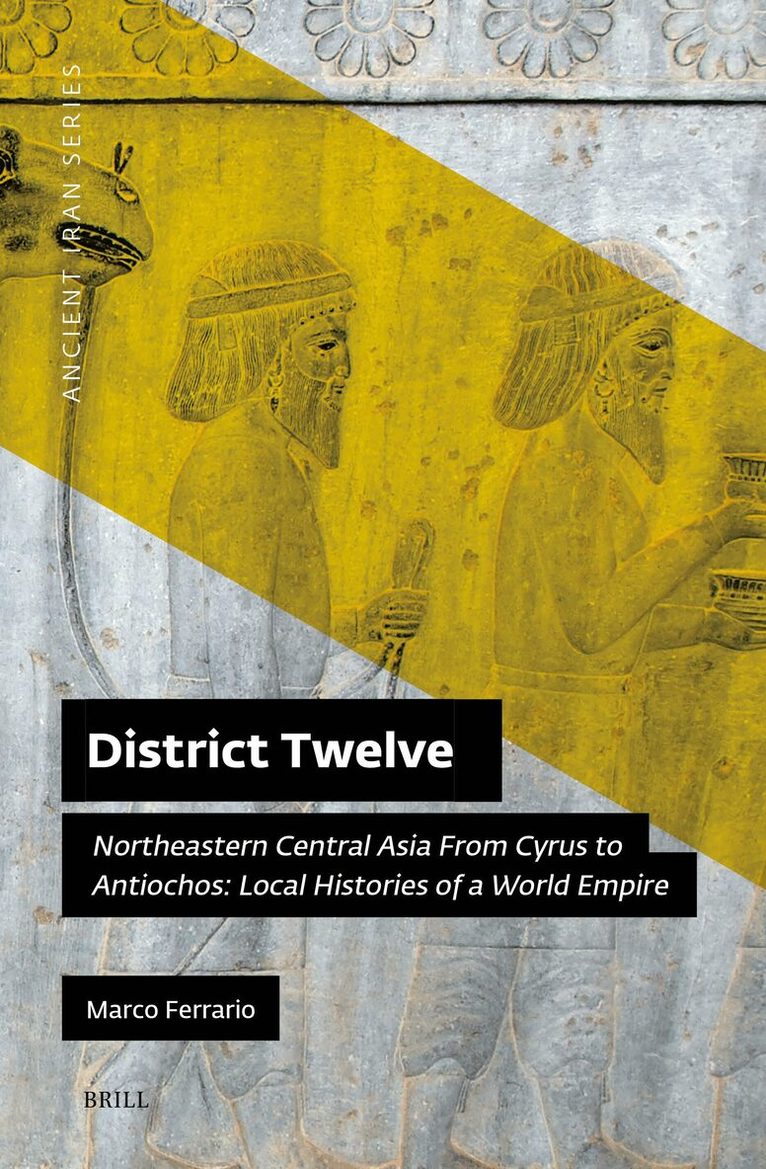
District Twelve
Northeastern Central Asia From Cyrus to Antiochos: Local Histories of a World Empire
Inbunden, Engelska, 2025
2 445 kr
Skickas inom 3-6 vardagar
This book offers, at the same time, an imperial history of a region (Northeastern Central Asia under the Achaemenids) and the regional history of an Empire (how the Persians adapted their strategies of governmentality to a geographically challenging, ethnically diverse, and politically impervious space). Bringing together evidence from literary texts, archaeology, and ethnohistory, it crafts a new narrative of Central Asian history in which local actors in and outside the imperial territory are given as much, if not (at times) more agency than the King of Kings and his satraps in heralding Central Asia's first Age of Empires.
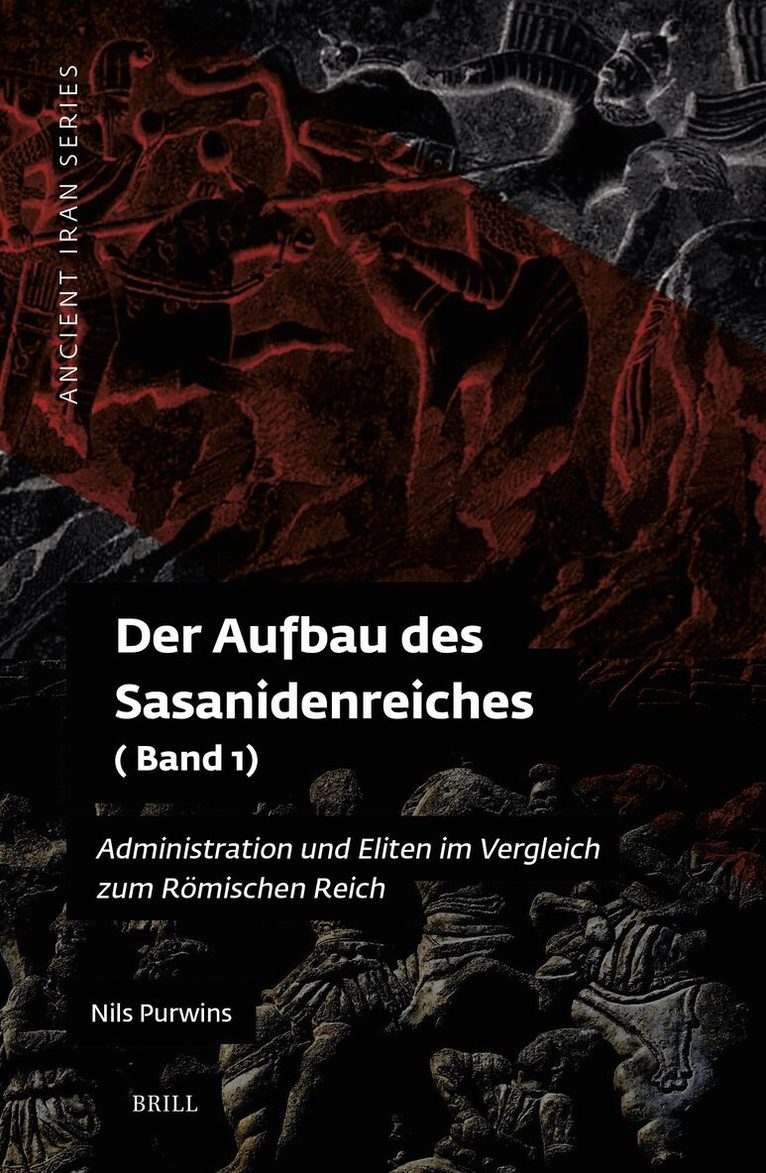
Der Aufbau des Sasanidenreiches
Administration und Eliten im Vergleich zum Römischen Reich (Band 1)
Inbunden, Tyska, 2025
2 372 kr
Skickas inom 3-6 vardagar
Das Werk präsentiert in zwei Bänden das erste umfassende Gesamtkonzept der Verwaltungs- und Gesellschaftsstruktur des Sasanidenreiches (5.-7. Jh.). In mehr als 1.000 zeitgenössischen Lederdokumenten, Siegeln, Ostraka, Inschriften und Texten, die hier erstmals zusammengeführt werden, berichten die Untertanen des Königs der Könige in Wort und Bild über ihr Leben in den verschiedenen Provinzen des Reiches, über die Organisation der militärischen, zivilen und religiösen Verwaltung sowie über die Kreise der Macht am Hof ihres Herrschers. Zugleich bietet dieses Werk den ersten systematischen Strukturvergleich mit dem Oströmischen Reich, so dass hier die Organisationen von gleich zwei antiken Großreichen mit einer Fülle von unterstützenden Abbildungen, Schemata und Karten behandelt werden. Dabei geht es um nicht weniger als die Beantwortung der Frage, inwieweit Ērānšahr und das Imperium Romanum tatsächlich die "zwei Augen, die die Welt von oben erleuchten" waren, wie der Großkönig Husraw II einst behauptet haben soll (Theophylaktos).The work provides in two volumes the first comprehensive overall concept of the administrative and social structure of the Sasanian Empire (5th-7th century). In more than 1.000 contemporary leather documents, seals, ostraca, inscriptions and texts, which are brought together here for the first time, the subjects of the king of kings report in words and pictures on their lives in the various provinces of the empire, on the organisation of the military, civil and religious administration and on the circles of power at the court of their ruler. At the same time, this work offers the first systematic structural comparison with the Eastern Roman Empire, so that the organisations of two ancient empires are treated here with a wealth of supporting illustrations, diagrams and maps. The aim is nothing less than to answer the question of the extent to which Ērānšahr and the Imperium Romanum really were the "two eyes that illuminate the world from above", as the Great King Husraw II is said to have once claimed (Theophylaktos).
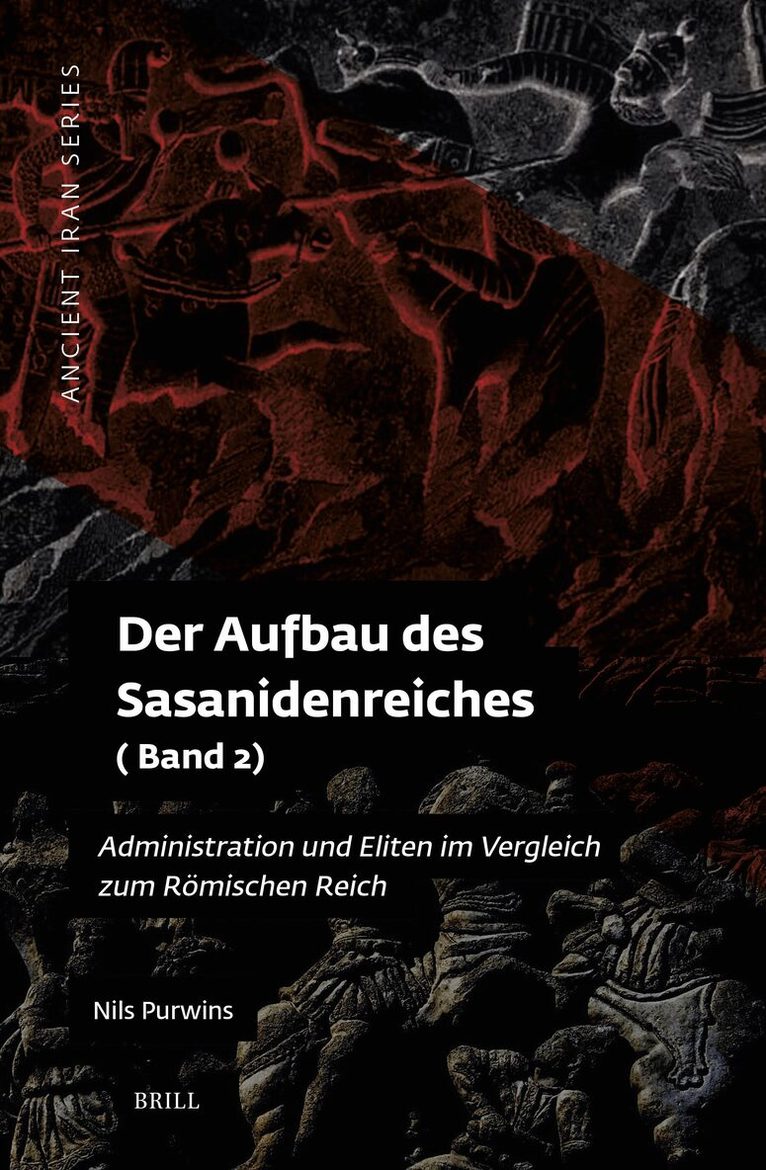
Der Aufbau des Sasanidenreiches
Administration und Eliten im Vergleich zum Römischen Reich (Band 2)
Inbunden, Tyska, 2025
2 572 kr
Skickas inom 3-6 vardagar
Das Werk präsentiert in zwei Bänden das erste umfassende Gesamtkonzept der Verwaltungs- und Gesellschaftsstruktur des Sasanidenreiches (5.-7. Jh.). In mehr als 1.000 zeitgenössischen Lederdokumenten, Siegeln, Ostraka, Inschriften und Texten, die hier erstmals zusammengeführt werden, berichten die Untertanen des Königs der Könige in Wort und Bild über ihr Leben in den verschiedenen Provinzen des Reiches, über die Organisation der militärischen, zivilen und religiösen Verwaltung sowie über die Kreise der Macht am Hof ihres Herrschers. Zugleich bietet dieses Werk den ersten systematischen Strukturvergleich mit dem Oströmischen Reich, so dass hier die Organisationen von gleich zwei antiken Großreichen mit einer Fülle von unterstützenden Abbildungen, Schemata und Karten behandelt werden. Dabei geht es um nicht weniger als die Beantwortung der Frage, inwieweit Ērānšahr und das Imperium Romanum tatsächlich die "zwei Augen, die die Welt von oben erleuchten" waren, wie der Großkönig Husraw II einst behauptet haben soll (Theophylaktos).The work provides in two volumes the first comprehensive overall concept of the administrative and social structure of the Sasanian Empire (5th-7th century). In more than 1.000 contemporary leather documents, seals, ostraca, inscriptions and texts, which are brought together here for the first time, the subjects of the king of kings report in words and pictures on their lives in the various provinces of the empire, on the organisation of the military, civil and religious administration and on the circles of power at the court of their ruler. At the same time, this work offers the first systematic structural comparison with the Eastern Roman Empire, so that the organisations of two ancient empires are treated here with a wealth of supporting illustrations, diagrams and maps. The aim is nothing less than to answer the question of the extent to which Ērānšahr and the Imperium Romanum really were the "two eyes that illuminate the world from above", as the Great King Husraw II is said to have once claimed (Theophylaktos).