Music, Community, and Education - Böcker
Visar alla böcker i serien Music, Community, and Education. Handla med fri frakt och snabb leverans.
6 produkter
6 produkter
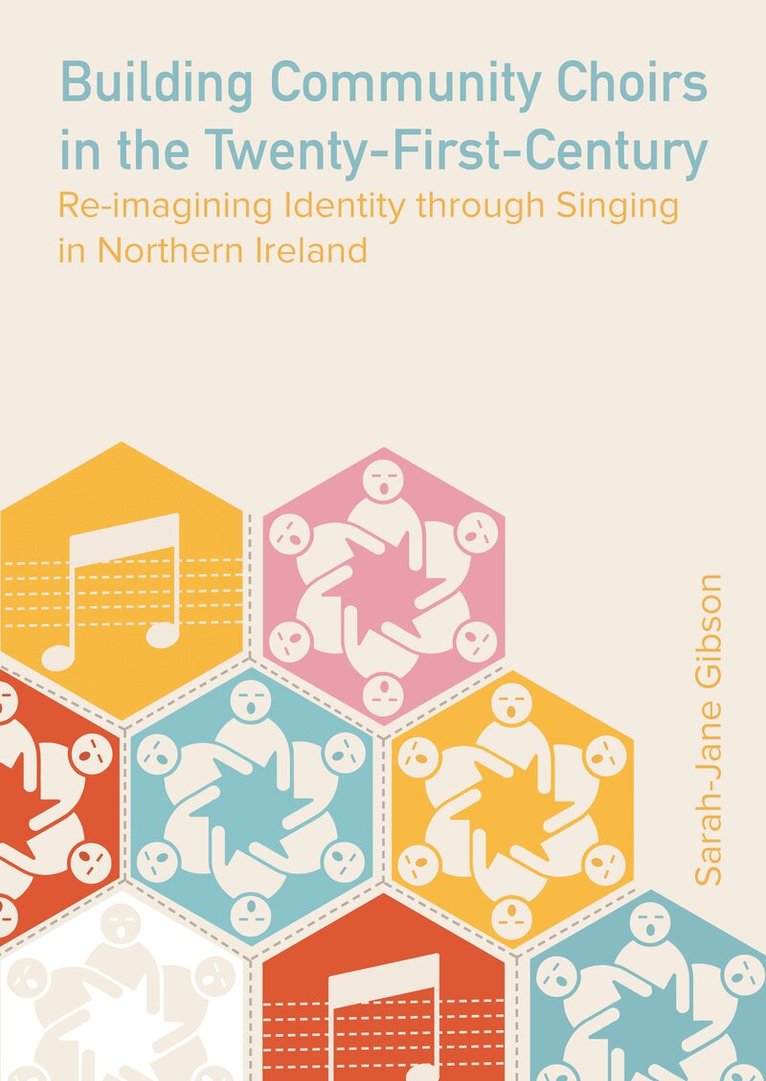
Building Community Choirs in the Twenty-First Century
Re-imagining Identity through Singing in Northern Ireland
Inbunden, Engelska, 2023
972 kr
Skickas inom 5-8 vardagar
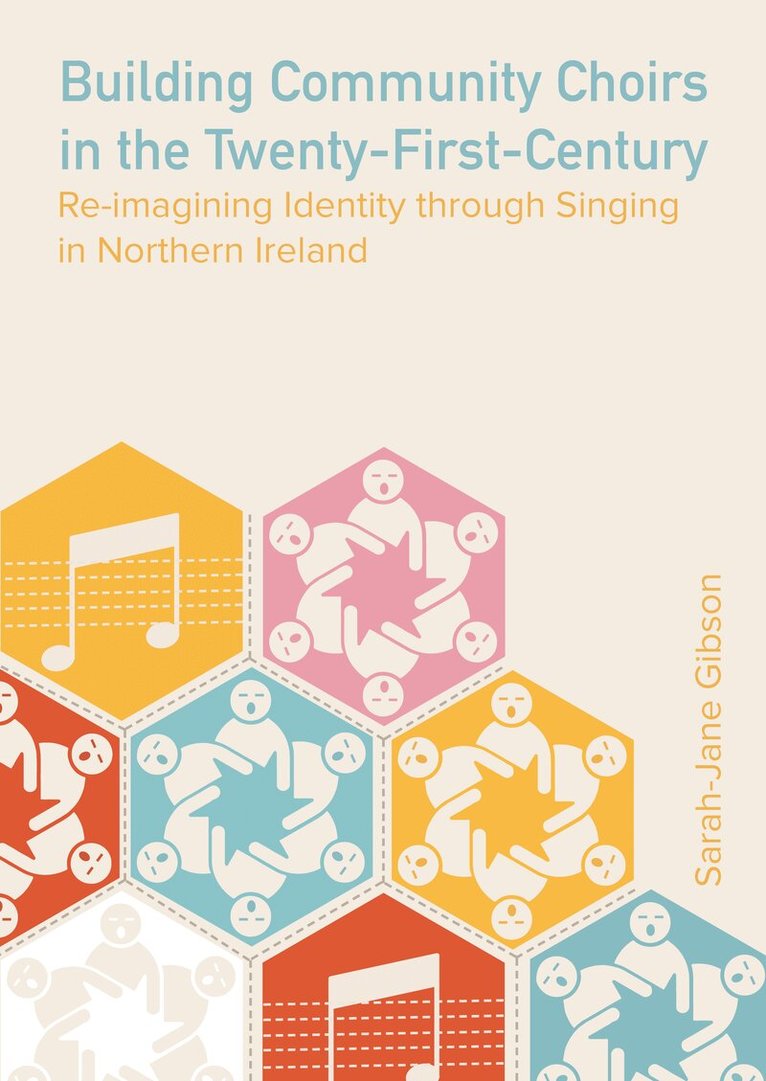
This book explores how five community choirs construct and imagine collective identity formations in Northern Ireland. Original insight is provided through ethnographic research conducted between 2013-2018. Working with five choirs in disparate locations, with different repertoires and demographics resulted in the creation of an integrated comparison that drew out both diversity and commonalities of approach revealing the malleability of choral practice.The research is framed through communities of practice, a theory of learning through engaging with other people in a common endeavour. Research findings demonstrate how choirs re-imagine identity through the manner in which they organise, rehearse, and perform. Choirs develop a distinct choral identity and ethos highlighting both the musical and social importance of the community of practice. Research suggests that choirs re-imagine multiple conceptions of identities within their groups, including gender, later age, religious faith, inclusivity and ethnic diversity, that can both influence broader structures of community in the region, and be influenced by them.Community choral practice in Northern Ireland is under-researched. As such this book provides unique insight into how members of community choirs are attempting to transcend sectarian boundaries through their practice, developing academic understandings of identity formation, community music-making and choral practice.
1 402 kr
Skickas
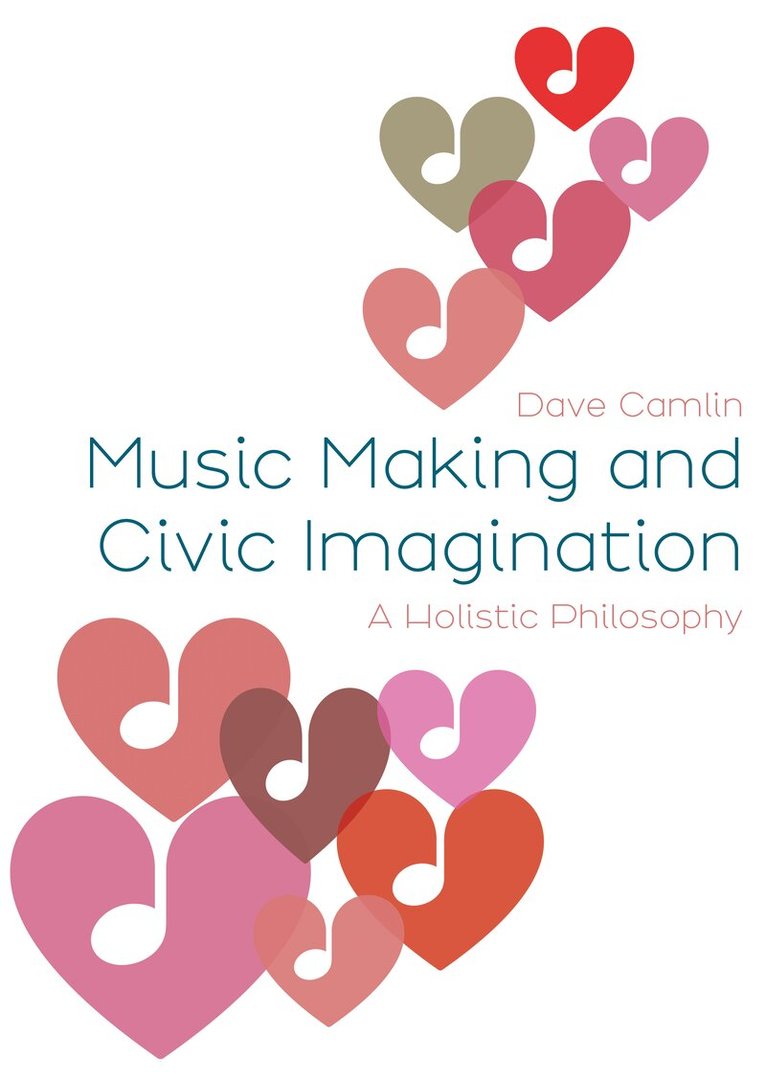
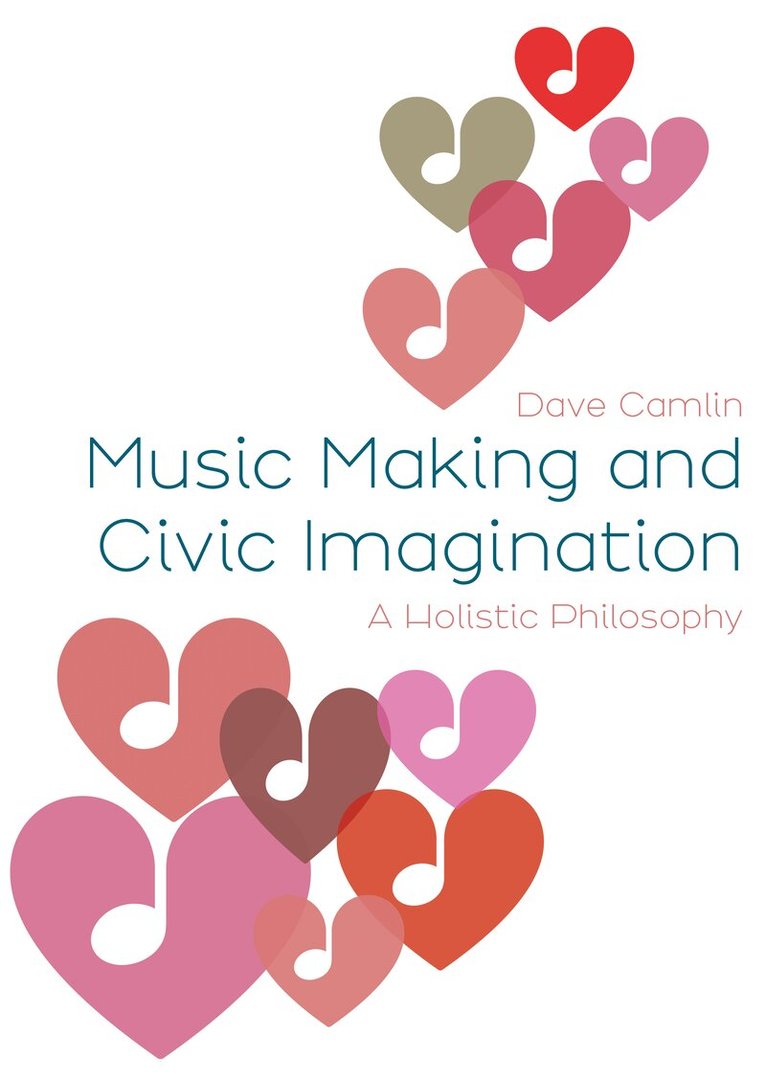
In a world facing multiple existential crises, music might be seen as little more than a distraction. However, in this synthesis of ideas developed over a decade, a timely re-appraisal of the potential of musicing for human flourishing is presented, emphasising its role in the history of human evolution alongside its potential as a resource for sustainable development. A holistic philosophy of music is outlined which recognises the complex web of meaning which spreads across complementary musical dimensions of performance and participation, whilst emphasising the ‘paramusical’ benefits which arise from both. Highlighting the notion that the social bonds which arise from musicing share much of the neurobiological underpinnings of attachment and love, musicing is presented as a resource with the potential for facilitating ethical human connection.The humanistic values which are thereby materialised during musicing – love, reciprocity and justice – form the experiential grounds for inhabiting alternative social realities. The book addresses how such a holistic philosophy of music might be implemented in practice, drawing on the author’s professional praxis as a performer, educator, community musician, composer and researcher, in particular their experience of musician education at Sage Gateshead, Royal College of Music and Trinity-Laban Conservatoire in the UK.
356 kr
Skickas
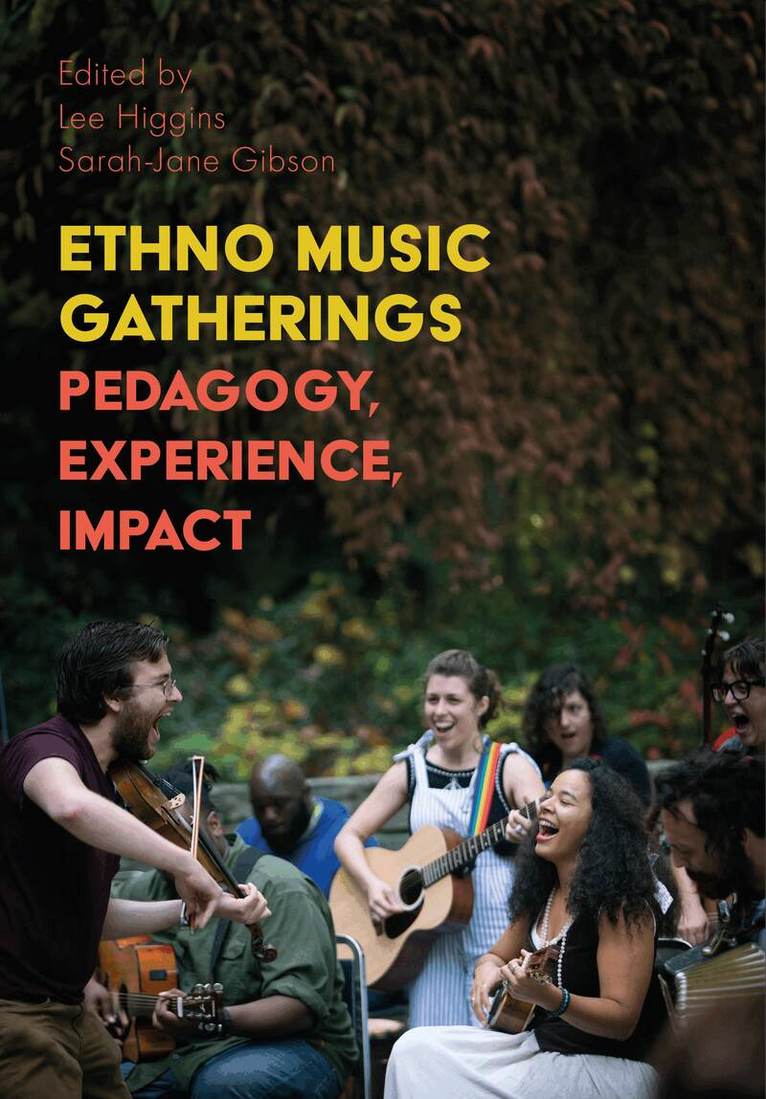
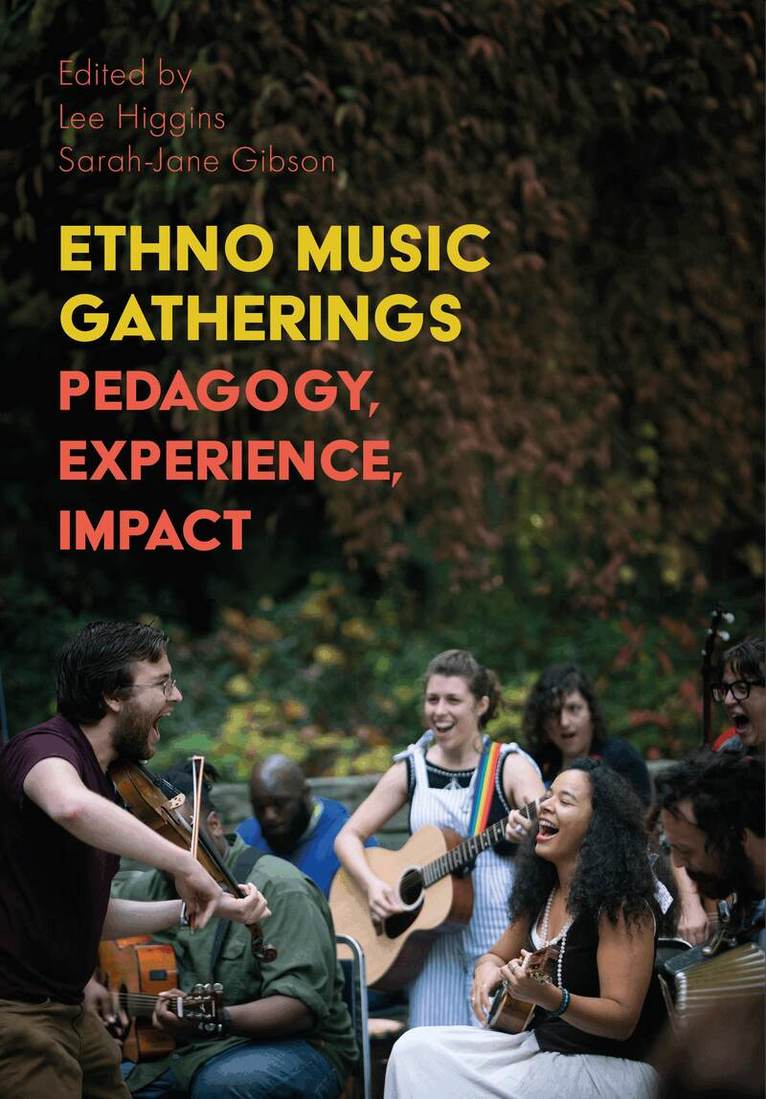
This book presents key findings from a 4-year project that sought to understand Ethno Gatherings, an organized residential folk, world, and traditional music programme for young people aged 18-30. In response to three lines of enquiry, pedagogy and professional development, participant experience, and the impact it had upon those who attended, the authors examine the complexity of an Ethno music experience. By considering its history and current practices, the following themes are explored: non-formal music making, personal authenticity, holistic praxis, musical possible selves, intercultural music exchange, sustainability, social media engagement, song sharing, and future practices. Constructed through data drawn from participant observations, interviews, online social media analysis, onsite and video observations, surveys, and questionnaires the authors ask critical questions concerning Ethno’s history, ethos, pedagogy, and philosophical ideals. First held in Sweden in 1990, Ethno Gatherings are now located in over 40 countries worldwide and are part of JM Internationals youth music programmes. As a collection of integrated thought, the book’s purpose is to illuminate new understandings of what Ethno does to support its future growth and development.
1 450 kr
Skickas inom 5-8 vardagar
This book presents key findings from a 4-year project that sought to understand Ethno Gatherings, an organized residential folk, world, and traditional music programme for young people aged 18-30. In response to three lines of enquiry, pedagogy and professional development, participant experience, and the impact it had upon those who attended, the authors examine the complexity of an Ethno music experience. By considering its history and current practices, the following themes are explored: non-formal music making, personal authenticity, holistic praxis, musical possible selves, intercultural music exchange, sustainability, social media engagement, song sharing, and future practices. Constructed through data drawn from participant observations, interviews, online social media analysis, onsite and video observations, surveys, and questionnaires the authors ask critical questions concerning Ethno’s history, ethos, pedagogy, and philosophical ideals. First held in Sweden in 1990, Ethno Gatherings are now located in over 40 countries worldwide and are part of JM Internationals youth music programmes. As a collection of integrated thought, the book’s purpose is to illuminate new understandings of what Ethno does to support its future growth and development.
573 kr
Skickas inom 5-8 vardagar
In a world facing multiple existential crises, music might be seen as little more than a distraction. However, in this synthesis of ideas developed over a decade, a timely re-appraisal of the potential of musicing for human flourishing is presented, emphasising its role in the history of human evolution alongside its potential as a resource for sustainable development. A holistic philosophy of music is outlined which recognises the complex web of meaning which spreads across complementary musical dimensions of performance and participation, whilst emphasising the ‘paramusical’ benefits which arise from both. Highlighting the notion that the social bonds which arise from musicing share much of the neurobiological underpinnings of attachment and love, musicing is presented as a resource with the potential for facilitating ethical human connection.The humanistic values which are thereby materialised during musicing – love, reciprocity and justice – form the experiential grounds for inhabiting alternative social realities. The book addresses how such a holistic philosophy of music might be implemented in practice, drawing on the author’s professional praxis as a performer, educator, community musician, composer and researcher, in particular their experience of musician education at Sage Gateshead, Royal College of Music and Trinity-Laban Conservatoire in the UK.
Building Community Choirs in the Twenty-First Century
Re-imagining Identity through Singing in Northern Ireland
Häftad, Engelska, 2026
684 kr
Kommande
This book explores how five community choirs construct and imagine collective identity formations in Northern Ireland. Original insight is provided through ethnographic research conducted between 2013-2018. Working with five choirs in disparate locations, with different repertoires and demographics resulted in the creation of an integrated comparison that drew out both diversity and commonalities of approach revealing the malleability of choral practice.The research is framed through communities of practice, a theory of learning through engaging with other people in a common endeavour. Research findings demonstrate how choirs re-imagine identity through the manner in which they organise, rehearse, and perform. Choirs develop a distinct choral identity and ethos highlighting both the musical and social importance of the community of practice. Research suggests that choirs re-imagine multiple conceptions of identities within their groups, including gender, later age, religious faith, inclusivity and ethnic diversity, that can both influence broader structures of community in the region, and be influenced by them.Community choral practice in Northern Ireland is under-researched. As such this book provides unique insight into how members of community choirs are attempting to transcend sectarian boundaries through their practice, developing academic understandings of identity formation, community music-making and choral practice.