Queer Singularities: LGBTQ Histories, Cultures, and Identities in Education – serie
Visar alla böcker i serien Queer Singularities: LGBTQ Histories, Cultures, and Identities in Education. Handla med fri frakt och snabb leverans.
2 produkter
2 produkter
1 962 kr
Skickas inom 3-6 vardagar
Many schools have failed to create a nurturing educational environment for LGBTQ students.Our Children are Your Students features a discussion about the various tactics that LGBTQ families use to work with schools that don’t anticipate the arrival of their families and children. The book features a verbatim theatre script called “This is Our Family”, which is based on interviews conducted with 37 LGBTQ families about their experiences in school. The families live in four different cities in the province of Ontario as well as in the suburbs and rural communities surrounding them. Written by Tara Goldstein, Jenny Salisbury, and Pam Baer, the play contains 22 scenes of verbatim monologues and dialogues. A set of images created by visual artist benjamin lee hicks accompanies each scene. The play also contains three original songs composed by musician Kate Reid, who draws on a number of the themes embedded in the scenes. Links to performances of the songs and to the artwork can be seen on the LGBTQ Families Speak Out project website: www.lgbtqfamiliesspeakout.ca. This is an important book for teachers and pre service teachers who are interested in creating inclusive classroom environments for all students.
582 kr
Skickas inom 3-6 vardagar
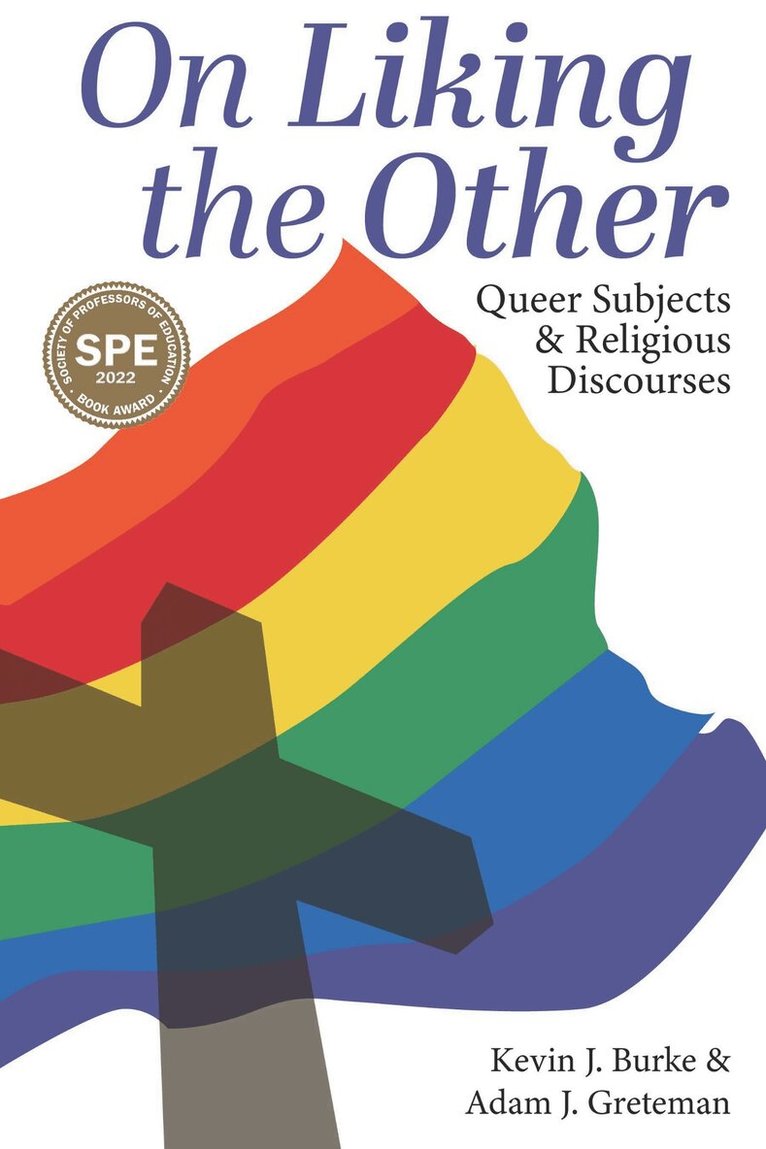
On Liking the Other: Queer Subjects and Religious Discourses studies the intersection of religious and queer discourses in teacher education. It looks at the sometimes difficult topics rooted in these two particular discourses, which are often seen as unwelcome in both public and private educational spaces. In engaging in such a conversation, the authors seek to think about the ways that these discourses, while steeped in discontent, dilemma, and difficulty, might also offer ways to reorient ourselves amidst twenty-first century educational realities. More to the point, the text puts queer histories and logics into conversations with theologies through the concept of liking. Eschewing the typical antagonism that often defines the relationships between religious and queer discourses, this book seeks to look for resonances and overlaps that might provide new habits for conducting the work of meeting in teacher education classrooms and educational worlds. On Liking the Other is an excellent text for a variety of classrooms and courses.