Research on Technology and the Teaching and Learning of Mathematics: Syntheses, Cases, and Perspectives – serie
Visar alla böcker i serien Research on Technology and the Teaching and Learning of Mathematics: Syntheses, Cases, and Perspectives. Handla med fri frakt och snabb leverans.
4 produkter
4 produkter
Research on Technology and the Teaching and Learning of Mathematics
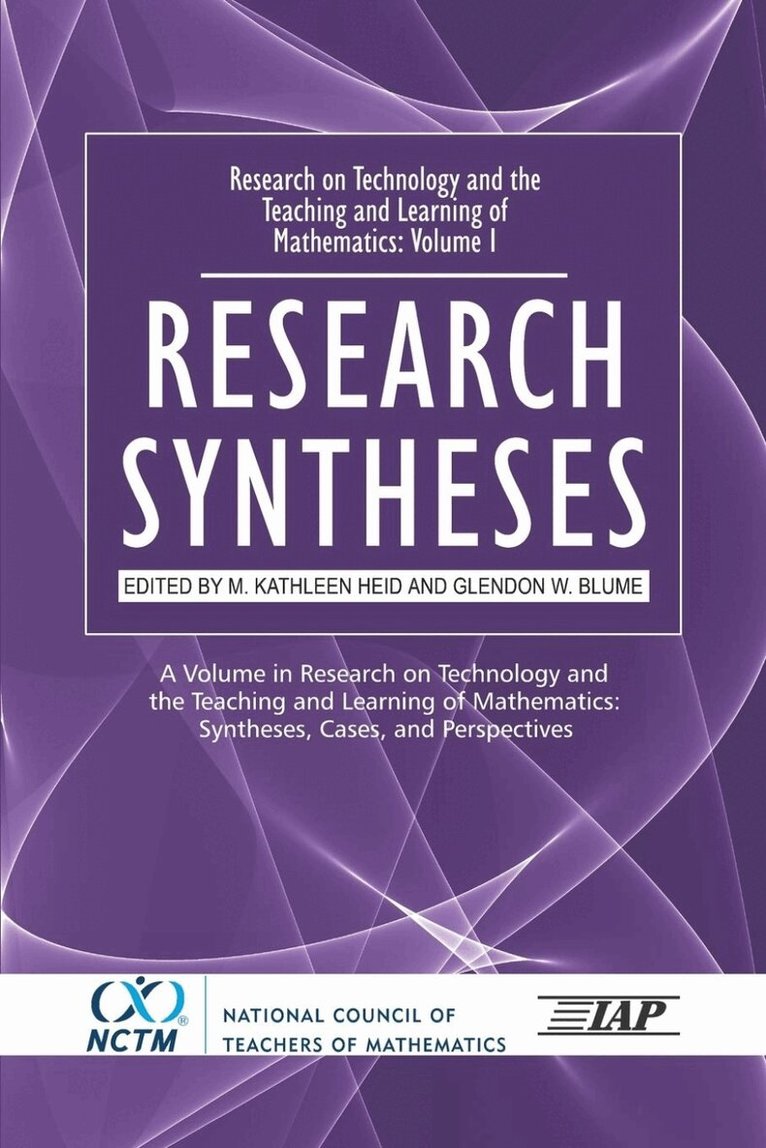
Vol. 1, Research Syntheses
Häftad, Engelska, 2008
666 kr
Skickas inom 7-10 vardagar
According to NCTM’s Principles and Standards for School mathematics,"Technology is essential in teaching and learning of mathematics; it influences the mathematics that is taught and it enhances students’ learning.” How does research inform this clarion call for technology in mathematics teaching and learning? In response to the need to craft appropriate roles for technology in school mathematics new technological approaches have been applied to the teaching and learning of mathematics, and these approaches have been examined by researchers world-wide. The first volume provides insight into what research suggests about the nature of mathematics learning in technological environments. Included in this volume are syntheses of research on technology in the learning of rational number, algebra, elementary and secondary geometry, mathematical modeling, and calculus. Additional chapters synthesize research on technology in the practice of teaching and on equity issues in the use of technology in mathematics instruction. Instead of simply reporting achievement scores of students who use technology in their learning, authors provide thoughtful analyses of bodies of research with the goal of understanding the ways in which technology affects what and how students learn. Each of the chapters in this volume is written by a team of experts whose own research has provided important guidance to the field.
Research on Technology and the Teaching and Learning of Mathematics
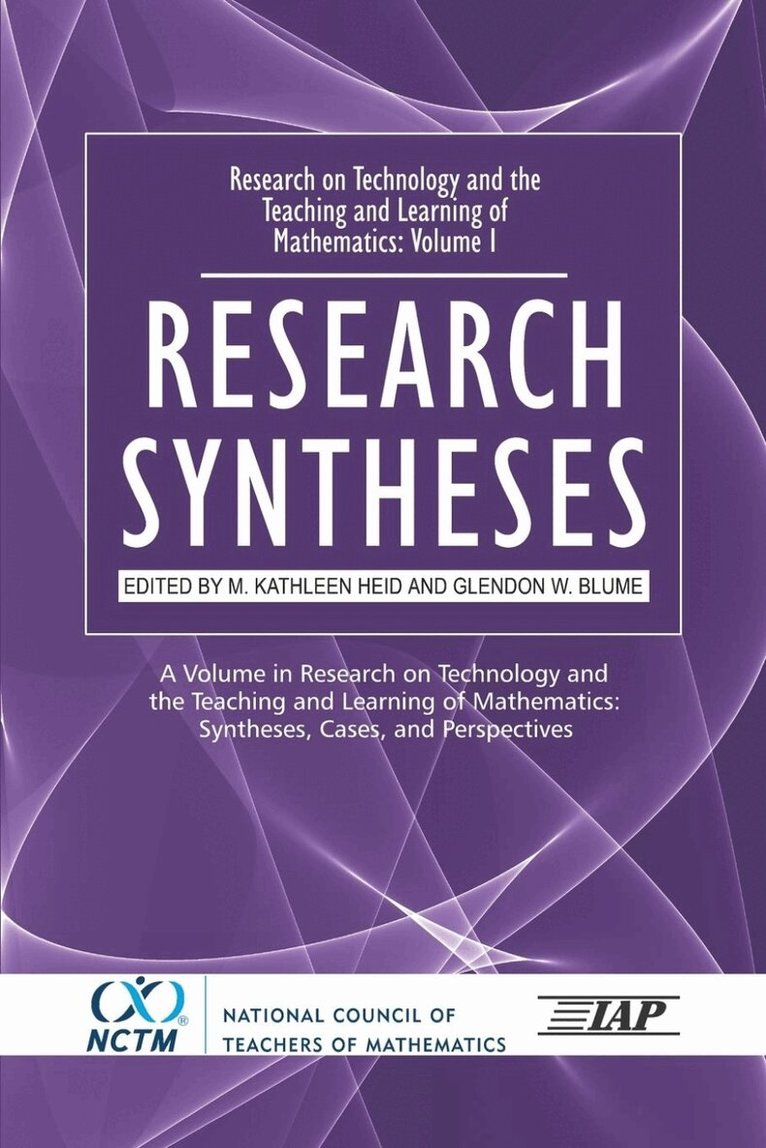
Vol. 1, Research Syntheses
Inbunden, Engelska, 2008
1 127 kr
Skickas inom 7-10 vardagar
According to NCTM’s Principles and Standards for School mathematics,"Technology is essential in teaching and learning of mathematics; it influences the mathematics that is taught and it enhances students’ learning.” How does research inform this clarion call for technology in mathematics teaching and learning? In response to the need to craft appropriate roles for technology in school mathematics new technological approaches have been applied to the teaching and learning of mathematics, and these approaches have been examined by researchers world-wide. The first volume provides insight into what research suggests about the nature of mathematics learning in technological environments. Included in this volume are syntheses of research on technology in the learning of rational number, algebra, elementary and secondary geometry, mathematical modeling, and calculus. Additional chapters synthesize research on technology in the practice of teaching and on equity issues in the use of technology in mathematics instruction. Instead of simply reporting achievement scores of students who use technology in their learning, authors provide thoughtful analyses of bodies of research with the goal of understanding the ways in which technology affects what and how students learn. Each of the chapters in this volume is written by a team of experts whose own research has provided important guidance to the field.
Research on Technology and the Teaching and Learning of Mathematics
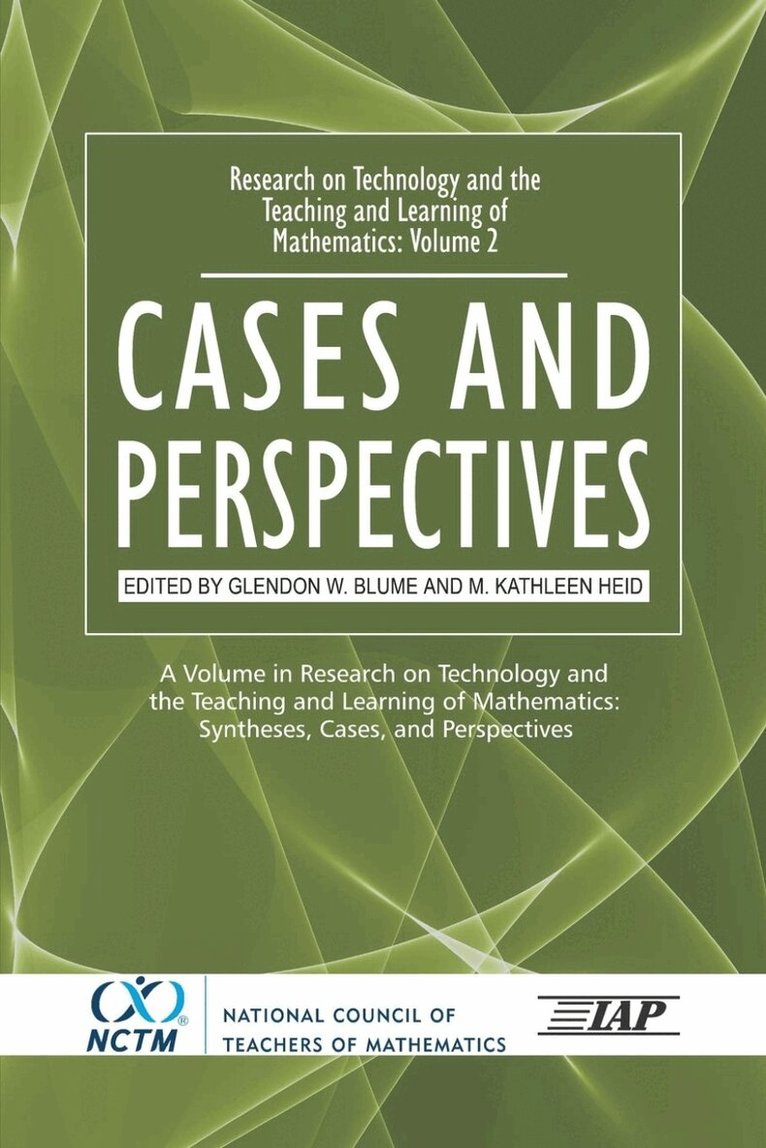
Vol. 2, Cases and Perspectives
Häftad, Engelska, 2008
647 kr
Skickas inom 7-10 vardagar
(Published in Co-operation with the National Council of Teacher of Mathematics)According to NCTM's Principles and Standards for School Mathematics, "Technology is essential in teaching and learning of mathematics; it influences the mathematics that is taught and it enhances students' learning." How does research inform this clarion call for technology in mathematics teaching and learning? In response to the need to craft appropriate roles for technology in school mathematics new technological approaches have been applied to the teaching and learning of mathematics, and these approaches have been examined by researchers world-wide.The second volume has a dual focus: cases and perspectives. It features descriptive cases that provide accounts of the development of technology-intensive curriculum and tools. In these cases the writers describe and analyze various roles that research played in their development work and ways in which research, curriculum development, and tool development can inform each other. These thoughtful descriptions and analyses provide documentation of how this process can and does occur. The remaining chapters in the second volume address research related issues and perspectives on the use of technology in the teaching and learning of mathematics. The lessons learned from the research presented in these volumes are lessons about teaching and learning that can be applied more broadly than solely in technological settings.
Research on Technology and the Teaching and Learning of Mathematics
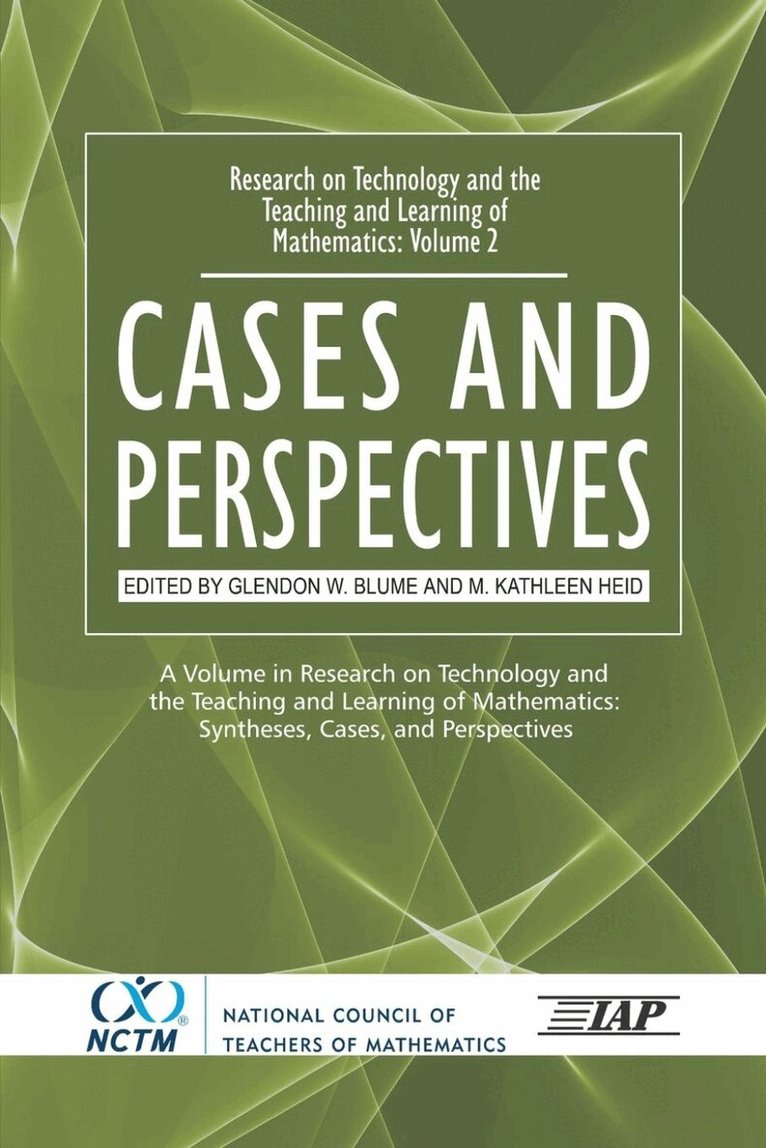
Vol. 2, Cases and Perspectives
Inbunden, Engelska, 2008
1 096 kr
Skickas inom 7-10 vardagar
(Published in Co-operation with the National Council of Teacher of Mathematics)According to NCTM's Principles and Standards for School Mathematics, "Technology is essential in teaching and learning of mathematics; it influences the mathematics that is taught and it enhances students' learning." How does research inform this clarion call for technology in mathematics teaching and learning? In response to the need to craft appropriate roles for technology in school mathematics new technological approaches have been applied to the teaching and learning of mathematics, and these approaches have been examined by researchers world-wide.The second volume has a dual focus: cases and perspectives. It features descriptive cases that provide accounts of the development of technology-intensive curriculum and tools. In these cases the writers describe and analyze various roles that research played in their development work and ways in which research, curriculum development, and tool development can inform each other. These thoughtful descriptions and analyses provide documentation of how this process can and does occur. The remaining chapters in the second volume address research related issues and perspectives on the use of technology in the teaching and learning of mathematics. The lessons learned from the research presented in these volumes are lessons about teaching and learning that can be applied more broadly than solely in technological settings.