Advances in Data Analytics, AI, and Smart Systems – serie
Visar alla böcker i serien Advances in Data Analytics, AI, and Smart Systems. Handla med fri frakt och snabb leverans.
3 produkter
3 produkter
Inbunden, Engelska, 2025
781 kr
Skickas inom 10-15 vardagar
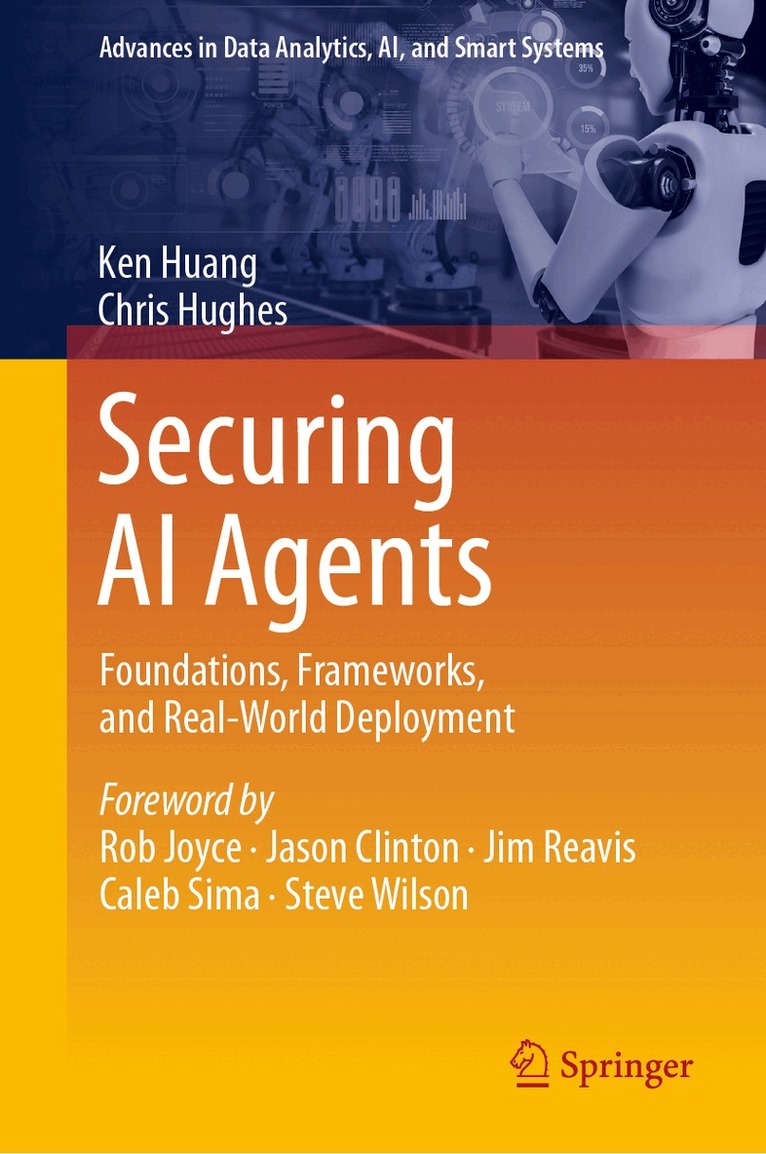
This book focuses on agentic AI security, providing a comprehensive guide to the theoretical foundations and practical techniques required to secure the increasingly prevalent AI agent systems. It examines the security challenges posed by multi-agent environments and presents real-world examples of open-source frameworks and commercial solutions to mitigate these risks. It answers key questions, including how to conduct threat modeling for agentic AI systems, how to secure communication and identity within multi-agent environments, and how to leverage open-source frameworks and commercial solutions for effective security.The book features dedicated chapters on agentic AI threat modeling, identity security, communication security in MAS (Multi-Agent Systems), red teaming, AI agents life cycle security, capability and security benchmarking using GAIA and AIR frameworks, Reinforcement Learning (RL) and security, secure agentic AI deployment strategies, innovative open source security frameworks (Cloud Security Alliance and OWASP examples), and case studies of commercial startups addressing agentic AI security challenges. It also explores the unique threat landscape of agentic AI, the challenges of securing communication and identity within multi-agent systems, and the practical application of security benchmarks and open-source frameworks.As such, the book equips cybersecurity professionals, AI developers, and researchers with the knowledge and tools to mitigate the unique security risks associated with autonomous agents and multi-agent systems.
Inbunden, Engelska, 2026
726 kr
Skickas inom 10-15 vardagar
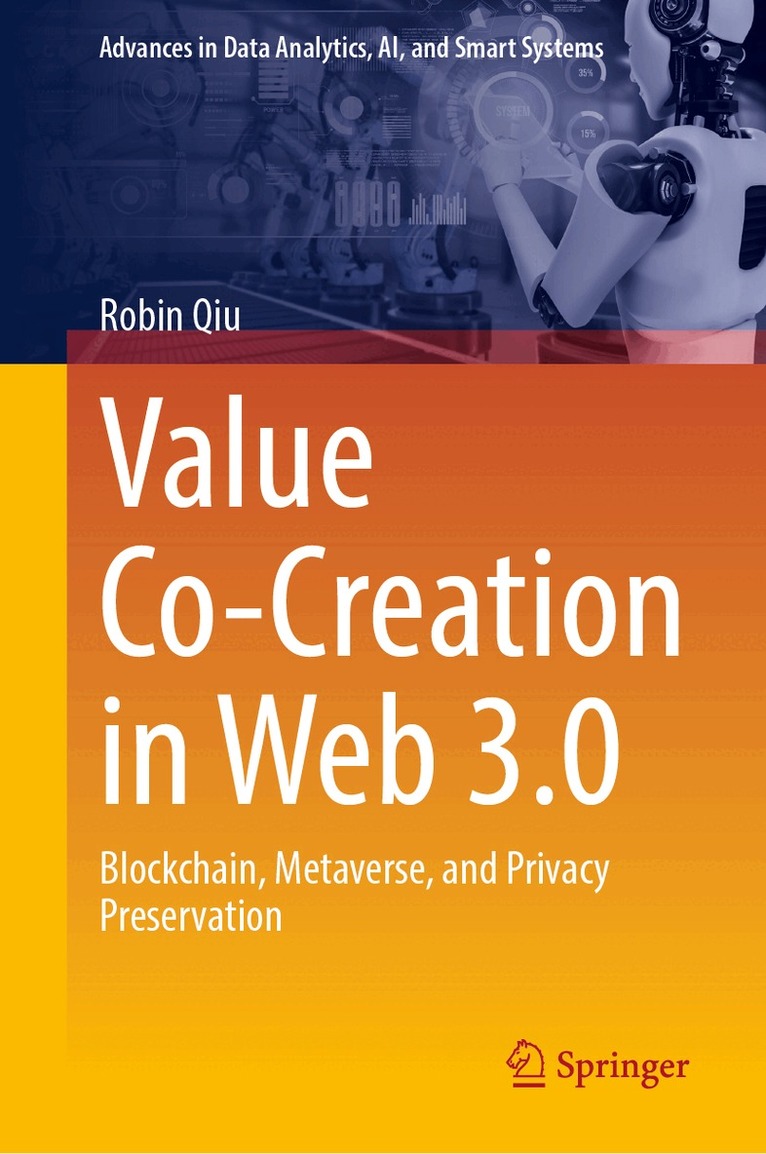
This book explores the architecture and framework for co-creating the most valuable and promising data in the future Internet, often referred to as Web 3.0, from the end user’s perspective. Unlike the current platform economy, where user’s daily usage and activity data is predominantly held by individual organizations, Web 3.0 advocates for decentralized data management across interconnected platforms. This approach aims to fully utilize the vast amounts of data generated by the increasingly connected physical world. The book explains how Web 3.0 can be developed with fundamental and technological support to enhance decentralized data management and maximize benefits for end users. Additionally, it presents two use cases to illustrate how value co-creation can be achieved using Web 3.0.The book is aimed primarily at students from business and engineering schools. It also serves as a valuable teaching resource for instructors in management information systems (MIS), information systems, information science and technology, and data and computing sciences. Additionally, professionals interested in digital transformation, blockchain technology, data analytics, AI, and digital economy policymaking will find it highly relevant.
Inbunden, Engelska, 2026
1 235 kr
Kommande
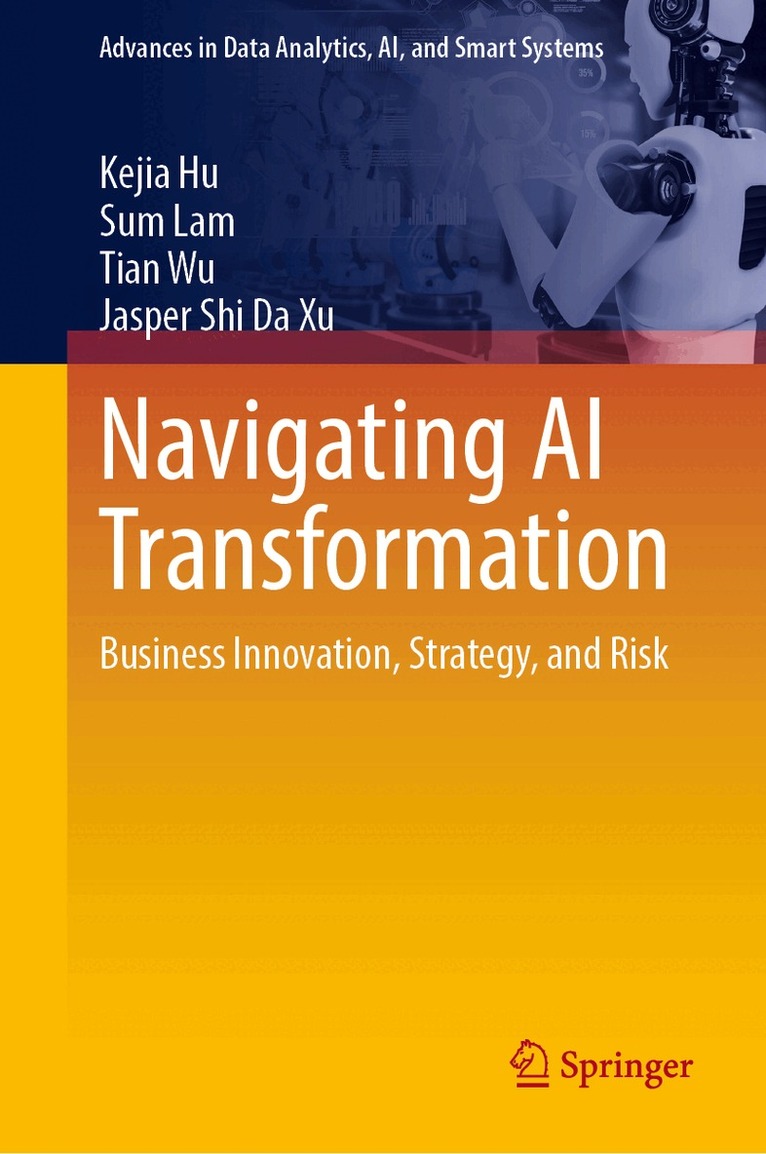
Artificial intelligence is no longer a standalone technology. It is reshaping how organizations operate, compete, and create value. Yet most firms remain stuck at early stages of adoption, focusing on isolated use cases rather than true transformation.This book provides a structured, actionable framework to help leaders move beyond experimentation toward enterprise-wide impact. Built around a four-level model consisting of Automation, Personalization, Operational Innovation, and Business Model Innovation, the book offers a clear roadmap for how AI can drive measurable value across different stages of organizational maturity.Drawing on real-world cases across industries, each chapter demonstrates how leading organizations are applying AI in practice, from improving efficiency and customer experience to redesigning core operations and creating entirely new business models. These examples are grounded in concrete outcomes, enabling readers to understand not only what works, but why.A defining feature of the book is its integrated approach to risk and governance. Each case is accompanied by a structured analysis combining PwC’s auditing risk framework (financial, operational, and reputational risks) with legal and regulatory perspectives. This dual lens equips decision-makers to scale AI responsibly while navigating increasing scrutiny around compliance, accountability, and trust.Designed for business leaders, AI strategists, and legal professionals, this book bridges the gap between technical possibility and organizational reality. It provides practical tools, strategic insights, and a disciplined framework to help organizations capture the value of AI, while managing its risks.