Conflict, Environment, and Social Complexity – serie
Visar alla böcker i serien Conflict, Environment, and Social Complexity. Handla med fri frakt och snabb leverans.
6 produkter
6 produkter
Inbunden, Engelska, 2024
1 524 kr
Skickas inom 10-15 vardagar
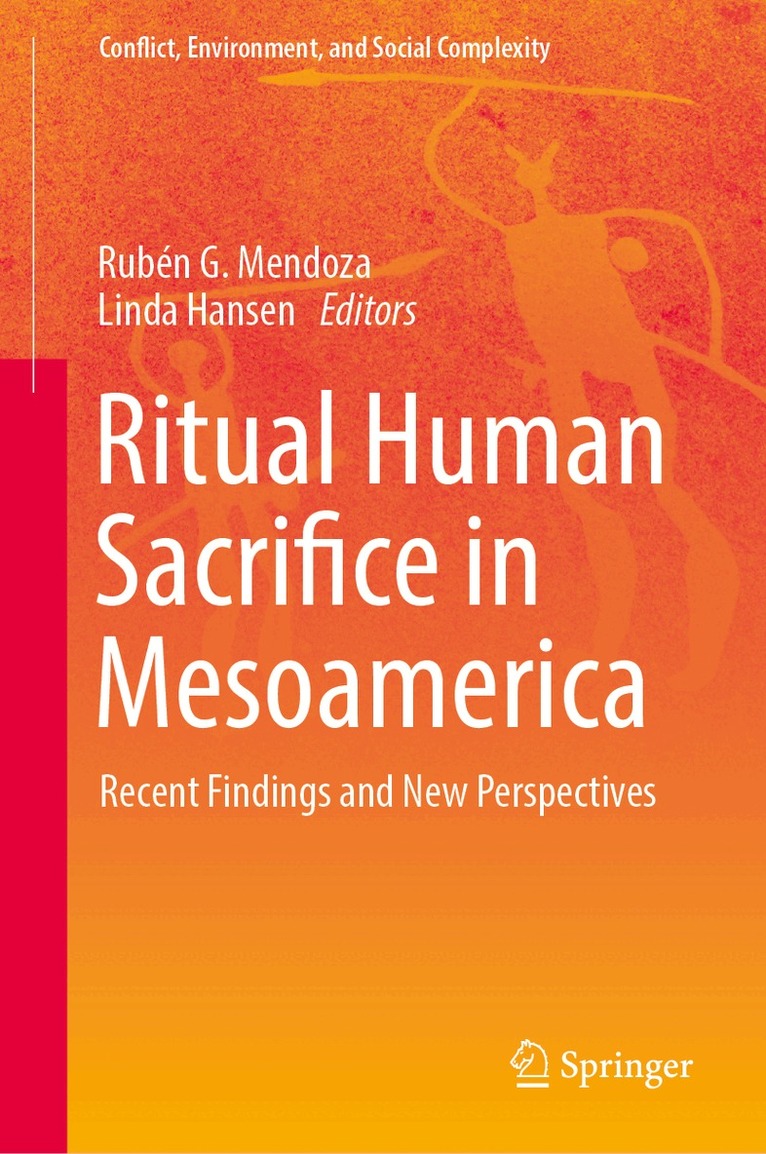
This edited volume addresses the environmental and cultural underpinnings of the kind of social conflict that spawned the origins and elaboration of ritualized human and animal sacrifice in Mesoamerica. The chapters variously document the place of cultural evolution and social complexity in the origins and elaboration of ritual human sacrifice, cannibalism, and trophy-taking across a broad spectrum of Mesoamerican cultural and social contexts that first saw the light of day before 2600 BCE, and rapidly developed and proliferated across the Mesoamerican world in the centuries to follow. They study the developments in sacrifice rituals through the centuries into the first millennium CE, when the Mexica Aztec and their allies had elevated ritual human sacrifice such that they produced a plethora of sacrificial acts, modes and manners of death, and associated deities to articulate the necro-cultures and blood-tribute of the times. The chapters further study present-day rites of Amerindian communities from throughout Mesoamerica that include paying homage to the deities of earth and sky through sacrifice and consumption of animal surrogates. The interdisciplinary effort undertaken by this international cadre of scientists, including anthropologists, bioarchaeologists, art historians, ethnohistorians, iconographers, and religious studies experts provides a particularly rich forum for launching an interrogation into the role of conflict, environment, and social complexity in the emergence and persistence of ritual violence and human sacrifice in the Mesoamerican world.
Häftad, Engelska, 2025
1 524 kr
Skickas inom 10-15 vardagar
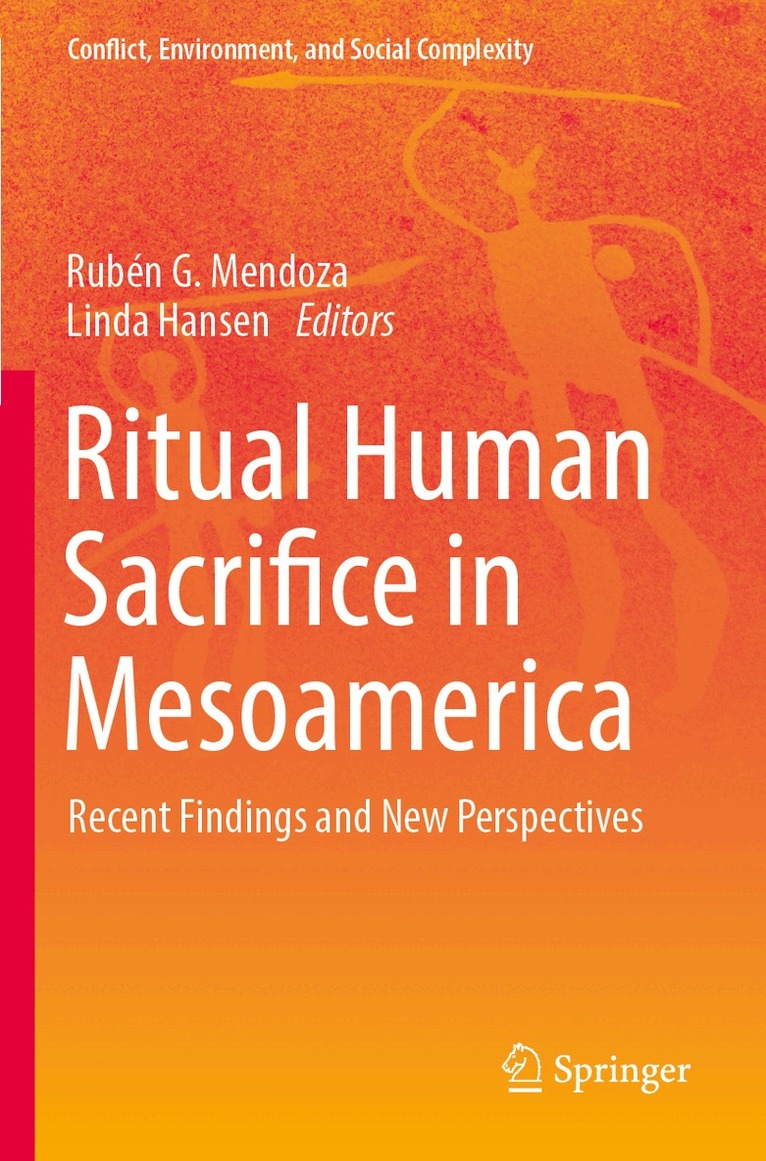
This edited volume addresses the environmental and cultural underpinnings of the kind of social conflict that spawned the origins and elaboration of ritualized human and animal sacrifice in Mesoamerica. The chapters variously document the place of cultural evolution and social complexity in the origins and elaboration of ritual human sacrifice, cannibalism, and trophy-taking across a broad spectrum of Mesoamerican cultural and social contexts that first saw the light of day before 2600 BCE, and rapidly developed and proliferated across the Mesoamerican world in the centuries to follow. They study the developments in sacrifice rituals through the centuries into the first millennium CE, when the Mexica Aztec and their allies had elevated ritual human sacrifice such that they produced a plethora of sacrificial acts, modes and manners of death, and associated deities to articulate the necro-cultures and blood-tribute of the times. The chapters further study present-day rites of Amerindian communities from throughout Mesoamerica that include paying homage to the deities of earth and sky through sacrifice and consumption of animal surrogates. The interdisciplinary effort undertaken by this international cadre of scientists, including anthropologists, bioarchaeologists, art historians, ethnohistorians, iconographers, and religious studies experts provides a particularly rich forum for launching an interrogation into the role of conflict, environment, and social complexity in the emergence and persistence of ritual violence and human sacrifice in the Mesoamerican world.
Inbunden, Engelska, 2023
1 458 kr
Skickas inom 10-15 vardagar
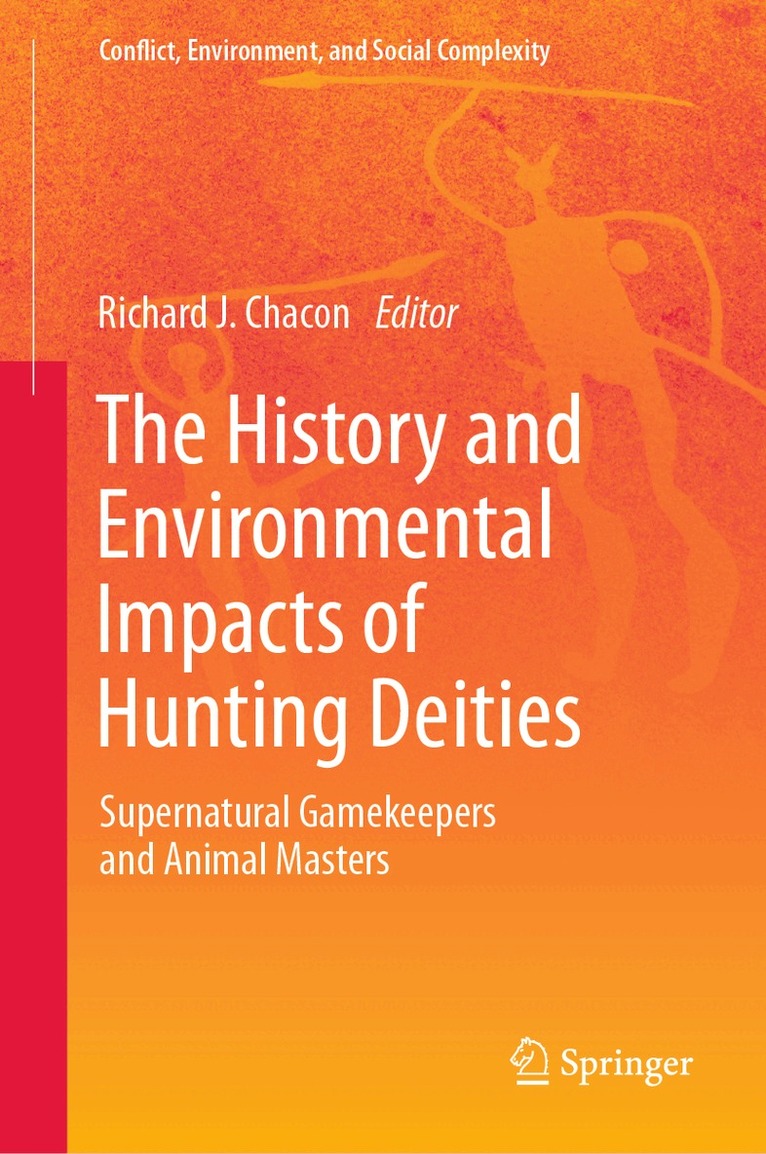
This edited volume analyzes the belief in supernatural gamekeepers and/or animal masters of wildlife from a cross-cultural perspective. It documents the antiquity and widespread occurrence of the belief in supernatural gamekeepers at the global level. This interdisciplinary volume documents both the antiquity and the widespread geographical distribution of this belief along with surveying the various manifestations of this cosmology by way of studies from Europe, Asia, Africa, and North and South America. Some chapters explore the manifestations of this belief as they appear in petroglyphs/pictographs and other forms of material culture. Others focus on the environmental impacts of these beliefs/rituals and prescribed foraging restrictions by analyzing how they affect game harvests. The internationally recognized scholars in this volume assess the efficacy of this particular form of traditional ecological knowledge (TEK) and investigate if adherence to the belief in animal masters actually causes hunters to refrain from overharvesting wild game and thereby contributes to sustainable hunting practices. This volume is of interest to anthropologists, archaeologists and other social scientists researching traditional ecological knowledge (TEK), indigenous conservation, biodiversity, and sustainability practices, and animal deities.
Häftad, Engelska, 2024
1 458 kr
Skickas inom 10-15 vardagar
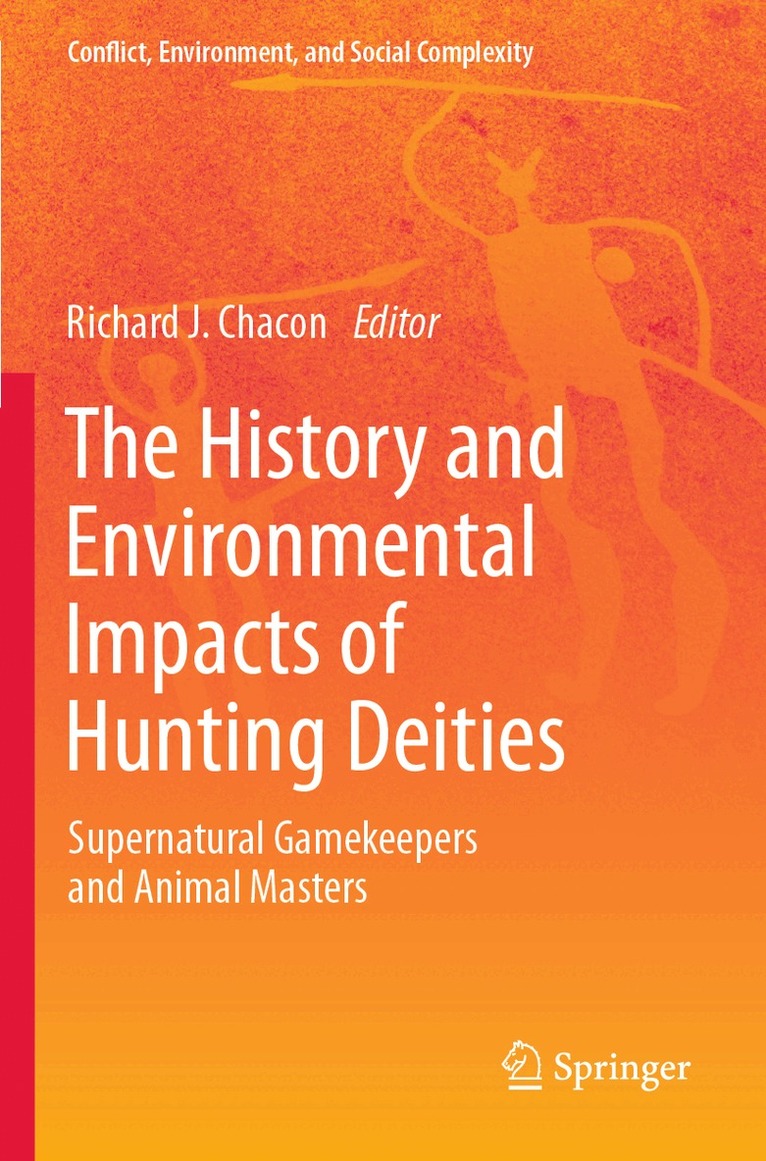
This edited volume analyzes the belief in supernatural gamekeepers and/or animal masters of wildlife from a cross-cultural perspective. It documents the antiquity and widespread occurrence of the belief in supernatural gamekeepers at the global level. This interdisciplinary volume documents both the antiquity and the widespread geographical distribution of this belief along with surveying the various manifestations of this cosmology by way of studies from Europe, Asia, Africa, and North and South America. Some chapters explore the manifestations of this belief as they appear in petroglyphs/pictographs and other forms of material culture. Others focus on the environmental impacts of these beliefs/rituals and prescribed foraging restrictions by analyzing how they affect game harvests. The internationally recognized scholars in this volume assess the efficacy of this particular form of traditional ecological knowledge (TEK) and investigate if adherence to the belief in animal masters actually causes hunters to refrain from overharvesting wild game and thereby contributes to sustainable hunting practices. This volume is of interest to anthropologists, archaeologists and other social scientists researching traditional ecological knowledge (TEK), indigenous conservation, biodiversity, and sustainability practices, and animal deities.
Inbunden, Engelska, 2024
1 458 kr
Skickas inom 10-15 vardagar
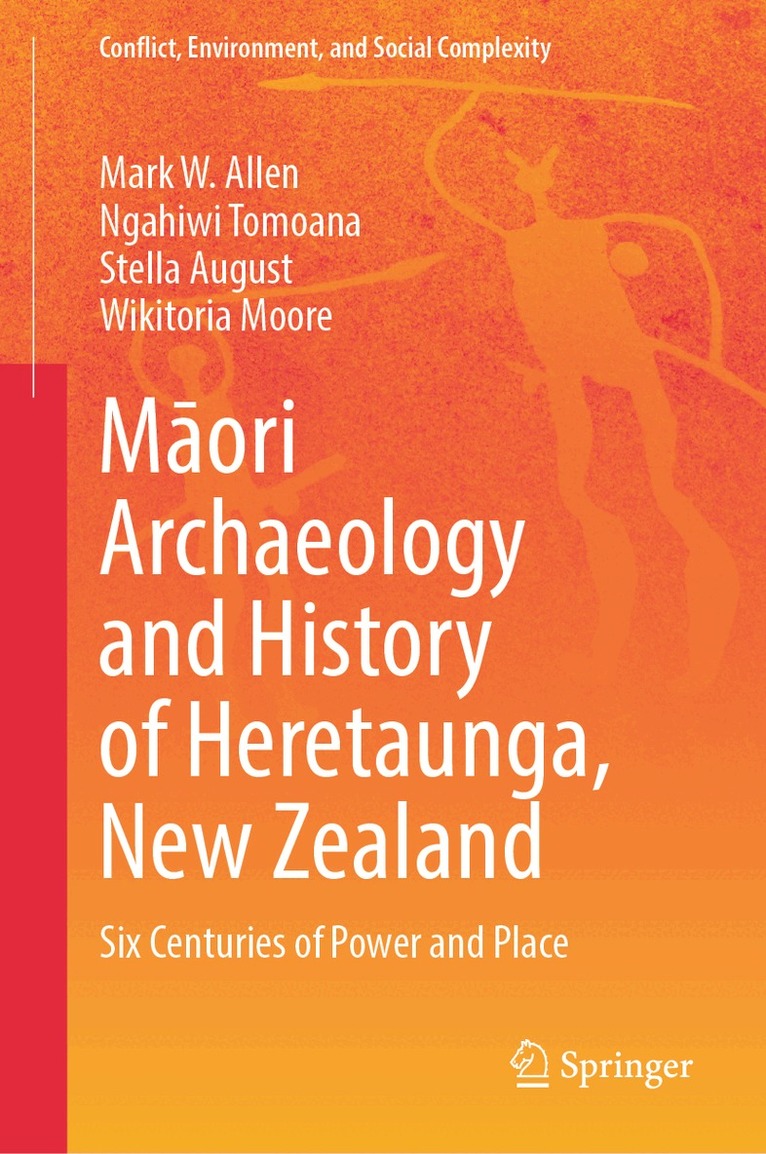
This book uses Māori Kaupapa (a Māori approach, practice) to provide unique insights toward the anthropological understanding of power and place in Heretaunga, New Zealand. It examines the power of Māori leaders and ancient and modern archaeological and historical landscapes over the past six centuries. It highlights Māori warfare, characterized by impressive fortifications known as pā. Severe impacts of the colonial period are also discussed, including demographic calamity, changes in settlement pattern, and the innovative ways that Māori leaders sought to navigate the last half of the nineteenth century. Recent history and modern issues are examined as well, particularly the rise of tribal self-government. Importantly, the roles of female leaders are examined for each period. This book will be of interest across many disciplines for those interested in conflict and warfare, complex pre-state level societies, colonialism, power and women, and indigenous adaptions to globalization.
Inbunden, Engelska, 2025
1 458 kr
Skickas inom 10-15 vardagar
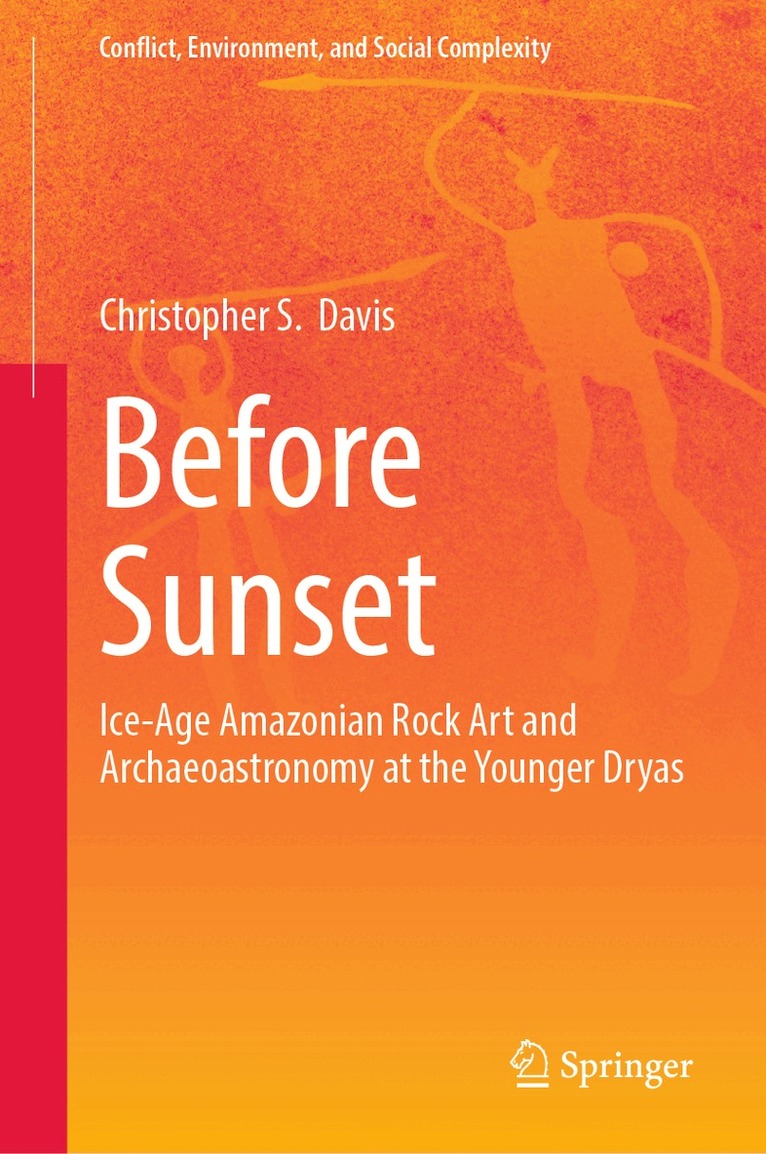
Through a presentation of the oldest rock art dated in the Americas, located in Monte Alegre, Brazil, this book analyzes an ancient ecological-astronomy strategy that theoretically made the rapid human migration in the Americas successful. It helps answer two vital questions long held by scholars and the general public alike: How did humans survive the rapid and massive climate changes at the end of the ice age? And how did founding populations (especially in the Americas) manage successful settlement, relatively rapidly, in ecosystems entirely foreign to them? It further initiates questions about the universal role that astronomy (and even astrology) might have played in cognitive human evolution and the success of burgeoning sedentism and eventual "civilization" throughout the world. The book makes a substantial contribution because of the wealth of cultural information it provides from Monte Alegre. It explains the author's analysis of pictographs, lithics, and landscape modifications that were excavated there and provides novel findings on the chronology and archaeoastronomy of the art. This book is indispensable for courses about Paleoindians, peopling of the Americas, environmental anthropology, cosmology, rock art studies, archeoastronomy, paleoecology, paleoethnobotany, and Amazonia. The pan-American indications of this work will appeal to archaeologists, historians, art historians, folklorists, Native American and Indigenous scholars, evolutionists, cognitive scientists, geographers, and the general public.