McGill-Queen's Studies in Gender, Sexuality, and Social Justice in the Global South – serie
Visar alla böcker i serien McGill-Queen's Studies in Gender, Sexuality, and Social Justice in the Global South. Handla med fri frakt och snabb leverans.
4 produkter
4 produkter
Inbunden, Engelska, 2021
2 025 kr
Skickas inom 3-6 vardagar
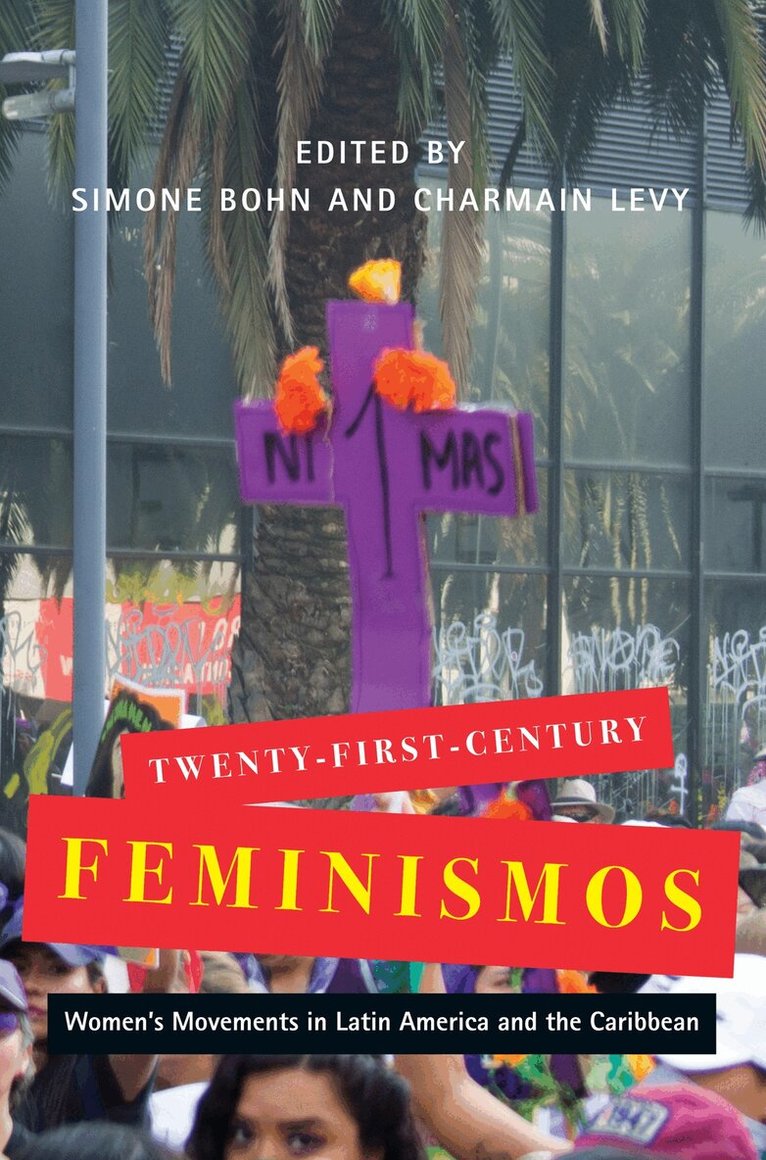
The women's movement is a central, complex, and evolving socio-political actor in any national context. Vital to advancing gender equity and gendered relations in every contemporary society, the organization and mobilization of women into social movements challenges patriarchal values, behaviours, laws, and policies through collective action and contention, radically altering the direction of society over time.Twenty-First-Century Feminismos examines ten case studies from eight different countries in Latin America and the Caribbean to better understand the ways in which women's and feminist movements react to, are shaped by, and advance social change. A closer look at women's movements in Argentina, Brazil, Chile, Colombia, El Salvador, Haiti, Mexico, and Uruguay uncovers broader recurrent patterns at the regional level, such as the persistence of certain grievances historically harboured by regional movements, the rise in prominence of varying claims, and the emergence of novel organizational structures, repertoires, and mobilization strategies. Dissimilarities among the cases are also brought to light, including the composition of these movements, their success in effecting policy change in specific areas, and the particular conditions that surround their mobilization and struggles.Twenty-First-Century Feminismos provides a compelling account of the important victories attained by Latin American and Caribbean organized women over the course of the last forty years, as well as the challenges they face in their quest for gender justice.
Häftad, Engelska, 2021
411 kr
Skickas inom 10-15 vardagar
The women's movement is a central, complex, and evolving socio-political actor in any national context. Vital to advancing gender equity and gendered relations in every contemporary society, the organization and mobilization of women into social movements challenges patriarchal values, behaviours, laws, and policies through collective action and contention, radically altering the direction of society over time.Twenty-First-Century Feminismos examines ten case studies from eight different countries in Latin America and the Caribbean to better understand the ways in which women's and feminist movements react to, are shaped by, and advance social change. A closer look at women's movements in Argentina, Brazil, Chile, Colombia, El Salvador, Haiti, Mexico, and Uruguay uncovers broader recurrent patterns at the regional level, such as the persistence of certain grievances historically harboured by regional movements, the rise in prominence of varying claims, and the emergence of novel organizational structures, repertoires, and mobilization strategies. Dissimilarities among the cases are also brought to light, including the composition of these movements, their success in effecting policy change in specific areas, and the particular conditions that surround their mobilization and struggles.Twenty-First-Century Feminismos provides a compelling account of the important victories attained by Latin American and Caribbean organized women over the course of the last forty years, as well as the challenges they face in their quest for gender justice.
Häftad, Engelska, 2017
446 kr
Skickas inom 5-8 vardagar
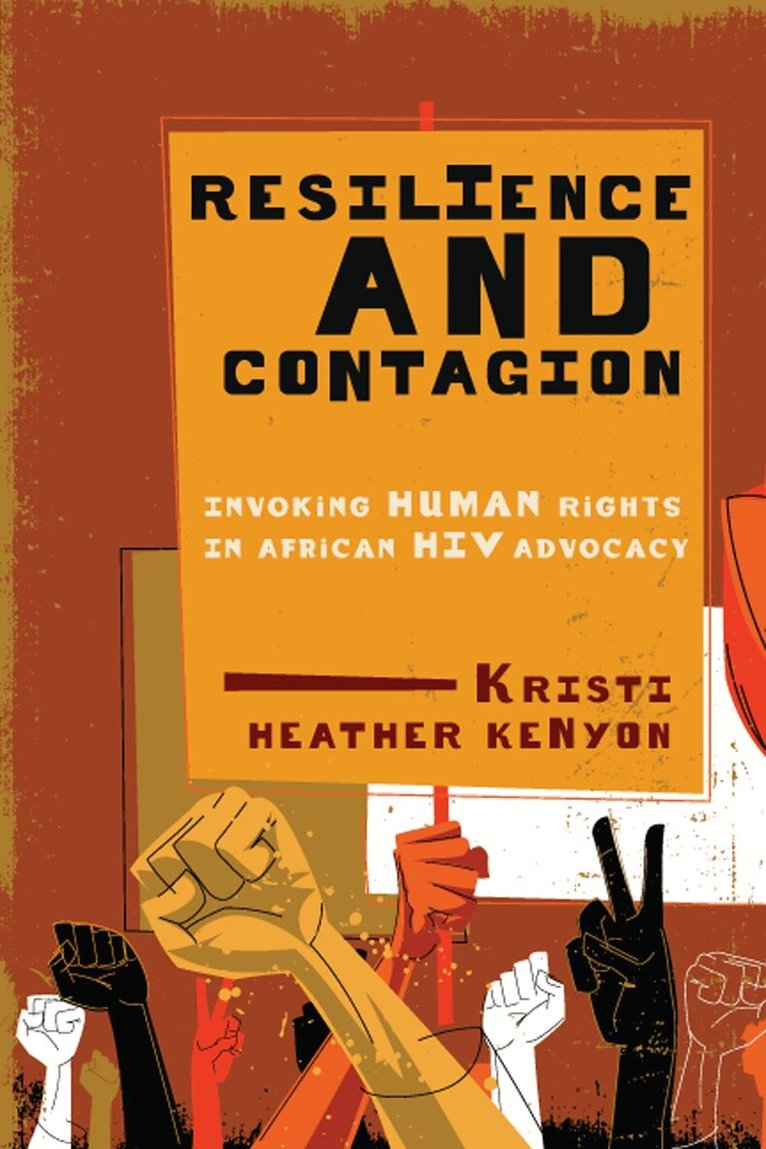
HIV represents not only an unprecedented pandemic but also a site of civil society innovation. In the midst of devastation, activists in sub-Saharan Africa are progressing from traditional forms of health advocacy to strategies that engage human rights principles, techniques, and language. Employing a comparative case-study approach, Resilience and Contagion considers the efforts of nine local civil society organizations in Ghana, Uganda, South Africa, and Botswana. Kristi Heather Kenyon examines who adopts rights-based discourse and why, arguing that leadership, individual beliefs, and structure all play a critical role in framing advocacy. Beyond changing laws or policies, the most important impact of promoting the rights of people living with HIV, she attests, is that it enables individuals to interact with health services from a position of resilience, strength, and empowerment. This book delves into discourse at the juncture of human rights, social theory, and global health, prompting significant and relevant discussion on advocacy's evolution in the region of the world hit hardest by the HIV pandemic. Drawing on 145 interviews, extensive participant observation, and fascinating document analysis, Resilience and Contagion foregrounds the voices of civil society actors who have conducted the most vocal, widespread, and innovative health advocacy to date.
Häftad, Engelska, 2017
433 kr
Skickas inom 5-8 vardagar
When the United Nations announced the Millennium Development Goals (MDGs) in 2000, approximately half a million women worldwide died each year from complications associated with pregnancy and childbirth. The fifth MDG aimed to reduce the maternal mortality rate by 75 per cent between 1990 and 2015, but by the target date, the goal had not been reached. In The Limits of Trust Lisa Nicole Mills investigates the reasons why Mexico in particular did not meet its objective. Focusing on the states of Guerrero, Chiapas, and Oaxaca, where maternal mortality rates are the highest in the country, Mills looks into how MDG 5 has been implemented in Mexico, how it has been experienced by individuals and groups, what obstacles have been encountered, and what factors have facilitated improvements in maternal health. Using data gathered from interviews with NGOs, government officials, and health care workers, the book argues that government and feminist NGO efforts to build trust in the health care system have fallen short because of systemic failures to protect women's rights and enhance the quality of health care. In Mexico a woman's risk of dying from a pregnancy-related complication is five times higher than in developed countries. The Limits of Trust explores the realities of implementing maternal health initiatives on the ground in rural, remote, and impoverished areas, and the steps that can be taken to successfully combat maternal mortality.