Quantitative Methods in Education and the Behavioral Sciences: Issues, Research, and Teaching - Böcker
Visar alla böcker i serien Quantitative Methods in Education and the Behavioral Sciences: Issues, Research, and Teaching. Handla med fri frakt och snabb leverans.
8 produkter
8 produkter
644 kr
Skickas inom 7-10 vardagar
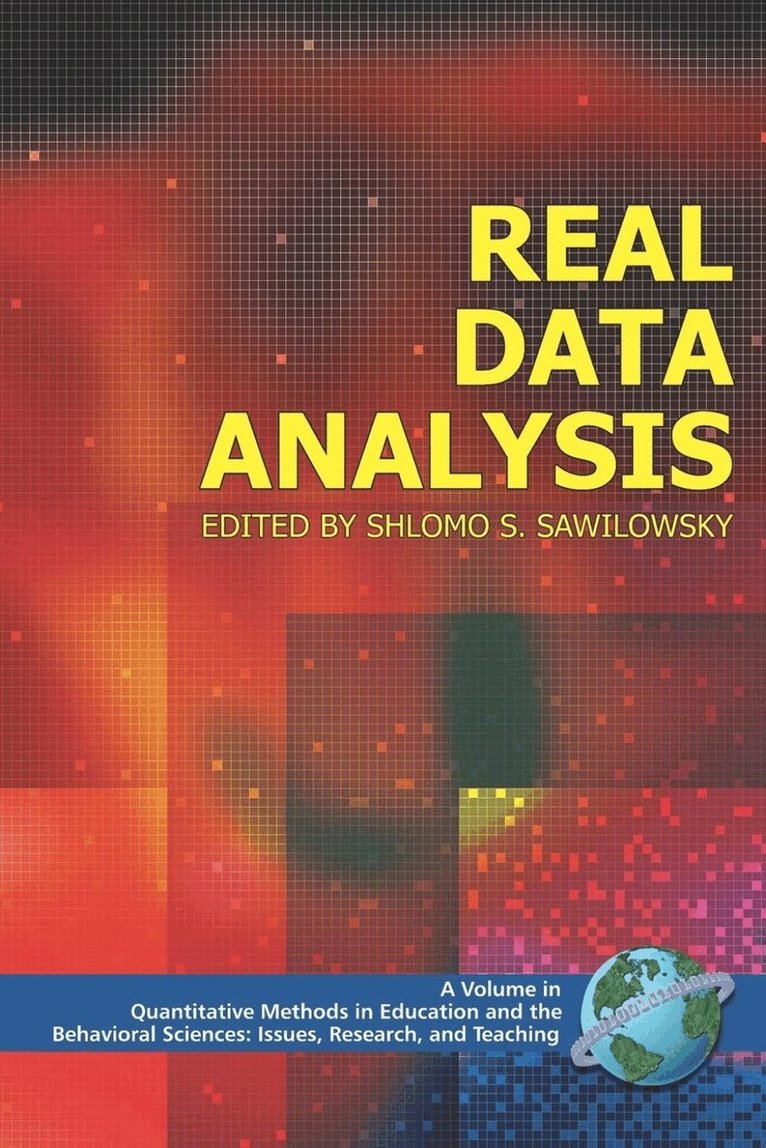
The invited authors of this edited volume have been prolific in the arena of Real Data Analysis (RDA) as it applies to the social and behavioral sciences, especially in the disciplines of education and psychology. Combined, this brain trust represents 3,247 articles in refereed journals, 127 books published, US $45.3 Million in extramural research funding, 34 teaching and 92 research awards, serve(d) as Editor/Assistant Editor/Editorial Board Member for 95 peer reviewed journals, and provide (d) ad hoc reviews for 362 journals. Their enormous footprint on real data analysis is showcased for professors, researchers, educators, administrators, and graduate students in the second text in the AERA/SIG ES Quantitative Methods series.
1 091 kr
Skickas inom 7-10 vardagar
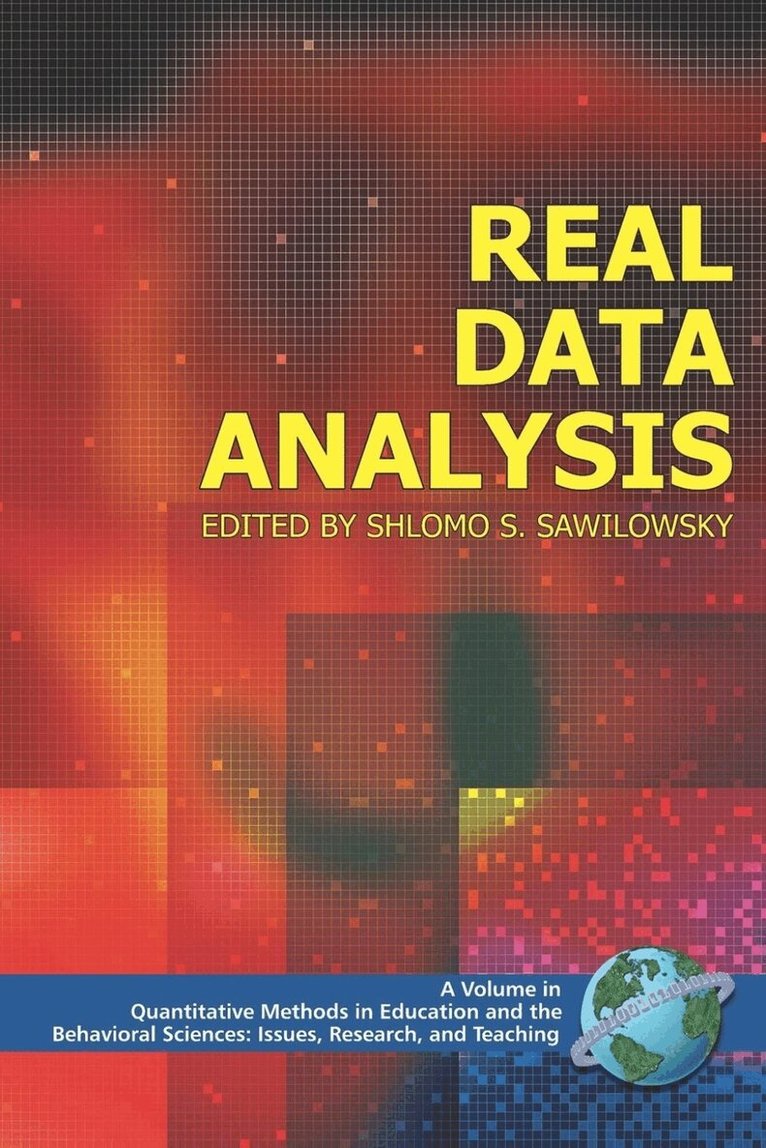
The invited authors of this edited volume have been prolific in the arena of Real Data Analysis (RDA) as it applies to the social and behavioral sciences, especially in the disciplines of education and psychology. Combined, this brain trust represents 3,247 articles in refereed journals, 127 books published, US $45.3 Million in extramural research funding, 34 teaching and 92 research awards, serve(d) as Editor/Assistant Editor/Editorial Board Member for 95 peer reviewed journals, and provide (d) ad hoc reviews for 362 journals. Their enormous footprint on real data analysis is showcased for professors, researchers, educators, administrators, and graduate students in the second text in the AERA/SIG ES Quantitative Methods series.
729 kr
Skickas inom 7-10 vardagar
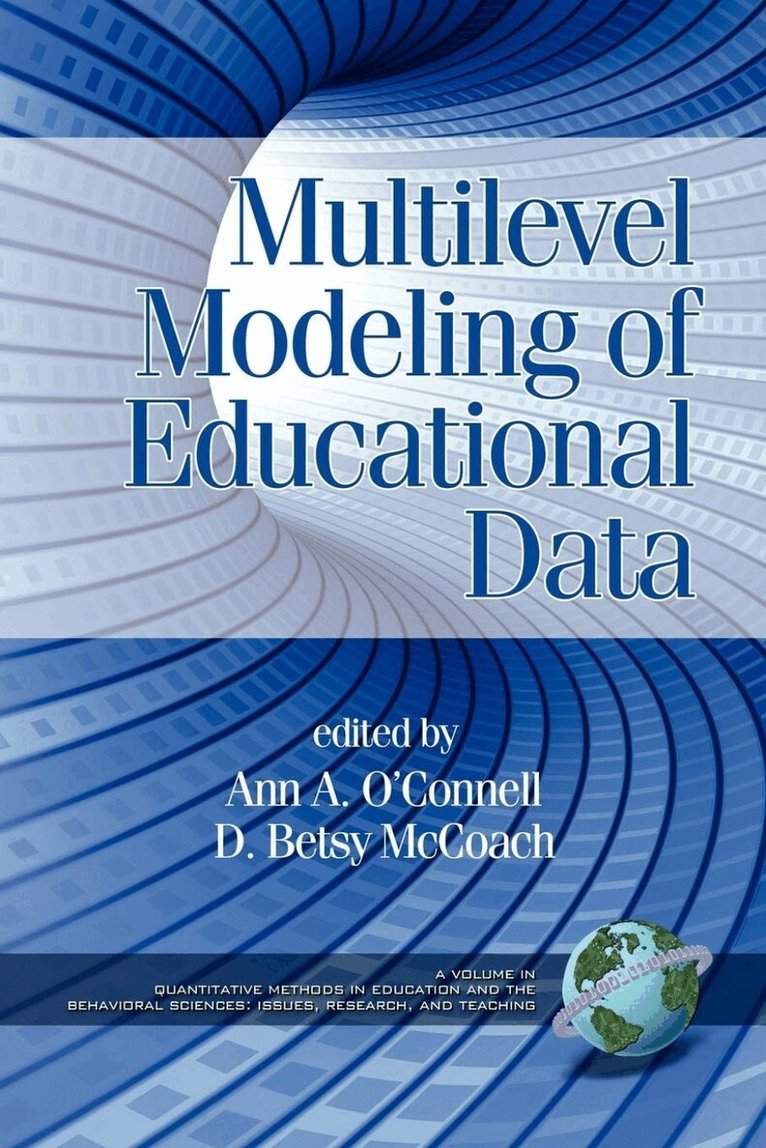
(sponsored by the Educational Statisticians, SIG)The use of multilevel analyses to examine effects of groups or contexts on individual outcomes has burgeoned over the past few decades. Multilevel modeling techniques allow educational researchers to more appropriately model data that occur within multiple hierarchies (i.e.- the classroom, the school, and/or the district). Examples of multilevel research problems involving schools include establishing trajectories of academic achievement for children within diverse classrooms or schools or studying school-level characteristics on the incidence of bullying. Multilevel models provide an improvement over traditional single-level approaches to working with clustered or hierarchical data; however, multilevel data present complex and interesting methodological challenges for the applied education research community.In keeping with the pedagogical focus for this book series, the papers this volume emphasize applications of multilevel models using educational data, with chapter topics ranging from basic to advanced. This book represents a comprehensive and instructional resource text on multilevel modeling for quantitative researchers who plan to use multilevel techniques in their work, as well as for professors and students of quantitative methods courses focusing on multilevel analysis. Through the contributions of experienced researchers and teachers of multilevel modeling, this volume provides an accessible and practical treatment of methods appropriate for use in a first and/or second course in multilevel analysis. A supporting website links chapter examples to actual data, creating an opportunity for readers to reinforce their knowledge through hands-on data analysis. This book serves as a guide for designing multilevel studies and applying multilevel modeling techniques in educational and behavioral research, thus contributing to a better understanding of and solution for the challenges posed by multilevel systems and data.
1 188 kr
Skickas inom 7-10 vardagar
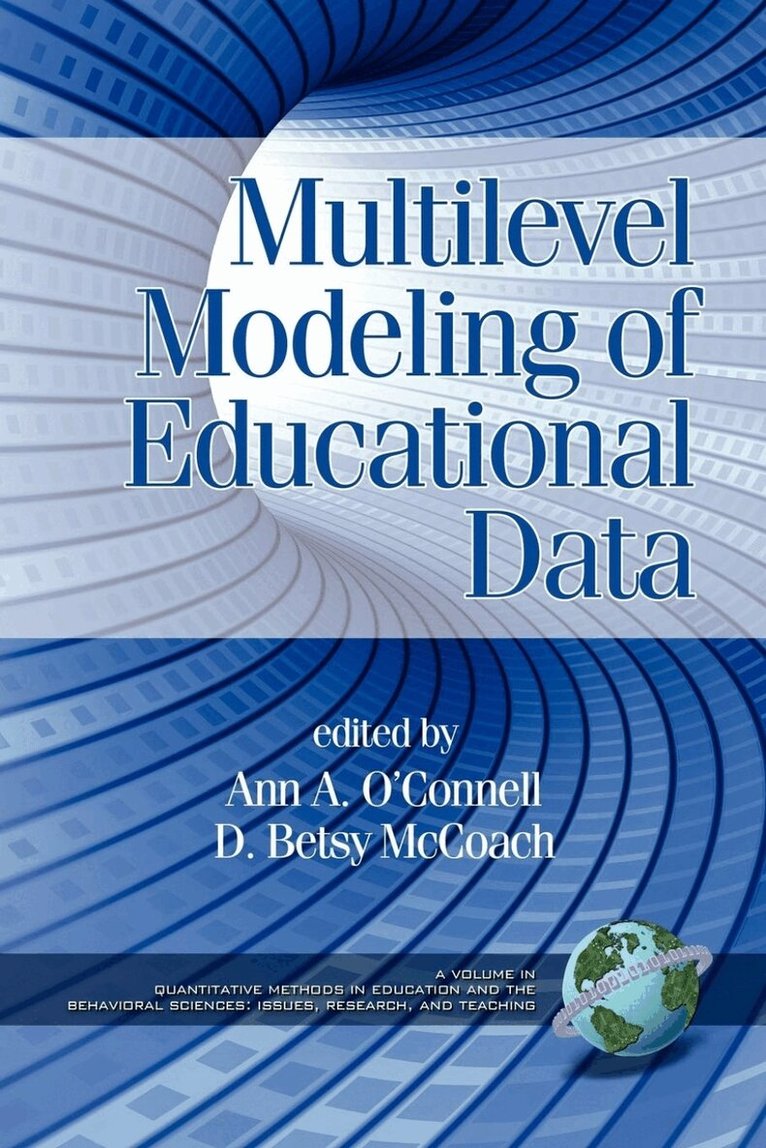
(sponsored by the Educational Statisticians, SIG)The use of multilevel analyses to examine effects of groups or contexts on individual outcomes has burgeoned over the past few decades. Multilevel modeling techniques allow educational researchers to more appropriately model data that occur within multiple hierarchies (i.e.- the classroom, the school, and/or the district). Examples of multilevel research problems involving schools include establishing trajectories of academic achievement for children within diverse classrooms or schools or studying school-level characteristics on the incidence of bullying. Multilevel models provide an improvement over traditional single-level approaches to working with clustered or hierarchical data; however, multilevel data present complex and interesting methodological challenges for the applied education research community.In keeping with the pedagogical focus for this book series, the papers this volume emphasize applications of multilevel models using educational data, with chapter topics ranging from basic to advanced. This book represents a comprehensive and instructional resource text on multilevel modeling for quantitative researchers who plan to use multilevel techniques in their work, as well as for professors and students of quantitative methods courses focusing on multilevel analysis. Through the contributions of experienced researchers and teachers of multilevel modeling, this volume provides an accessible and practical treatment of methods appropriate for use in a first and/or second course in multilevel analysis. A supporting website links chapter examples to actual data, creating an opportunity for readers to reinforce their knowledge through hands-on data analysis. This book serves as a guide for designing multilevel studies and applying multilevel modeling techniques in educational and behavioral research, thus contributing to a better understanding of and solution for the challenges posed by multilevel systems and data.
1 027 kr
Skickas inom 7-10 vardagar
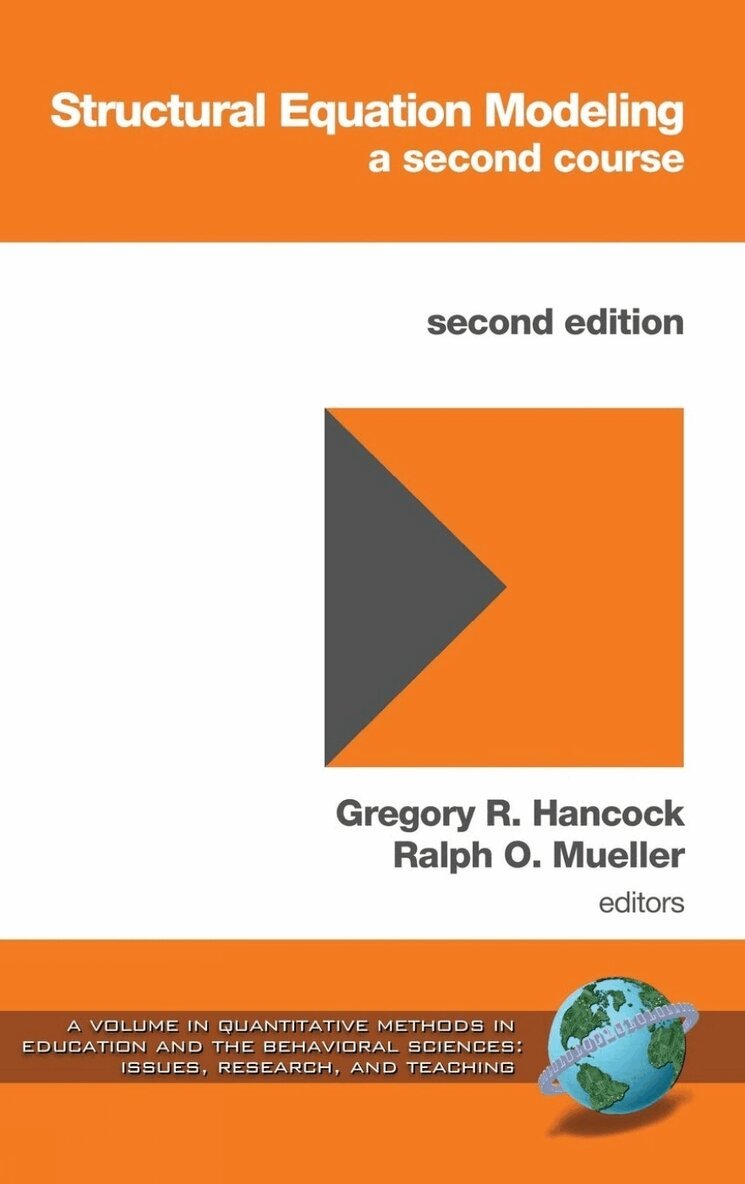
Sponsored by the American Educational Research Association's Special Interest Group for Educational StatisticiansThis volume is the second edition of Hancock and Mueller’s highly-successful 2006 volume, with all of the original chapters updated as well as four new chapters. The second edition, like the first, is intended to serve as a didactically-oriented resource for graduate students and research professionals, covering a broad range of advanced topics often not discussed in introductory courses on structural equation modeling (SEM). Such topics are important in furthering the understanding of foundations and assumptions underlying SEM as well as in exploring SEM, as a potential tool to address new types of research questions that might not have arisen during a first course. Chapters focus on the clear explanation and application of topics, rather than on analytical derivations, and contain materials from popular SEM software.
1 601 kr
Skickas inom 7-10 vardagar
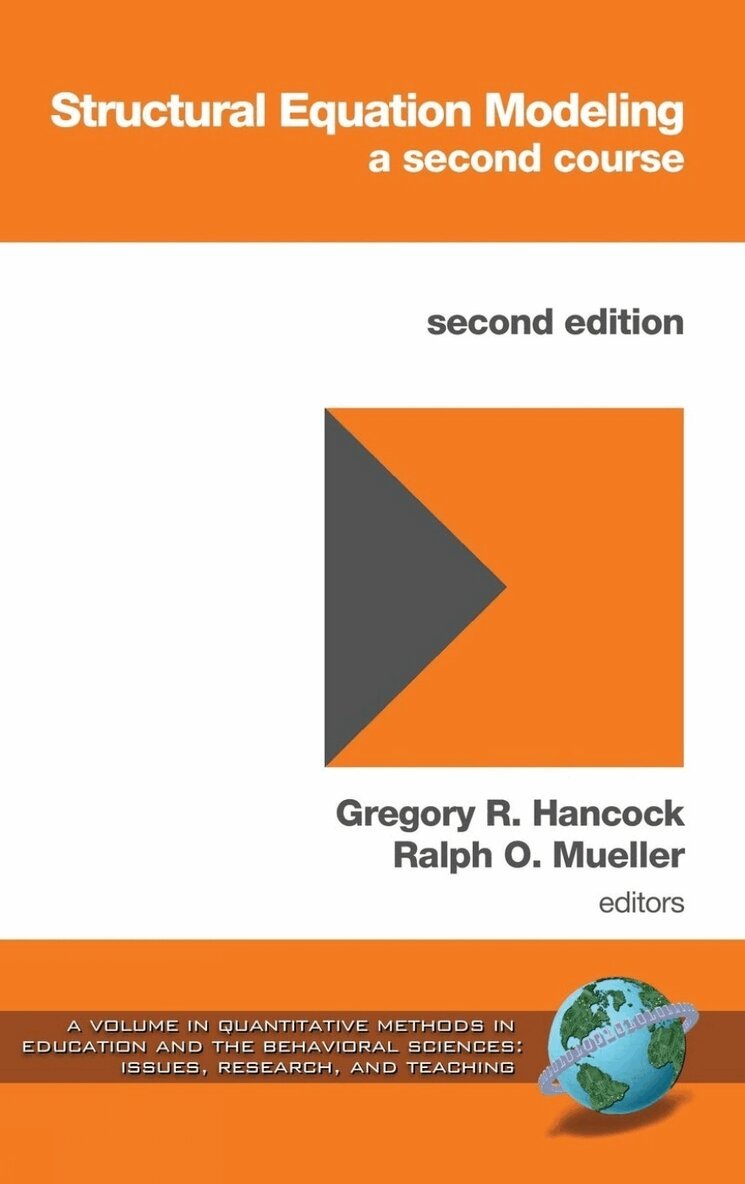
Sponsored by the American Educational Research Association's Special Interest Group for Educational StatisticiansThis volume is the second edition of Hancock and Mueller’s highly-successful 2006 volume, with all of the original chapters updated as well as four new chapters. The second edition, like the first, is intended to serve as a didactically-oriented resource for graduate students and research professionals, covering a broad range of advanced topics often not discussed in introductory courses on structural equation modeling (SEM). Such topics are important in furthering the understanding of foundations and assumptions underlying SEM as well as in exploring SEM, as a potential tool to address new types of research questions that might not have arisen during a first course. Chapters focus on the clear explanation and application of topics, rather than on analytical derivations, and contain materials from popular SEM software.
729 kr
Skickas inom 7-10 vardagar
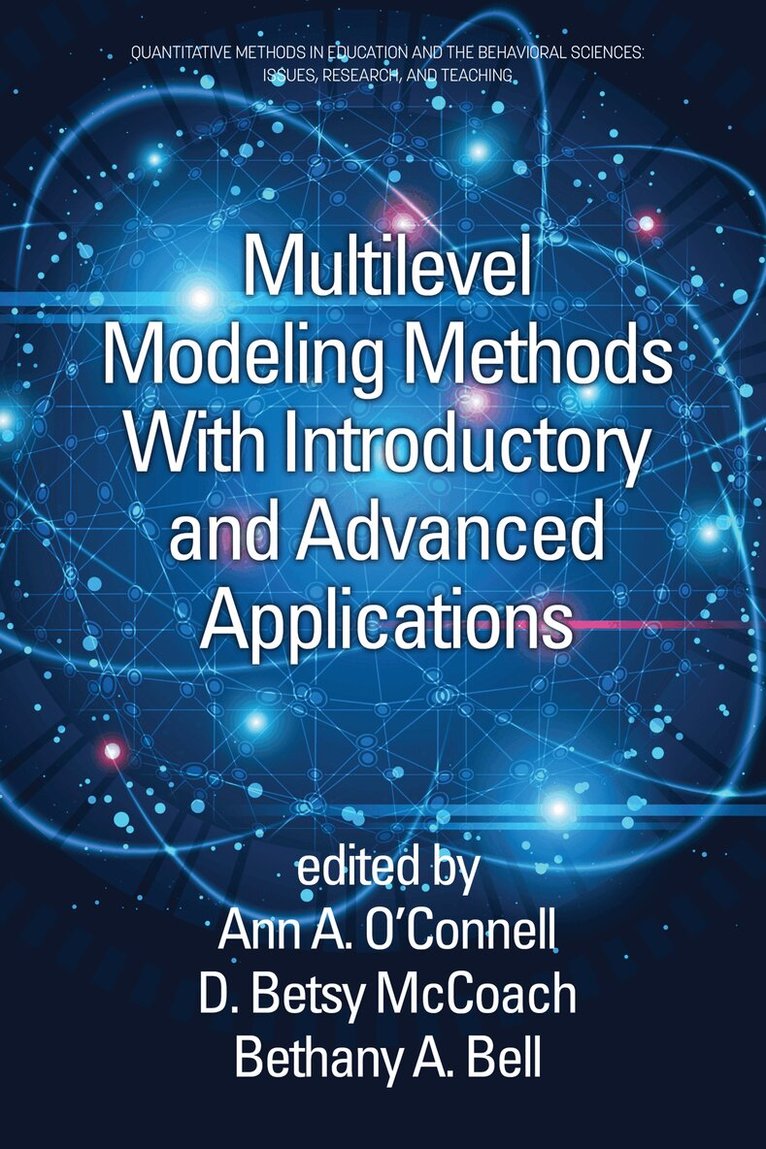
Multilevel Modeling Methods with Introductory and Advanced Applications provides a cogent and comprehensive introduction to the area of multilevel modeling for methodological and applied researchers as well as advanced graduate students. The book is designed to be able to serve as a textbook for a one or two semester course in multilevel modeling. The topics of the seventeen chapters range from basic to advanced, yet each chapter is designed to be able to stand alone as an instructional unit on its respective topic, with an emphasis on application and interpretation.In addition to covering foundational topics on the use of multilevel models for organizational and longitudinal research, the book includes chapters on more advanced extensions and applications, such as cross-classified random effects models, non-linear growth models, mixed effects location scale models, logistic, ordinal, and Poisson models, and multilevel mediation. In addition, the volume includes chapters addressing some of the most important design and analytic issues including missing data, power analyses, causal inference, model fit, and measurement issues. Finally, the volume includes chapters addressing special topics such as using large-scale complex sample datasets, and reporting the results of multilevel designs.
1 188 kr
Skickas inom 7-10 vardagar
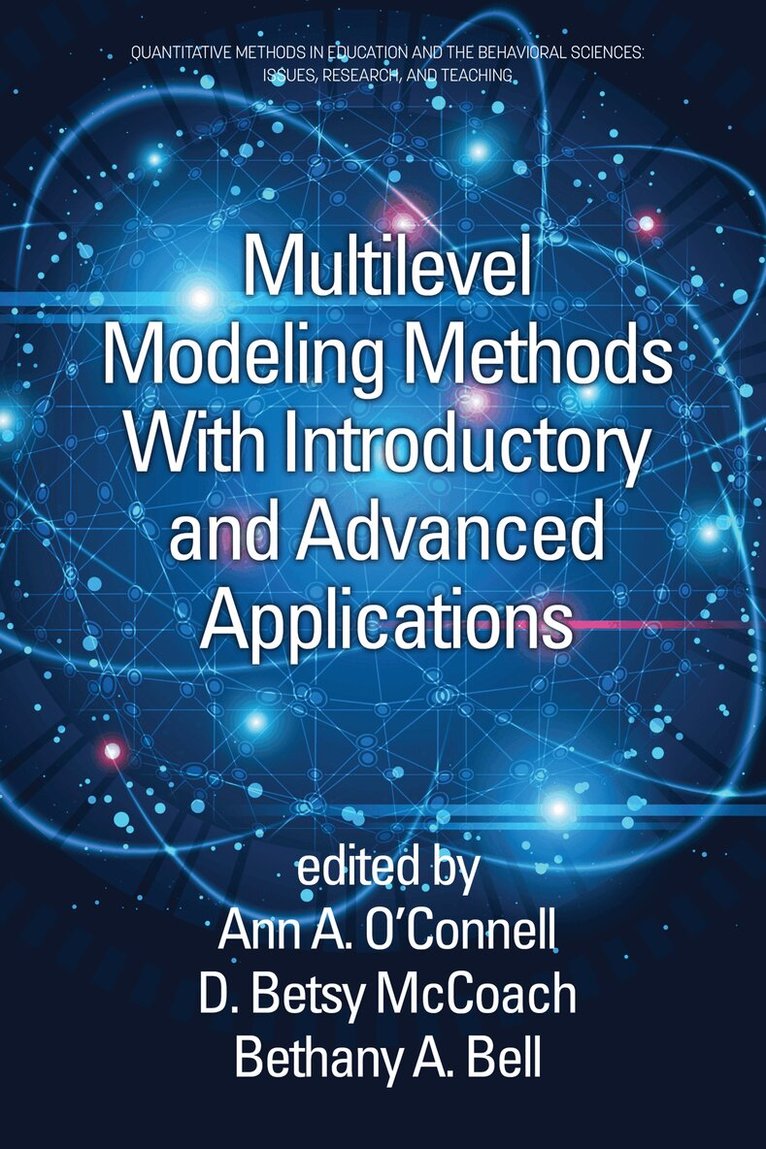
Multilevel Modeling Methods with Introductory and Advanced Applications provides a cogent and comprehensive introduction to the area of multilevel modeling for methodological and applied researchers as well as advanced graduate students. The book is designed to be able to serve as a textbook for a one or two semester course in multilevel modeling. The topics of the seventeen chapters range from basic to advanced, yet each chapter is designed to be able to stand alone as an instructional unit on its respective topic, with an emphasis on application and interpretation.In addition to covering foundational topics on the use of multilevel models for organizational and longitudinal research, the book includes chapters on more advanced extensions and applications, such as cross-classified random effects models, non-linear growth models, mixed effects location scale models, logistic, ordinal, and Poisson models, and multilevel mediation. In addition, the volume includes chapters addressing some of the most important design and analytic issues including missing data, power analyses, causal inference, model fit, and measurement issues. Finally, the volume includes chapters addressing special topics such as using large-scale complex sample datasets, and reporting the results of multilevel designs.