Anthem Sociological Perspectives on Human Rights and Development – serie
Visar alla böcker i serien Anthem Sociological Perspectives on Human Rights and Development. Handla med fri frakt och snabb leverans.
3 produkter
3 produkter
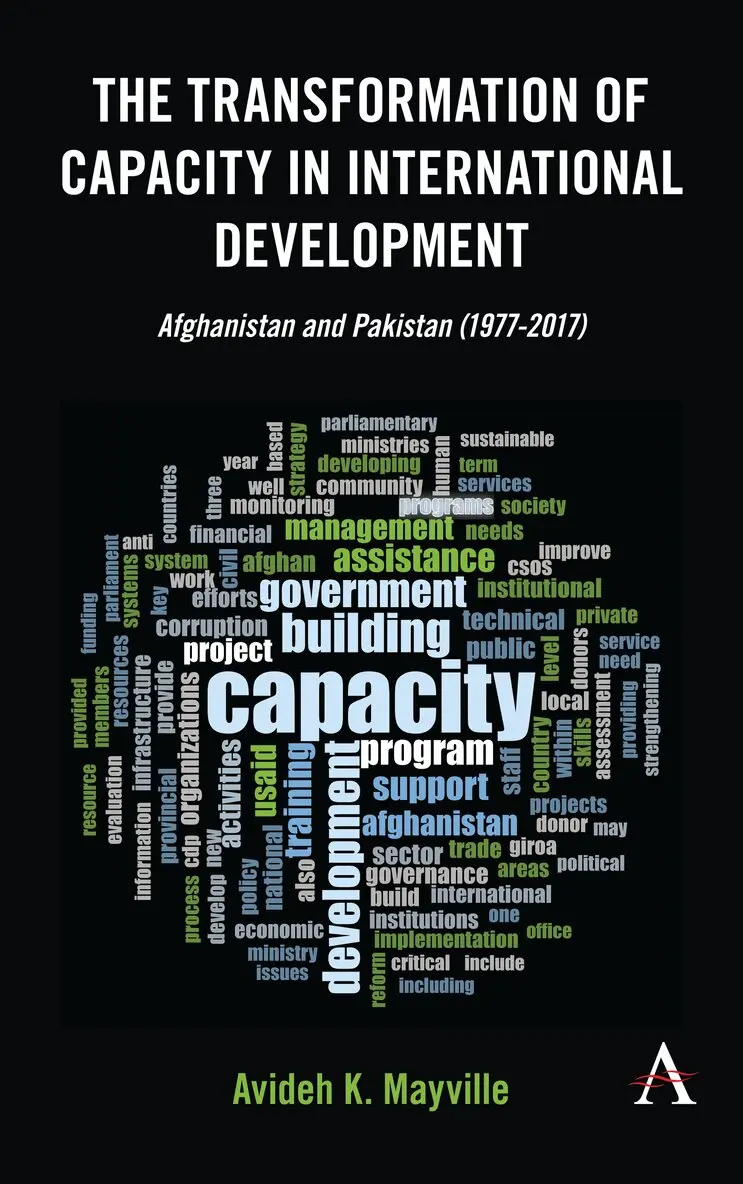
Transformation of Capacity in International Development
Afghanistan and Pakistan (1977–2017)
Inbunden, Engelska, 2019
1 236 kr
Skickas inom 5-8 vardagar
"The Transformation of Capacity in International Development" exposes the transformation of capacity within the development discourse through a discursive analysis of USAID projects in Afghanistan and Pakistan between 1977 and 2017. As development agendas increasingly call for human rights approaches to development and the foreign policies of donor states sound alarms over global security threats, capacity development has emerged as the solution to the complex problem of development. Through this examination of USAID’s attempts to build capacity in Afghanistan and Pakistan, the book exposes how Western notions of progress, constructed by institutions, government offcials, scholars and private sector actors, are obscured by the transformation of capacity. As agendas are translated into projects, they perpetuate historical relationships of global inequality that have corrupted and compete with indigenous models of governance. The Transformation of Capacity in International Development has implications for those considering the future of human rights–based approaches to development, the international management of global security threats and the sustainability of donor investments.
387 kr
Skickas inom 3-6 vardagar
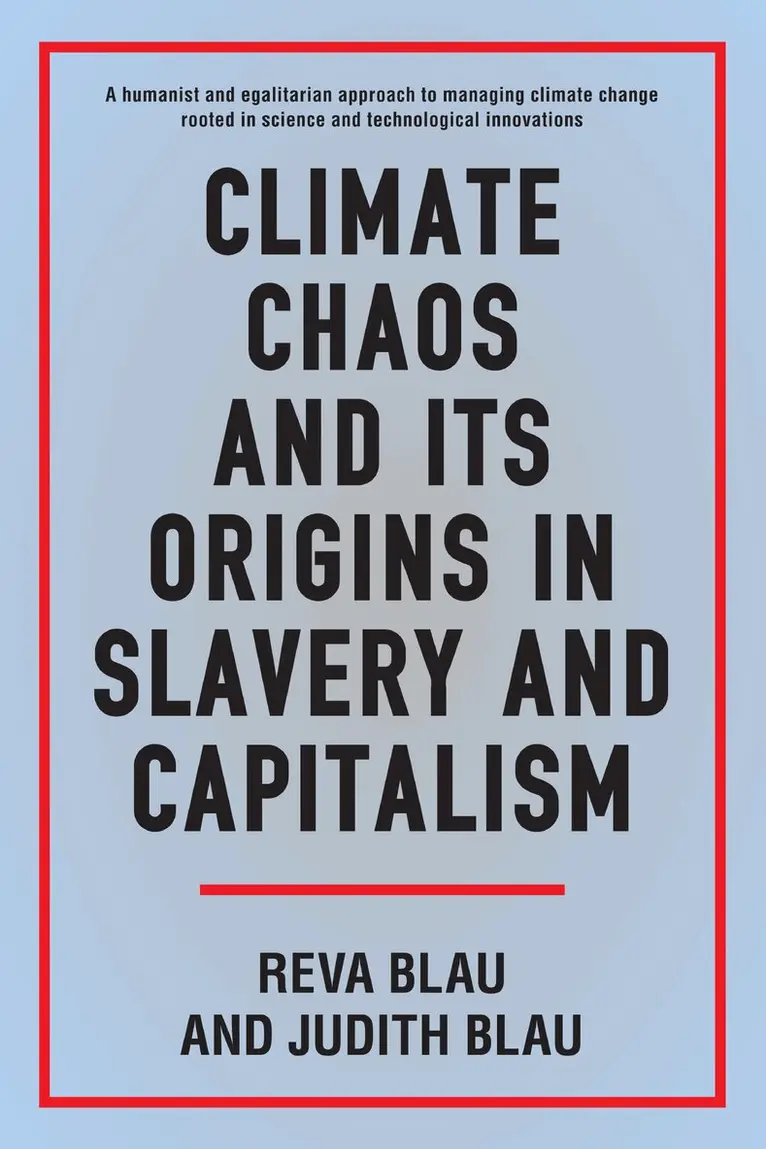
Climate Chaos provides readers the latest consensus among international scientists on the cascading impacts of climate change and the tipping points that today threaten to irreversibly destroy the delicate balance of the Earth’s ecosystems. The book argues that deregulation and an expansion of fossil fuel extraction have already tipped the planet towards a climate that is out of control. This crisis will cause massive human suffering when extreme weather, pollution and disease lead to displacement, food and water shortages, war, and possibly species extinction. The repression of science creates an existential crisis for humanity that has reached crisis proportions in the twentieth-first century. The scale of the crisis has prompted a call for geoengineering, large interventions into the climate by technological innovation. However, the history of colonialism and slavery make the technological and monetary elites untrustworthy to solve this humanitarian and planetary crisis. While the elites have always cast certain groups of humanity as expendable, the climate crisis makes a true humanist and egalitarian movement based in human rights and dignity not only aspirational but also existentially mandatory. The crisis demands that we remake the world into a more just and safe place for all the world’s people.
Transformation of Capacity in International Development
Afghanistan and Pakistan (1977–2017)
Häftad, Engelska, 2021
396 kr
Skickas inom 5-8 vardagar
"The Transformation of Capacity in International Development" exposes the transformation of capacity within the development discourse through a discursive analysis of USAID projects in Afghanistan and Pakistan between 1977 and 2017. As development agendas increasingly call for human rights approaches to development and the foreign policies of donor states sound alarms over global security threats, capacity development has emerged as the solution to the complex problem of development. Through this examination of USAID’s attempts to build capacity in Afghanistan and Pakistan, the book exposes how Western notions of progress, constructed by institutions, government offcials, scholars and private sector actors, are obscured by the transformation of capacity. As agendas are translated into projects, they perpetuate historical relationships of global inequality that have corrupted and compete with indigenous models of governance. The Transformation of Capacity in International Development has implications for those considering the future of human rights–based approaches to development, the international management of global security threats and the sustainability of donor investments.