Arab and Islamic Studies - Böcker
Visar alla böcker i serien Arab and Islamic Studies. Handla med fri frakt och snabb leverans.
6 produkter
6 produkter
207 kr
Skickas inom 10-15 vardagar
"This book is a highly valuable contribution to the current debate on how to achieve stabilization and structural adjustment programs in the Middle East presenting widely differing country profiles." —Digest of Middle East Studies"This book is an excellent collection of ten country case-studies by well-known Middle East political scientists . . . " —MESA Bulletin" . . . a highly original and valuable contribution on an important and most timely topic. . . . combines clarity of focus and breadth of geographic coverage." —Robert BianchiInternational specialists take stock of the problems and prospects for privatization of state-run economies and other liberalization efforts throughout the Middle East and North Africa.
281 kr
Skickas inom 10-15 vardagar
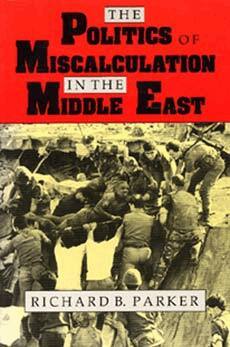
Why do international crises seem to occur so often in the Middle East? Former U.S. diplomat Richard B. Parker presents three detailed studies of policy failures that he believes were precipitated by miscalculations on the part of diplomats and of government and military leaders in one or more Middle Eastern countries, the United States, and the former USSR. They are the Soviet-Egyptian miscalculation leading to the June 1967 war between Israel and the Arab states, the U.S.-Israeli miscalculation leading to Soviet military intervention in Egypt in 1970, and the U.S.-Israeli miscalculation leading to the disastrous Lebanese-Israeli peace agreement of May 17, 1983.Parker's many-sided, often gripping account of the way in which these crises unfolded illustrates how the same events can be viewed very differently by the observers and actors involved, and how political decisions can precipitate reactions that are often very different from those anticipated. Although the book highlights the unavoidably uncertain and contingent element in all diplomatic activity, it also shows that careful attention to history, to past performance, and to prevailing mindsets in the countries involved can be invaluable aids in diplomatic crisis management. The many sources assembled and the careful weighing of their accuracy and reliability, along with the combined perspective of the practitioner and the scholar, make this book an important resource for diplomats, policymakers, and students of diplomacy.
153 kr
Skickas inom 10-15 vardagar
"Readers will find fresh and thought-provoking studies: the differing approaches of the U.S. and the [former] Soviet Union to Middle East policy, Central Asia, and South Asia . . . provide grounds for self-criticism and the exploration of new directions." —John L. Esposito". . . recommended highly for its expert analyses of political Islam." —Journal of Third World StudiesRussian, Central Asian, and American scholars appraise recent political and religious developments among Russia's Muslim neighbors.
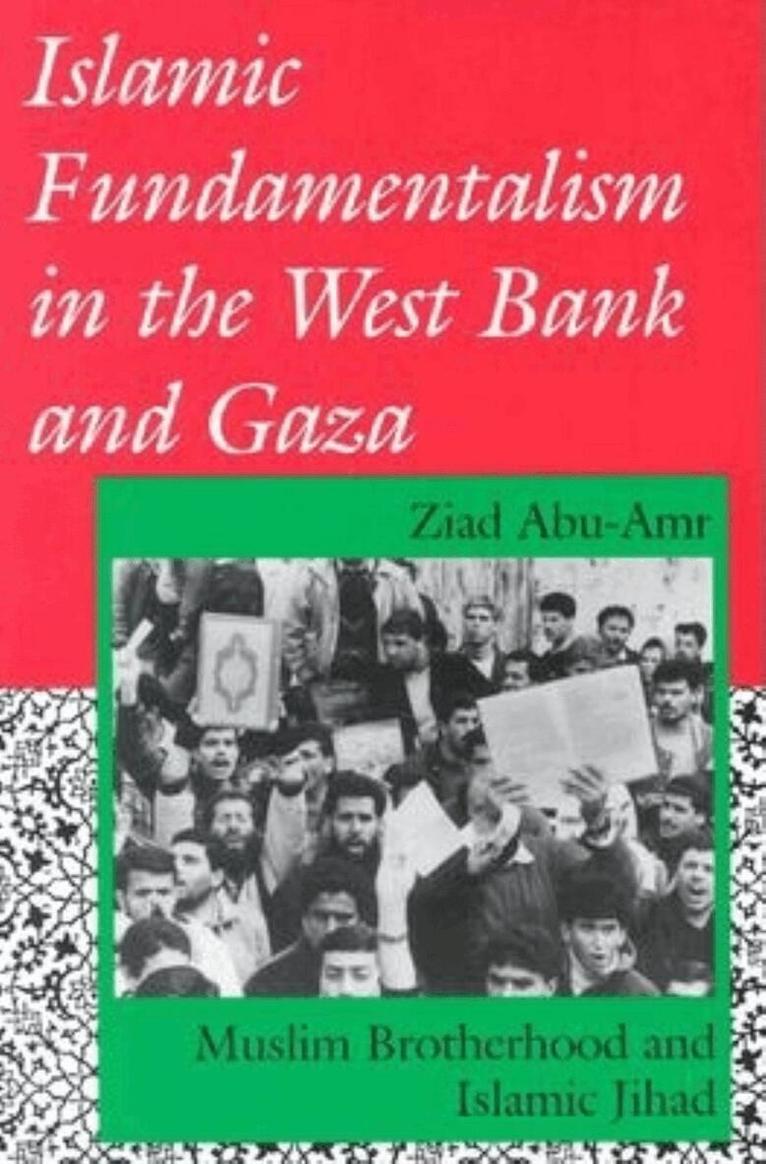
Islamic Fundamentalism in the West Bank and Gaza
Muslim Brotherhood and Islamic Jihad
Häftad, Engelska, 1994
233 kr
Skickas inom 10-15 vardagar
As the Palestinian Liberation Organization engages in negotiations with Israel toward an interim period of limited Palestinian self-rule, this timely book provides an insider's view of how the growing hold of Islamic fundamentalism in the West Bank and Gaza challenges the peace process. Working from interviews with leaders of the movement and from primary documents, Ziad Abu-Amr traces the origin and evolution of the fundamentalist organizations Muslim Brotherhood (Hamas) and Islamic Jihad and analyzes their ideologies, their political programs, their sources of support, and their impact on Palestinian society. With a solid grasp of the dynamics of these movements, Abu-Amr charts the struggle between the fundamentalists and the PLO to define the identity of Palestinian society, its direction, and its leadership.
254 kr
Skickas inom 10-15 vardagar
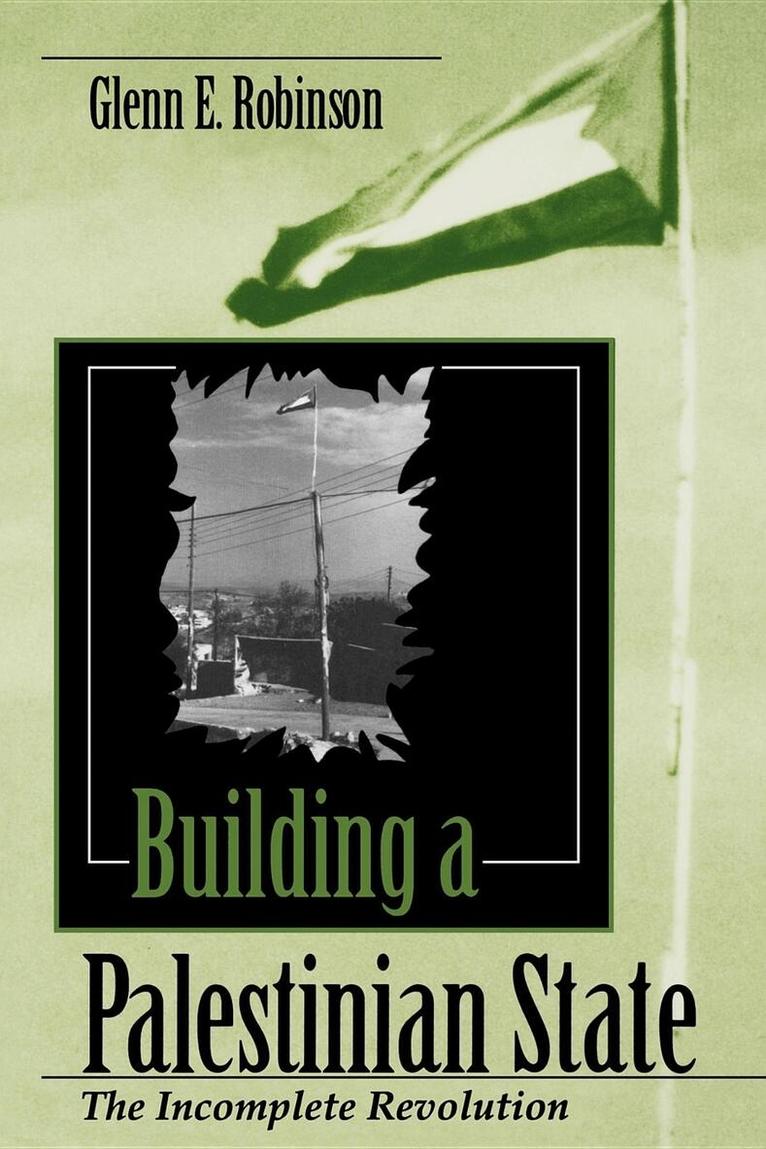
" . . . an analysis that is as intricate and flawless as it is devastating . . . [Robinson's] presentation is powerful and compelling and his scholarship impeccable." —MESA Bulletin". . . [an] excellent book. In just 200 pages, Glenn Robinson manages to give the clearest and most concise analysis of the changing political and social structure of the West Bank and Gaza and of current political realities that I have read." —Digest of Middle Eastern Studies". . . a fair and sensitive account and contains the best available assessment of the Intifada's political aftermath among Palestinians. An added bonus is that the book is written in an accessible style with enough historical background and contextual explanation to make it ideal as a text for courses in Middle East politics or the politics of revolutions." —American Political Science Review"Well-researched, original, scholarly; deserves the attention of those interested in revolutionary theory or the Israeli-Palestinian conflict." —Choice"Throughout, the book is impressively researched and very well-written. . . . Building a Palestinian State is a book that deserves to be widely read." —Journal of Palestine Studies". . . a well-informed and tightly argued analysis of the evolution of politcal leadership in the West Bank and Gaza from the 1980s to the spring of 1996. This book is a must-read for anyone interested in the historical backdrop to current political developments in the areas under the control of the Palestinian Authority." —Middle East Policy". . . carefully researched and balanced study . . ." —Times Literary Supplement" . . . provides a unique analysis of the various facets of grassroots organizations and their interaction with the emerging state institutions . . . a major and very timely contribution." —Anne LeschIn this well informed and accessibly written book, Glenn E. Robinson traces the emergence of a new political elite in the West Bank and Gaza in the 1980s and the grassroots political and social revolution it launched during the Intifada.
246 kr
Skickas inom 10-15 vardagar
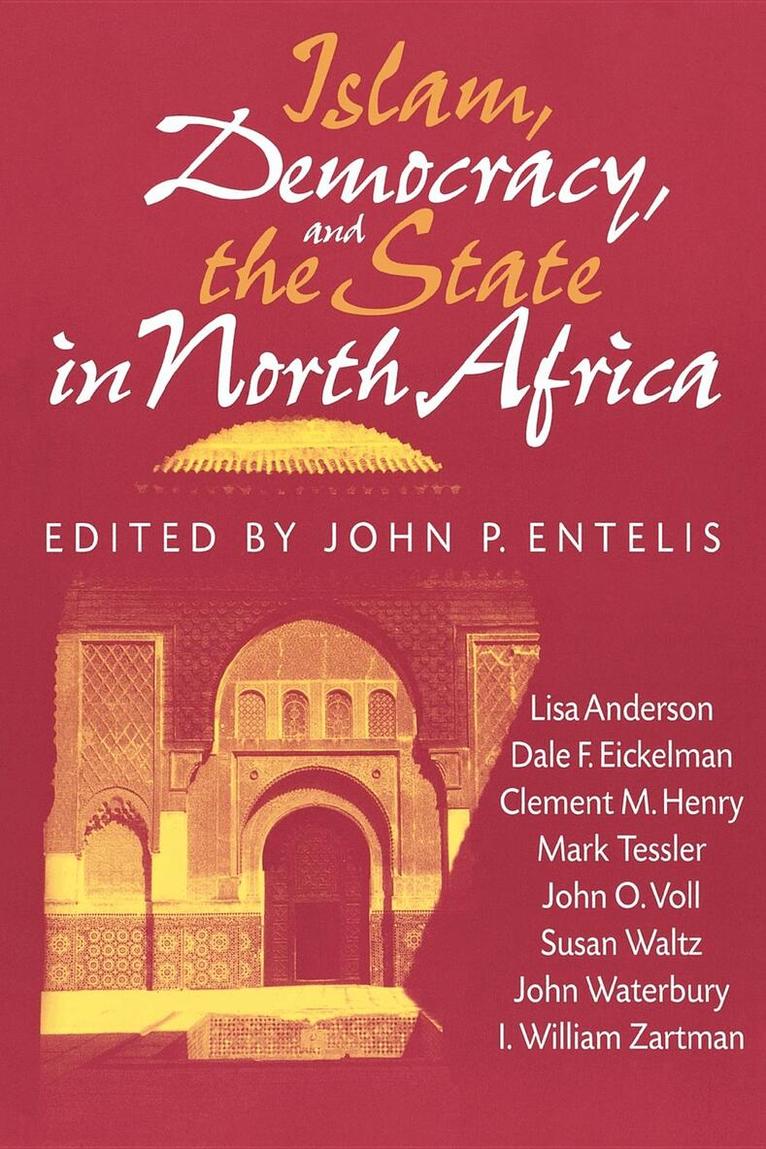
"Rarely is a collection of essays as coherent and of such uniformly high quality as is this one. This book makes a major contribution to our efforts to understand, and so competently interact with, the forces of political, economic, and social change in states where Islamic ideals form a vibrant component of the culture." —American Historical Review"Fielding a veteran team of American Maghribi specialists, this book discusses Islam and politics, human rights, aspects of political economy, and the international dimension of prospects for democratization in Islamic North African states. . . . All chapters advance useful arguments based on solid research." —Foreign AffairsIn the late 1980s, misguided economic policies, bureaucratic mismanagement, political corruption, and cultural alienation combined to create a popular demand for change in Algeria, Morocco, and Tunisia. It seemed for a time that a new and more open politics would transform the region. Instead, authoritarian states mobilized to repress the populist opposition led by politicized Islamist movements. Analyzing developments over the last two decades from the perspectives of political culture and political economy, leading American scholars provide insights into the region's continuing political crisis.