Archaeology and Indigenous Peoples – serie
Visar alla böcker i serien Archaeology and Indigenous Peoples. Handla med fri frakt och snabb leverans.
17 produkter
17 produkter
Inbunden, Engelska, 2019
2 222 kr
Skickas inom 10-15 vardagar
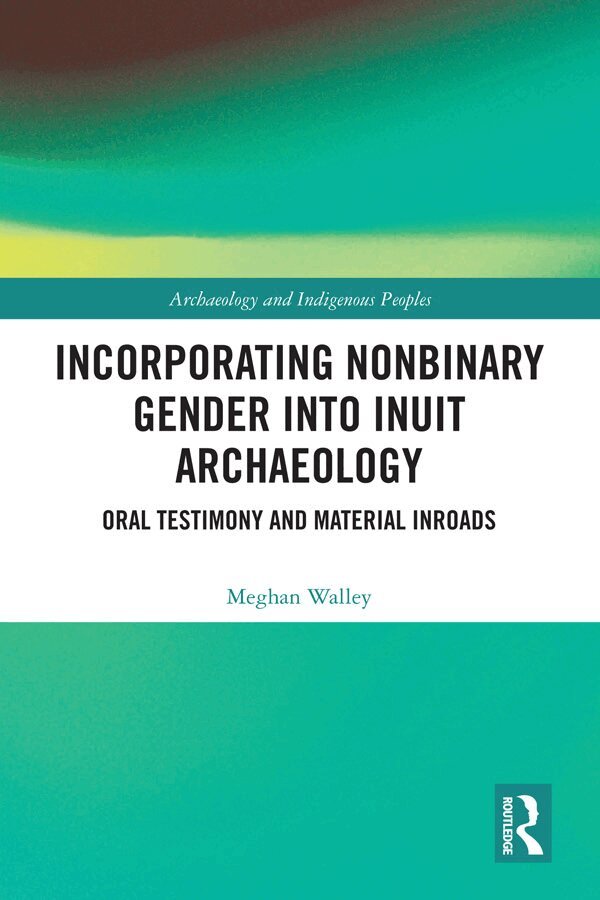
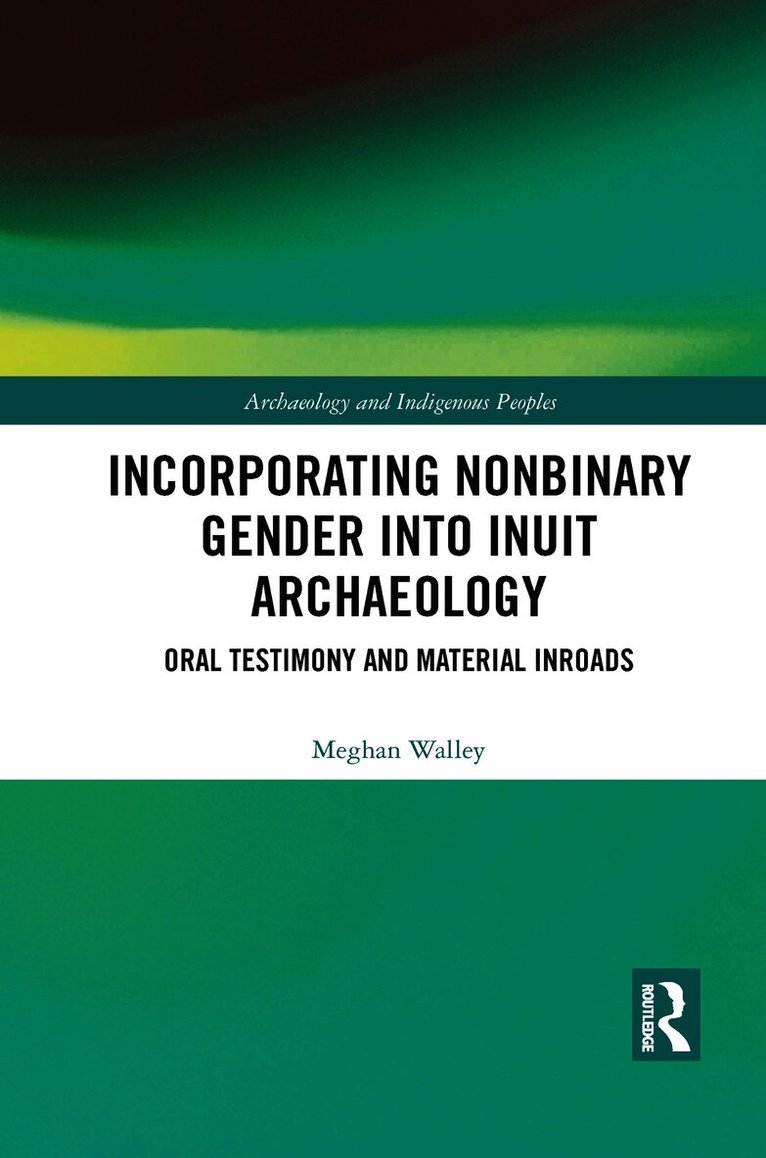
Incorporating Nonbinary Gender into Inuit Archaeology: Oral Testimony and Material Inroads explores gender diversity in precontact Inuit history. By combining evidence from interviews with re-examinations of previously excavated archaeological collections, the book challenges binary narratives and creates an allowance for diverse narratives around gender to emerge. This work approaches a wide range of ethnographic and archaeological sources with a critical eye, opening up a dialogue between queer Indigenous studies; Lesbian, Gay, Bisexual, Transgender, Queer, Two Spirit, Plus (LGBTQ2S+) Inuit; and archaeology in order to question normative colonial narratives about Indigenous pasts while providing concrete examples of how researchers can begin to let go of rigid assumptions. In this way, the reader is encouraged to explore novel perspectives and think beyond boxes to understand gender complexity in precontact Inuit culture.This book has been written for a wide academic audience, particularly those interested in queer archaeologies, archaeologies of gender, decolonial archaeologies, and indigenous archaeologies and oral history.
Inbunden, Engelska, 2022
2 203 kr
Skickas inom 10-15 vardagar
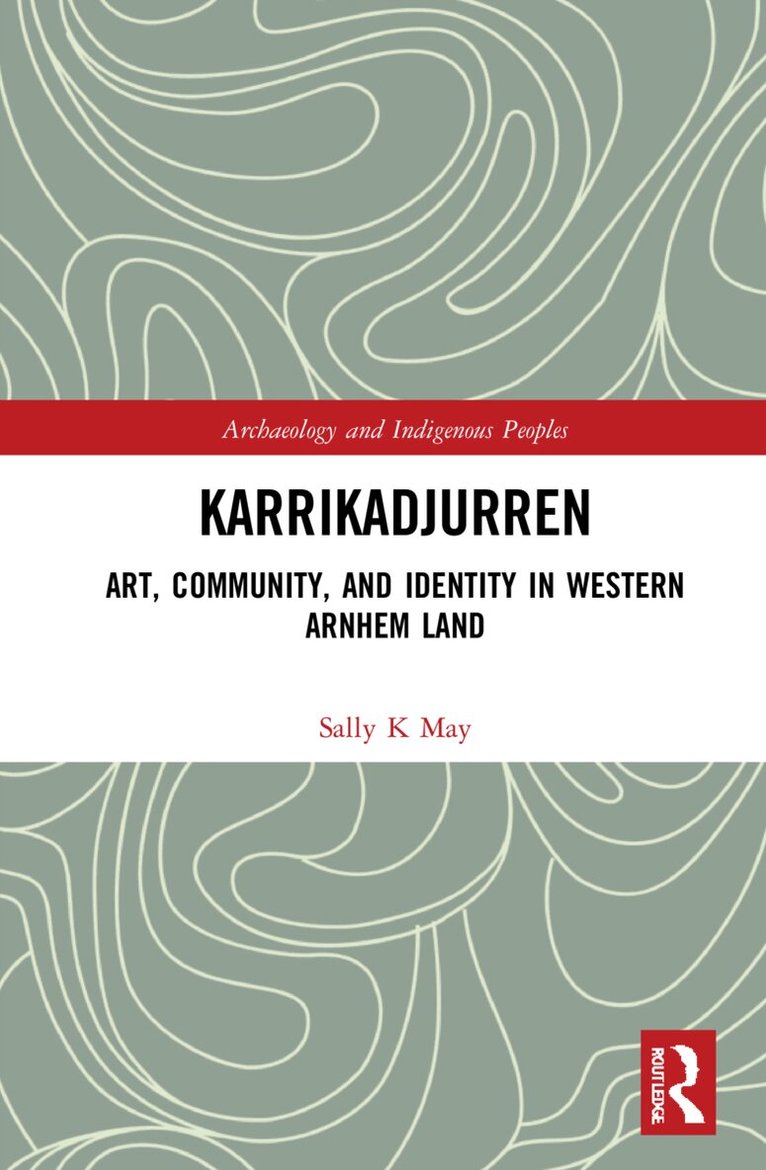
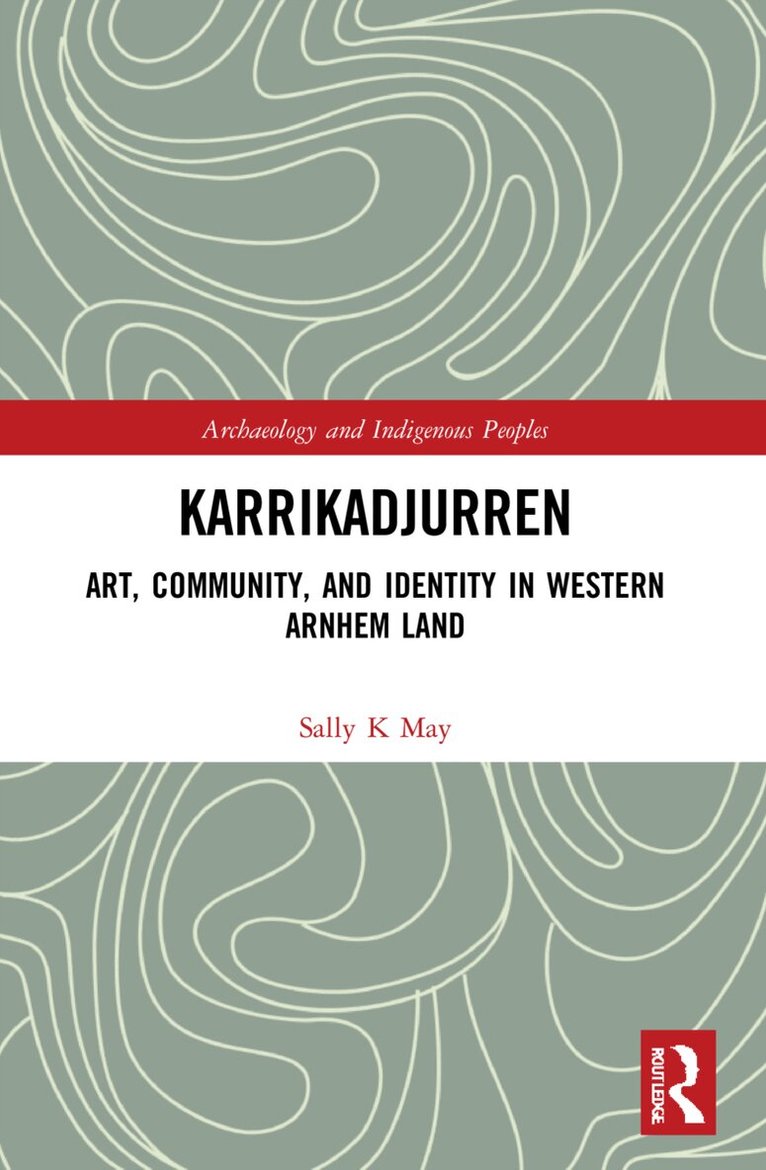
Presenting a story of art and artists in Gunbalanya, western Arnhem Land between the years 2001 and 2005, this book explores the artistic community surrounding the primary place of art creation and sale in the region, Injalak Arts, an art centre established in the remote Aboriginal community of Gunbalanya.Using a variety of disciplinary approaches including archaeological analysis and material culture studies, anthropology, historical research, oral histories, and reflexive ethnography, the social context of art creation is explored. May argues that Injalak Arts as a place activates and draws together particular social groupings to form a sense of identity and community. It is the nature of this community, or "Karrikadjurren" in the local dialect, that is the primary focus of this book, with the artworks painted during this period providing unique insights into art, identity, community, and innovation.This book will be of most interest to those working in or studying archaeology, material culture studies, museum studies, anthropology, sociology, Aboriginal studies, art history, Australian studies, rock art, and development studies. More specifically, this book will appeal to scholars with an interest in the archaeology or anthropology of art, ethnoarchaeology, and the nature and politics of community archaeology.
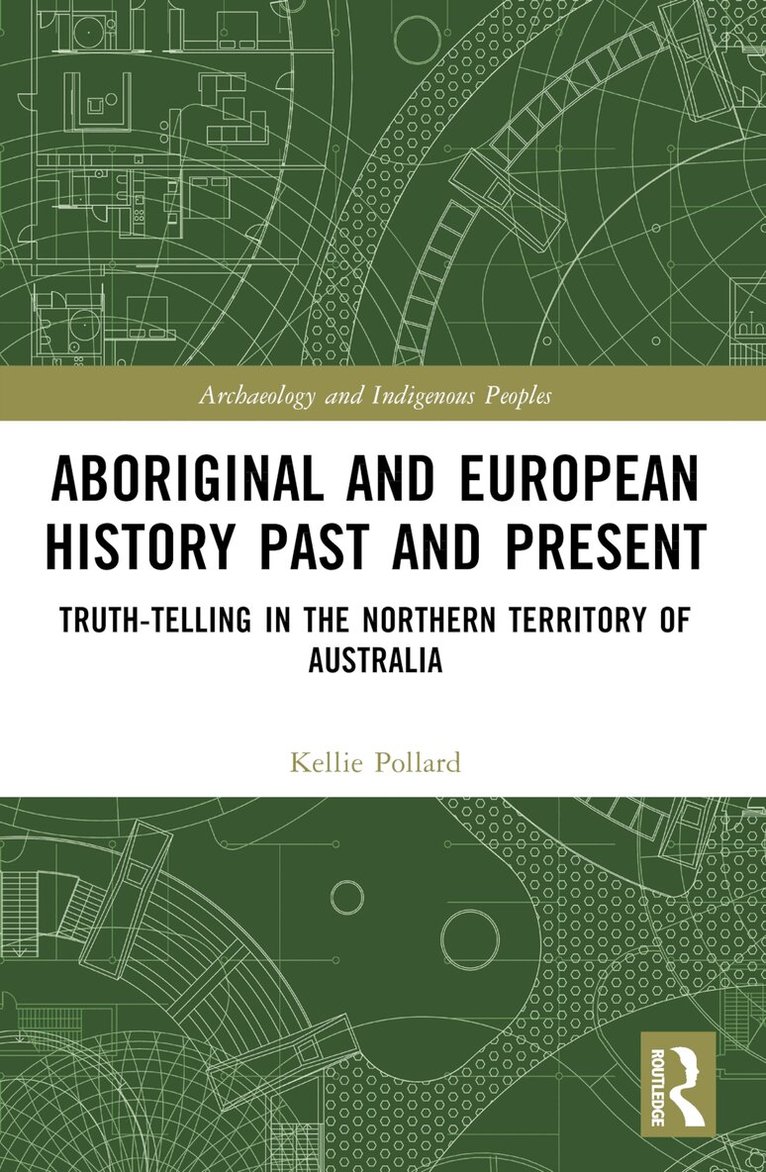
Aboriginal and European History Past and Present
Truth-telling in the Northern Territory of Australia
Inbunden, Engelska, 2024
2 061 kr
Skickas inom 10-15 vardagar
This book analyses the 150-year history of continuous contact between Aboriginal people and non-Aboriginal people in the Darwin region of the Northern Territory of Australia after the European invasion in 1869 to the present day.It explores the role Aboriginal fringe camps served, and still do, as places of interface between Aboriginal people and non-Aboriginal people in the context of ongoing colonialism after colonisation. The book argues that Aboriginal fringe camps provide much potential for elucidating aspects of Aboriginal responses to the European invasion and, in a contemporary context, bear distinct evidence of a cultural nature that associates their origins, use, purpose, and functions predominantly with Aboriginal people. It contributes a new and innovative theoretical model that will enable readers to conceive how insights about Aboriginal behaviour in the context of Aboriginal fringe camps were achieved. The model is informed by the frameworks of colonialism and, innovatively, philosophy.Contributing new theoretical knowledge to contact histories and relations between Europeans and Indigenous peoples, the book will be important to researchers in the archaeology of Australia and those concerned with Indigenous Studies.
Inbunden, Engelska, 2020
2 222 kr
Skickas inom 10-15 vardagar
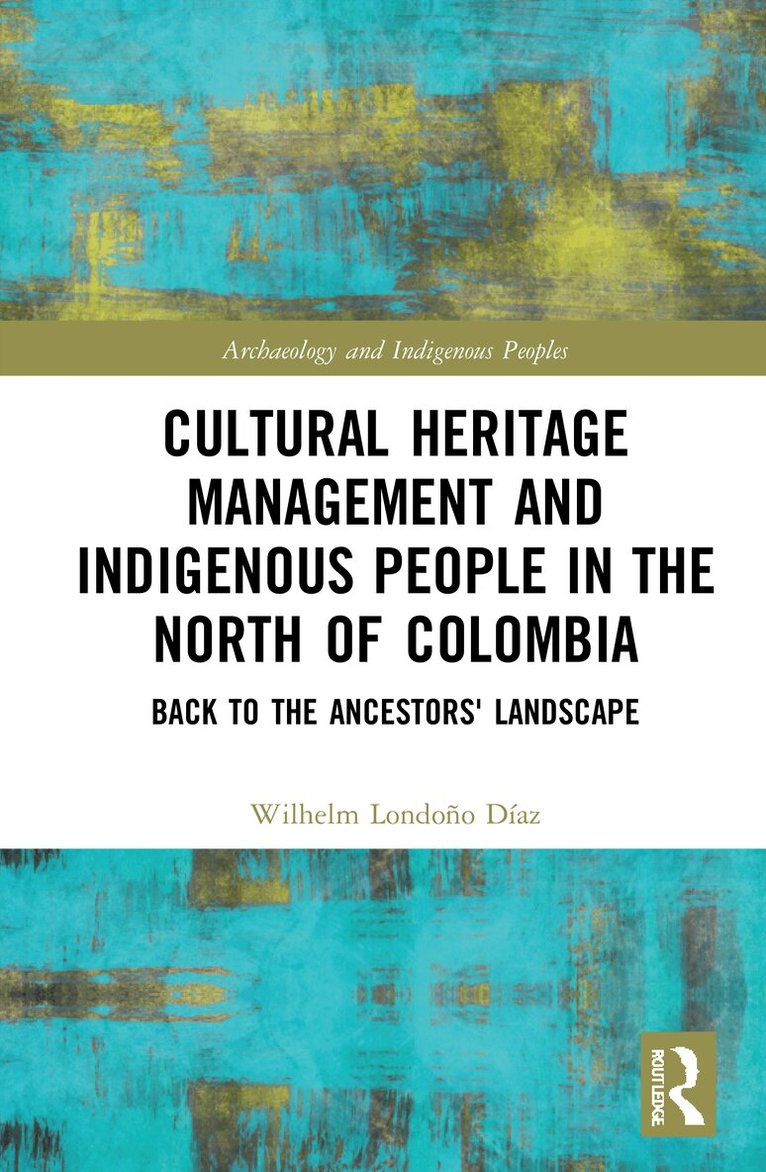
Cultural Heritage Management and Indigenous People in the North of Colombia explores indigenous people's struggle for territorial autonomy in an aggressive political environment and the tensions between heritage tourism and Indigenous rights.South American cases where local communities, especially Indigenous groups, are opposed to infrastructure projects, are little known. This book lays out the results of more than a decade of research in which the resettlement of a pre-Columbian village has been documented. It highlights the difficulty of establishing the link between archaeological sites and objects, and Indigenous people due to legal restrictions. From a decolonial framework, the archaeology of Pueblito Chairama (Teykú) is explored, and the village stands as a model to understand the broader picture of the relationship between Indigenous people and political and economic forces in South America.The book will be of interest to researchers in Archaeology, Anthropology, Heritage and Indigenous Studies who wish to understand the particularities of South American repatriation cases and Indigenous archaeology in the region.
Häftad, Engelska, 2020
664 kr
Skickas inom 10-15 vardagar
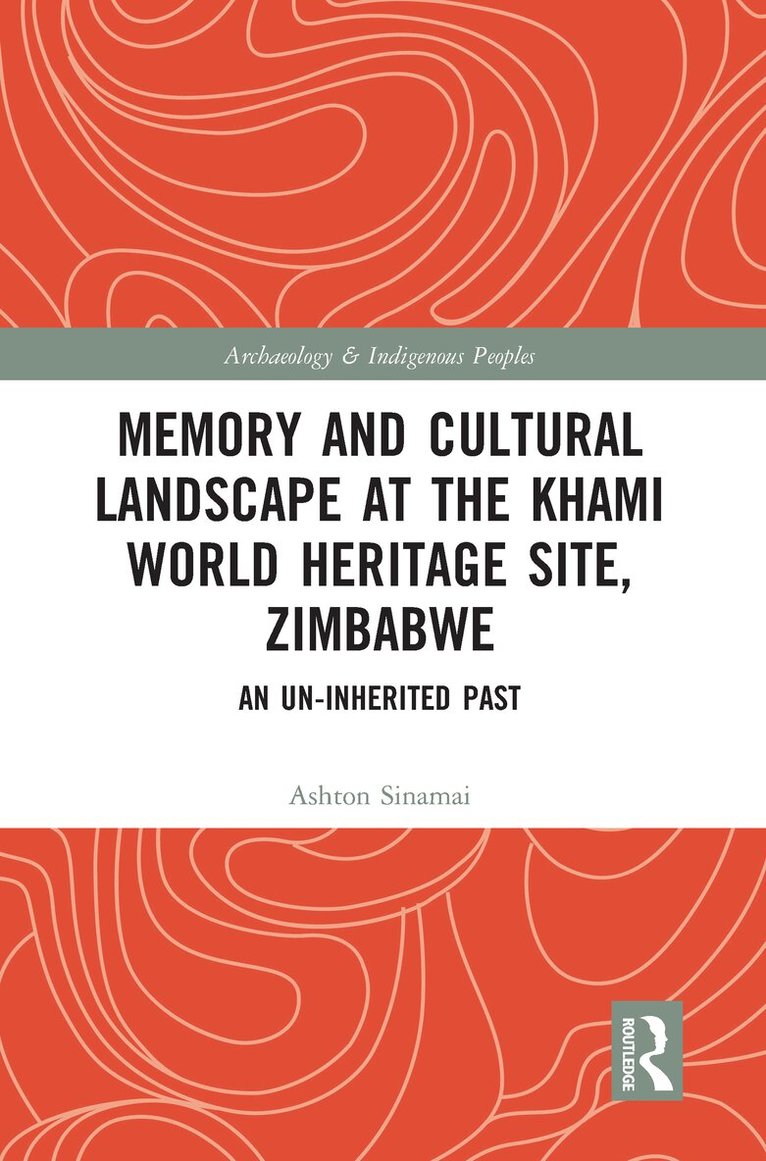
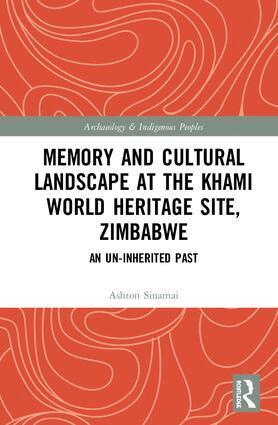
This book focuses on a forgotten place—the Khami World Heritage site in Zimbabwe. It examines how professionally ascribed values and conservation priorities affect the cultural landscape when there is a disjuncture between local community and national interests, and explores the epistemic violence that often accompanied colonial heritage management and archaeology in southern Africa. The central premise is that the history of the modern Zimbabwe nation, in terms of what is officially remembered and celebrated, inevitably determines how that past is managed. It is about how places are experienced and remembered through narratives and how the loss of this heritage memory may mark the un-inheriting of place. Memory and Cultural Landscape at the Khami World Heritage Site, Zimbabwe is informed by the author’s experience of living near and working at Great Zimbabwe and Khami as an archaeologist, and uses archives and traditional narratives to build a biography for this lost cultural landscape. Whereas Great Zimbabwe is a resource for the state’s contentious narrative of unity, and a tool for cultural activism among communities whose cultural rights are denied through the nationalisation and globalisation heritage, at Khami, which has lost its historical gravity, there is only silence. Researchers and students of cultural heritage will find this book a much-needed case study on heritage, identity, community and landscape from an African perspective.
Häftad, Engelska, 2022
664 kr
Skickas inom 10-15 vardagar
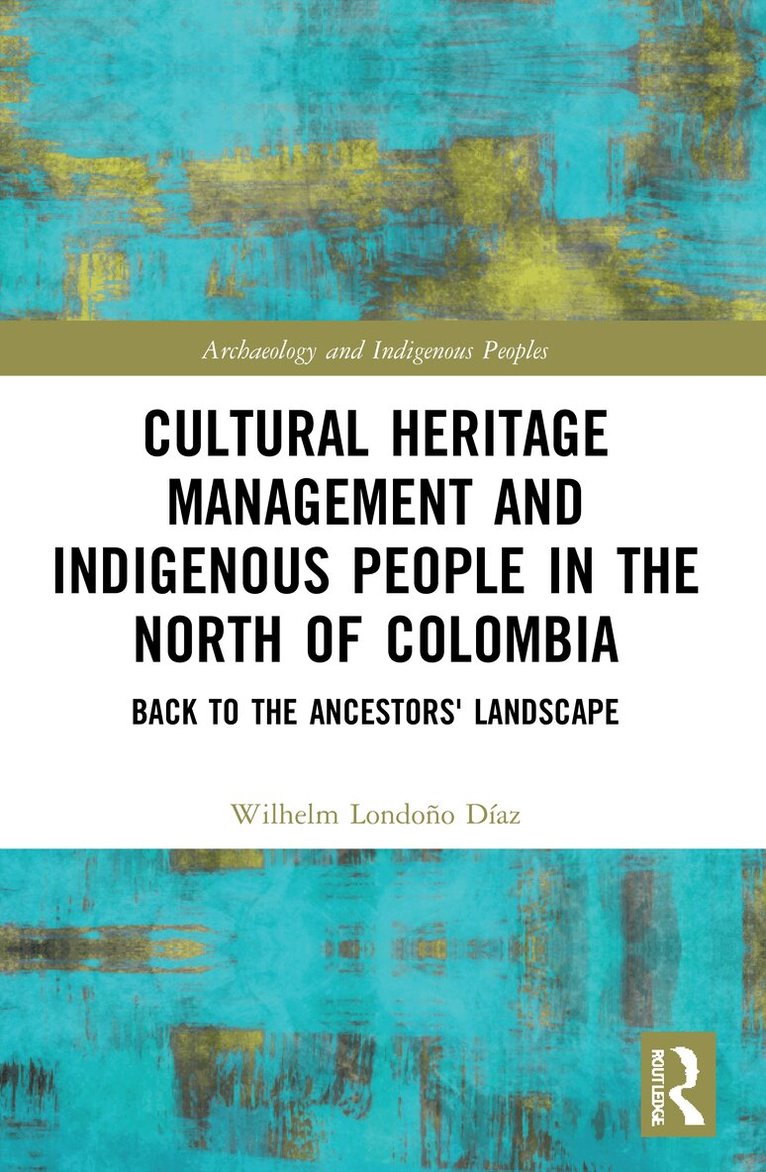
Cultural Heritage Management and Indigenous People in the North of Colombia explores indigenous people's struggle for territorial autonomy in an aggressive political environment and the tensions between heritage tourism and Indigenous rights.South American cases where local communities, especially Indigenous groups, are opposed to infrastructure projects, are little known. This book lays out the results of more than a decade of research in which the resettlement of a pre-Columbian village has been documented. It highlights the difficulty of establishing the link between archaeological sites and objects, and Indigenous people due to legal restrictions. From a decolonial framework, the archaeology of Pueblito Chairama (Teykú) is explored, and the village stands as a model to understand the broader picture of the relationship between Indigenous people and political and economic forces in South America.The book will be of interest to researchers in Archaeology, Anthropology, Heritage and Indigenous Studies who wish to understand the particularities of South American repatriation cases and Indigenous archaeology in the region.
Häftad, Engelska, 2021
550 kr
Skickas inom 10-15 vardagar
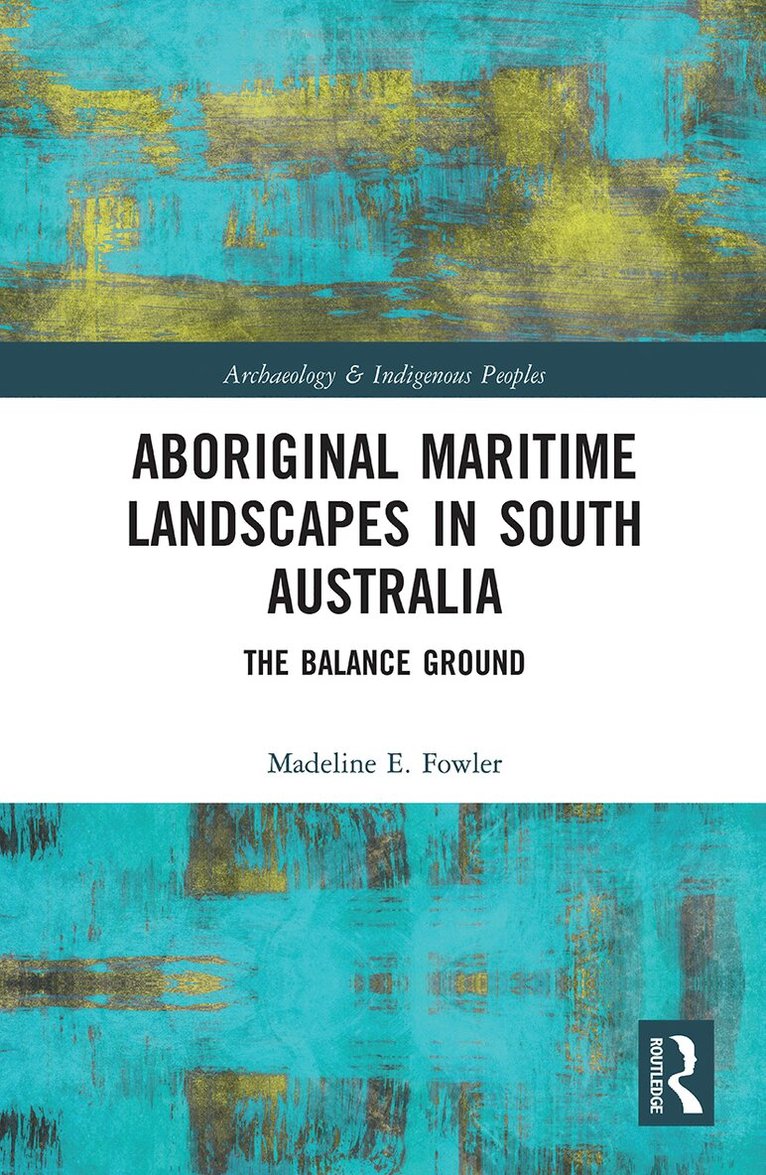
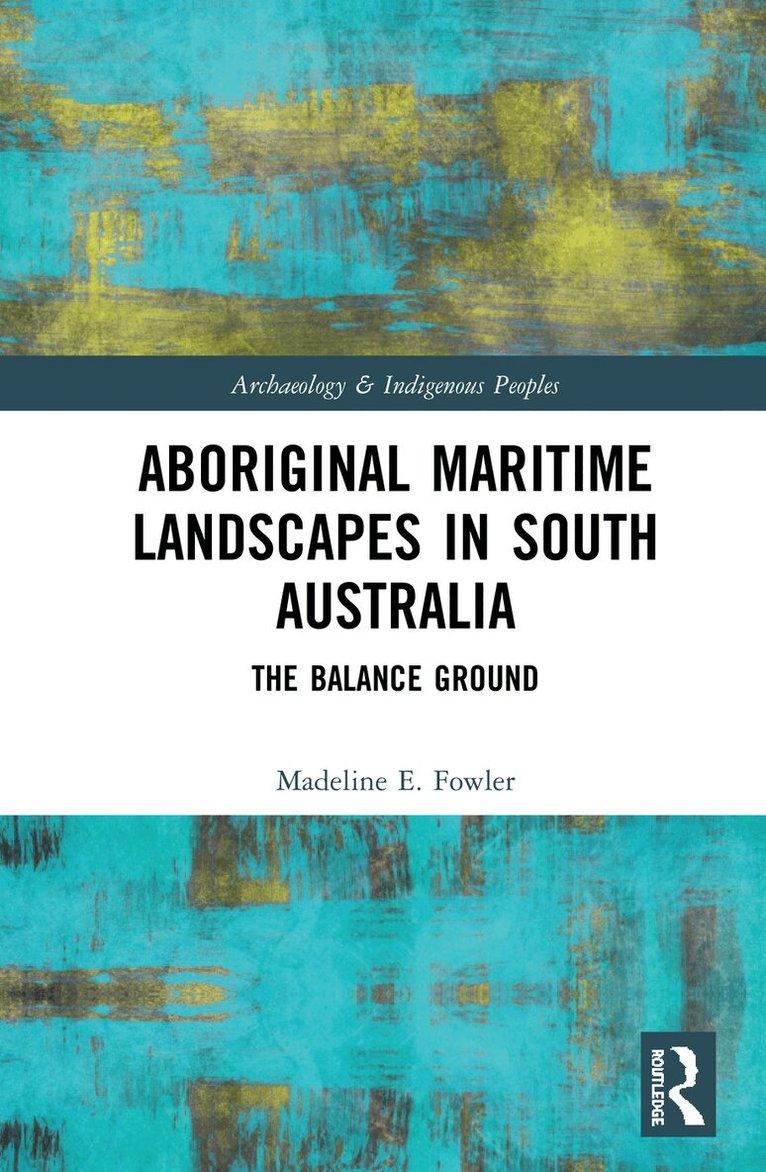
Aboriginal Maritime Landscapes in South Australia reveals the maritime landscape of a coastal Aboriginal mission, Burgiyana (Point Pearce), in South Australia, based on the experiences of the Narungga community. A collaborative initiative with Narungga peoples and a cross-disciplinary approach have resulted in new understandings of the maritime history of Australia. Analysis of the long-term participation of Narungga peoples in Australia’s maritime past, informed by Narungga oral histories, primary archival research and archaeological fieldwork, delivers insights into the world of Aboriginal peoples in the post-contact maritime landscape. This demonstrates that multiple interpretations of Australia’s maritime past exist and provokes a reconsideration of how the relationship between maritime and Indigenous archaeology is seen. This book describes the balance ground shaped through the collaboration, collision and reconciliation of Aboriginal and non-Aboriginal peoples in Australia. It considers community-based practices, cohesively recording such areas of importance to Aboriginal communities as beliefs, knowledges and lived experiences through a maritime lens, highlighting the presence of Narungga and Burgiyana peoples in a heretofore Western-dominated maritime literature. Through its consideration of such themes as maritime archaeology and Aboriginal history, the book is of value to scholars in a broad range of disciplines, including archaeology, anthropology, history and Indigenous studies.
Inbunden, Engelska, 2019
1 865 kr
Skickas inom 10-15 vardagar
Aboriginal Maritime Landscapes in South Australia reveals the maritime landscape of a coastal Aboriginal mission, Burgiyana (Point Pearce), in South Australia, based on the experiences of the Narungga community. A collaborative initiative with Narungga peoples and a cross-disciplinary approach have resulted in new understandings of the maritime history of Australia. Analysis of the long-term participation of Narungga peoples in Australia’s maritime past, informed by Narungga oral histories, primary archival research and archaeological fieldwork, delivers insights into the world of Aboriginal peoples in the post-contact maritime landscape. This demonstrates that multiple interpretations of Australia’s maritime past exist and provokes a reconsideration of how the relationship between maritime and Indigenous archaeology is seen. This book describes the balance ground shaped through the collaboration, collision and reconciliation of Aboriginal and non-Aboriginal peoples in Australia. It considers community-based practices, cohesively recording such areas of importance to Aboriginal communities as beliefs, knowledges and lived experiences through a maritime lens, highlighting the presence of Narungga and Burgiyana peoples in a heretofore Western-dominated maritime literature. Through its consideration of such themes as maritime archaeology and Aboriginal history, the book is of value to scholars in a broad range of disciplines, including archaeology, anthropology, history and Indigenous studies.
Häftad, Engelska, 2026
759 kr
Kommande
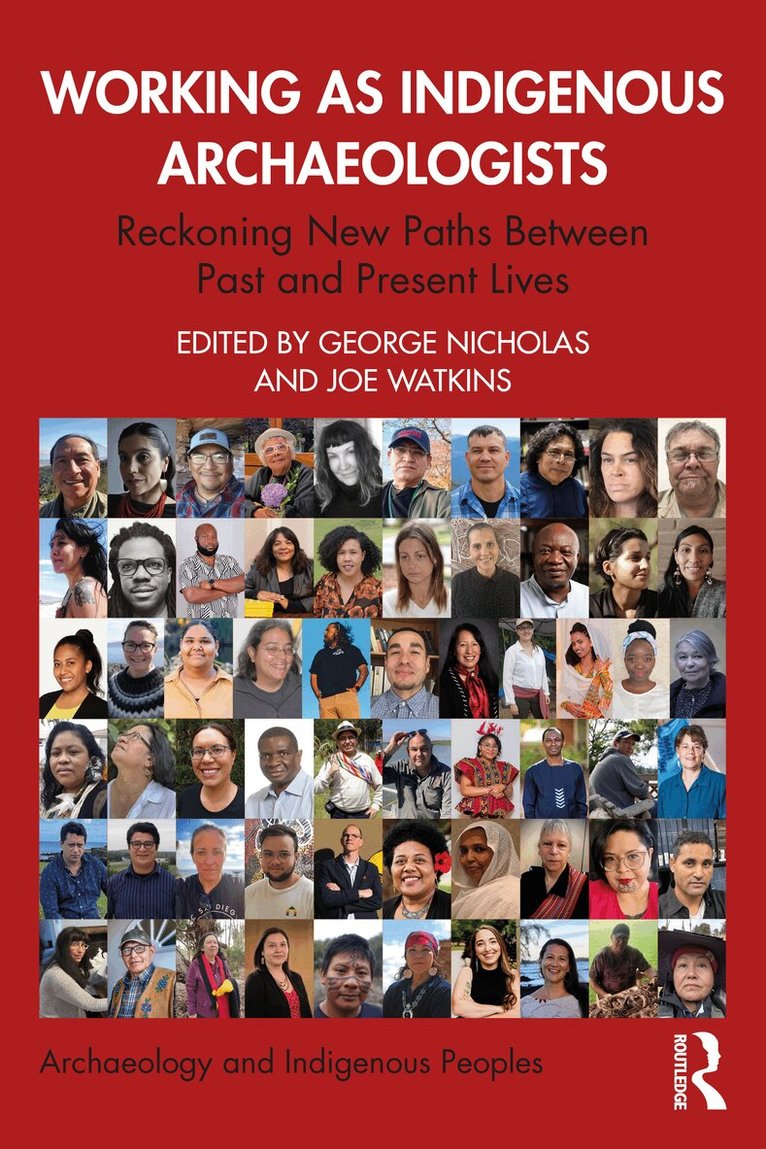
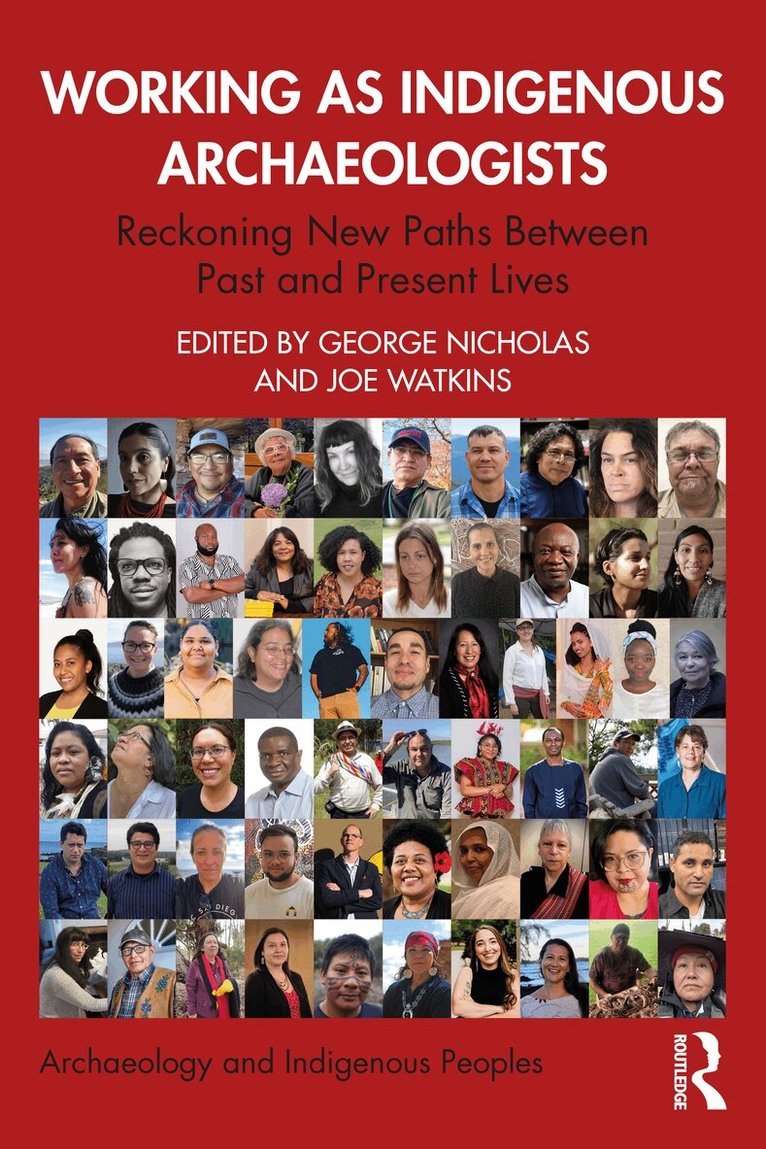
Working as Indigenous Archaeologists explores the often-contentious relationship between Indigenous and other formerly colonized peoples and Archaeology through their own voices.Over the past 35-plus years, the once-novel field of Indigenous Archaeology has become a relatively familiar part of the archaeological landscape. It has been celebrated, criticized, and analyzed as to its practical and theoretical applications, and its political nature. No less important are the life stories of its Indigenous practitioners. What has brought some of them to become practicing archaeologists or heritage managers? What challenges have they faced from both inside and outside their communities? And why haven’t more pursued Archaeology as a vocation or avocation? This volume is a collection of 60 autobiographical chapters by Indigenous archaeologists and heritage specialists from around the world—some community based, some academic, some in other realms—who are working to connect past and present in meaningful, and especially personal ways. As Archaeology continues to evolve, there remain strong tensions between an objective, science-oriented, evidentiary-based approach to knowing the past and a more subjective, relational, humanistic approach informed by local values, traditional knowledge, and holistic perspective. While there are no maps for these new territories, hearing directly from those Indigenous individuals who have pursued Archaeology reveals the pathways taken. Those stories will provide inspiration and confidence for those curious about what lies ahead. This is an important volume for anyone interested in the present state and future of the archaeological discipline.
Inbunden, Engelska, 2024
3 508 kr
Skickas inom 10-15 vardagar
Working as Indigenous Archaeologists explores the often-contentious relationship between Indigenous and other formerly colonized peoples and Archaeology through their own voices.Over the past 35-plus years, the once-novel field of Indigenous Archaeology has become a relatively familiar part of the archaeological landscape. It has been celebrated, criticized, and analyzed as to its practical and theoretical applications, and its political nature. No less important are the life stories of its Indigenous practitioners. What has brought some of them to become practicing archaeologists or heritage managers? What challenges have they faced from both inside and outside their communities? And why haven’t more pursued Archaeology as a vocation or avocation? This volume is a collection of 60 autobiographical chapters by Indigenous archaeologists and heritage specialists from around the world—some community based, some academic, some in other realms—who are working to connect past and present in meaningful, and especially personal ways. As Archaeology continues to evolve, there remain strong tensions between an objective, science-oriented, evidentiary-based approach to knowing the past and a more subjective, relational, humanistic approach informed by local values, traditional knowledge, and holistic perspective. While there are no maps for these new territories, hearing directly from those Indigenous individuals who have pursued Archaeology reveals the pathways taken. Those stories will provide inspiration and confidence for those curious about what lies ahead. This is an important volume for anyone interested in the present state and future of the archaeological discipline.
Häftad, Engelska, 2021
664 kr
Skickas inom 10-15 vardagar
Incorporating Nonbinary Gender into Inuit Archaeology: Oral Testimony and Material Inroads explores gender diversity in precontact Inuit history. By combining evidence from interviews with re-examinations of previously excavated archaeological collections, the book challenges binary narratives and creates an allowance for diverse narratives around gender to emerge. This work approaches a wide range of ethnographic and archaeological sources with a critical eye, opening up a dialogue between queer Indigenous studies; Lesbian, Gay, Bisexual, Transgender, Queer, Two Spirit, Plus (LGBTQ2S+) Inuit; and archaeology in order to question normative colonial narratives about Indigenous pasts while providing concrete examples of how researchers can begin to let go of rigid assumptions. In this way, the reader is encouraged to explore novel perspectives and think beyond boxes to understand gender complexity in precontact Inuit culture.This book has been written for a wide academic audience, particularly those interested in queer archaeologies, archaeologies of gender, decolonial archaeologies, and indigenous archaeologies and oral history.
Häftad, Engelska, 2024
607 kr
Skickas inom 10-15 vardagar
Presenting a story of art and artists in Gunbalanya, western Arnhem Land between the years 2001 and 2005, this book explores the artistic community surrounding the primary place of art creation and sale in the region, Injalak Arts, an art centre established in the remote Aboriginal community of Gunbalanya.Using a variety of disciplinary approaches including archaeological analysis and material culture studies, anthropology, historical research, oral histories, and reflexive ethnography, the social context of art creation is explored. May argues that Injalak Arts as a place activates and draws together particular social groupings to form a sense of identity and community. It is the nature of this community, or "Karrikadjurren" in the local dialect, that is the primary focus of this book, with the artworks painted during this period providing unique insights into art, identity, community, and innovation.This book will be of most interest to those working in or studying archaeology, material culture studies, museum studies, anthropology, sociology, Aboriginal studies, art history, Australian studies, rock art, and development studies. More specifically, this book will appeal to scholars with an interest in the archaeology or anthropology of art, ethnoarchaeology, and the nature and politics of community archaeology.
Inbunden, Engelska, 2018
2 211 kr
Skickas inom 5-8 vardagar
This book focuses on a forgotten place—the Khami World Heritage site in Zimbabwe. It examines how professionally ascribed values and conservation priorities affect the cultural landscape when there is a disjuncture between local community and national interests, and explores the epistemic violence that often accompanied colonial heritage management and archaeology in southern Africa. The central premise is that the history of the modern Zimbabwe nation, in terms of what is officially remembered and celebrated, inevitably determines how that past is managed. It is about how places are experienced and remembered through narratives and how the loss of this heritage memory may mark the un-inheriting of place. Memory and Cultural Landscape at the Khami World Heritage Site, Zimbabwe is informed by the author’s experience of living near and working at Great Zimbabwe and Khami as an archaeologist, and uses archives and traditional narratives to build a biography for this lost cultural landscape. Whereas Great Zimbabwe is a resource for the state’s contentious narrative of unity, and a tool for cultural activism among communities whose cultural rights are denied through the nationalisation and globalisation heritage, at Khami, which has lost its historical gravity, there is only silence. Researchers and students of cultural heritage will find this book a much-needed case study on heritage, identity, community and landscape from an African perspective.
Inbunden, Engelska, 2010
2 345 kr
Skickas inom 10-15 vardagar
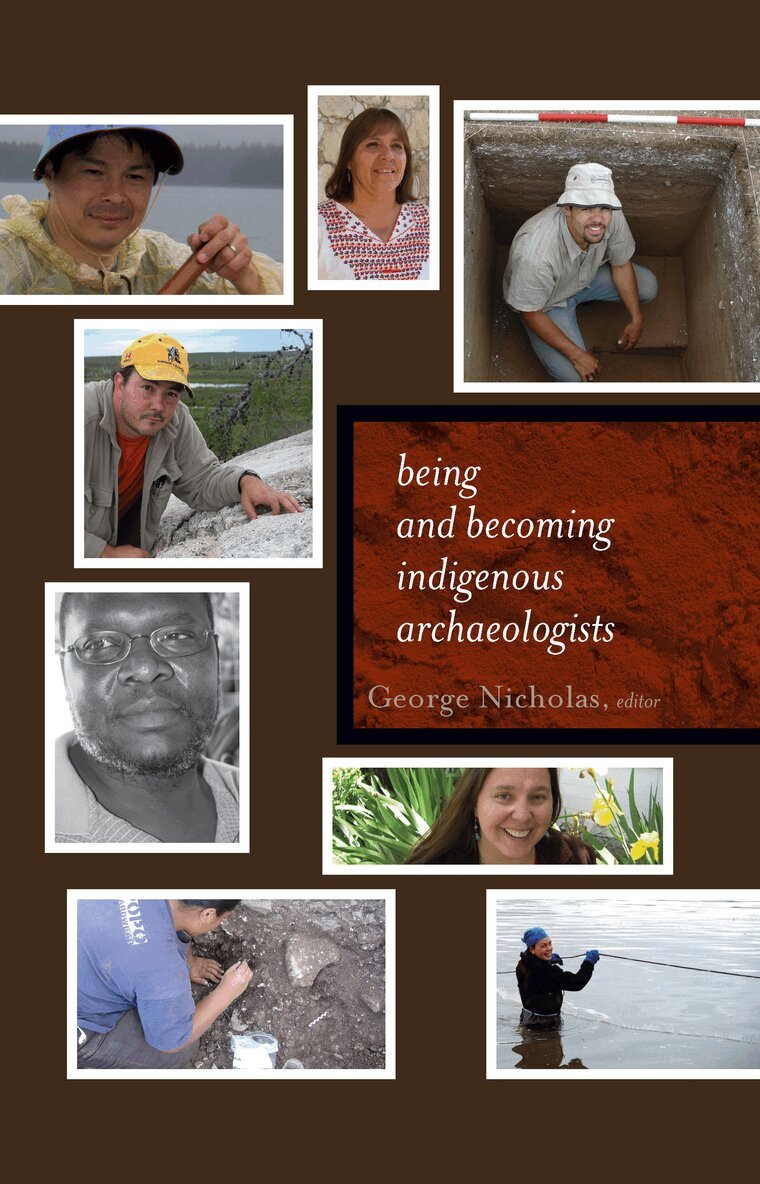
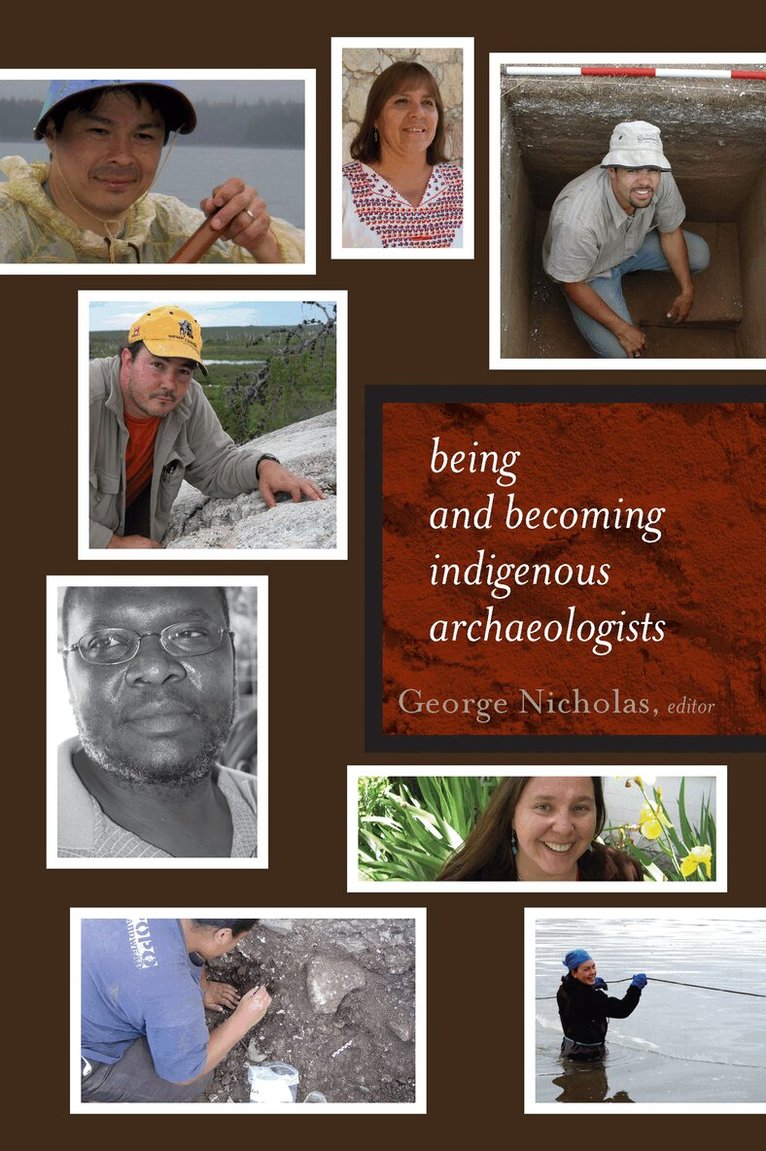
What does being an archaeologist mean to Indigenous persons? How and why do some become archaeologists? What has led them down a path to what some in their communities have labeled a colonialist venture? What were are the challenges they have faced, and the motivations that have allowed them to succeed? How have they managed to balance traditional values and worldview with Western modes of inquiry? And how are their contributions broadening the scope of archaeology? Indigenous archaeologists have the often awkward role of trying to serves as spokespeople both for their home community and for the scientific community of archaeologists. This volume tells the stories—in their own words-- of 37 indigenous archaeologists from six continents, how they became archaeologists, and how their dual role affects their relationships with their community and their professional colleagues. Sponsored by the World Archaeological Congress
Häftad, Engelska, 2011
659 kr
Skickas inom 10-15 vardagar
What does being an archaeologist mean to Indigenous persons? How and why do some become archaeologists? What has led them down a path to what some in their communities have labeled a colonialist venture? What were are the challenges they have faced, and the motivations that have allowed them to succeed? How have they managed to balance traditional values and worldview with Western modes of inquiry? And how are their contributions broadening the scope of archaeology? Indigenous archaeologists have the often awkward role of trying to serves as spokespeople both for their home community and for the scientific community of archaeologists. This volume tells the stories—in their own words-- of 37 indigenous archaeologists from six continents, how they became archaeologists, and how their dual role affects their relationships with their community and their professional colleagues. Sponsored by the World Archaeological Congress
Inbunden, Engelska, 2016
2 222 kr
Skickas inom 10-15 vardagar
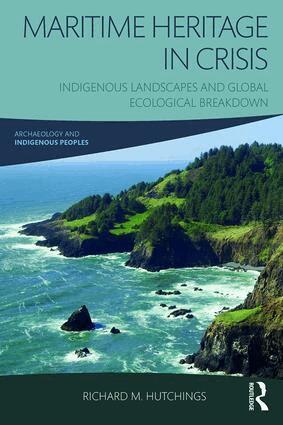
Grounded in critical heritage studies and drawing on a Pacific Northwest Coast case study, Maritime Heritage in Crisis explores the causes and consequences of the contemporary destruction of Indigenous heritage sites in maritime settings. Maritime heritage landscapes are undergoing a period of unprecedented crisis: these areas are severely impacted by coastal development, continued population growth and climate change. Indigenous heritage sites are thought to be particularly vulnerable to these changes and cultural resource management is frequently positioned as a community’s first line of defense, yet there is increasing evidence that this archaeological technique is an ineffective means of protection. Exploring themes of colonial dislocation and displacement, Hutchings positions North American archaeology as neoliberal statecraft: a tool of government designed to promote and permit the systematic clearance of Indigenous heritage landscapes in advance of economic development. Presenting the institution of archaeology and cultural resource management as a grave threat to Indigenous maritime heritage, Maritime Heritage in Crisis offers an important lesson on the relationship between neoliberal heritage regimes and global ecological breakdown.
Häftad, Engelska, 2016
722 kr
Skickas inom 10-15 vardagar
Grounded in critical heritage studies and drawing on a Pacific Northwest Coast case study, Maritime Heritage in Crisis explores the causes and consequences of the contemporary destruction of Indigenous heritage sites in maritime settings. Maritime heritage landscapes are undergoing a period of unprecedented crisis: these areas are severely impacted by coastal development, continued population growth and climate change. Indigenous heritage sites are thought to be particularly vulnerable to these changes and cultural resource management is frequently positioned as a community’s first line of defense, yet there is increasing evidence that this archaeological technique is an ineffective means of protection. Exploring themes of colonial dislocation and displacement, Hutchings positions North American archaeology as neoliberal statecraft: a tool of government designed to promote and permit the systematic clearance of Indigenous heritage landscapes in advance of economic development. Presenting the institution of archaeology and cultural resource management as a grave threat to Indigenous maritime heritage, Maritime Heritage in Crisis offers an important lesson on the relationship between neoliberal heritage regimes and global ecological breakdown.