
Avonmore Books – serie
Visar alla böcker i serien Avonmore Books. Handla med fri frakt och snabb leverans.
2 produkter
2 produkter
Häftad, Engelska, 2023
200 kr
Skickas inom 5-8 vardagar
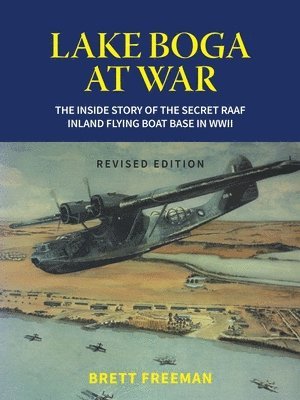
In 1942 a secret inland flying boat base was established in the picturesque north-western Victorian town of Lake Boga. This housed No. 1 Flying Boat Repair Depot, a large unit of almost 1,000 personnel that serviced and repaired Dornier, Catalina and Mariner flying boats, many of which had just flown back from the frontlines of the war against Japan. The flying boats were from three nationalities and four services: the RAAF, Dutch naval air service, USN and USAAF.The end of the war saw the base close down quickly, although the memories of the wartime years were kept alive through the research and passion of Swan Hill resident, the late Brett Freeman. The original edition of Lake Boga at War was published by Brett in 1995. It was one of most successful Australian aviation history books of its era, bringing to life the remarkable activities at this little-known base. This revised edition seeks to bring these stories to a new generation of readers.
Häftad, Engelska, 2026
228 kr
Skickas inom 5-8 vardagar
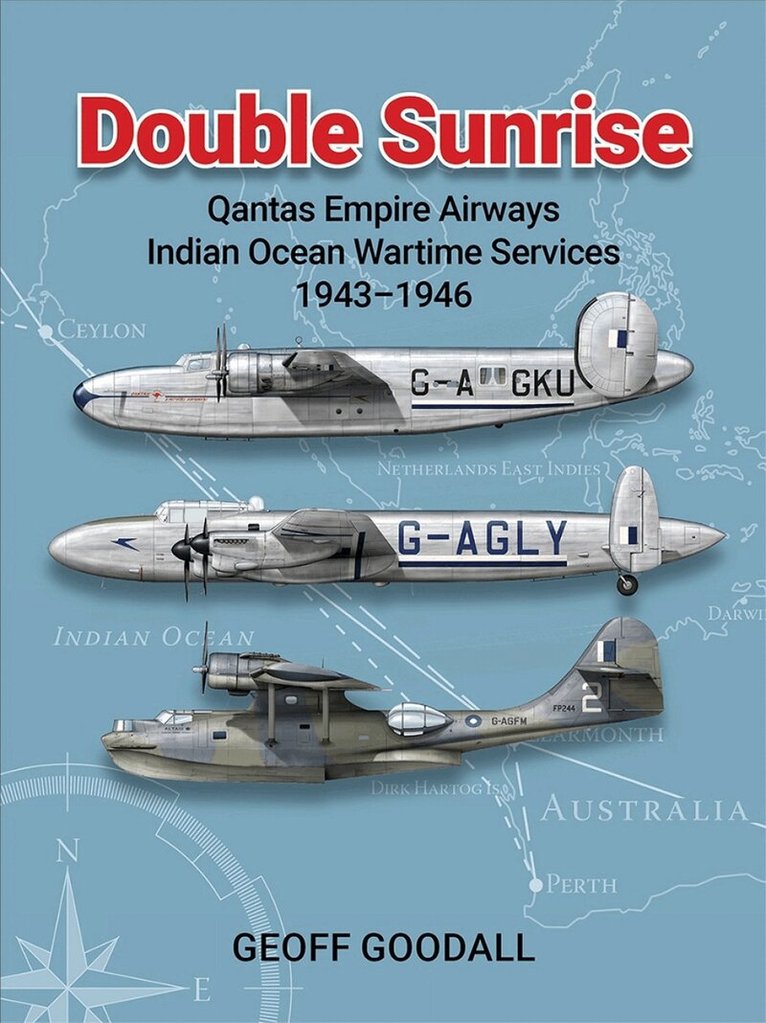
The Japanese conquest of Southeast Asia in the early months of 1942 severed Australia’s air route to Britain. In its darkest hour and with its own territory under attack, Australia was isolated.However, from June 1943 the route was reopened when Qantas Catalinas began flying Perth-Ceylon, a distance of 3,500 miles and at the time the longest air route in the world. With an average flight time of 27 hours, the route was flown in radio silence as it crossed Japanese patrolled territory. The length of the flights meant that those aboard witnessed two sunrises, hence the term “Double Sunrise” service was born.Five months after it commenced the route was extended a further 1,490 miles to Karachi. In mid-1944 Qantas Liberators began operating the service, which were much faster and enabled a shorter Ceylon-Exmouth Gulf route to be flown. Finally, in 1945 Qantas Lancastrians were introduced. Despite the length and isolation of the route, it operated accident-free during the wartime period. Unfortunately, this record was blemished when a Lancastrian vanished during one of the final Indian Ocean flights in March 1946. Shortly afterwards services reverted to the traditional route via Singapore.The Qantas wartime Indian Ocean service is a story of remarkable airmanship and professionalism. Commenting on it decades later, the Qantas founder Sir Hudson Fysh said: I have always felt that this was the most fascinating and romantic undertaking ever performed by Qantas.