Biomathematical and Biomechanical Modeling of the Circulatory and Ventilatory Systems – serie
Visar alla böcker i serien Biomathematical and Biomechanical Modeling of the Circulatory and Ventilatory Systems. Handla med fri frakt och snabb leverans.
15 produkter
15 produkter
Del 1 - Biomathematical and Biomechanical Modeling of the Circulatory and Ventilatory Systems
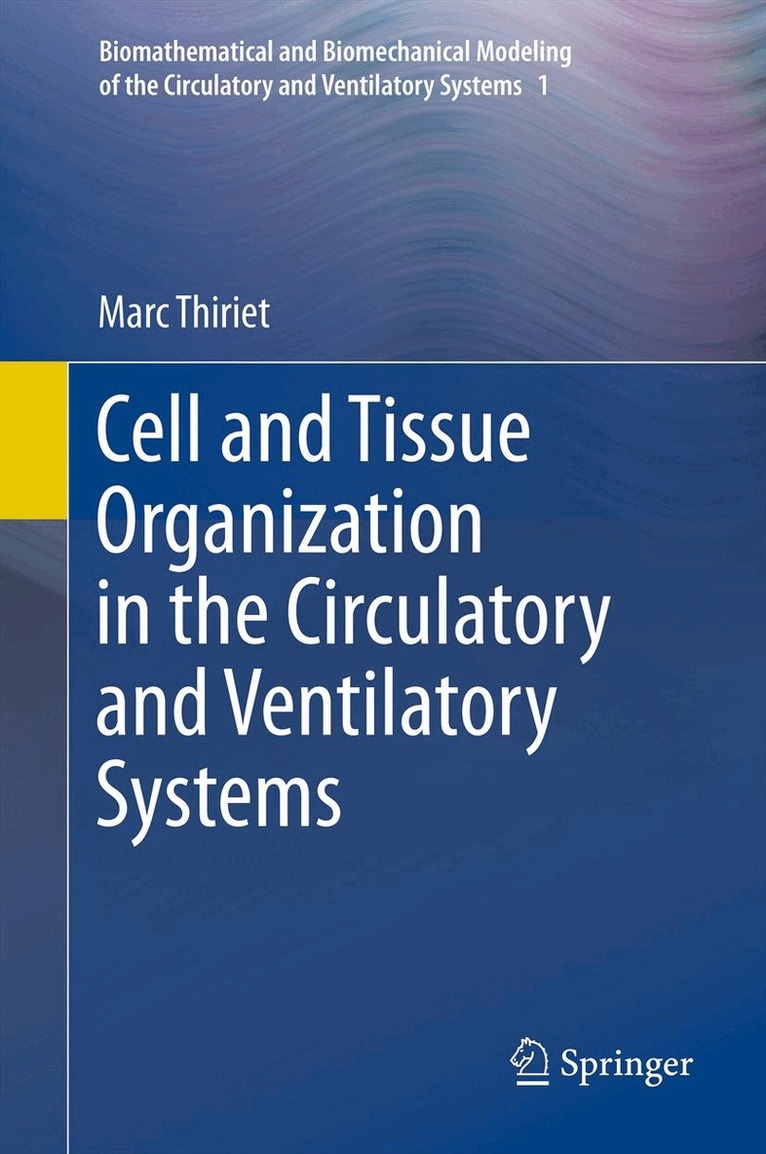
Cell and Tissue Organization in the Circulatory and Ventilatory Systems
Inbunden, Engelska, 2011
1 094 kr
Skickas inom 10-15 vardagar
The volumes in this authoritative series present a multidisciplinary approach to modeling and simulation of flows in the cardiovascular and ventilatory systems, especially multiscale modeling and coupled simulations. The cardiovascular and respiratory systems are tightly coupled, as their primary function is to supply oxygen to and remove carbon dioxide from the body's cells. Because physiological conduits have deformable and reactive walls, macroscopic flow behavior and prediction must be coupled to nano- and microscopic events in a corrector scheme of regulated mechanisms. Therefore, investigation of flows of blood and air in physiological conduits requires an understanding of the biology, chemistry, and physics of these systems together with the mathematical tools to describe their functioning. The present volume is devoted to cellular events that allow adaptation to environmental conditions, particularly mechanotransduction. It begins with cell organization anda survey of cell types in the vasculature and respiratory tract. It then addresses cell structure and functions, especially in interactions with adjoining cells and matrix.
Del 2 - Biomathematical and Biomechanical Modeling of the Circulatory and Ventilatory Systems
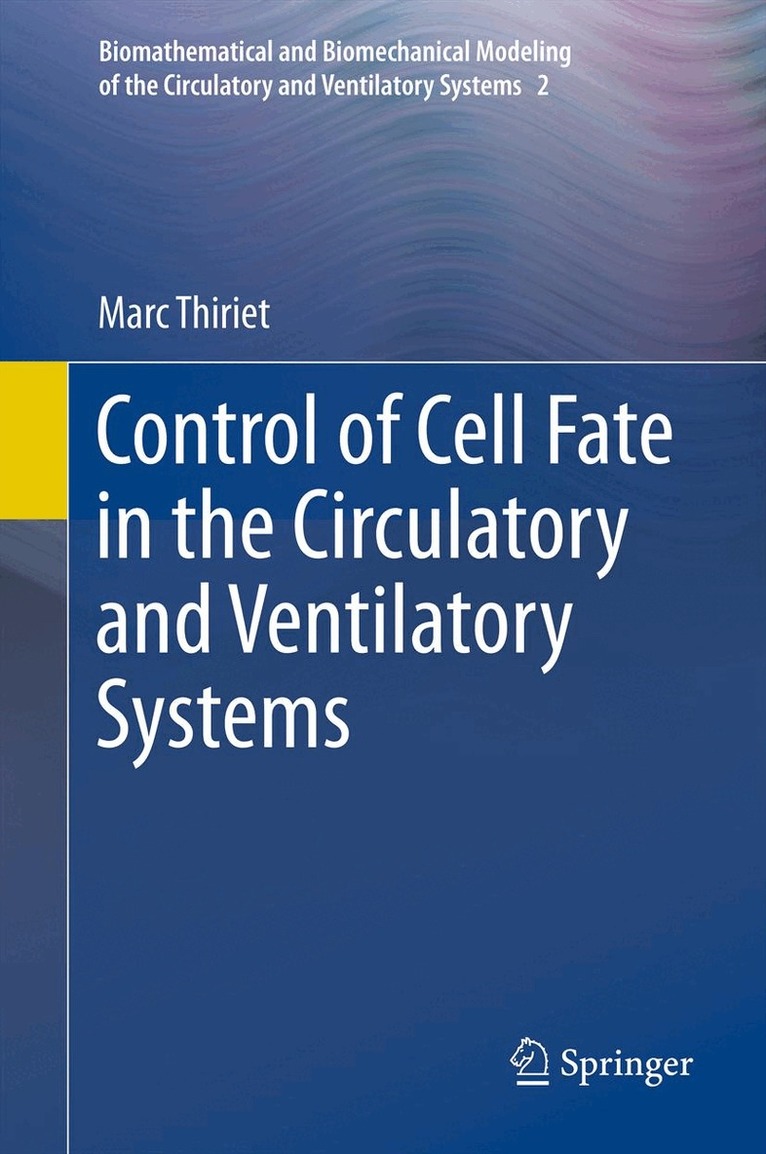
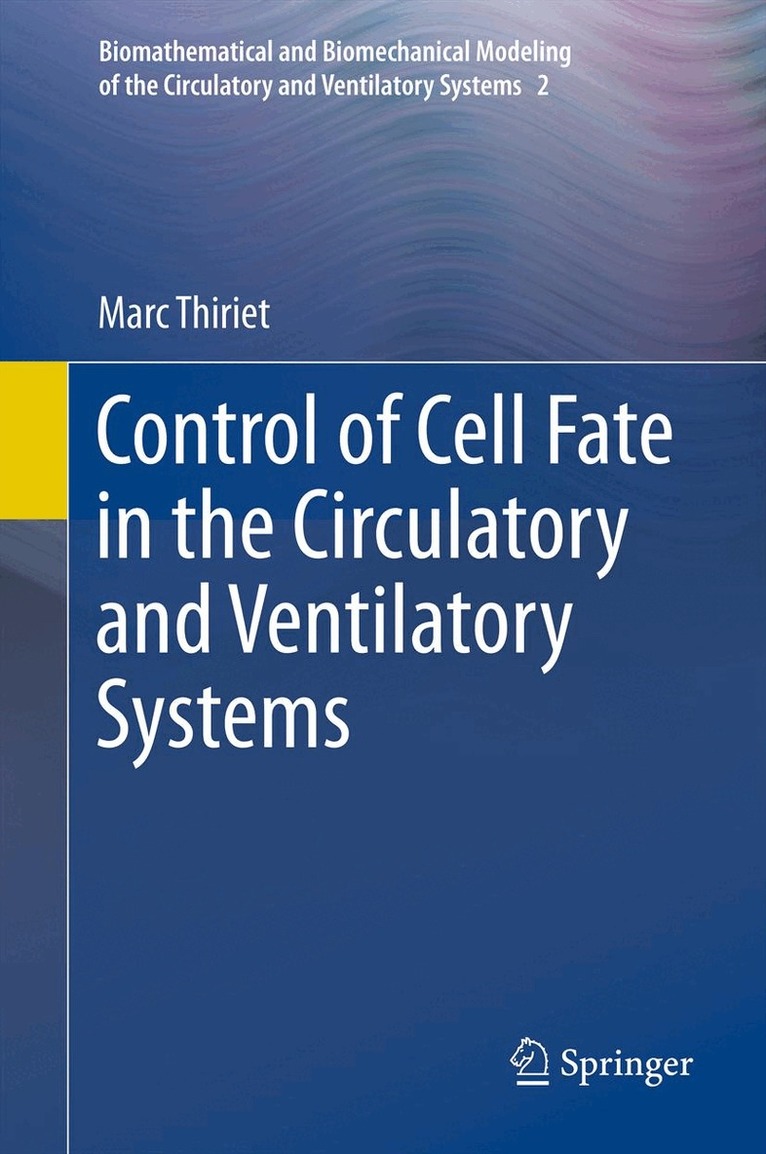
Control of Cell Fate in the Circulatory and Ventilatory Systems
Inbunden, Engelska, 2011
1 637 kr
Skickas inom 10-15 vardagar
The volumes in this authoritative series present a multidisciplinary approach to modeling and simulation of flows in the cardiovascular and ventilatory systems, especially multiscale modeling and coupled simulations. The cardiovascular and respiratory systems are tightly coupled, as their primary function is to supply oxygen to and remove carbon dioxide from the body's cells. Because physiological conduits have deformable and reactive walls, macroscopic flow behavior and prediction must be coupled to nano- and microscopic events in a corrector scheme of regulated mechanisms. Therefore, investigation of flows of blood and air in physiological conduits requires an understanding of the biology, chemistry, and physics of these systems together with the mathematical tools to describe their functioning. Volumes 1 and 2 are devoted to cell organization and fate, as well as activities that are autoregulated and/or controlled by the cell environment. Volume 1 examined cellular features that allow adaptation to environmental conditions. Volume 2 begins with a survey of the cell types of the nervous and endocrine systems involved in the regulation of the vasculature and respiratory tract and growth factors. It then describes major cell events in the circulatory and ventilatory systems, such as cell growth, proliferation, migration, and death. Circadian cycles that drive rhythmic gene transcription are also covered.
Del 3 - Biomathematical and Biomechanical Modeling of the Circulatory and Ventilatory Systems
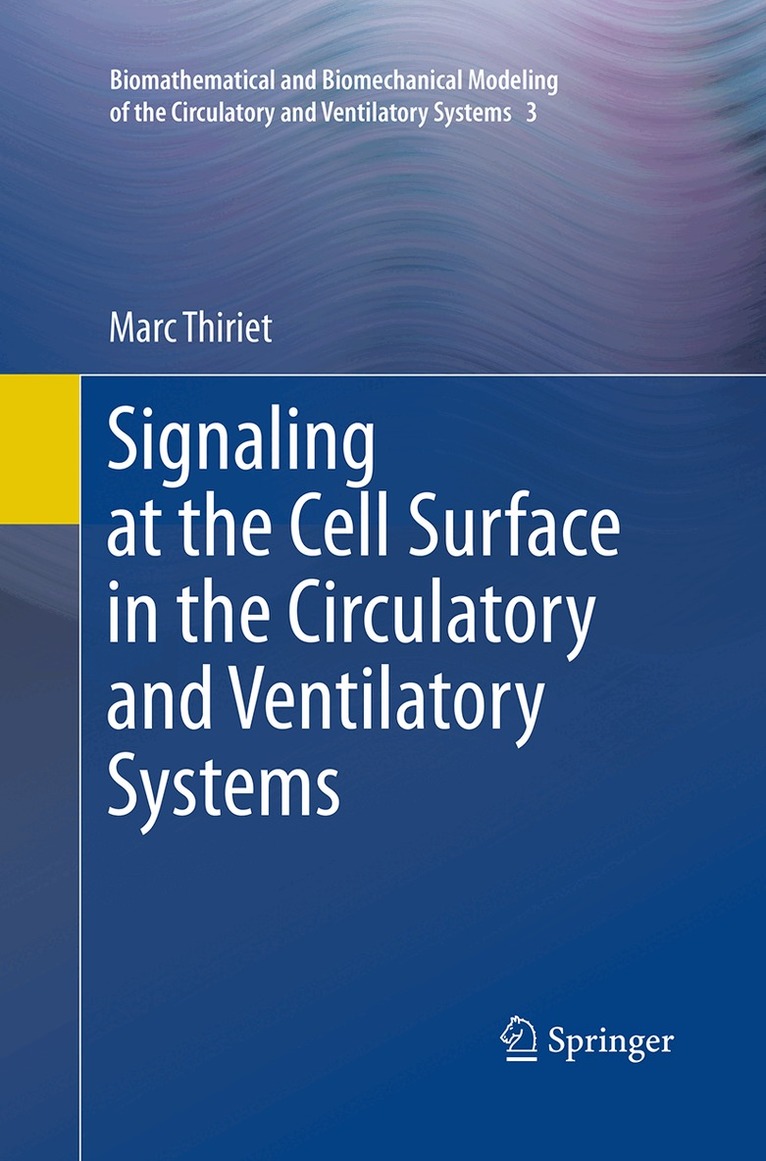
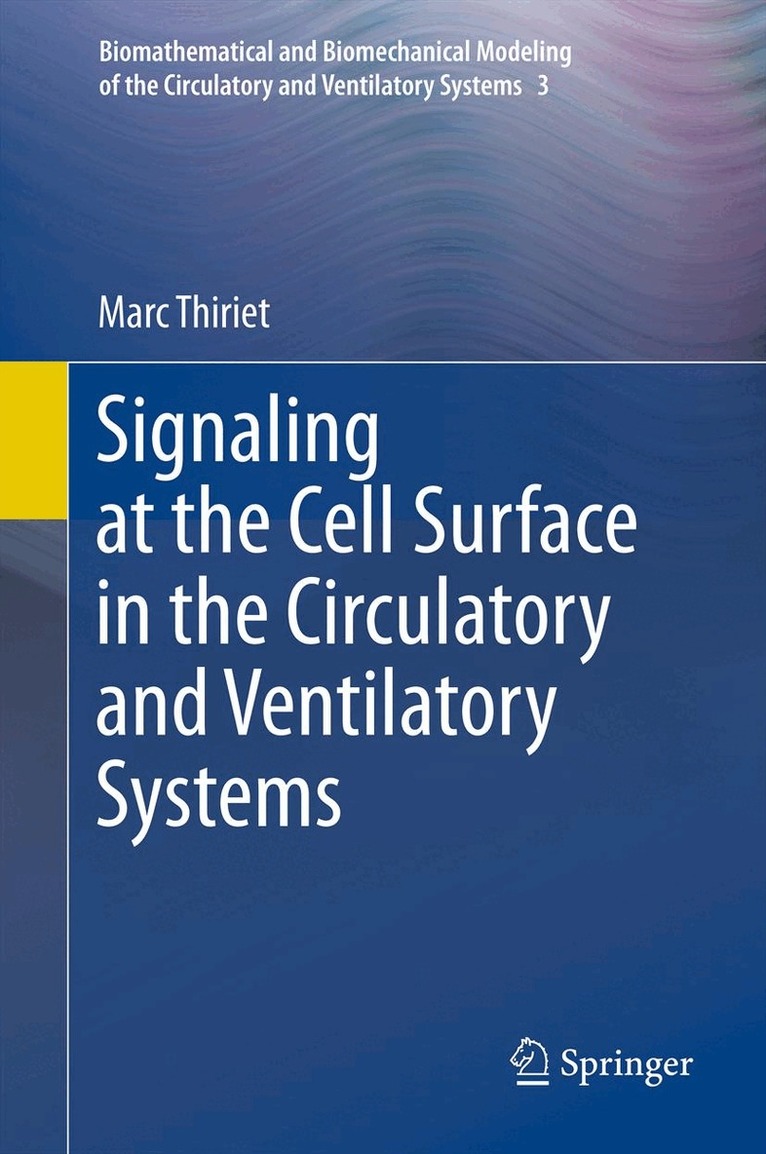
Signaling at the Cell Surface in the Circulatory and Ventilatory Systems
Inbunden, Engelska, 2011
1 637 kr
Skickas inom 10-15 vardagar
The volumes in this authoritative series present a multidisciplinary approach to modeling and simulation of flows in the cardiovascular and ventilatory systems, especially multiscale modeling and coupled simulations. The cardiovascular and respiratory systems are tightly coupled, as their primary function is to supply oxygen to and remove carbon dioxide from the body's cells. Because physiological conduits have deformable and reactive walls, macroscopic flow behavior and prediction must be coupled to nano- and microscopic events in a corrector scheme of regulated mechanisms when the vessel lumen caliber varies markedly. Therefore, investigation of flows of blood and air in physiological conduits requires an understanding of the biology, chemistry, and physics of these systems together with the mathematical tools to describe their functioning. Volume 3 is devoted to the set of mediators of the cell surface, especially ion and molecular carriers and catalytic receptors that, once liganded and activated, initiate signal transduction pathways. Intracellular cascades of chemical reactions trigger the release of substances stored in cellular organelles and/or gene transcription and protein synthesis. Primary mediators are included in models of regulated cellular processes, but multiple secondary signaling components are discarded to allow simple, representative modeling and to manage their inverse problems.
Del 1 - Biomathematical and Biomechanical Modeling of the Circulatory and Ventilatory Systems
Cell and Tissue Organization in the Circulatory and Ventilatory Systems
Häftad, Engelska, 2013
1 094 kr
Skickas inom 10-15 vardagar
The volumes in this authoritative series present a multidisciplinary approach to modeling and simulation of flows in the cardiovascular and ventilatory systems, especially multiscale modeling and coupled simulations. The cardiovascular and respiratory systems are tightly coupled, as their primary function is to supply oxygen to and remove carbon dioxide from the body's cells. Because physiological conduits have deformable and reactive walls, macroscopic flow behavior and prediction must be coupled to nano- and microscopic events in a corrector scheme of regulated mechanisms. Therefore, investigation of flows of blood and air in physiological conduits requires an understanding of the biology, chemistry, and physics of these systems together with the mathematical tools to describe their functioning. The present volume is devoted to cellular events that allow adaptation to environmental conditions, particularly mechanotransduction. It begins with cell organization anda survey of cell types in the vasculature and respiratory tract. It then addresses cell structure and functions, especially in interactions with adjoining cells and matrix.
Del 4 - Biomathematical and Biomechanical Modeling of the Circulatory and Ventilatory Systems
Intracellular Signaling Mediators in the Circulatory and Ventilatory Systems
Inbunden, Engelska, 2012
2 180 kr
Skickas inom 10-15 vardagar
The volumes in this authoritative series present a multidisciplinary approach to modeling and simulation of flows in the cardiovascular and ventilatory systems, especially multiscale modeling and coupled simulations. The cardiovascular and respiratory systems are tightly coupled, as their primary function is to supply oxygen to and remove carbon dioxide from the body's cells. Because physiological conduits have deformable and reactive walls, macroscopic flow behavior and prediction must be coupled to phenomenological models of nano- and microscopic events in a corrector scheme of regulated mechanisms when the vessel lumen caliber varies markedly. Therefore, investigation of flows of blood and air in physiological conduits requires an understanding of the biology, chemistry, and physics of these systems together with the mathematical tools to describe their functioning. Volume 4 is devoted to major sets of intracellular mediators that transmit signals upon stimulation of cell-surface receptors. Activation of signaling effectors triggers the release of substances stored in cellular organelles and/or gene transcription and protein synthesis. Complex stages of cell signaling can be studied using proper mathematical models, once the role of each component is carefully handled. Volume 4 also reviews various categories of cytosolic and/or nuclear mediators and illustrates some major signal transduction pathways, such as NFkappaB axis, oxygen sensing, and mechanotransduction.
Del 5 - Biomathematical and Biomechanical Modeling of the Circulatory and Ventilatory Systems
Tissue Functioning and Remodeling in the Circulatory and Ventilatory Systems
Inbunden, Engelska, 2013
2 180 kr
Skickas inom 10-15 vardagar
The volumes in this authoritative series present a multidisciplinary approach to modeling and simulation of flows in the cardiovascular and ventilatory systems, especially multiscale modeling and coupled simulations. Volume 5 is devoted to cells, tissues, and organs of the cardiovascular and ventilatory systems with an emphasis on mechanotransduction-based regulation of flow. The blood vessel wall is a living tissue that quickly reacts to loads applied on it by the flowing blood. In any segment of a blood vessel, the endothelial and smooth muscle cells can sense unusual time variations in small-magnitude wall shear stress and large-amplitude wall stretch generated by abnormal hemodynamic stresses. These cells respond with a short-time scale (from seconds to hours) to adapt the vessel caliber. Since such adaptive cell activities can be described using mathematical models, a key objective of this volume is to identify the mesoscopic agents and nanoscopic mediators required to derive adequate mathematical models. The resulting biomathematical models and corresponding simulation software can be incorporated into platforms developed in virtual physiology for improved understanding and training.
Del 6 - Biomathematical and Biomechanical Modeling of the Circulatory and Ventilatory Systems
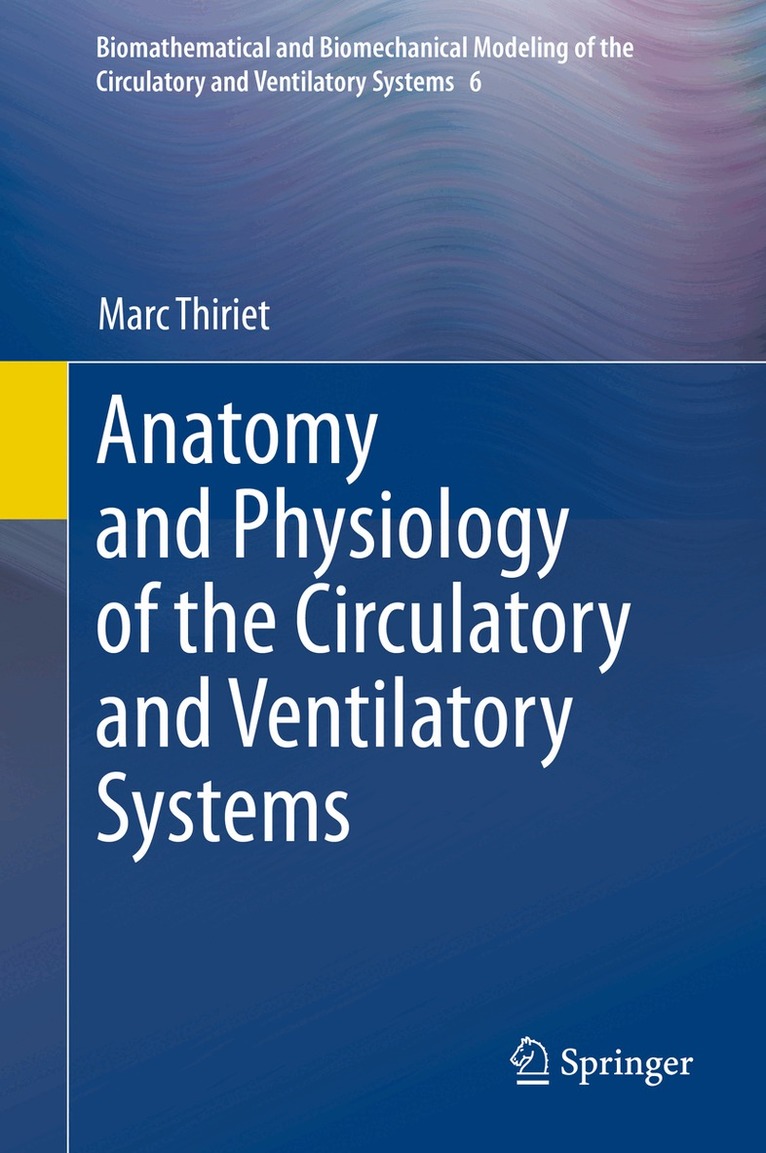
Anatomy and Physiology of the Circulatory and Ventilatory Systems
Inbunden, Engelska, 2013
1 637 kr
Skickas inom 10-15 vardagar
Together, the volumes in this series present all of the data needed at various length scales for a multidisciplinary approach to modeling and simulation of flows in the cardiovascular and ventilatory systems, especially multiscale modeling and coupled simulations. The cardiovascular and respiratory systems are tightly coupled, as their primary function is to supply oxygen to, and remove carbon dioxide from, the body's cells. Because physiological conduits have deformable and reactive walls, macroscopic flow behavior and prediction must be coupled to nano- and microscopic events in a corrector scheme of regulated mechanism. Therefore, investigation of flows of blood and air in physiological conduits requires an understanding of the biology, chemistry, and physics of these systems, together with the mathematical tools to describe their functioning in quantitative terms. The present volume focuses on macroscopic aspects of the cardiovascular and respiratory systems in normal conditions, i.e., anatomy and physiology, as well as the acquisition and processing of medical images and physiological signals.
Del 2 - Biomathematical and Biomechanical Modeling of the Circulatory and Ventilatory Systems
Control of Cell Fate in the Circulatory and Ventilatory Systems
Häftad, Engelska, 2014
1 637 kr
Skickas inom 10-15 vardagar
The volumes in this authoritative series present a multidisciplinary approach to modeling and simulation of flows in the cardiovascular and ventilatory systems, especially multiscale modeling and coupled simulations. The cardiovascular and respiratory systems are tightly coupled, as their primary function is to supply oxygen to and remove carbon dioxide from the body's cells. Because physiological conduits have deformable and reactive walls, macroscopic flow behavior and prediction must be coupled to nano- and microscopic events in a corrector scheme of regulated mechanisms. Therefore, investigation of flows of blood and air in physiological conduits requires an understanding of the biology, chemistry, and physics of these systems together with the mathematical tools to describe their functioning. Volumes 1 and 2 are devoted to cell organization and fate, as well as activities that are autoregulated and/or controlled by the cell environment. Volume 1 examined cellular features that allow adaptation to environmental conditions. Volume 2 begins with a survey of the cell types of the nervous and endocrine systems involved in the regulation of the vasculature and respiratory tract and growth factors. It then describes major cell events in the circulatory and ventilatory systems, such as cell growth, proliferation, migration, and death. Circadian cycles that drive rhythmic gene transcription are also covered.
2 886 kr
Skickas inom 5-8 vardagar
The volumes in this authoritative series present a multidisciplinary approach to modeling and simulation of flows in the cardiovascular and ventilatory systems, especially multiscale modeling and coupled simulations.
Del 6 - Biomathematical and Biomechanical Modeling of the Circulatory and Ventilatory Systems
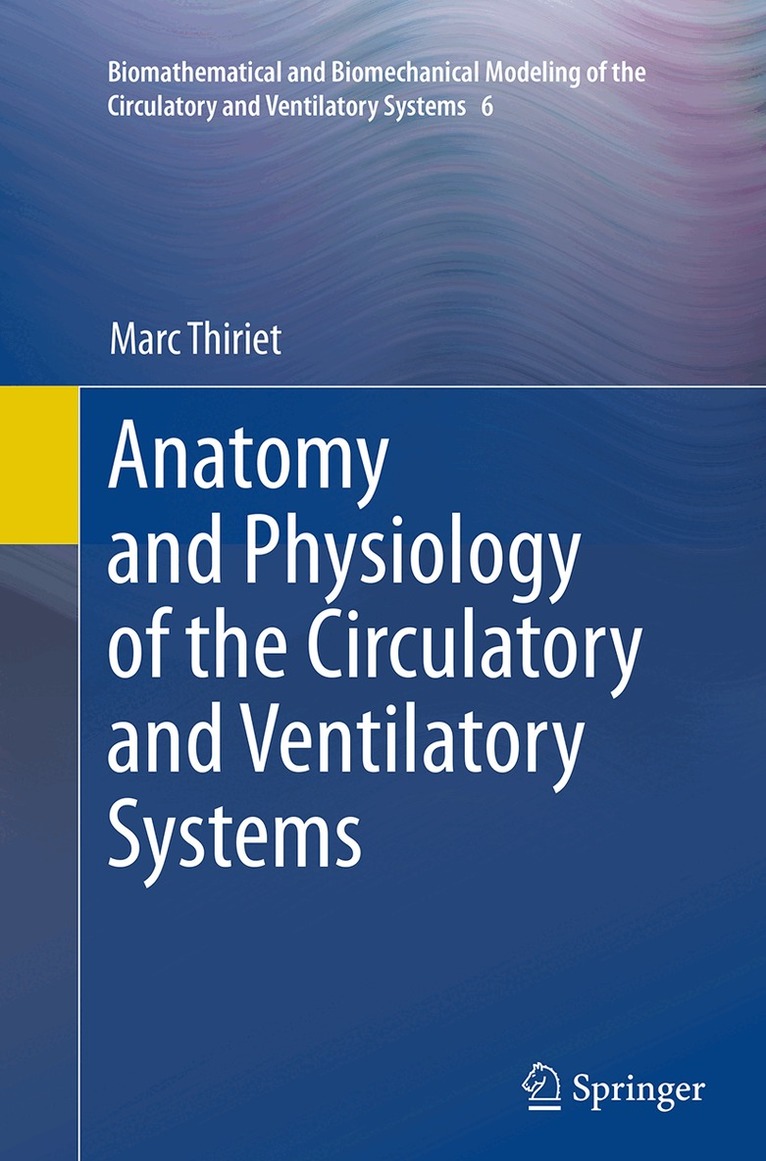
Anatomy and Physiology of the Circulatory and Ventilatory Systems
Häftad, Engelska, 2016
1 637 kr
Skickas inom 10-15 vardagar
Together, the volumes in this series present all of the data needed at various length scales for a multidisciplinary approach to modeling and simulation of flows in the cardiovascular and ventilatory systems, especially multiscale modeling and coupled simulations. The cardiovascular and respiratory systems are tightly coupled, as their primary function is to supply oxygen to, and remove carbon dioxide from, the body's cells. Because physiological conduits have deformable and reactive walls, macroscopic flow behavior and prediction must be coupled to nano- and microscopic events in a corrector scheme of regulated mechanism. Therefore, investigation of flows of blood and air in physiological conduits requires an understanding of the biology, chemistry, and physics of these systems, together with the mathematical tools to describe their functioning in quantitative terms. The present volume focuses on macroscopic aspects of the cardiovascular and respiratory systems in normal conditions, i.e., anatomy and physiology, as well as the acquisition and processing of medical images and physiological signals.
2 089 kr
Skickas inom 5-8 vardagar
The volumes in this authoritative series present a multidisciplinary approach to modeling and simulation of flows in the cardiovascular and ventilatory systems, especially multiscale modeling and coupled simulations.
Del 4 - Biomathematical and Biomechanical Modeling of the Circulatory and Ventilatory Systems
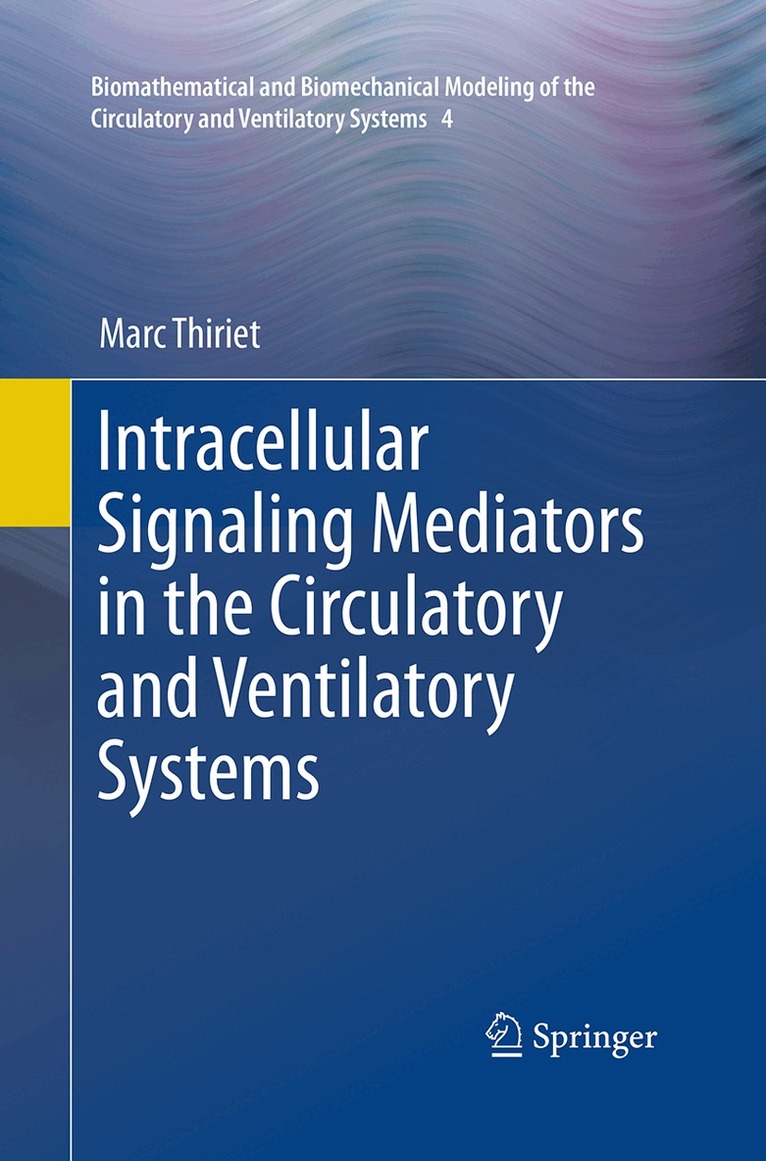
Intracellular Signaling Mediators in the Circulatory and Ventilatory Systems
Häftad, Engelska, 2016
2 180 kr
Skickas inom 10-15 vardagar
The volumes in this authoritative series present a multidisciplinary approach to modeling and simulation of flows in the cardiovascular and ventilatory systems, especially multiscale modeling and coupled simulations.
Del 7 - Biomathematical and Biomechanical Modeling of the Circulatory and Ventilatory Systems
Diseases of the Cardiac Pump
Inbunden, Engelska, 2015
1 637 kr
Skickas inom 10-15 vardagar
Together, the volumes in this series present all of the data needed at various length scales for a multidisciplinary approach to modeling and simulation of flows in the cardiovascular and ventilatory systems, especially multiscale modeling and coupled simulations. The cardiovascular and respiratory systems are tightly coupled, as their primary function is to supply oxygen to and remove carbon dioxide from the body's cells. Because physiological conduits have deformable and reactive walls, macroscopic flow behavior and prediction must be coupled to nano- and microscopic events in a corrector scheme of regulated mechanism. Therefore, investigation of flows of blood and air in anatomical conduits requires an understanding of the biology, chemistry, and physics of these systems together with the mathematical tools to describe their functioning in quantitative terms.The present volume focuses on macroscopic aspects of the cardiovascular and respiratory systems in pathological conditions, i.e., diseases of the cardiac pump, blood vessels, and airways, as well as their treatments. Only diseases that have a mechanical origin or are associated with mechanical disorders are covered. Local flow disturbances can trigger pathophysiological processes or, conversely, result from diseases of conduit walls or their environment. The ability to model these phenomena is essential to the development and manufacturing of medical devices, which incorporate a stage of numerical tests in addition to experimental procedures.
Del 7 - Biomathematical and Biomechanical Modeling of the Circulatory and Ventilatory Systems
Diseases of the Cardiac Pump
Häftad, Engelska, 2016
1 637 kr
Skickas inom 10-15 vardagar
Together, the volumes in this series present all of the data needed at various length scales for a multidisciplinary approach to modeling and simulation of flows in the cardiovascular and ventilatory systems, especially multiscale modeling and coupled simulations. The cardiovascular and respiratory systems are tightly coupled, as their primary function is to supply oxygen to and remove carbon dioxide from the body's cells. Because physiological conduits have deformable and reactive walls, macroscopic flow behavior and prediction must be coupled to nano- and microscopic events in a corrector scheme of regulated mechanism. Therefore, investigation of flows of blood and air in anatomical conduits requires an understanding of the biology, chemistry, and physics of these systems together with the mathematical tools to describe their functioning in quantitative terms.The present volume focuses on macroscopic aspects of the cardiovascular and respiratory systems in pathological conditions, i.e., diseases of the cardiac pump, blood vessels, and airways, as well as their treatments. Only diseases that have a mechanical origin or are associated with mechanical disorders are covered. Local flow disturbances can trigger pathophysiological processes or, conversely, result from diseases of conduit walls or their environment. The ability to model these phenomena is essential to the development and manufacturing of medical devices, which incorporate a stage of numerical tests in addition to experimental procedures.
Del 8 - Biomathematical and Biomechanical Modeling of the Circulatory and Ventilatory Systems
Vasculopathies
Behavioral, Chemical, Environmental, and Genetic Factors
Inbunden, Engelska, 2019
1 094 kr
Skickas inom 10-15 vardagar
This volume presents one of the clinical foundations of vasculopathies: the biological markers and risk factors associated with cardiovascular disease.