Brunel in ... – serie
Visar alla böcker i serien Brunel in .... Handla med fri frakt och snabb leverans.
2 produkter
2 produkter
Häftad, Engelska, 2014
166 kr
Skickas
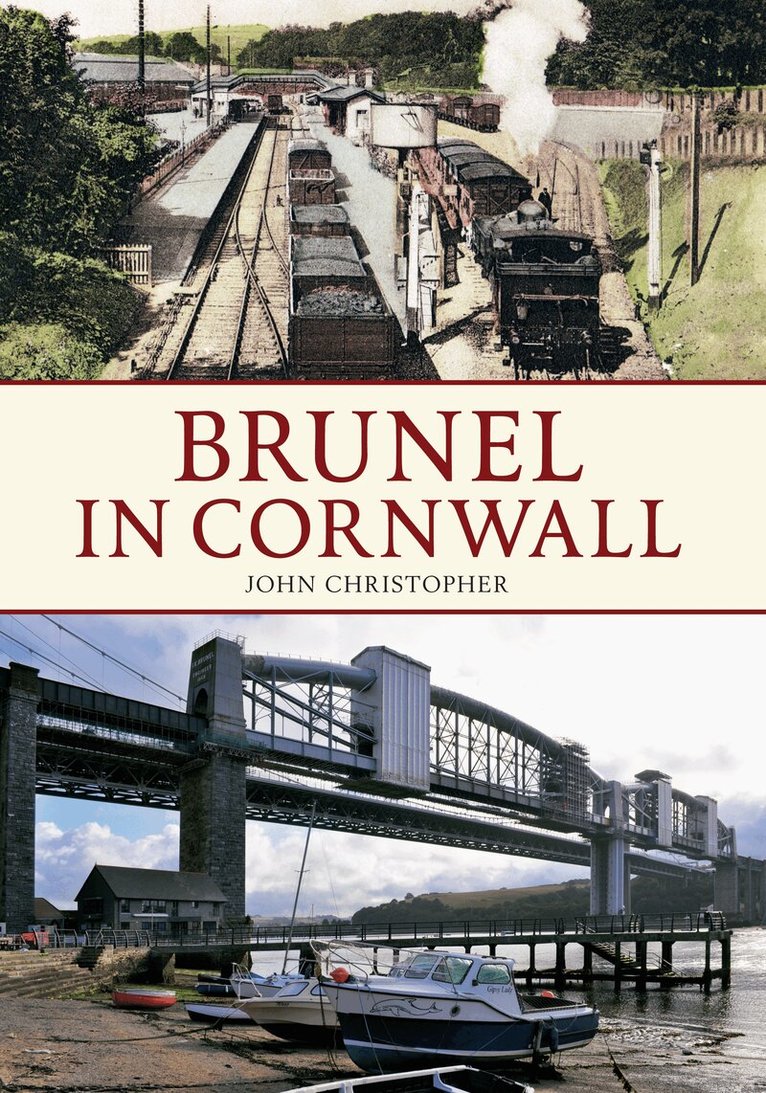
Cornwall marks the extreme south-western extent of Brunel’s kingdom and the county is surprisingly rich in his works. The Royal Albert Bridge, which crosses the River Tamar, connected the broad gauge network with the Cornwall and West Cornwall railways – both engineered by Brunel – to take the trains coming from Paddington all the way to Penzance via a series of over sixty spectacular timber viaducts. The original viaducts have gone now, either modified or replaced over the years, but in many cases the masonry piers remain like rows of monolithic sentinels. As a result there is much to reward the Brunel hunter, including the branch line to Falmouth and many surviving examples of his railway stations. There are other connections, literally. His Great Eastern steamship was the first vessel to successfully lay a telegraphic cable to connect Europe and the USA – a story told at the historic Porthcurno Telegraph Museum near Land’s End. John Christopher, an acknowledged expert on Brunel, takes us on a tour of Cornwall, exploring his works in the county. This is the latest in a series of books which are about rediscovering Brunel’s works in your area.
Häftad, Engelska, 2012
176 kr
Tillfälligt slut
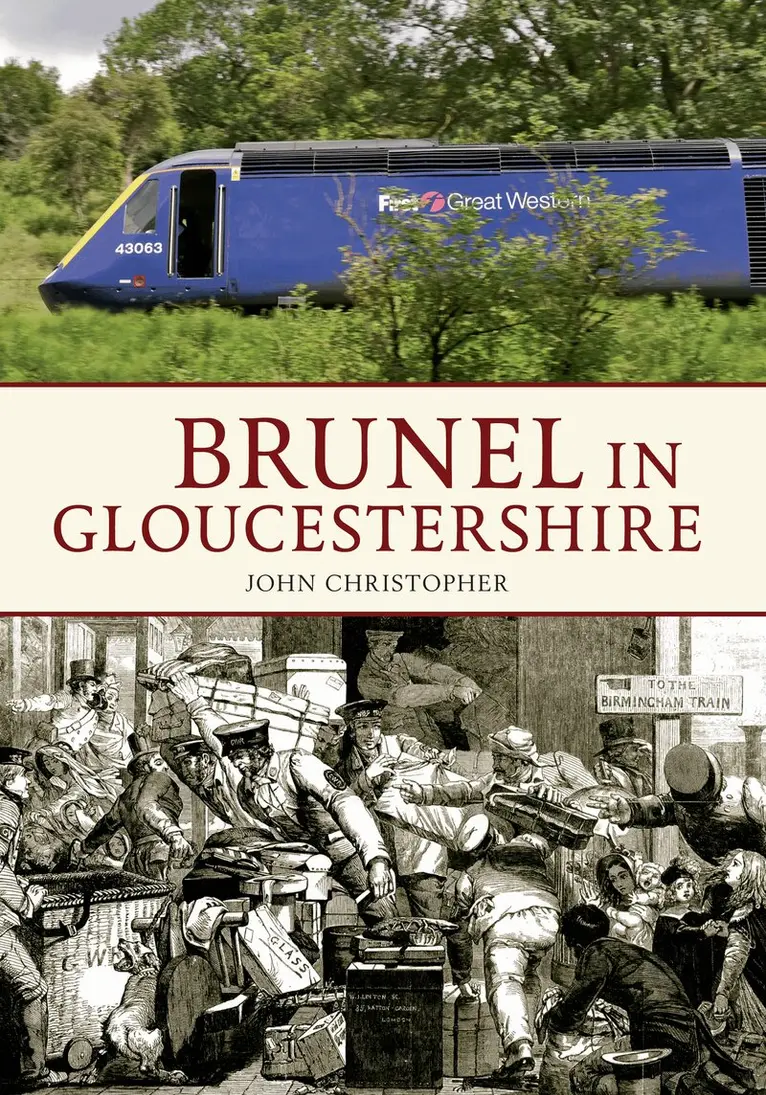
Isambard Kingdom Brunel, Britain's greatest engineer is perhaps best known for his ships and the Bristol-London main line, but he also designed many structures in Gloucestershire too. Most notable of the local designs include the tubular bridge crossing the Wye from England to Wales at Chepstow, which was the precursor of the Royal Albert Bridge at Saltash. Brunel oversaw the construction of the line from Swindon to Gloucester, and the Broad Gauge goods shed at Stroud station, as well as the station in Cirencester, now surrounded by a car park. Other notable structures include the Mickleton and Haie Hill tunnels, Brunel was heavily involved in the surveying of the major rail routes in the county too, being the engineer for the Bristol to Gloucester route, which opened in 1844 and undertook surveys of the Gloucester-Birmingham railway line too. John Christopher, an acknowledged expert on Brunel, with numerous books to his name, takes us on a tour of the county, showing the effect that Brunel had on the railways, roads and rivers and the transport network of Gloucestershire.