Caribbean Discourse in Inclusive Education – serie
Visar alla böcker i serien Caribbean Discourse in Inclusive Education. Handla med fri frakt och snabb leverans.
4 produkter
4 produkter
647 kr
Skickas inom 7-10 vardagar
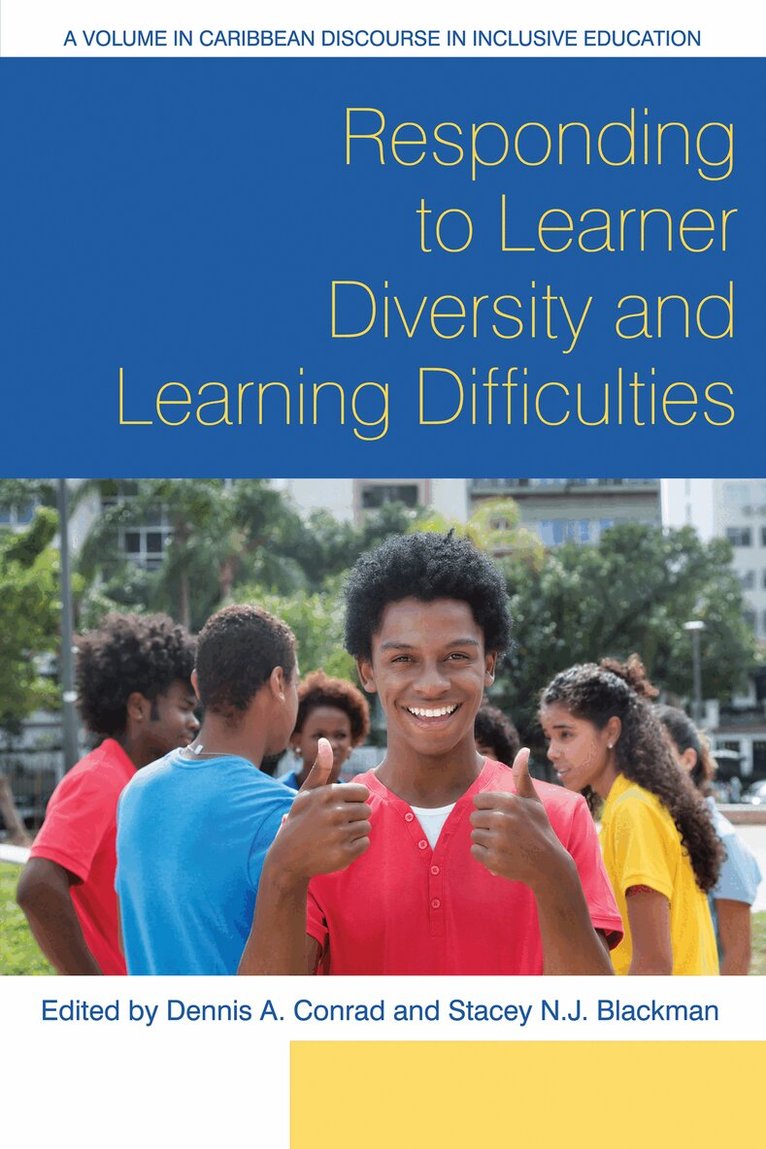
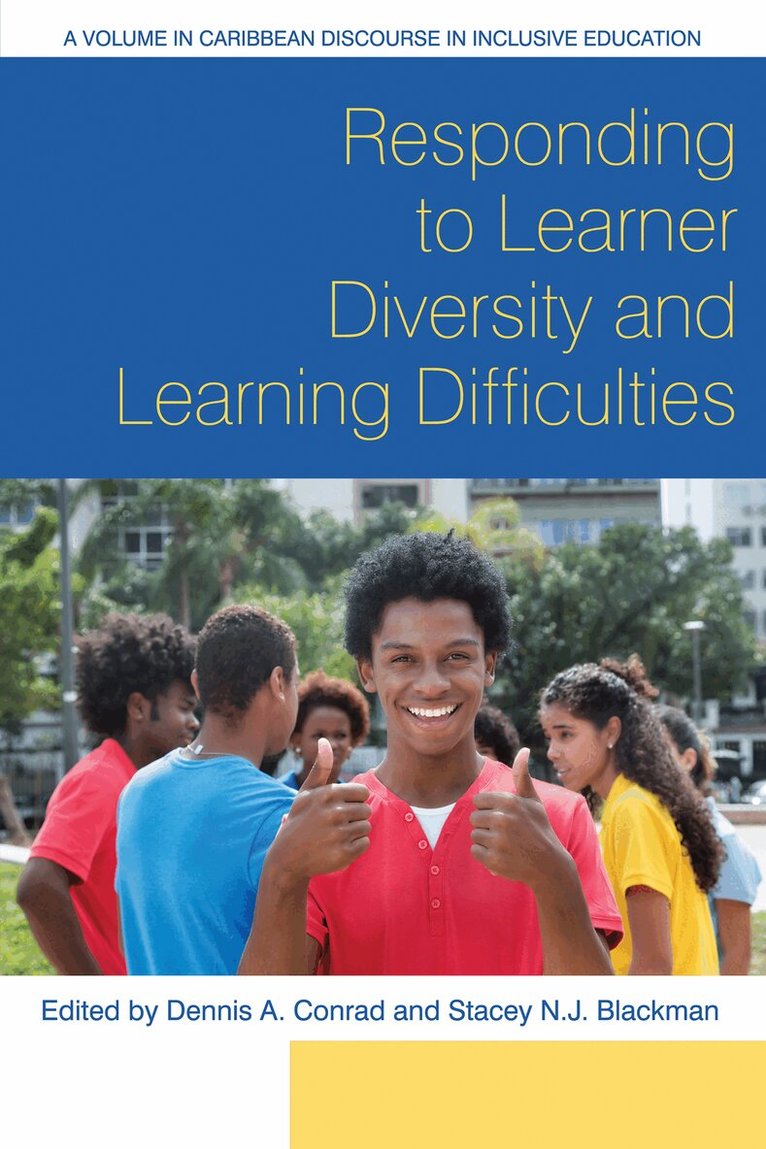
Caribbean Discourse in Inclusive Education Volume II “Responding to Learner Diversity and Learner Difficulties” shares selected critical reflections and recommendations on the way educational communities respond to student diversity and difficulties learning. These contexts include the Caribbean, the Diaspora, and beyond. Authors explore issues and strategies for realizing and sustaining the agenda of education for all within primarily, but not limited to, the Caribbean. While the authors are aware of the ongoing debate between the terms ‘education for all’ and ‘inclusive education’, we use these terms interchangeably. We hold the position that inclusive education is about commitment to removing barriers to optimum learning for all learners regardless of age, ability, ethnicity, gender, geography, race, religion, sexual orientation or other differences. ‘Responding to Learner Diversity and Difficulties’ extend the discourse to include stakeholders committed to sharing their experiences and strategies for overcoming barriers to inclusive education.This second volume presents research that examines how teachers can respond to students with disabilities and difficulties learning, teach challenging curriculum content in mathematics and literacy, build citizenship through student voice, improve teacher practice via co-teaching and critical reflection, promote inclusive practice through leadership and advocacy. It can be used as a core text or companion reader for students at the undergraduate and graduate levels, lecturers, practitioners, researchers and policy makers.
1 096 kr
Skickas inom 7-10 vardagar
Caribbean Discourse in Inclusive Education Volume II “Responding to Learner Diversity and Learner Difficulties” shares selected critical reflections and recommendations on the way educational communities respond to student diversity and difficulties learning. These contexts include the Caribbean, the Diaspora, and beyond. Authors explore issues and strategies for realizing and sustaining the agenda of education for all within primarily, but not limited to, the Caribbean. While the authors are aware of the ongoing debate between the terms ‘education for all’ and ‘inclusive education’, we use these terms interchangeably. We hold the position that inclusive education is about commitment to removing barriers to optimum learning for all learners regardless of age, ability, ethnicity, gender, geography, race, religion, sexual orientation or other differences. ‘Responding to Learner Diversity and Difficulties’ extend the discourse to include stakeholders committed to sharing their experiences and strategies for overcoming barriers to inclusive education.This second volume presents research that examines how teachers can respond to students with disabilities and difficulties learning, teach challenging curriculum content in mathematics and literacy, build citizenship through student voice, improve teacher practice via co-teaching and critical reflection, promote inclusive practice through leadership and advocacy. It can be used as a core text or companion reader for students at the undergraduate and graduate levels, lecturers, practitioners, researchers and policy makers.
583 kr
Skickas inom 7-10 vardagar
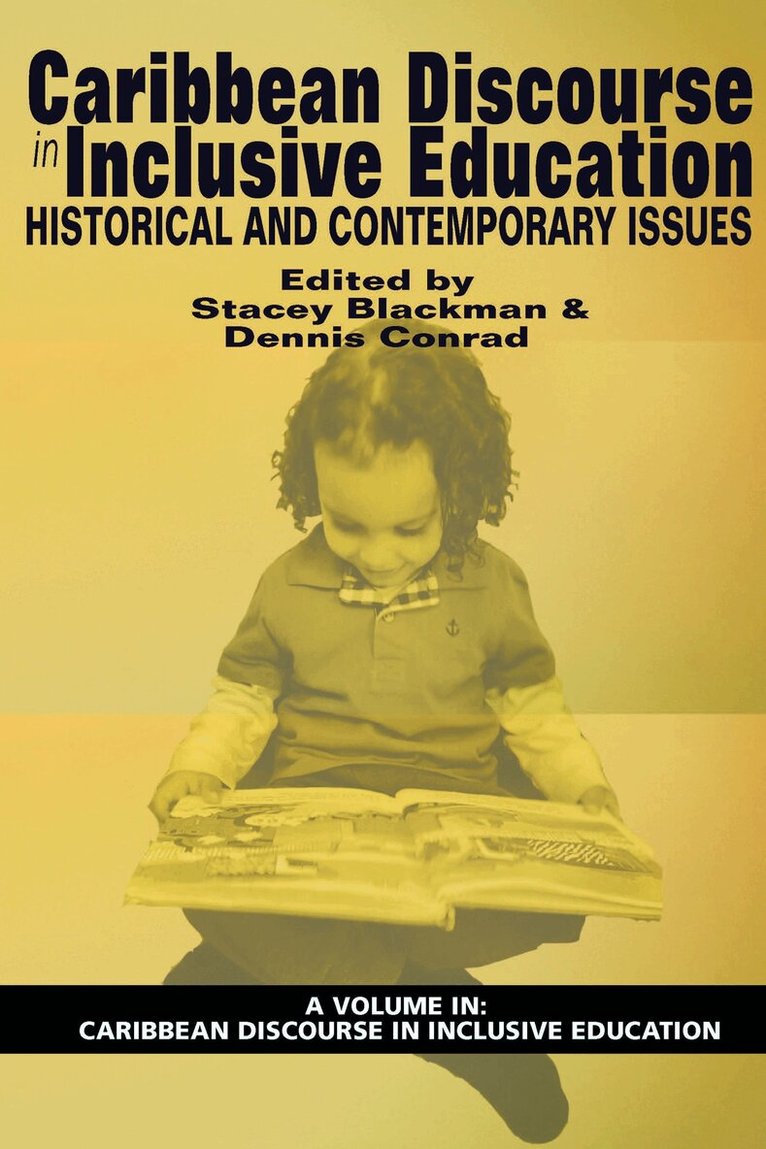
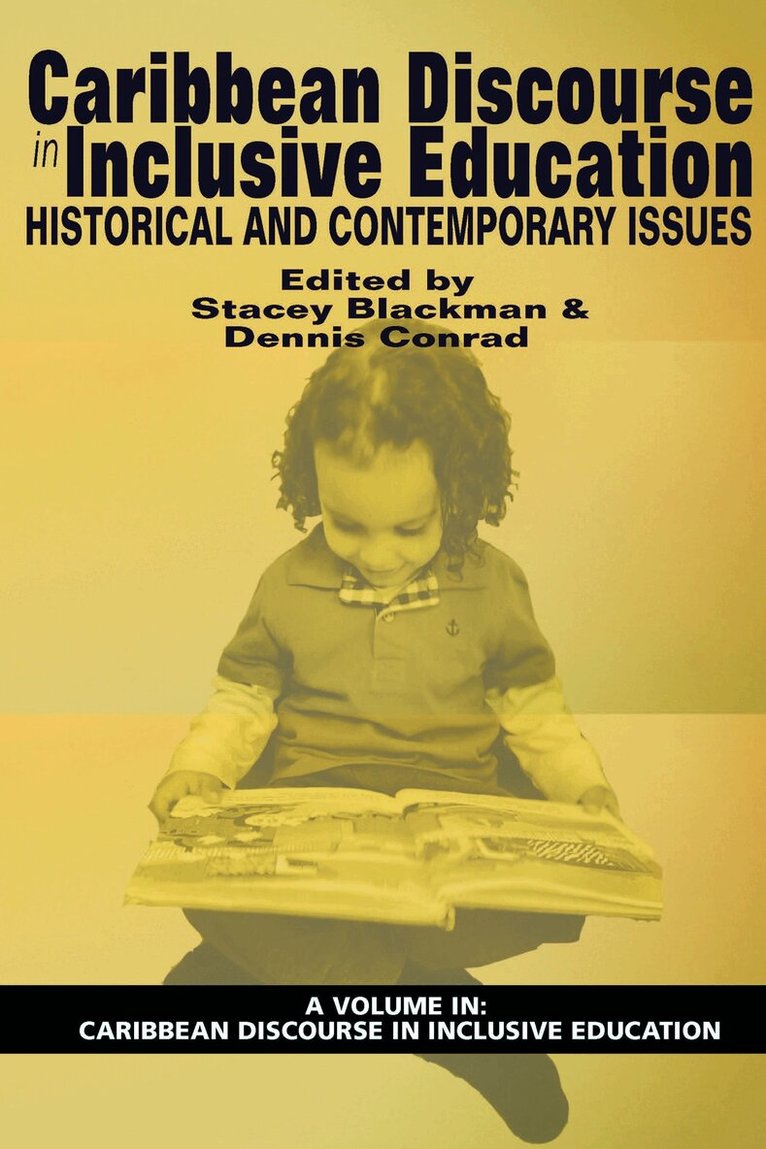
Caribbean Discourse in Inclusive Education is an edited book series that aims to give voice to Caribbean scholars, practitioners, and other professionals working in diverse classrooms. The book series is intended to provide an ongoing forum for Caribbean researchers, practitioners, and academics, including those of the Diaspora, to critically examine issues that influence the education of children within inclusive settings. The book series is visionary, timely, authoritative and presents pioneering work in the area of inclusive education in the Caribbean, as part of the broader South-South dialogue. It is essential reading for students in undergraduate and postgraduate programmes, scholars, teachers, researchers and policy makers at the regional and international level. The first book in this series entitled Historical and Contemporary Issues will trace the history and examine the Caribbean’s trajectory towards the development of inclusive education in the 21st Century. The main premise of the book is that inclusion remains an ideologically sound goal, which remains elusive in the Caribbean. It will also provide a wider platform to discuss other factors that influence the development of inclusive education such as school climate, culture and ethos, LGBT issues, teacher training and professional development, pedagogy, pupil perspective, curriculum, policy and legislation.
Caribbean Discourse in Inclusive Education
Historical and Contemporary Issues
Inbunden, Engelska, 2017
1 032 kr
Skickas inom 7-10 vardagar
Caribbean Discourse in Inclusive Education is an edited book series that aims to give voice to Caribbean scholars, practitioners, and other professionals working in diverse classrooms. The book series is intended to provide an ongoing forum for Caribbean researchers, practitioners, and academics, including those of the Diaspora, to critically examine issues that influence the education of children within inclusive settings. The book series is visionary, timely, authoritative and presents pioneering work in the area of inclusive education in the Caribbean, as part of the broader South-South dialogue. It is essential reading for students in undergraduate and postgraduate programmes, scholars, teachers, researchers and policy makers at the regional and international level. The first book in this series entitled Historical and Contemporary Issues will trace the history and examine the Caribbean’s trajectory towards the development of inclusive education in the 21st Century. The main premise of the book is that inclusion remains an ideologically sound goal, which remains elusive in the Caribbean. It will also provide a wider platform to discuss other factors that influence the development of inclusive education such as school climate, culture and ethos, LGBT issues, teacher training and professional development, pedagogy, pupil perspective, curriculum, policy and legislation.