Catholic Moral Thought - Böcker
Visar alla böcker i serien Catholic Moral Thought. Handla med fri frakt och snabb leverans.
6 produkter
6 produkter
234 kr
Skickas inom 10-15 vardagar
Contemporary western culture is awash with ideologies that reduce sexuality to an outlet for pleasure, an ecstatic form of release needed for personal fulfillment, or a commodity to be bought and sold. Many Christians living in such a culture find themselves uncertain as to how to respond from within churches torn by controversy, embarrassed by scandal, and thus driven into uneasy silence on sexual matters. Catholic moral theology, itself at the epicentre of this controversy over sexual issues since ""Humanae vitae"", has struggled to respond to the call for renewal issues by the Second Vatican Council. This book provides a theological foundation for consideration of the moral dimensions of human sexuality from a Roman Catholic perspective. Drawing upon key biblical themes such as covenant, discipleship and beatitude, it proposes an understanding of covenant fidelity wedded to the virtue of chastity that provides a suitable framework for a Catholic and Christian approach to issues of sexuality in a contemporary context. What is needed to counter dominant cultural ideologies is a vision of sexuality as integral to the human vocation to communion as well as attention to the specific practices that enable persons to grow in moral goodness. This work represents an original synthesis of biblical categories, the tradition and language of virtue, and a theological understanding of the human person. It is also among the first systematic applications of the renewal of virtue theory in recent decades to issues of sexuality.
368 kr
Skickas inom 10-15 vardagar
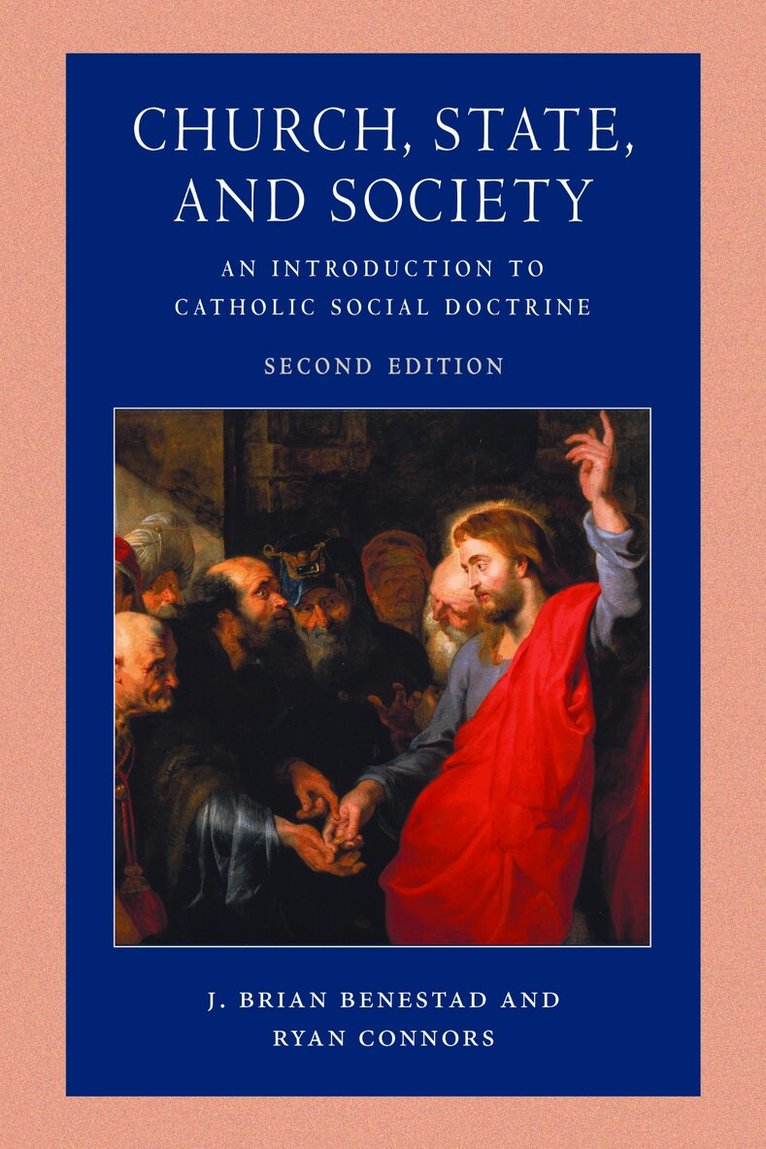
How can the Catholic faith help not only Catholics, but all people, build a just and flourishing society?The Catholic Church contributes first and foremost to the common good by forming the consciences of the faithful. Faith helps reason achieve a proper understanding of the common good and thereby guides what individuals need to do to live justly and harmoniously. In this book, J. Brian Benestad provides a detailed and accessible introduction to Catholic social doctrine (CSD), the Church's teachings concerning the human person, the family, society, political life, charity, justice, and social justice.Church, State, and Society explains the nuanced understanding of human dignity and the common good found in the Catholic intellectual tradition. It makes the case that liberal-arts education is an essential part of the common good because it helps people understand their dignity and all that justice requires. The author shows the influence of ancient and modern political philosophy on CSD philosophy and examines St. Augustine, St. Thomas Aquinas, papal social encyclicals, Vatican Council II, and postconciliar magisterial teaching. Benestad highlights the teachings of popes John Paul II and Benedict XVI that the attainment of the common good depends on the practice of the virtues by citizens and leaders alike.The book is divided into four parts. The first treats key themes of social life: the dignity of the human person, human rights, natural law, and the common good. Part two focuses on the three principal mediating institutions of civil society: the family, the Church, and the Catholic university. Part three considers the economy, work, poverty, immigration, and the environment, while part four focuses on the international community and just war principles. The conclusion discusses tension between CSD and liberal democracy.
261 kr
Skickas inom 10-15 vardagar
Originally published in 2001, Introduction to Moral Theology responded to the need for a new introduction to the basic and central elements of Catholic moral theology written in the light of Veritatis splendor. Since then, it has become a standard text for students and a reputable resource on such topics as moral theology and the good of the human person created in God's image; natural law; principles of human action; determination of the moral good through objects, ends, and circumstances; and the virtues, gifts of the Holy Spirit, and the Beatitudes.
363 kr
Skickas inom 7-10 vardagar
This timely and up to date new edition of Biomedicine and Beatitude features an entirely new chapter on the ethics of bodily modification. It is also updated throughout to reflect the pontificate of Pope Francis, recent concerns including ethical issues raised by the COVID-19 pandemic, and feedback from the many instructors who used the first edition in the classroom
363 kr
Skickas inom 7-10 vardagar
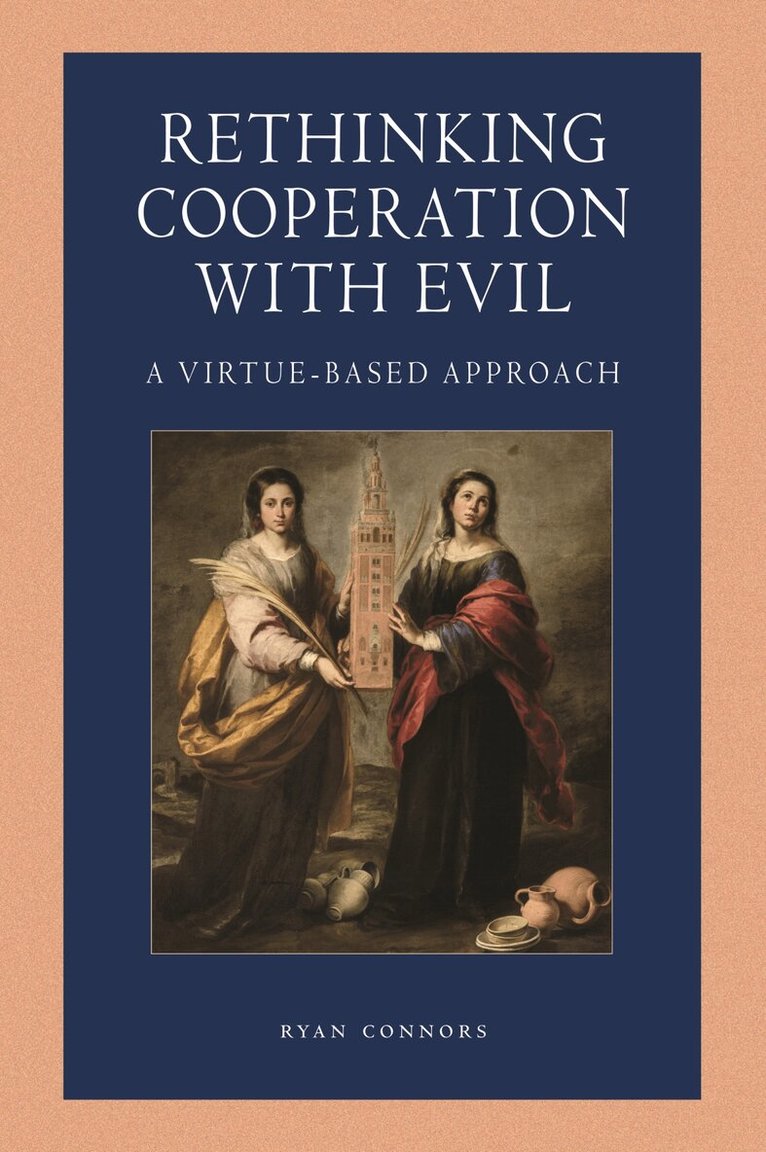
Rethinking Cooperation with Evil: A Virtue-Based Approach applies Thomistic virtue theory to today's most challenging questions of cooperation with evil.For centuries, moralists have struggled to determine the conditions necessary to justify moral cooperation with evil. The English Jesuit Henry Davis even observed: ""[T]here is no more difficult question than this in the whole range of Moral Theology."" This important book addresses this challenge by applying the virtue-based method of moral reasoning of St. Thomas Aquinas to issues of cooperation with evil.Those who pastor souls report frequently receiving questions from attentive believers about whether a particular human action inadvertently contributes to some moral evil. Examples of potentially immoral cooperation with evil include whether one may shop at a particular franchise known for its support of abortion, whether Catholics may attend civil marriages outside the Church, or whether an organization may submit to government mandates that health insurance include payment for immoral practices.Although recent moralists have tackled specific topics related to cooperation with evil, agreement on an overall common paradigm has not yet been reached. Rethinking Cooperation with Evil proposes a method for Christian believers and others to approach these questions from the foundation of the thought of St. Thomas Aquinas and the magisterial teaching of the Catholic Church. This text provides both an overall method for how to understand the issue of cooperation, as well as practical counsel for specific cases.Rethinking Cooperation with Evil advances the theological conversation on this topic from both speculative and practical vantage points. To facilitate his argument, Connors utilizes historical analyses that contrast Aquinas's method of moral reasoning with that of the casuist treatment of cooperation. Consequently, the book includes numerous case studies that will be of interest both to moral theologians and readers new to the topic.
363 kr
Skickas inom 7-10 vardagar
Church, State, and Society explains the nuanced understanding of human dignity and the common good found in the Catholic intellectual tradition. It makes the case that liberal-arts education is an essential part of the common good because it helps people understand their dignity and all that justice requires.The book is divided into four parts. The first treats key themes of social life: the dignity of the human person, human rights, natural law, and the common good. Part two focuses on the three principal mediating institutions of civil society: the family, the Church, and the Catholic university. Part three considers the economy, work, poverty, immigration, and the environment, while part four focuses on the international community and just war principles. The conclusion discusses tension between Catholic Social Doctrine and liberal democracy.This second edition contains new chapters on religious liberty, cooperation with evil, issues around gender ideology, and contemporary questions of Catholics in political life, including regarding the reception of the sacraments. The book also includes new material on economic and social teaching of the Magisterium promulgated since the first edition, especially related to the teaching of Benedict XVI.