Changing Regions in a Global Context: New Perspectives in Regional Geography Series – serie
Visar alla böcker i serien Changing Regions in a Global Context: New Perspectives in Regional Geography Series. Handla med fri frakt och snabb leverans.
5 produkter
5 produkter
1 457 kr
Skickas inom 7-10 vardagar
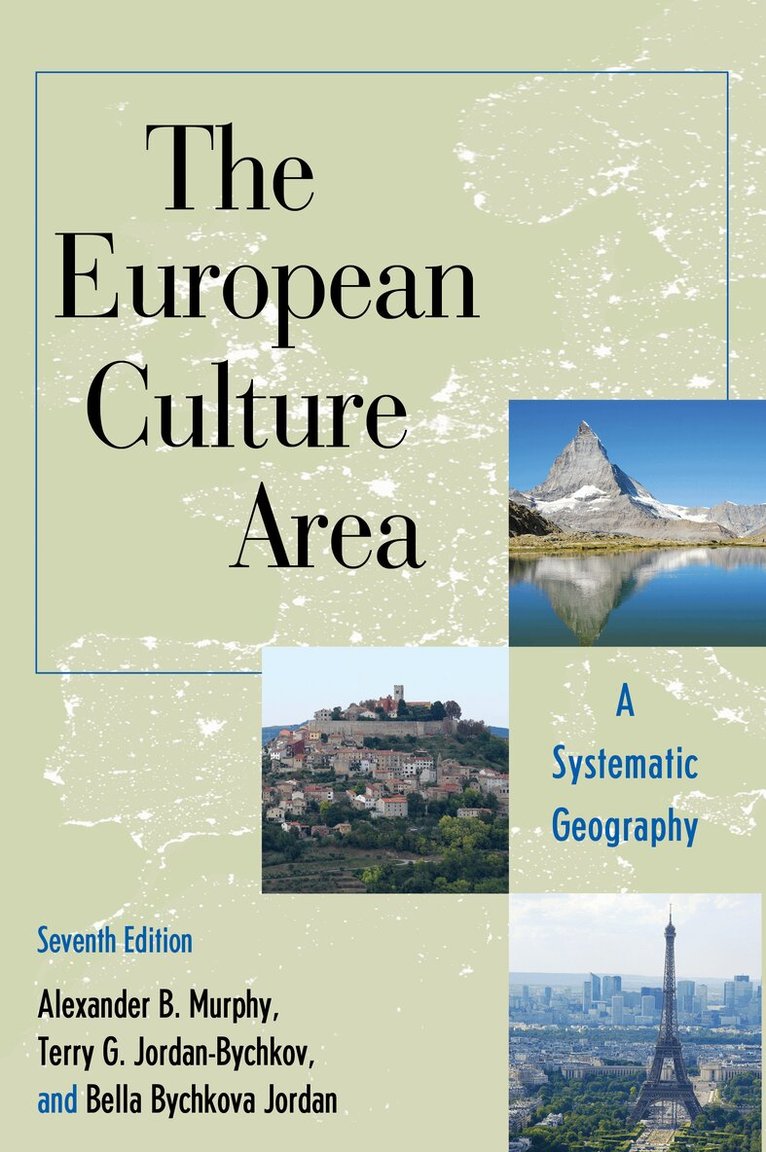
Now in a completely updated, full-color edition, this leading textbook has been thoroughly revised to reflect the sweeping economic, social, and political changes the past decade has brought to Europe and to incorporate new research and teaching approaches in regional geography. The authors have especially expanded their discussion of climate change and other environmental challenges facing Europe; migration and the rise of right-wing populist movements; and Brexit and other issues facing the EU. They employ a cultural-historical approach that is ideally suited to facilitate understanding of Europe’s complex geographical character. Their topical organization—including environment, ethnicity, religion, language, demography, politics, industry, and urban and rural life—offers students a holistic understanding of the diverse cultural area that is Europe. Inclusive, rich in ideas, lively, interesting, and humanistic, The European Culture Area remains the text of choice for courses on the geography of Europe.
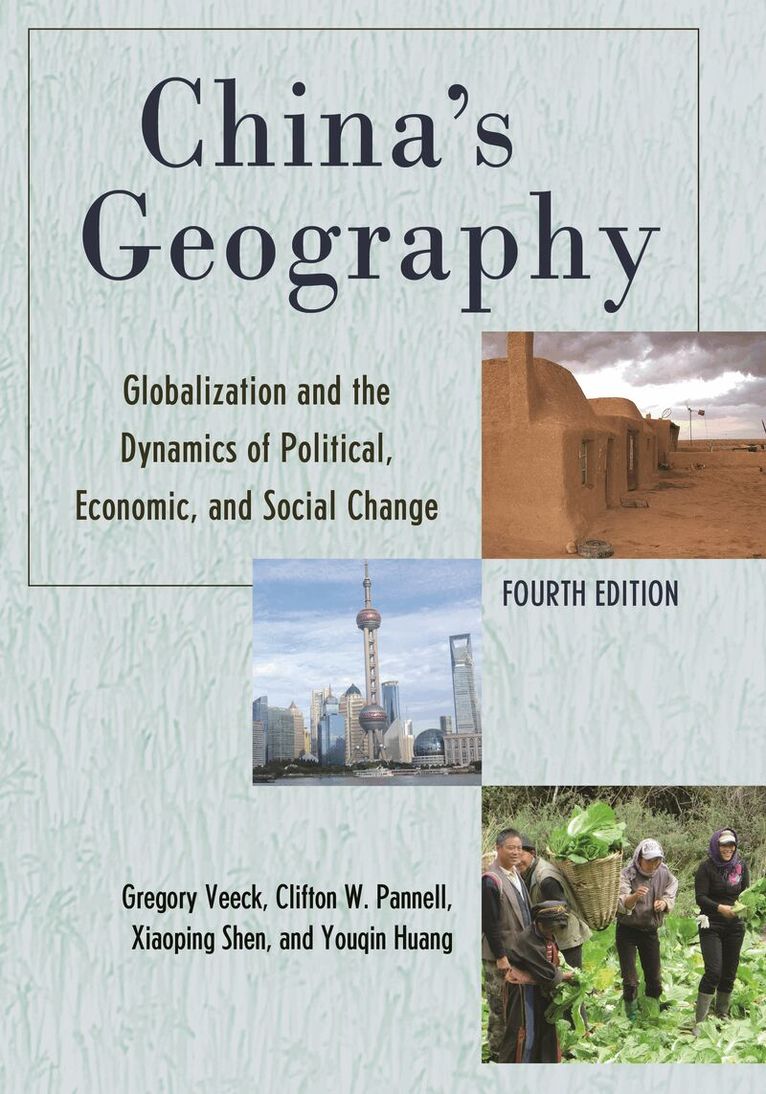
China's Geography
Globalization and the Dynamics of Political, Economic, and Social Change
Häftad, Engelska, 2021
808 kr
Skickas inom 10-15 vardagar
Despite China's clear and growing importance on the world stage, it remains often and easily misunderstood. Indeed, there are many Chinas, as this comprehensive survey, the most current and authoritative introduction available, vividly illustrates. Now in a thoroughly revised and updated edition, this text traces the changes occurring in this powerful and ancient nation across both time and space. Beginning with China's diverse landscapes and environments, and continuing through its formative history and tumultuous recent past, the authors show contemporary China as a product of both internal and external forces. They consider historical and current successes and difficulties, including economic, political, cultural, and environmental challenges, while placing China in its international context as a massive, developing, diverse nation that is meeting the needs of its 1.4 billion citizens while becoming an aggressive major regional and global player. Through clear prose and 160 insightful maps, tables, and photos, China's Geography illustrates and explains the great economic, political, and social differences found throughout China's many regions.Accompanying the book is a companion website that provides a wealth of additional materials, including sample lectures, color versions of all the graphics, time series and provincial data files for student projects in Excel, lists of favorite films and websites, and public domain maps for student use.
1 209 kr
Skickas inom 10-15 vardagar
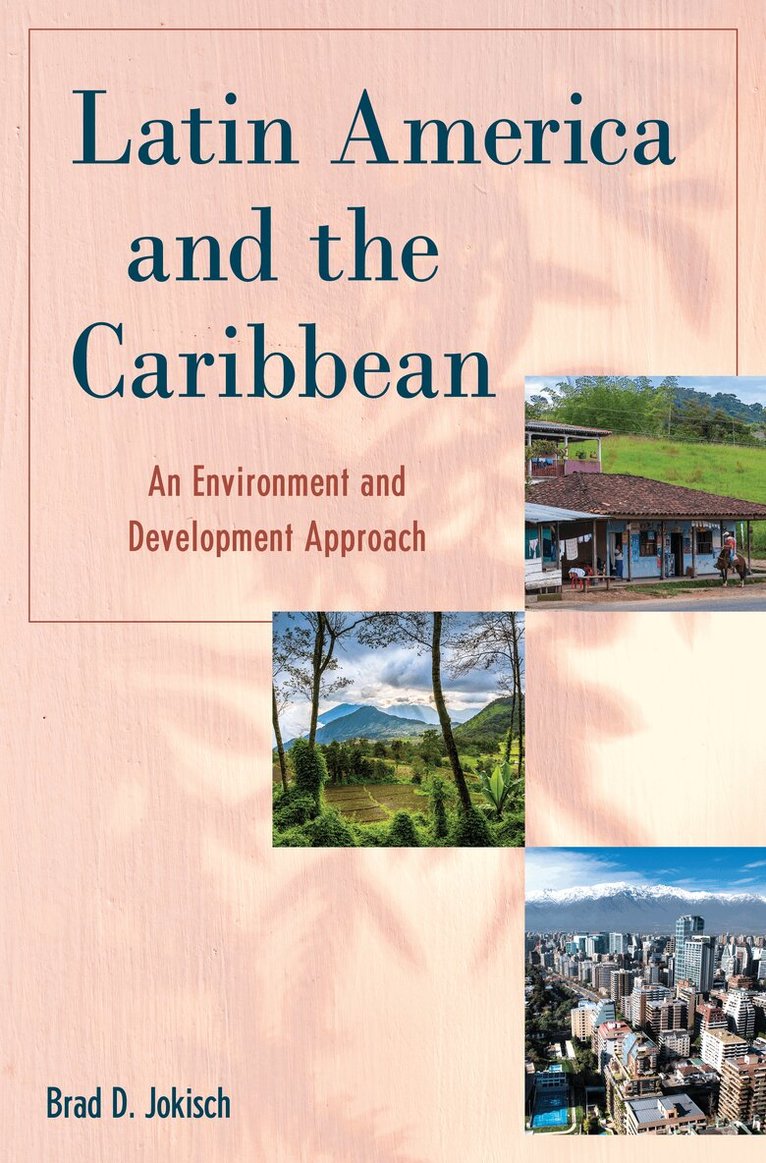
Through the twin themes of the environment and development, Brad D. Jokisch introduces students to the regions of Latin American and the Caribbean through a concise, comprehensive, and cohesive overview. Designed for courses in either geography or Latin American Studies, this text covers the physical geography, environmental hazards, and a concise history of the region, along with treatment of economic issues—including China’s role—urbanization, population trends, and international migration. Regional chapters on Brazil, Mexico, Central America and the Caribbean, the Andes, and the Southern Cone ensure that students understand the distinct areas of Latin America as well as the region as a whole. Key features include: Extensive maps, figures, and tables to help students visualize the materialChapter opening learning objectives and key terms lists to help organize important conceptsEnd-of-chapter conclusions and summary points and a glossary to aid in studyingExcellent treatment of current research from geography and across the social sciences to reinforce the state of the fieldA key case study chapter on Amazonian deforestation and developmentIn-depth analysis of the commodity boom, the Pink Tide, the rise of China, certification programs, and the illicit drug trade
1 396 kr
Skickas inom 10-15 vardagar
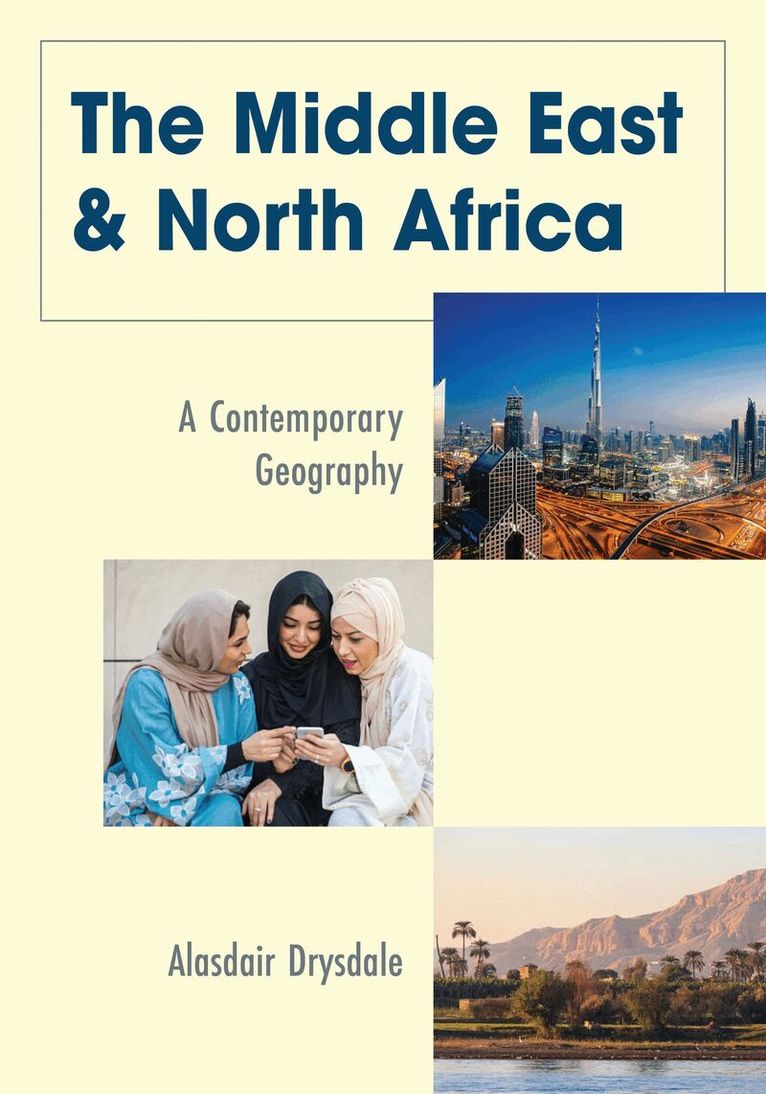
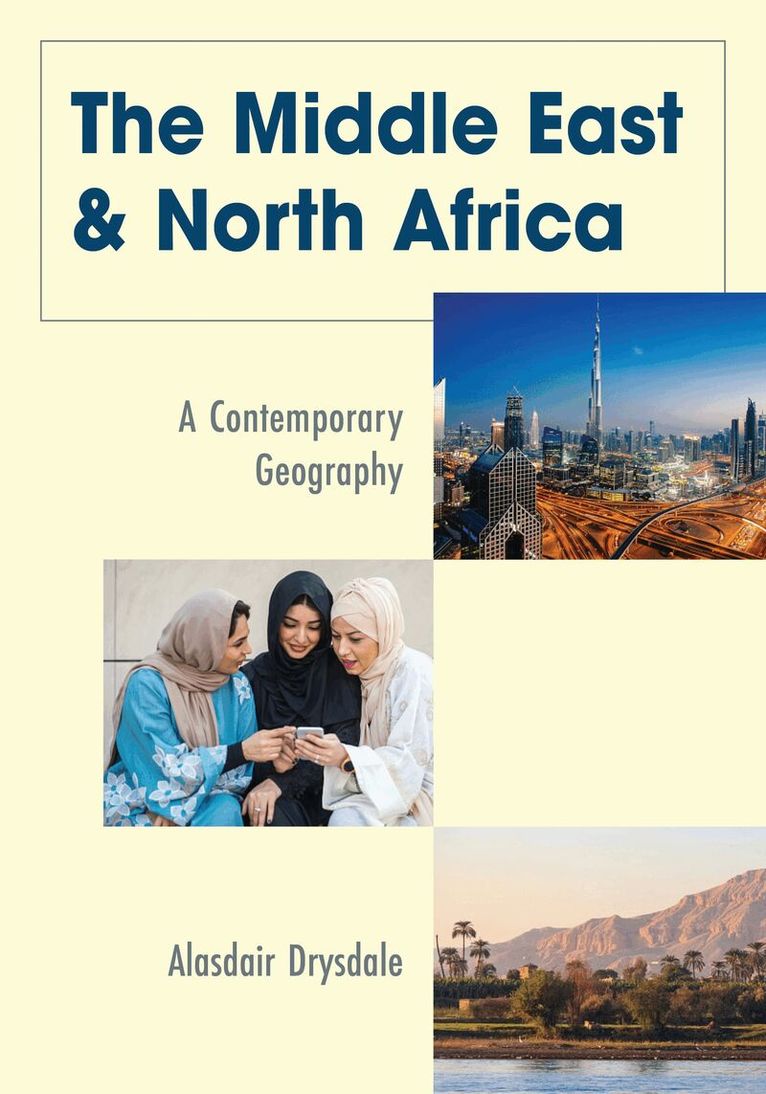
This contemporary text—the first in over a decade on the region—presents the geography of the Middle East and North Africa, defined as the Arab World, Israel, Turkey, Iran, and Afghanistan. Thematically organized, the book’s eleven chapters focus on the region’s physical and climatic setting, demographic characteristics, migration patterns, religious and linguistic diversity, political map, offshore claims, oil and gas resources, and subregions and states.Within this framework, Drysdale emphasizes pressing current problems: the impact of climate change in a region where some areas already suffer from extreme summer heat and aridity, the challenge of providing additional water in a region where per capita availability of freshwater is already the lowest in the world, the impact of high fertility and rapid population growth in a fragile environment where economies are often unable to absorb young workers entering the labor force, the looming prospect of an aging population, the effects of out- and in-migration, the diverse impact and role of Islam in daily and public life, the integrative consequences of linguistic and ethnic diversity, the evolution and imperfections of the political map, ongoing territorial and boundary disputes that often have global repercussions, external dependence on the region’s prolific oil and gas resources, and the extreme regional inequalities associated with their presence or absence. This timely and insightful analysis is essential reading for students of the region who need a better understanding of key regional characteristics, challenges, and issues.
742 kr
Skickas inom 10-15 vardagar
This contemporary text—the first in over a decade on the region—presents the geography of the Middle East and North Africa, defined as the Arab World, Israel, Turkey, Iran, and Afghanistan. Thematically organized, the book’s eleven chapters focus on the region’s physical and climatic setting, demographic characteristics, migration patterns, religious and linguistic diversity, political map, offshore claims, oil and gas resources, and subregions and states.Within this framework, Drysdale emphasizes pressing current problems: the impact of climate change in a region where some areas already suffer from extreme summer heat and aridity, the challenge of providing additional water in a region where per capita availability of freshwater is already the lowest in the world, the impact of high fertility and rapid population growth in a fragile environment where economies are often unable to absorb young workers entering the labor force, the looming prospect of an aging population, the effects of out- and in-migration, the diverse impact and role of Islam in daily and public life, the integrative consequences of linguistic and ethnic diversity, the evolution and imperfections of the political map, ongoing territorial and boundary disputes that often have global repercussions, external dependence on the region’s prolific oil and gas resources, and the extreme regional inequalities associated with their presence or absence. This timely and insightful analysis is essential reading for students of the region who need a better understanding of key regional characteristics, challenges, and issues.