Chemistry of Free Radicals – serie
Visar alla böcker i serien Chemistry of Free Radicals. Handla med fri frakt och snabb leverans.
4 produkter
4 produkter
9 867 kr
Skickas inom 5-8 vardagar
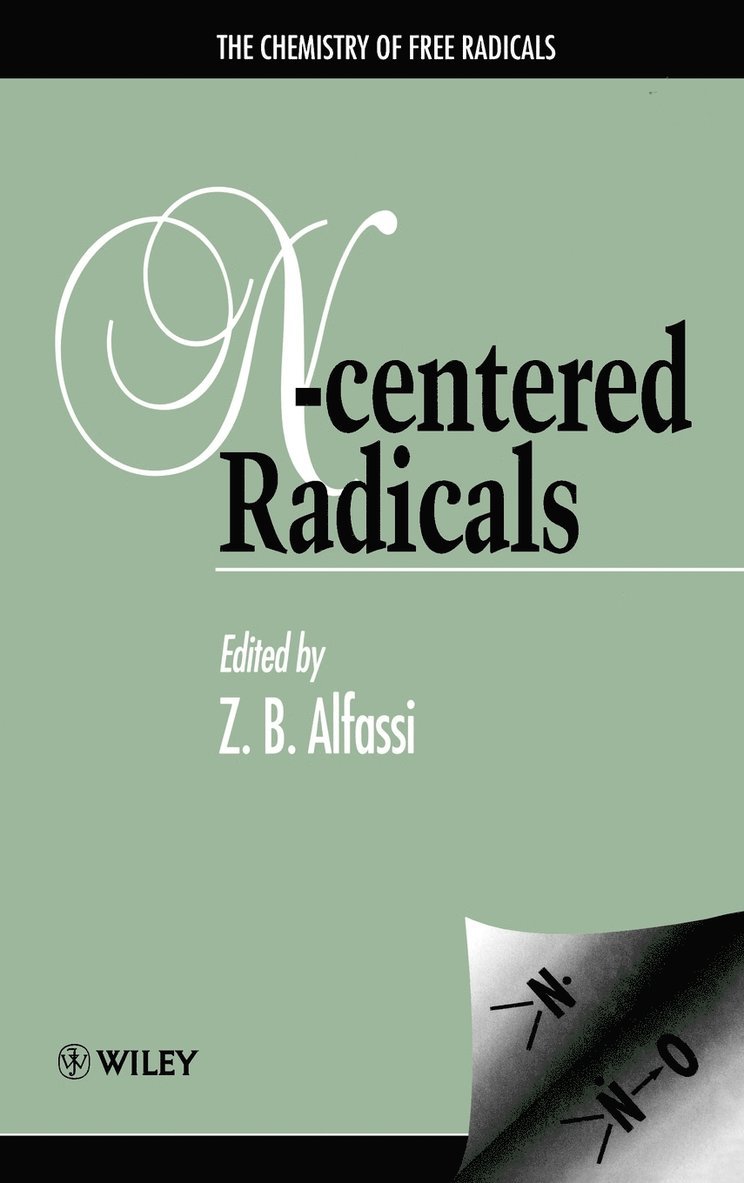
Radicals play a major role as intermediates in many chemical reactions. They contribute to transformations in the atmosphere, living organisms, chemical synthesis, combustion and detonation amongst others. This comprehensive and conclusive book discusses all these aspects. N-centered Radicals deals with NOx and NCO, relatively stable radicals whose presence in the atmosphere influences the metabolism of living organisms. Also included are NHx, NCH and N3, important in radical studies, chemical synthesis, detonation and metabolism. Until now there has been no single volume bringing together all aspects of N-centered radical chemistry, from formation, to their chemistry in aqueous environments, biological systems and the atmosphere. N-centered Radicals is essential reading for researchers in organic, physical and environmental chemistry, biology and all others examining the effects of N-centered radicals.
Del 2 - Chemistry of Free Radicals
Chemistry of Free Radicals
Peroxyl Radicals
Inbunden, Engelska, 1997
8 711 kr
Skickas inom 7-10 vardagar
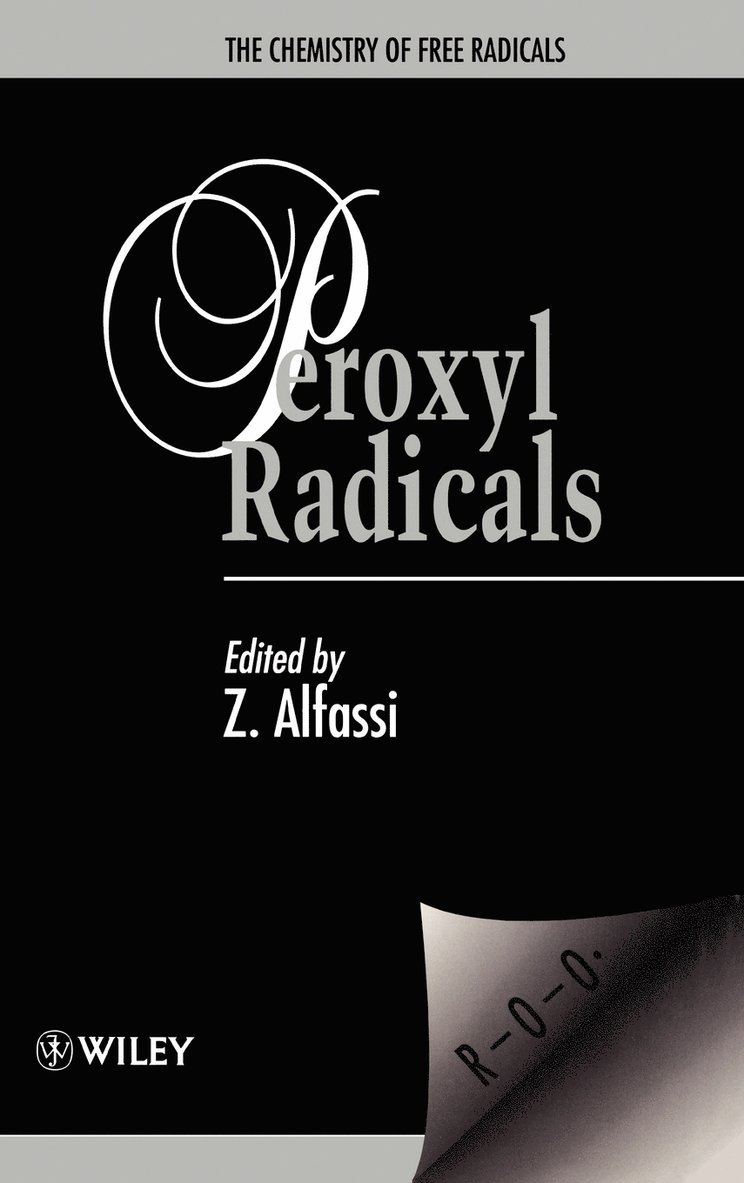
Peroxy radicals are formed in biological systems, the atmosphere and agueous waste and are important intermediates in the breakdown both of organic molecules and several inorganic species. The implications of their chemistry are far reaching and of great importance. Until now their has been no one volume which bring together all aspects of peroxy radical chemistry - from their formation, to their wide and varied chemistry in the aqueous environment, biological systems, solid matrices, polymeric systems and the atmosphere. Peroxy radicals react with CFCs and HFCs in the atmosphere, resulting in the further destruction of the ozone layer - a point which is of topical interest.
6 777 kr
Skickas inom 5-8 vardagar
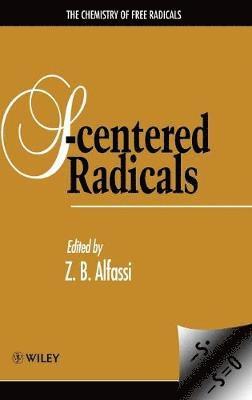
S-centered Radicals Edited by Ben Gurion University of the Negev, Israel Sulfur containing radicals, formed from sulfur emissions from natural sources (e.g. volcanoes), power plants and from car exhausts, play an important role in our atmosphere. In the living cell, sulfur constitutes an essential part of the defence against oxidative damage and in the course of this mechanism is transformed into a variety of sulfur free radical species. S-centered Radicals deals with the organic radicals containing sulfur atoms, RS*, RSO*, RSO_2* and R_3S and the inorganic radicals, *SH and SO_x*. This is the book to bring together all the recent developments of S-centered radical chemistry. This area is extremely important to organic synthetic chemists and environmentalists. S-centered radicals are of increasing interest in biochemistry and medicine due to S-containing amino-acids and S-S bonds in proteins. Sulfur radicals are also involved in polymer chemistry and photonic materials as well as in radiation protection and nutrition. This title is the essential volume for anyone working in sulfur chemistry.
8 796 kr
Skickas inom 5-8 vardagar
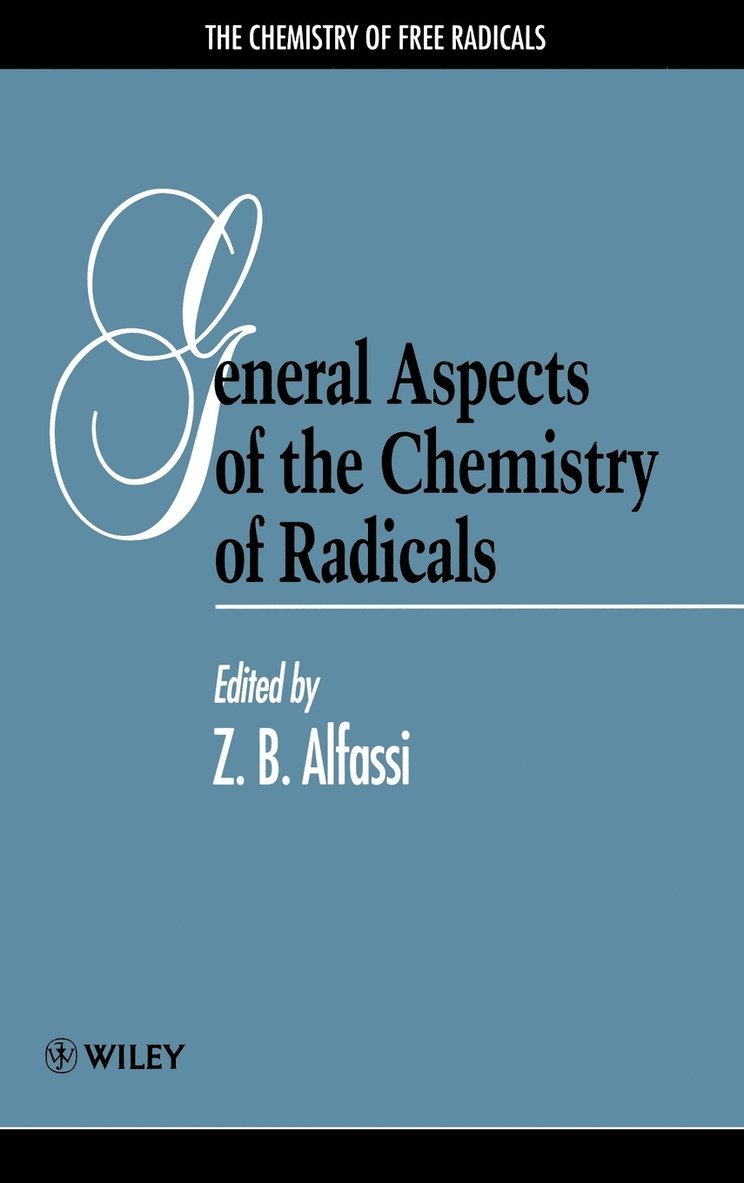
General Aspects of the Chemistry of Radicals Edited by Z. B. Alfassi Ben Gurion University of the Negev, Israel Free radicals are used as reactive intermediates in a wide range of organic syntheses as well as playing an important role in biological systems and industrial processes. Free radical chemistry is a rapidly developing area, with applications not only in chemistry but also in processes related to the environment, biology, drug research and medicine. General Aspects of the Chemistry of Radicals is an introductory book, discussing methods of formation and detection of free radicals, the rate of their reactions and their thermochemistry. The book closely examines the reactivity of free radical reactions, rate constants and temperature dependence, important in predicting the behaviour of yet unstudied systems and validating reaction mechanisms. General Aspects of the Chemistry of Radicals is written for researchers working in environmental and material sciences, organic, inorganic and physical organic chemistry. It will also be of interest to biochemists and molecular biologists working with the effects of free radicals on living systems.