Children's Classics Critically - Böcker
Visar alla böcker i serien Children's Classics Critically. Handla med fri frakt och snabb leverans.
2 produkter
2 produkter
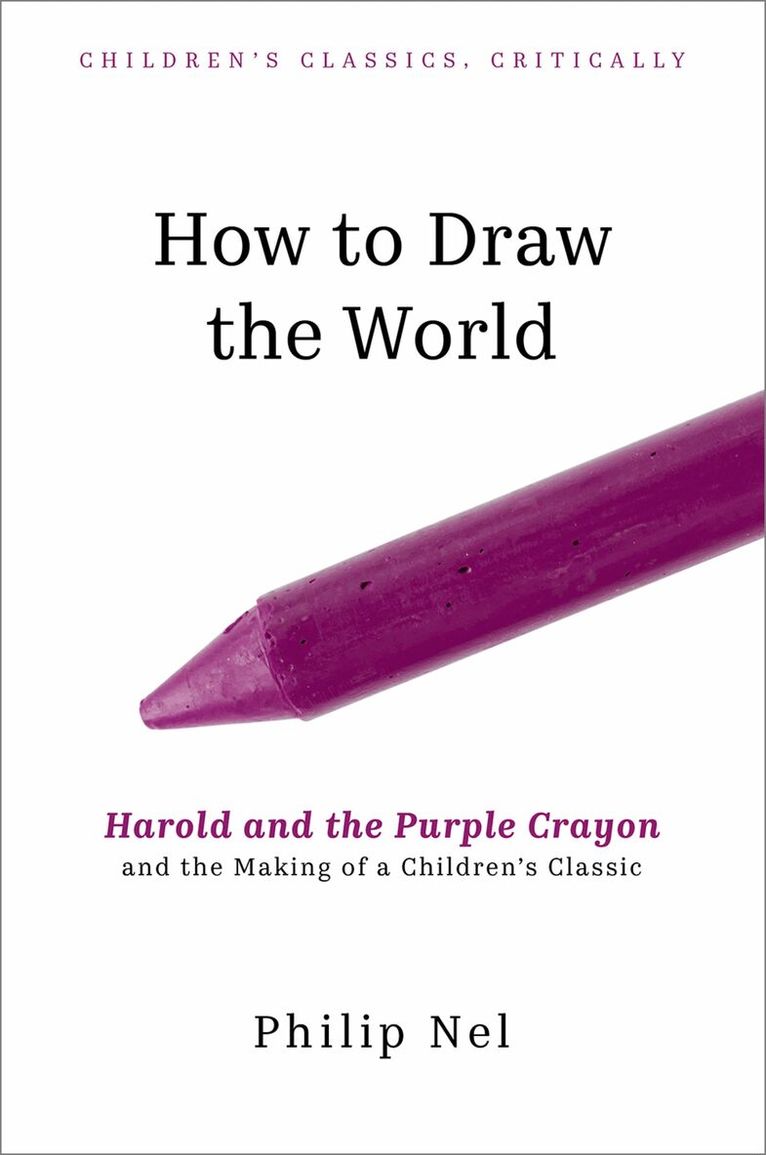
How to Draw the World
Harold and the Purple Crayon and the Making of a Children's Classic
Inbunden, Engelska, 2025
233 kr
Skickas inom 5-8 vardagar
A biography of the book that inspired Prince to adopt purple as his signature color, Pulitzer-Prize-winning author Richard Powers to become a writer, and countless other creative people to become artists.A primer on the art and design of children's picture books, renowned children's literature scholar Philip Nel takes the reader on an illustrated tour through all that made Crockett Johnson's Harold and the Purple Crayon an astonishing success: from Harold's clear line, Johnson's carefully planned improvisation, the Garamond typeface, the real “Harolds” who inspired the title character, how Johnson overcame his editor's initially lukewarm reaction, to the role of the book's three colors (purple, brown, white), and whether or not the tan-hued Harold himself is a child of color. In a series of microhistories that ripple outward from Harold and the Purple Crayon, 30 brief chapters explore the big ideas behind this small book. Johnson's classic raises questions about the nature of reality; creative expression during the Cold War; the implied audience of children's literature; abstract art versus representational art; and the color of crayons, ink, and people. All of these questions depend upon how children's picture books work--in this case, the apparent invisibility of Johnson's design choices, the limits imposed by the offset color lithography printing process, the history of the crayon, and the book's circulation into the hands of many real children around the world.This small book explores the pleasures of looking closely. Indeed, picture books are many people's introduction to looking closely. As a portable gallery, the picture book is a democratic art form, requiring only a library card to view. In modeling the pleasures of sustained attention, this book invites you to look closely at art that interests you--picture books, of course, but any kind of art. When you look, listen, or read closely, what questions does the art invite?
309 kr
Kommande
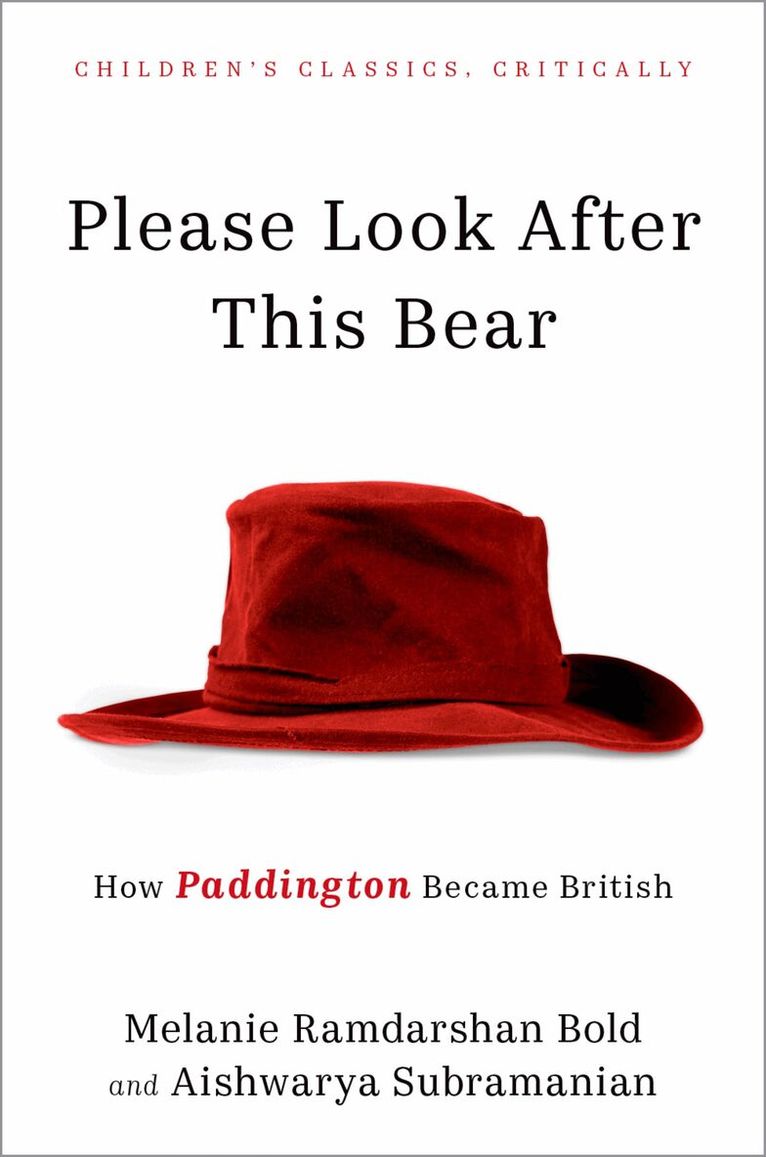
An exploration of Paddingon the Bear as an international cultural phenomenonIn 1958, a little marmalade-loving brown bear from Peru named Paddington was introduced to the post-war British public. Inspired by his creator Michael Bond's memories of displaced Jewish children in the United Kingdom during World War II, Paddington became a symbol of how to treat refugees with kindness. Author Bond was clear from the outset about Paddington's refugee status. Nearly sixty-five years later, the bear's legacy has evolved into a transmedia phenomenon; his once marginalized image has now been licenced to numerous British organisations -- such as Barbour and Marks & Spencer -- and more recently, even become a symbolic figurehead of national mourning following Queen Elizabeth II's death in 2022.Please Look After This Bear analyzes the titular character's transformation from displaced Peruvian bear to member of a wealthy, upper-class West London family, raising questions about migration, assimilation, tolerance, and national identity. The first of its kind to trace the publication history of the Paddington stories, this cutting-edge, critical text not only offers a unique sociocultural biography on the series' origins and background, but looks closely at its contemporary adaptations and afterlives, citing its emergence as a British cultural symbol across the globe. To date, Paddington books have been translated into forty languages (including Latin) and have sold more than 35 million copies worldwide.Told in poignant, incisive prose, this book reveals how Paddington evolved from an unassuming Peruvian bear on the printed page to an international transmedia phenomenon and icon of Britishness. With thoughtful nods both to nostalgia and to national identity, this book traces the character's dramatic change across the ever-changing British historical and political landscape of the past nearly-seven decades.