Claremont Symposium on Applied Social Psychology Series – serie
Visar alla böcker i serien Claremont Symposium on Applied Social Psychology Series. Handla med fri frakt och snabb leverans.
16 produkter
16 produkter
2 053 kr
Skickas inom 10-15 vardagar
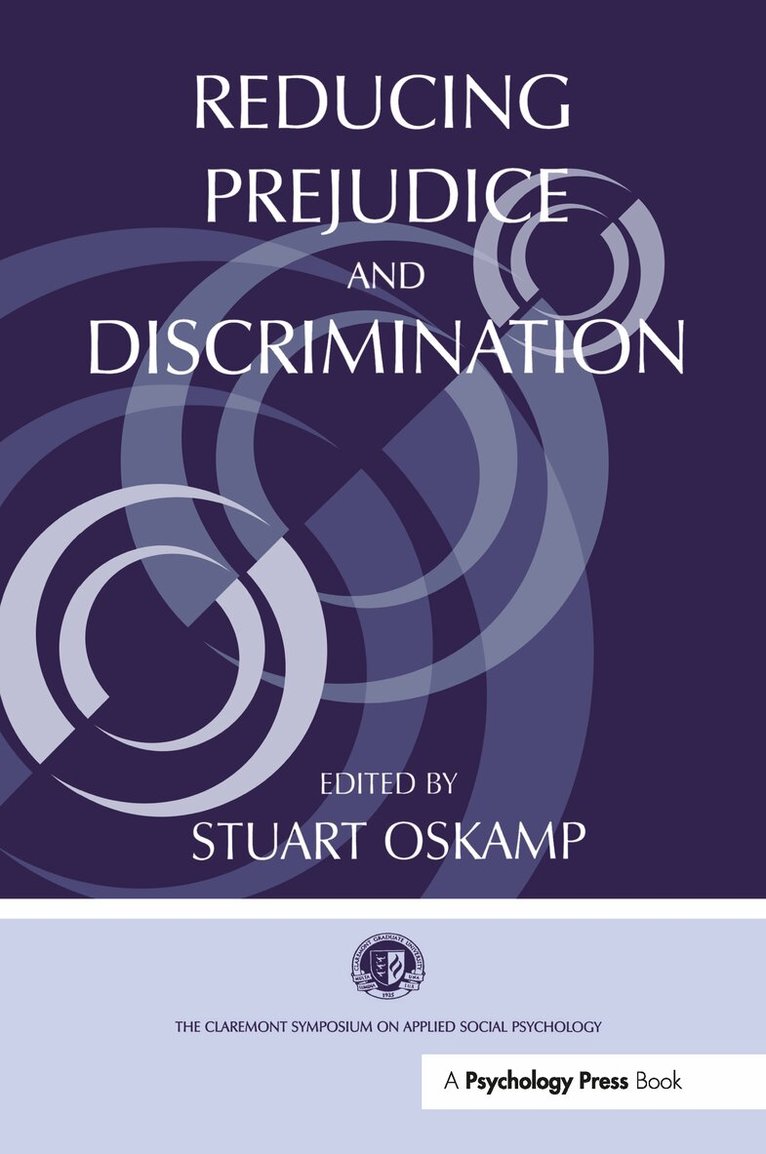
Finding ways to reduce prejudice and discrimination is the central issue in attacking racism in our society. Yet this book is almost unique among scientific volumes in its focus on that goal. This important book combines critical analysis of theories about how to reduce prejudice and discrimination with cutting-edge empirical research conducted in real-world settings, as well as in controlled laboratory situations. This book's outstanding contributors focus on a common set of questions about ways to reduce intergroup conflict, prejudice, and stereotyping. They summarize their own research, as well as others, interpret the conclusions, and suggest implications concerning the practical methods that have been, or could be, used in programs aimed at reducing intergroup conflict. The chapters present solidly based critical analyses and research findings in clear, reader-friendly prose. This book evolved from the Sixteenth Annual Claremont Symposium on Applied Social Psychology. Each Symposium in the series concentrates on a single area in which social psychological knowledge is being applied to the resolution of a current social problem. Ideal for teachers, social workers, administrators, managers, and other social practitioners who are concerned about prejudice and discrimination, this book will also serve as a valuable foundation of knowledge in courses that examine this topic.
799 kr
Skickas inom 10-15 vardagar
Finding ways to reduce prejudice and discrimination is the central issue in attacking racism in our society. Yet this book is almost unique among scientific volumes in its focus on that goal. This important book combines critical analysis of theories about how to reduce prejudice and discrimination with cutting-edge empirical research conducted in real-world settings, as well as in controlled laboratory situations. This book's outstanding contributors focus on a common set of questions about ways to reduce intergroup conflict, prejudice, and stereotyping. They summarize their own research, as well as others, interpret the conclusions, and suggest implications concerning the practical methods that have been, or could be, used in programs aimed at reducing intergroup conflict. The chapters present solidly based critical analyses and research findings in clear, reader-friendly prose. This book evolved from the Sixteenth Annual Claremont Symposium on Applied Social Psychology. Each Symposium in the series concentrates on a single area in which social psychological knowledge is being applied to the resolution of a current social problem. Ideal for teachers, social workers, administrators, managers, and other social practitioners who are concerned about prejudice and discrimination, this book will also serve as a valuable foundation of knowledge in courses that examine this topic.
2 053 kr
Skickas inom 10-15 vardagar
Today's evaluators are being challenged to help design and evaluate social programs intended to prevent and ameliorate complex social problems in a variety of settings, including schools, communities, and not-for-profit and for-profit organizations. Drawing upon the knowledge and experience of world-renowned evaluators, the goal of this new book is to provide the most up-to-date theorizing about how to practice evaluation in the new millennium. It features specific examples of evaluations of social programs and problems, including the strengths and weaknesses of the most popular and promising evaluation approaches, to help readers determine when particular methods are likely to be most effective. As such, it is the most comprehensive volume available on modern theories of evaluation practice. Evaluating Social Programs and Problems presents diverse, cutting-edge perspectives articulated by prominent evaluators and evaluation theorists on topics including, but not limited to:*Michael Scriven on evaluation as a trans-discipline;*Joseph S. Wholey on results-oriented management;*David Fetterman on empowerment evaluation;*Yvonna S. Lincoln on fourth-generation evaluation;*Donna M. Mertens on inclusive evaluation;*Stewart I. Donaldson on theory-driven evaluation; and*Melvin M. Mark on an integrated view of diverse visions for evaluation. Evaluating Social Programs and Problems is a valuable resource and should be considered required reading for practicing evaluators, evaluators-in-training, scholars and teachers of evaluation and research methods, and other professionals interested in improving social problem-solving efforts in the new millennium.
673 kr
Skickas inom 10-15 vardagar
Today's evaluators are being challenged to help design and evaluate social programs intended to prevent and ameliorate complex social problems in a variety of settings, including schools, communities, and not-for-profit and for-profit organizations. Drawing upon the knowledge and experience of world-renowned evaluators, the goal of this new book is to provide the most up-to-date theorizing about how to practice evaluation in the new millennium. It features specific examples of evaluations of social programs and problems, including the strengths and weaknesses of the most popular and promising evaluation approaches, to help readers determine when particular methods are likely to be most effective. As such, it is the most comprehensive volume available on modern theories of evaluation practice. Evaluating Social Programs and Problems presents diverse, cutting-edge perspectives articulated by prominent evaluators and evaluation theorists on topics including, but not limited to:*Michael Scriven on evaluation as a trans-discipline;*Joseph S. Wholey on results-oriented management;*David Fetterman on empowerment evaluation;*Yvonna S. Lincoln on fourth-generation evaluation;*Donna M. Mertens on inclusive evaluation;*Stewart I. Donaldson on theory-driven evaluation; and*Melvin M. Mark on an integrated view of diverse visions for evaluation. Evaluating Social Programs and Problems is a valuable resource and should be considered required reading for practicing evaluators, evaluators-in-training, scholars and teachers of evaluation and research methods, and other professionals interested in improving social problem-solving efforts in the new millennium.
2 083 kr
Skickas inom 10-15 vardagar
The goal of this edited volume is to provide a much needed bridge between the research on nonverbal communication and the application of those findings. The book features contributions from some of the leading researchers in the field. These distinguished scholars apply their understanding of nonverbal communication processes to a variety of settings including hospitals and clinics, courtrooms and police stations, the workplace and government, the classroom, and everyday life. It explores nonverbal communication in public settings, in intimate relationships, and across cultures and general lessons such as the importance of context, individual differences, and how expectations affect interpretation.Applications of Nonverbal Communication appeals to a diverse group of practitioners, researchers, and students from a variety of disciplines including psychology, health care, law enforcement, political science, sociology, communication, business and management. It may also serve as a supplement in upper level courses on nonverbal communication.
663 kr
Skickas inom 10-15 vardagar
The goal of this edited volume is to provide a much needed bridge between the research on nonverbal communication and the application of those findings. The book features contributions from some of the leading researchers in the field. These distinguished scholars apply their understanding of nonverbal communication processes to a variety of settings including hospitals and clinics, courtrooms and police stations, the workplace and government, the classroom, and everyday life. It explores nonverbal communication in public settings, in intimate relationships, and across cultures and general lessons such as the importance of context, individual differences, and how expectations affect interpretation.Applications of Nonverbal Communication appeals to a diverse group of practitioners, researchers, and students from a variety of disciplines including psychology, health care, law enforcement, political science, sociology, communication, business and management. It may also serve as a supplement in upper level courses on nonverbal communication.
666 kr
Tillfälligt slut
This volume--an outgrowth of the annual meeting of the Claremont Symposium on Applied Social Psychology--focuses on examples of social change and community action, and the processes at work in creating change. The presenters engaged each other and the audience in thinking about how best to create and sustain social change. This volume represents a product of their cumulative insight, research results, and perspectives, including chapters from each of the symposium presenters, as well as a few selected chapters from other noted scholars. Taken as a whole, the volume is highly accessible and presents findings from provocative and programmatic research that offer illuminating lessons for anyone interested in attempts at community change, civic participation, and social action.Processes of Community Change and Social Action provides cutting-edge and complementary approaches to understanding the causes and effects of broad civic participation. The contributors to this volume are all distinguished researchers and theorists, well known for their work on different aspects of processes of community change and social action. They address topics related to service learning, social movements, political socialization, civil society, and especially volunteerism.This unique interdisciplinary collection appeals to social, personality, community, and developmental psychologists, sociologists, and public health researchers. It also should be of considerable interest to practitioners of social action and individuals working to create social change.
646 kr
Skickas inom 10-15 vardagar
This volume--an outgrowth of the annual meeting of the Claremont Symposium on Applied Social Psychology--focuses on examples of social change and community action, and the processes at work in creating change. The presenters engaged each other and the audience in thinking about how best to create and sustain social change. This volume represents a product of their cumulative insight, research results, and perspectives, including chapters from each of the symposium presenters, as well as a few selected chapters from other noted scholars. Taken as a whole, the volume is highly accessible and presents findings from provocative and programmatic research that offer illuminating lessons for anyone interested in attempts at community change, civic participation, and social action.Processes of Community Change and Social Action provides cutting-edge and complementary approaches to understanding the causes and effects of broad civic participation. The contributors to this volume are all distinguished researchers and theorists, well known for their work on different aspects of processes of community change and social action. They address topics related to service learning, social movements, political socialization, civil society, and especially volunteerism.This unique interdisciplinary collection appeals to social, personality, community, and developmental psychologists, sociologists, and public health researchers. It also should be of considerable interest to practitioners of social action and individuals working to create social change.
2 053 kr
Skickas inom 10-15 vardagar
This book provides a snapshot of the latest theoretical and empirical work on social psychological approaches to stigma and group inequality. It focuses on the perspective of the stigmatized groups and discusses the effects of the stigma on the individual, the interacting partners, the groups to which they belong, and the relations between the groups.Broken into three major sections, Stigma and Group Inequality:*discusses the tradeoffs that stigmatized individuals must contend with as they weigh the benefits derived from a particular response to stigma against the costs associated with it;*explores the ways in which environments can threaten one's intellectual performance, sense of belonging, and self concept; and*argues that the experience of possessing a stigmatized identity is shaped by social interactions with others in the stigmatized group as well as members of other groups.Stigma and Group Inequality is a valuable resource for students and scholars in the fields of psychology, sociology, social work, anthropology, communication, public policy, and political science, particularly for courses on stigma, prejudice, and intergroup relations. The book is also accessible to teachers, administrators, community leaders, and concerned citizens who are trying to understand and improve the plight of stigmatized individuals in school, at work, at home, in the community, and in society at large.
707 kr
Skickas inom 10-15 vardagar
This book provides a snapshot of the latest theoretical and empirical work on social psychological approaches to stigma and group inequality. It focuses on the perspective of the stigmatized groups and discusses the effects of the stigma on the individual, the interacting partners, the groups to which they belong, and the relations between the groups.Broken into three major sections, Stigma and Group Inequality:*discusses the tradeoffs that stigmatized individuals must contend with as they weigh the benefits derived from a particular response to stigma against the costs associated with it;*explores the ways in which environments can threaten one's intellectual performance, sense of belonging, and self concept; and*argues that the experience of possessing a stigmatized identity is shaped by social interactions with others in the stigmatized group as well as members of other groups.Stigma and Group Inequality is a valuable resource for students and scholars in the fields of psychology, sociology, social work, anthropology, communication, public policy, and political science, particularly for courses on stigma, prejudice, and intergroup relations. The book is also accessible to teachers, administrators, community leaders, and concerned citizens who are trying to understand and improve the plight of stigmatized individuals in school, at work, at home, in the community, and in society at large.
1 935 kr
Skickas inom 7-10 vardagar
During the past two decades, the frequency and range of expert testimony by psychologists have increased dramatically. Courts now routinely hear expert testimony from clinical, cognitive, developmental, and social psychologists. Expert Psychological Testimony for the Courts provides a comprehensive, research-based analysis of the content, ethics, and impact of expert testimony. This book features leading scholars who have contributed to the scientific foundation for expert testimony and who have also served as expert witnesses. The opening chapter explores issues surrounding the admissibility of expert testimony, and the closing chapter explores the ethics and limits of psychological testimony. Each of the intervening chapters focuses on a different area of expert testimony: forensic identification, police interrogations and false confessions, eyewitness identification, sexual harassment, mitigation in capital cases, the insanity defense, battered women, future dangerousness, and child custody. These chapters describe the typical content of expert testimony in a particular area, evaluate the scientific foundation for testimony, examine how jurors respond to expert testimony, and suggest ways in which legal standards or procedures might be modified in light of psychological research. This groundbreaking book should be on the shelf of every social scientist interested in the legal system and every trial attorney who is likely to retain a psychologist as an expert witness. It can also serve as a text for advanced courses in psychology, legal studies, criminal justice, law, and sociology.
669 kr
Skickas inom 10-15 vardagar
During the past two decades, the frequency and range of expert testimony by psychologists have increased dramatically. Courts now routinely hear expert testimony from clinical, cognitive, developmental, and social psychologists. Expert Psychological Testimony for the Courts provides a comprehensive, research-based analysis of the content, ethics, and impact of expert testimony. This book features leading scholars who have contributed to the scientific foundation for expert testimony and who have also served as expert witnesses. The opening chapter explores issues surrounding the admissibility of expert testimony, and the closing chapter explores the ethics and limits of psychological testimony. Each of the intervening chapters focuses on a different area of expert testimony: forensic identification, police interrogations and false confessions, eyewitness identification, sexual harassment, mitigation in capital cases, the insanity defense, battered women, future dangerousness, and child custody. These chapters describe the typical content of expert testimony in a particular area, evaluate the scientific foundation for testimony, examine how jurors respond to expert testimony, and suggest ways in which legal standards or procedures might be modified in light of psychological research. This groundbreaking book should be on the shelf of every social scientist interested in the legal system and every trial attorney who is likely to retain a psychologist as an expert witness. It can also serve as a text for advanced courses in psychology, legal studies, criminal justice, law, and sociology.
2 317 kr
Skickas inom 10-15 vardagar
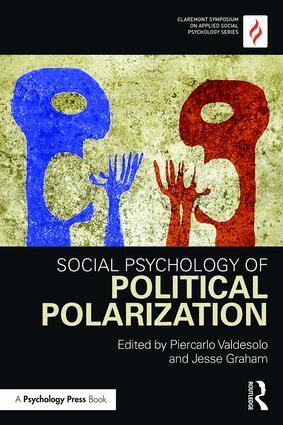
The 21st-century political landscape has been defined by deep ideological polarization, and as a result scientific inquiry into the psychological mechanisms underlying this divide has taken on increased relevance. The topic is by no means new to social psychology. Classic literature on intergroup conflict shows how pervasive and intractable these group conflicts can be, how readily they can emerge from even minimal group identities, and the hedonic rewards reaped from adopting an "us vs. them" perspective. Indeed, this literature paints a bleak picture for the efficacy of any interventions geared toward reducing intergroup discord. But advances in the psychology of moral judgments and behavior, in particular greater understanding of how moral concerns might inform the creation and stability of political identities, offer new ways forward in understanding partisan divides. This volume brings together leading researchers in moral and political psychology, offering new perspectives on the moral roots of political ideology, and exciting new opportunities for the development of more effective applied interventions.
799 kr
Skickas inom 10-15 vardagar
The 21st-century political landscape has been defined by deep ideological polarization, and as a result scientific inquiry into the psychological mechanisms underlying this divide has taken on increased relevance. The topic is by no means new to social psychology. Classic literature on intergroup conflict shows how pervasive and intractable these group conflicts can be, how readily they can emerge from even minimal group identities, and the hedonic rewards reaped from adopting an "us vs. them" perspective. Indeed, this literature paints a bleak picture for the efficacy of any interventions geared toward reducing intergroup discord. But advances in the psychology of moral judgments and behavior, in particular greater understanding of how moral concerns might inform the creation and stability of political identities, offer new ways forward in understanding partisan divides. This volume brings together leading researchers in moral and political psychology, offering new perspectives on the moral roots of political ideology, and exciting new opportunities for the development of more effective applied interventions.
2 119 kr
Skickas inom 10-15 vardagar
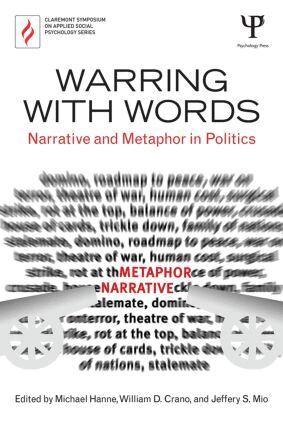
Scholars in many of the disciplines surrounding politics explicitly utilize either a narrative perspective or a metaphor perspective (though rarely the two in combination) to analyze issues -- theoretical and practical, domestic and international -- in the broad field of politics. Among the topics they have studied are: competing metaphors for the state or nation which have been coined over the centuries in diverse cultures; the frequency with which communal and international conflicts are generated, at least in part, by the clashing religious and historical narratives held by opposing groups; the cognitive short-cuts employing metaphor by which citizens make sense of politics; the need for political candidates to project a convincing self-narrative; the extent to which the metaphors used to formulate social issues determine the policies which will be developed to resolve them; the failure of narratives around the security of the nation to take account of the individual experiences of women and children.This volume is the first in which eminent scholars from disciplines as diverse as social psychology, anthropology, political theory, international relations, feminist political science, and media studies, have sought to integrate the narrative and the metaphor perspectives on politics. It will appeal to any scholar interested in the many ways in which narrative and metaphor function in combination as cognitive and rhetorical instruments in discourse around politics.
707 kr
Skickas inom 10-15 vardagar
Scholars in many of the disciplines surrounding politics explicitly utilize either a narrative perspective or a metaphor perspective (though rarely the two in combination) to analyze issues -- theoretical and practical, domestic and international -- in the broad field of politics. Among the topics they have studied are: competing metaphors for the state or nation which have been coined over the centuries in diverse cultures; the frequency with which communal and international conflicts are generated, at least in part, by the clashing religious and historical narratives held by opposing groups; the cognitive short-cuts employing metaphor by which citizens make sense of politics; the need for political candidates to project a convincing self-narrative; the extent to which the metaphors used to formulate social issues determine the policies which will be developed to resolve them; the failure of narratives around the security of the nation to take account of the individual experiences of women and children.This volume is the first in which eminent scholars from disciplines as diverse as social psychology, anthropology, political theory, international relations, feminist political science, and media studies, have sought to integrate the narrative and the metaphor perspectives on politics. It will appeal to any scholar interested in the many ways in which narrative and metaphor function in combination as cognitive and rhetorical instruments in discourse around politics.